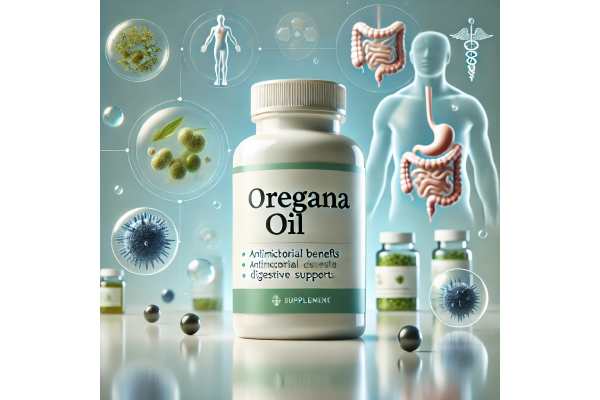
Oregano oil has moved from the spice rack to the supplement shelf because it concentrates powerful compounds from the oregano plant into just a few drops or capsules. Rich in the phenols carvacrol and thymol, oregano essential oil shows strong antimicrobial and antioxidant activity in laboratory studies. People use it hoping to support immunity, digestive balance, oral health, and healthy microbial flora, especially during times of stress or frequent infections.
At the same time, oregano oil is a highly concentrated essential oil, not a gentle kitchen herb. The same properties that make it effective against microbes can also irritate human tissues or interact with other health conditions when used carelessly. This guide walks you through what oregano oil actually is, how it appears to work, potential benefits, how to use it in a practical routine, realistic dosage ranges, and when to avoid it. The goal is to help you make informed, cautious choices rather than rely on hype or guesswork.
Key Facts about Oregano Oil
- Oregano oil is a concentrated essential oil rich in carvacrol and thymol, with antimicrobial and antioxidant effects seen mainly in laboratory and animal research.
- Typical supplements provide about 50–200 mg per softgel, taken 1–3 times per day (roughly 150–600 mg/day) for short-term use only.
- Undiluted oregano essential oil can irritate the mouth, stomach, and skin, so it should always be diluted or used in properly formulated products.
- People who are pregnant or breastfeeding, children, and those with known allergies to oregano or other mint family herbs should avoid medicinal doses unless a clinician advises otherwise.
Table of Contents
- What is oregano oil and how does it work?
- Evidence based benefits of oregano oil
- How to use oregano oil safely day to day
- How much oregano oil per day?
- Side effects, interactions, and who should avoid oregano oil
- What current research says about oregano oil
What is oregano oil and how does it work?
When people talk about “oregano oil,” they usually mean oregano essential oil or a product made from it. Essential oil is produced by steam-distilling aerial parts of oregano plants, most often Origanum vulgare and closely related Mediterranean species. This process concentrates the plant’s volatile aromatic compounds into a highly potent liquid that is very different from dried oregano leaves.
Chemically, oregano essential oil is dominated by monoterpenoid phenols, especially carvacrol and thymol. Depending on the plant species and growing conditions, these compounds can make up more than half of the oil. Smaller amounts of p-cymene, γ-terpinene, linalool, and β-caryophyllene also contribute to the overall profile. Growers and chemists describe different “chemotypes” of oregano oil depending on which of these molecules is most abundant.
Carvacrol and thymol can disrupt microbial cell membranes, changing their permeability and electrical potential. In lab studies this leads to leakage of cell contents and death of bacteria or fungi. The same compounds also influence cell signaling pathways linked to inflammation and oxidative stress. They may help reduce the production of certain inflammatory messengers and neutralize reactive oxygen species, at least under experimental conditions.
It is important to distinguish between three related products:
- Oregano essential oil (pure) – undiluted, very strong, meant only for dilution in carrier oils or other formulations.
- Oil of oregano (in carrier oil) – essential oil pre-diluted in olive or another carrier oil for oral or topical use.
- Oregano leaf extracts or capsules – powdered herb or alcohol/water extracts with a different composition and milder potency.
Because essential oil is so concentrated, very small amounts can deliver a lot of active compounds. That is why a few drops can noticeably affect flavor, digestion, or skin — and why careful dosing and dilution are essential for safety.
Evidence based benefits of oregano oil
Most of what we know about oregano oil’s benefits comes from laboratory and animal research, with a smaller number of human studies. It is best to think of oregano oil as a promising, but still incompletely understood, herbal tool rather than a proven treatment.
Antimicrobial activity is the best documented effect. In vitro, oregano essential oil can inhibit many bacteria, including foodborne pathogens and some antibiotic-resistant strains. It also shows activity against fungi such as Candida species and molds that produce aflatoxins. These studies often use concentrations higher than would be safe to apply directly to human tissues, so results do not translate directly into dosing instructions, but they do explain why oregano oil appears in some natural oral care and skin formulations.
Oregano oil may also influence oral health. Experiments with Streptococcus mutans, a key bacterium involved in dental caries, have found that oregano essential oil can reduce bacterial growth, acid production, biofilm formation, and expression of virulence genes in controlled lab conditions. This underpins the use of oregano oil–containing mouthwashes and toothpastes as adjuncts to standard oral hygiene.
There is also research on antiparasitic effects. In a small human study, people with intestinal parasites took 200 mg of emulsified oregano oil daily for several weeks, and many experienced parasite eradication and symptom improvement. This is encouraging but still preliminary and does not establish oregano oil as a standard antiparasitic therapy.
Other potential benefits remain mostly experimental:
- Anti-inflammatory and antioxidant effects, with reduced inflammatory markers and oxidative damage in animal models.
- Metabolic effects, including influences on blood glucose and lipid oxidation in specific research settings.
- Support for wound healing, where topical preparations with oregano components have modestly improved scar appearance and infection rates in small trials.
Overall, the evidence suggests oregano oil can meaningfully affect microbes and some inflammatory pathways, but rigorous, large human trials are limited. It should be used as a complementary strategy, not as a replacement for clinically proven treatments.
How to use oregano oil safely day to day
Because oregano essential oil is strong, the way you use it matters at least as much as how much you take. A thoughtful approach can help you gain potential benefits while reducing the chance of irritation or side effects.
The most common forms are:
- Softgels or capsules – usually standardized to a certain percentage of carvacrol, delivering a measured milligram dose.
- Liquid drops in carrier oil – essential oil diluted in olive or another carrier, taken orally or used topically.
- Topical blends and creams – pre-formulated products designed for skin, often combined with other herbs.
- Diffuser blends – small amounts of oregano oil mixed with other essential oils for aromatherapy.
For oral use, most people either take commercial softgels or carefully measured drops in carrier oil. Taking oregano oil with food can reduce stomach discomfort. It is generally wise to reserve higher-dose oral use for short, clearly defined periods, such as a few days to a couple of weeks, rather than as a continuous daily supplement.
For topical use, dilution is crucial. A common guideline for essential oils is a 0.5–2% dilution for body applications. In practical terms, that means roughly 1–3 drops of oregano essential oil per teaspoon (5 mL) of carrier oil such as olive, jojoba, or coconut. Even at these dilutions, some people find oregano too warming or irritating, especially on sensitive areas.
Practical topical examples include:
- Diluted oil applied sparingly to areas prone to fungal overgrowth, such as between toes, for short periods.
- Use within a carefully formulated cream or ointment rather than mixing large amounts at home.
- Never applying oregano oil — even diluted — to the eyes, inside the nose, or on open wounds without professional guidance.
For aromatherapy, oregano oil is typically used in very small amounts, blended with milder oils, as its scent is intense. Diffuser use primarily acts on mood and perceived respiratory comfort rather than delivering significant systemic doses.
Whatever the form, good safety practices include doing a patch test before broader skin use, following label directions, keeping the bottle away from children, and treating oregano oil with the same respect you would give to a potent over-the-counter medicine.
How much oregano oil per day?
There is no universally accepted therapeutic dose of oregano oil. Regulatory bodies have not set an official daily allowance, and human trials are relatively small. Dosage recommendations therefore rely on limited research, traditional practice, and what has been used in commercial products.
For oral capsules or softgels, manufacturers commonly provide:
- 50–200 mg of oregano oil per capsule, often standardized for carvacrol content.
- Suggested use of one capsule, one to three times daily, usually with meals.
This leads to a typical supplemental range of about 150–600 mg of oregano oil per day in adults for short-term use. In a small clinical study investigating antiparasitic effects, 200 mg per day of emulsified oregano oil was taken for six weeks, which provides a useful reference point, though not a definitive standard.
For liquid oil in carrier taken by mouth, product labels frequently suggest:
- About 2–4 drops, diluted in water, juice, or additional carrier oil.
- Up to three times daily, again for limited periods.
The actual milligram amount per drop depends on the preparation and dropper size, so reading the label is important. When in doubt, starting at the lower end (for example, 1–2 drops once daily) and assessing tolerance before increasing is more prudent than beginning at the maximum.
For topical use, the focus is on dilution rather than total daily milligrams:
- Everyday skin use: around 0.5–1% dilution (about 1 drop per teaspoon of carrier).
- Short-term, localized applications on tougher skin (such as feet): up to 2% dilution may be used cautiously if well tolerated.
Animal toxicology studies have tested oregano essential oil at weight-based doses many times higher than those found in typical human supplements without obvious harm in that model. However, animals metabolize compounds differently, and those findings do not justify very high doses in people.
In practice, it is safest to:
- Stay within the dosing range suggested by a reputable product.
- Treat 150–600 mg/day in adults, for a few weeks at most, as an upper supplemental range unless a clinician recommends otherwise.
- Avoid concentrated use in children and never give oregano oil directly to infants.
If you take other medications or have chronic conditions, a personalized dosage plan from your healthcare provider is ideal.
Side effects, interactions, and who should avoid oregano oil
Despite its natural origin, oregano essential oil is pharmacologically active and can cause side effects, especially when used at higher doses or without proper dilution.
Common side effects reported with oral use include:
- Stomach upset, heartburn, or a burning sensation in the mouth or throat.
- Nausea or loose stools if the dose is too high.
- Headache or a general feeling of warmth.
With topical use, the main issues are:
- Skin irritation, redness, or burning, particularly if the oil is undiluted or too strong.
- Contact dermatitis in people who are sensitive to oregano or related herbs.
More serious reactions are uncommon but possible. Oregano is part of the mint (Lamiaceae) family, and cross-reactive allergies can occur. Rare cases of generalized allergic reactions, including anaphylaxis, have been reported in association with oregano exposure. Anyone with a history of severe reactions to herbs, spices, or fragrances should be extremely cautious.
There are also theoretical interaction and risk considerations:
- Pregnancy and lactation: High intakes of oregano and its essential oil have not been adequately studied. Because of possible hormonal effects and reports of herbal mixtures containing oregano being used to induce abortion, most conservative sources advise avoiding medicinal doses during pregnancy and while breastfeeding.
- Hormone-sensitive conditions: Oregano contains small amounts of compounds with hormonal activity. People with hormone-sensitive cancers or those taking hormonal therapies should discuss oregano oil with their specialist before use.
- Liver burden: Herbal supplements, including some containing oregano, have appeared in case collections of herbal-related liver injury. This does not prove that oregano oil itself is highly hepatotoxic, but it is a reminder to be careful with long-term, high-dose use and to avoid stacking multiple potentially hepatotoxic supplements.
- Bleeding or surgery: As with many botanicals rich in phenolic compounds, there is a theoretical concern about interactions with blood-thinning medicines or additive effects on bleeding risk. Stopping nonessential herbal supplements, including oregano oil, at least one to two weeks before planned surgery is a common precaution.
You should avoid medicinal use of oregano oil or use it only under direct medical supervision if you:
- Are pregnant, trying to conceive, or breastfeeding.
- Are younger than 18 years (especially children under 12).
- Have a known allergy to oregano, thyme, basil, mint, or other Lamiaceae herbs.
- Have chronic liver disease, a history of unexplained hepatitis, or are taking multiple liver-metabolized drugs.
- Have had severe reactions to herbal supplements in the past.
If you develop difficulty breathing, swelling of the lips or tongue, severe rash, or intense stomach pain after using oregano oil, stop immediately and seek medical care.
What current research says about oregano oil
Over the last two decades, oregano essential oil has attracted considerable research interest, particularly in food science, microbiology, and animal health. The overall picture is promising but incomplete, especially for human clinical use.
Comprehensive reviews of oregano essential oils describe a consistent pattern: carvacrol-rich oils show broad antimicrobial activity against bacteria, fungi, and some viruses in test-tube experiments. These studies help explain why adding small amounts of oregano oil to food packaging or animal feed can reduce microbial contamination and spoilage. However, they do not automatically indicate how much, how often, or how safely a person should take oregano oil as a supplement.
More focused work explores oral health applications. Experiments with Streptococcus mutans and other oral microbes suggest that oregano essential oil can reduce biofilms, acid production, and bacterial adherence to tooth surfaces. Early clinical work with oregano-containing mouthwashes shows reductions in bad breath and plaque markers similar to some standard products, though larger, longer trials are needed.
In the area of safety, a 90-day oral toxicity study in rats exposed animals to several doses of oregano essential oil and monitored body weight, organ function, and histology. Within the tested range, the oil did not produce clear adverse effects, and researchers identified a relatively high “no observed adverse effect level.” Additional regulatory evaluations, particularly in animal feed, support the idea that standardized oregano essential oil can be safe when used within defined limits, while also noting that it can irritate skin, eyes, and airways when handled in concentrated form.
Emerging work in metabolic and cancer models looks at oregano oil’s effects on oxidative stress, inflammation, and tumor growth in animals and cell cultures. Some studies report reduced tumor burden or favorable shifts in immune signaling when oregano oil or its main components are administered, but these findings are preliminary and far from ready for routine clinical application.
The key limitations across the evidence base include:
- Few large, well-controlled human trials.
- Strong variability in plant species, extraction methods, and final composition of the oils studied.
- Differences between doses and routes used in experiments and what is practical for human supplements.
For now, the most responsible stance is to view oregano oil as a concentrated botanical with laboratory-supported antimicrobial and anti-inflammatory potential, reasonable short-term safety at modest doses, and many unanswered questions. It may be useful as a complementary measure for specific purposes (such as short-term digestive support or oral care) when integrated into a broader plan designed by a qualified health professional.
References
- Essential Oils of Oregano: Biological Activity beyond Their Antimicrobial Properties 2017 (Systematic Review)
- Antibacterial activity of oregano essential oils against Streptococcus mutans in vitro and analysis of active components 2023 (In vitro Study)
- A subchronic 90-day oral toxicity study of Origanum vulgare essential oil in rats 2017 (Toxicology Study)
- Safety and efficacy of an essential oil of Origanum vulgare ssp. hirtum (Link) leetsw. for all poultry species 2019 (Regulatory Safety Opinion)
- Oregano Uses, Benefits & Dosage 2025 (Clinical Monograph)
Disclaimer
The information in this article is for general educational purposes only and is not a substitute for professional medical advice, diagnosis, or treatment. Oregano oil can interact with health conditions and medications, and its safety at high doses or with long-term use has not been fully established. Always consult a qualified healthcare professional before starting, changing, or stopping any supplement, especially if you are pregnant, breastfeeding, planning surgery, have ongoing medical conditions, or take prescription or over-the-counter medicines.
If you found this guide helpful, you are warmly invited to share it with others on Facebook, X (formerly Twitter), or any platform you prefer, and to follow our work on social media. Your thoughtful support by sharing our articles helps our team continue creating carefully researched, practical health content.