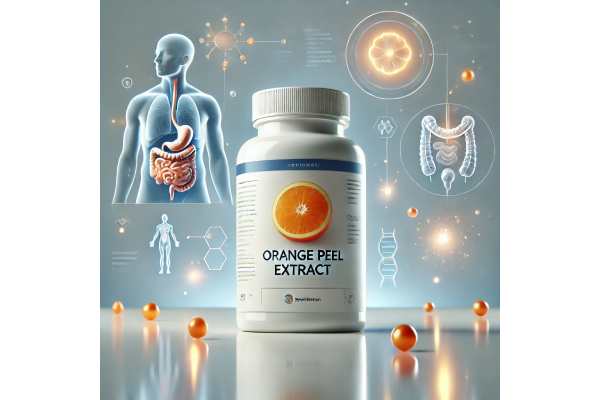
Orange peel is usually the part of the fruit we throw away, yet it is one of the most concentrated sources of citrus bioactive compounds. When the peel is gently dried and extracted, it yields high levels of flavonoids such as hesperidin and polymethoxylated flavones, along with aromatic terpenes, vitamin C, and pectin. Together, these compounds are being studied for potential benefits on cardiovascular health, blood sugar regulation, digestion, skin quality, and overall antioxidant defense.
Orange peel extract is now available as capsules, powders, teas, and functional food ingredients, often marketed for “bioflavonoid support” or “citrus polyphenols.” At the same time, not all products use the same plant species or extraction methods, and safety can vary when synephrine-rich bitter orange is involved. This guide walks you through what orange peel extract actually contains, how it may help, realistic dosage ranges, and who should be cautious before using it.
Key Insights for Orange Peel Extract
- Orange peel extract concentrates citrus flavonoids and antioxidants that may support cardiovascular, metabolic, and skin health.
- Bitter components and fiber in orange peel can support digestion and post-meal blood sugar when combined with a balanced diet.
- Common supplemental intakes range from 250–1,000 mg of standardized orange peel extract per day, usually divided with meals.
- People using prescription drugs for blood pressure, heart rhythm, or blood clotting should only take orange peel extract under medical guidance.
- Avoid supplemental orange peel extract if you are pregnant, breastfeeding, have a citrus allergy, or are giving it to young children unless advised by a clinician.
Table of Contents
- What is orange peel extract and how is it made?
- What are the main benefits of orange peel extract?
- How to use orange peel extract in supplements and daily life
- How much orange peel extract per day?
- Possible side effects and who should avoid it
- What does the research say about orange peel extract?
What is orange peel extract and how is it made?
When you see “orange peel extract” on a supplement label, it usually refers to an extract derived from the peel of sweet orange (Citrus sinensis). The peel includes the colored outer layer (flavedo) and the white inner pith (albedo). Both parts are rich in flavonoids and other plant compounds that are far more concentrated than in the juice or pulp.
Key constituents found in sweet orange peel include:
- Flavanones such as hesperidin, narirutin, and didymin
- Polymethoxylated flavones (PMFs) like nobiletin and tangeretin
- Vitamin C and other organic acids
- Carotenoids that contribute to color
- Pectin and other soluble fibers
- Essential oil dominated by limonene, with smaller amounts of linalool and other aromatic terpenes
Manufacturers typically dry and mill the peel, then extract it with water, ethanol, or a mixture of the two. These “hydroalcoholic” extracts capture flavonoids and some terpenes while leaving behind most of the sugars. The extract is then concentrated and spray-dried onto a carrier to form a stable powder. Some products are standardized to a specific percentage of citrus bioflavonoids or hesperidin, which gives you a clearer idea of potency.
It is important to distinguish between three related but different materials:
- Orange peel extract: generally a flavonoid-rich powder from sweet orange peel, with little or no stimulant activity.
- Orange essential oil: a volatile oil obtained by cold-pressing or steam distillation of the peel, used mainly in aromatherapy and flavoring. It is rich in limonene but contains almost no flavonoids.
- Bitter orange (Citrus aurantium) extract: often taken from peel or immature fruit, this can contain the protoalkaloid p-synephrine and is widely used in weight-management products. Its safety profile is more complex, especially in stimulant-type formulas.
Not every label clearly states whether the extract comes from sweet or bitter orange, or how much synephrine it contains. For everyday antioxidant and digestive support, many people prefer sweet orange peel extracts that highlight flavonoids rather than stimulant alkaloids.
What are the main benefits of orange peel extract?
Orange peel extract offers a cluster of potential benefits that stem from its flavonoids, fibers, and aromatic compounds. Much of the evidence comes from studies on citrus peel extracts, citrus bioflavonoids, and hesperidin rather than branded “orange peel extract” products alone, so it is helpful to view these benefits as possible rather than guaranteed.
One of the best-supported roles is antioxidant and anti-inflammatory support. Flavonoids such as hesperidin and nobiletin can neutralize free radicals and modulate inflammatory signaling pathways. This may help reduce oxidative damage to lipids, proteins, and DNA, which is relevant for cardiovascular and metabolic health. Laboratory and animal studies show strong radical-scavenging activity from orange peel extracts, often higher than that of the juice.
Cardiometabolic support is another key area of interest. Citrus flavonoids have been studied for their ability to:
- Help maintain healthy blood pressure and endothelial (blood vessel) function
- Improve lipid profiles by supporting lower LDL cholesterol and triglycerides in some settings
- Influence enzymes involved in carbohydrate and fat metabolism, which may benefit blood sugar control and weight management when paired with lifestyle changes
These effects are modest compared with prescription medications but may be meaningful as part of a long-term dietary pattern rich in fruits and vegetables.
Digestive support is more traditional but still relevant. The bitter principles and fiber in dried orange peel have long been used in herbal systems to stimulate digestive secretions, reduce feelings of fullness, and help with mild bloating and gas. Taken as a tea or in small powdered doses before meals, orange peel extract may gently support motility and bile flow.
There is also interest in skin health and immune function. Vitamin C and citrus flavonoids support collagen formation and capillary integrity, and topical formulations sometimes use orange-derived ingredients for antioxidant protection. Internally, the same compounds may help the immune system cope with oxidative stress, although they are not a replacement for vaccines or standard care.
The overall picture is that orange peel extract may be most useful as:
- A source of citrus flavonoids to complement vitamin C intake
- A gentle digestive aid when taken with or before meals
- A supportive tool for cardiovascular and metabolic health alongside diet, exercise, and medical treatment when needed
It should not be viewed as a stand-alone therapy for serious conditions but rather as one part of a broader health strategy.
How to use orange peel extract in supplements and daily life
Orange peel extract can be integrated into your routine in several different forms, each with its own strengths. The choice depends on your goals, tolerance, and whether you prefer food-based or capsule-based approaches.
Capsules and tablets are the most common supplemental form. These typically contain a powdered extract standardized to a certain percentage of citrus bioflavonoids or hesperidin. Many users take them with meals, especially lunch and dinner, to support digestion and post-meal metabolism. Taking the extract with food can also reduce the chance of stomach discomfort and may improve absorption of fat-soluble terpenes.
Powders are more flexible. They can be blended into smoothies, mixed into yogurt, or added to warm water with honey and ginger. This is a practical option if you already use other powdered supplements and want to adjust the dose gradually. However, orange peel powders can be bitter, so combining them with naturally sweet foods or drinks often improves palatability.
Dried peel and herbal teas provide a more traditional route. You can:
- Use 1–2 teaspoons (roughly 2–4 g) of dried, chopped sweet orange peel per cup of hot water.
- Steep for 10–15 minutes with a lid to retain the aromatic oils.
- Drink up to 2–3 cups per day if well tolerated, especially after meals.
This method gives you flavonoids, scent, and mild fiber in a gentle, food-like format. For people who prefer a lower-intensity approach, tea can be a good starting point.
In cooking, freshly grated organic orange zest adds similar flavonoids to salads, baked goods, and marinades. While this is not as concentrated as a standardized extract, it is a simple way to include citrus bioactives in everyday meals. If you use a lot of peel, it is wise to choose organic fruit where possible and wash thoroughly to minimize pesticide residues.
A few practical tips when choosing and using products:
- Look for labels that specify “Citrus sinensis peel” or “sweet orange peel,” especially if you wish to avoid synephrine-containing bitter orange.
- Prefer products that show the amount of total bioflavonoids or hesperidin per capsule, rather than only listing a proprietary blend.
- Consider third-party tested brands that screen for heavy metals, pesticides, and adulterants.
- If you already take vitamin C, a combined “vitamin C plus citrus bioflavonoids” product may avoid duplication and simplify your routine.
As with most plant extracts, consistency matters more than taking very high doses for a short period. Many people use orange peel extract daily over several weeks while monitoring how they feel and reviewing lab markers with a healthcare professional when relevant.
How much orange peel extract per day?
There is no official recommended daily allowance for orange peel extract, and human trials specifically using standardized orange peel extracts are still limited. However, researchers have studied doses of isolated hesperidin and citrus bioflavonoid complexes, and these can help frame realistic ranges.
For standardized orange peel or citrus bioflavonoid supplements, common daily intakes fall between 250 and 1,000 mg of extract. Many products provide:
- 250–500 mg per capsule or tablet
- Suggested serving sizes of one or two servings per day, usually with meals
A cautious and reasonable strategy is to start at the lower end, around 250–500 mg per day with a main meal. If you tolerate it well, some practitioners then increase to 500–1,000 mg per day, divided with breakfast and dinner, when cardiovascular or metabolic support is the main objective.
If you use dried peel or tea rather than capsules, traditional herbal practice often works with:
- About 2–4 g of dried, chopped peel per day for general digestive support, divided into 1–2 doses
- In some traditional formulas, higher total daily amounts are used in combination with other herbs, but this is best done under professional guidance
For culinary use of zest, there is no defined upper limit in healthy adults; typical recipe amounts deliver modest but meaningful flavonoid intake without approaching supplemental doses.
A few dosage principles to keep in mind:
- Start low and observe
It is wise to use the smallest effective dose and monitor for digestive changes, headaches, or skin reactions over the first one to two weeks. Sensitive individuals may prefer staying at 250–500 mg per day. - Take with food
Because citrus flavonoids can be bitter and may mildly stimulate digestion, taking orange peel extract with meals usually improves tolerability. For people with reflux or a history of gastritis, a mid-meal dose (rather than on an empty stomach) can be gentler. - Cycle long-term use
For long-term wellness, some people use orange peel extract for 8–12 weeks, then take a short break of one to two weeks before continuing. This is not mandatory but can be a sensible way to check in with how your body responds over time. - Extra caution with stimulant-type blends
If your product also contains bitter orange, synephrine, high-dose caffeine, or other stimulants for weight management, follow only the manufacturer’s instructions and do not exceed the recommended dose. These blends have a different safety profile than simple sweet orange peel extracts.
Always discuss dosage with a healthcare professional if you have chronic disease, take prescription medications, or are planning to use orange peel extract for targeted therapeutic purposes rather than general wellness.
Possible side effects and who should avoid it
Sweet orange peel extract is generally well tolerated in healthy adults, especially at modest doses found in typical supplement products and teas. Nonetheless, side effects and interactions are possible, particularly at higher doses or in people with underlying conditions.
Common, usually mild effects may include:
- Digestive symptoms such as stomach discomfort, heartburn, nausea, or loose stools
- A feeling of warmth or mild flushing shortly after taking a dose
- Headache or lightheadedness in sensitive individuals, especially when taken on an empty stomach
Allergic reactions can occur in people with citrus allergies. Symptoms may include skin itching, hives, swelling of the lips or tongue, or respiratory symptoms. Anyone with a known allergy to oranges or other citrus fruits should avoid orange peel extract unless an allergist specifically advises otherwise.
Photosensitivity is more of a concern with citrus essential oils applied to the skin than with flavonoid extracts taken by mouth. Still, if a product contains significant essential oil components, intense sun exposure soon after topical application can increase the risk of sunburn or skin irritation.
Drug interactions are an important consideration. Citrus products, including some sweet orange preparations, can influence drug-metabolizing enzymes in the liver and gut. This could, in theory, alter blood levels of certain medications. Caution is especially warranted if you take:
- Blood thinners (anticoagulants or antiplatelet drugs)
- Blood pressure or heart rhythm medications
- Statins or other drugs with narrow therapeutic windows
- Drugs with known interactions with grapefruit or other citrus products
Another safety dimension arises when orange peel appears in stimulant-type weight-loss products that also contain bitter orange, synephrine, caffeine, or related compounds. In these formulas, the main concerns are elevated heart rate, blood pressure changes, and cardiovascular strain, particularly in people with heart disease or those taking stimulant medications.
You should avoid orange peel extract or use it only under close medical supervision if:
- You are pregnant or breastfeeding (human safety data are insufficient).
- You are giving supplements to infants or young children.
- You have a history of serious citrus allergy.
- You have uncontrolled high blood pressure, heart rhythm disorders, or significant cardiovascular disease, especially if the product contains synephrine or other stimulants.
- You are scheduled for surgery, in which case discontinuation several days beforehand is often recommended for many supplements.
If you experience chest pain, severe headache, palpitations, difficulty breathing, or signs of an allergic reaction after taking any citrus-based product, seek immediate medical care and stop the supplement unless instructed otherwise by a professional.
What does the research say about orange peel extract?
Research on sweet orange peel itself is still emerging, but there is a substantial body of work on citrus peels, citrus bioflavonoids, and hesperidin that helps explain why orange peel extract is of interest.
Laboratory and animal studies show that extracts from Citrus sinensis peel have a rich phytochemical profile and strong antioxidant activity. Analyses have demonstrated high levels of hesperidin and other flavonoids, and experiments using these extracts reveal robust free radical scavenging as well as protection of lipids from oxidative damage. These findings support the idea that orange peel is a valuable source of bioactive compounds rather than mere food waste.
Broad reviews of citrus fruits further highlight that citrus peels and their bioactives are associated with potential benefits across several systems. Citrus carotenoids, flavonoids, terpenes, and limonoids have been linked to improved markers in conditions related to metabolic syndrome, including cardiovascular disease, type 2 diabetes, and certain cancers. These reviews emphasize that polymethoxylated flavones—particularly abundant in peels—may be especially active in modulating inflammation, lipid metabolism, and signaling pathways involved in tumor growth.
Mechanistic work on citrus polyphenols suggests they can influence glucose transporters, insulin signaling, and enzymes in carbohydrate metabolism. This offers a plausible explanation for observed improvements in insulin sensitivity and glycemic control in some human and animal studies. While most of these trials use citrus juices, hesperidin supplements, or mixed citrus extracts rather than pure orange peel extract, the peel remains a major source of these compounds.
Specific to hesperidin, several human studies have reported improvements in endothelial function, blood pressure, and blood lipids with daily doses often around a few hundred milligrams. Because hesperidin is particularly concentrated in the peel, standardized orange peel extracts may deliver similar flavonoid doses in a more compact form compared with juice alone.
Safety research is somewhat more extensive for bitter orange extracts and their major protoalkaloid, p-synephrine. Reviews of human and animal data generally conclude that p-synephrine appears safe at commonly used doses in otherwise healthy adults, though concerns remain when it is combined with high doses of caffeine or used by people with cardiovascular disease. For sweet orange peel extracts that focus on flavonoids and contain little or no synephrine, the safety profile is likely more favorable, but formal long-term trials are still sparse.
Overall, the scientific evidence supports viewing orange peel extract as a promising source of citrus flavonoids and antioxidants with potential benefits for cardiometabolic and digestive health. However, the data are not yet strong enough to treat it as a stand-alone therapy for any specific disease. The best-supported role is as part of a diet rich in whole plant foods, backed by appropriate medical care and lifestyle measures.
References
- Phytochemical composition and in vitro antioxidant activities of Citrus sinensis peel extracts 2018 (Research Article)
- Bioactive Compounds of Citrus Fruits: A Review of Composition and Health Benefits of Carotenoids, Flavonoids, Limonoids, and Terpenes 2022 (Systematic Review)
- Hesperidin: A Review on Extraction Methods, Stability and Biological Activities 2022 (Review)
- Citrus polyphenols and risk of type 2 diabetes: Evidence from mechanistic studies 2023 (Review)
- Safety, Efficacy, and Mechanistic Studies Regarding Citrus aurantium (Bitter Orange) Extract and p-Synephrine 2017 (Review)
Disclaimer
The information in this article is intended for general educational purposes only and is not a substitute for personalized medical advice, diagnosis, or treatment. Orange peel extract and other dietary supplements should not be used to replace prescribed medications or therapies recommended by your healthcare professionals. Always consult a qualified healthcare provider before starting, stopping, or changing any supplement, especially if you have existing health conditions, take prescription or over-the-counter medications, are pregnant or breastfeeding, or are considering supplements for a child. Never ignore or delay seeking professional medical advice because of something you have read here.
If you found this guide helpful, you are warmly invited to share it with others on Facebook, X (formerly Twitter), or any platform you prefer, and to follow our work on social media. Your thoughtful sharing and support help our team continue creating clear, evidence-informed health content for readers like you.