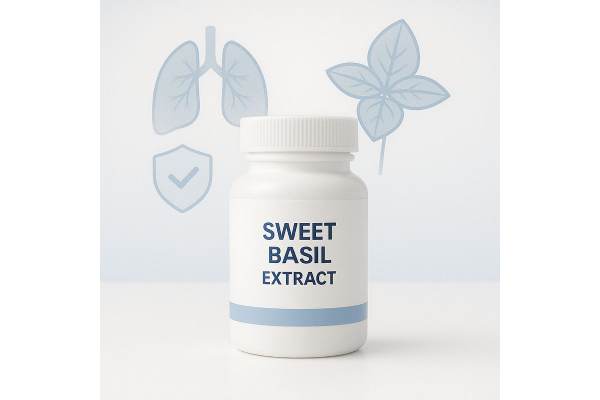
Sweet basil extract takes a familiar kitchen herb and concentrates its active compounds into a form used in supplements, tinctures, and functional foods. Derived from Ocimum basilicum leaves or aerial parts, this extract is rich in aromatic terpenes like linalool and eucalyptol, as well as polyphenols and flavonoids that show antioxidant, antimicrobial, and anti inflammatory activity in laboratory and animal studies.
People are interested in sweet basil extract for immune support, gut and digestive comfort, stress and mood balance, and general wellness. It is also explored in skincare, oral care products, and as a natural preservative in foods. At the same time, it is important to distinguish everyday culinary basil from concentrated extracts and essential oils, which have very different strengths and safety considerations.
This guide walks through what sweet basil extract is, how it seems to work, key potential benefits, typical dosage ranges used in supplements, and common side effects and precautions so you can discuss it more confidently with a health professional.
Sweet basil extract key insights
- Sweet basil extract provides concentrated polyphenols and essential oil components that show antioxidant, antimicrobial, and anti inflammatory effects in experimental studies.
- It is most often used for digestive comfort, immune support, and general wellness, but human clinical evidence is still limited compared with more established herbs.
- Typical sweet basil leaf extract doses in supplements range from about 250 to 1000 mg per day, while concentrated essential oil products should be used at much lower internal doses or only externally.
- People who are pregnant, breastfeeding, on anticoagulant or antiplatelet drugs, or who have known allergies to basil or Lamiaceae plants should avoid sweet basil extract unless a clinician specifically recommends it.
Table of Contents
- What is sweet basil extract?
- Health benefits of sweet basil extract
- Ways people use sweet basil extract
- How much sweet basil extract per day?
- Side effects, safety and interactions
- What the research says today
What is sweet basil extract?
Sweet basil extract is a concentrated preparation made from the leaves and sometimes flowering tops of Ocimum basilicum, the same sweet basil used in many culinary dishes. Unlike dried leaf or fresh herb, an extract typically uses a solvent such as ethanol, water, glycerin, or supercritical carbon dioxide to pull specific groups of compounds from the plant material and concentrate them.
There are three broad forms you will see on labels:
- Leaf or aerial part extract: hydroalcoholic or aqueous extracts that concentrate polyphenols, flavonoids, and other water soluble and moderately fat soluble constituents.
- Essential oil: steam distilled oil rich in volatile terpenes such as linalool, eucalyptol, estragole, and eugenol. This form is very potent and usually used in drops, in aromatherapy, or topically when diluted.
- Standardized extracts: preparations adjusted to contain a defined percentage of one or more marker compounds, for example “standardized to 10 percent rosmarinic acid” or “standardized to 40 percent linalool.”
The plant naturally contains an array of bioactive molecules, including:
- Phenolic acids such as rosmarinic acid and caffeic acid.
- Flavonoids and flavones with antioxidant properties.
- Volatile terpenes and phenylpropenes (linalool, eucalyptol, estragole, eugenol, and others).
- Tannins and other minor constituents that may contribute to antimicrobial and astringent effects.
Growing conditions, soil, climate, and even the specific variety of sweet basil can change the exact profile of the extract. For example, some chemotypes are high in linalool, while others contain more methyl chavicol (estragole). That means two sweet basil extracts from different manufacturers can feel different in use, even at the same milligram dose.
When considering a product, it helps to check:
- Whether it is leaf extract, essential oil, or a combination.
- If it is standardized and to which compounds.
- What part of the plant is used and how it is extracted.
These details affect both potency and the kind of health effects you are likely to notice.
Health benefits of sweet basil extract
Most of what is known about sweet basil extract’s benefits comes from in vitro experiments, animal models, and broader reviews of basil preparations used in traditional medicine. Human clinical trials exist but are fewer and often small. With that in mind, here are the main areas of interest.
Antioxidant support
Sweet basil extracts consistently show strong antioxidant activity in laboratory tests, helping neutralize reactive oxygen species and reduce markers of oxidative damage in cells. The effects are usually linked to phenolic compounds such as rosmarinic acid, caffeic acid, and various flavonoids. In animal models, basil extracts have reduced lipid peroxidation and supported antioxidant enzymes like superoxide dismutase and catalase, which may be relevant for cardiovascular, metabolic, and neurological health over time.
Anti inflammatory activity
Several experimental studies show sweet basil extract can modulate inflammatory pathways in immune cells and animal models. Extracts have been observed to reduce production of pro inflammatory mediators such as nitric oxide and certain cytokines. This anti inflammatory potential underpins interest in basil for joint comfort, low grade systemic inflammation, and possibly recovery after illness, although robust human data are still limited.
Antimicrobial and antiviral properties
Sweet basil essential oil and some solvent extracts inhibit the growth of various bacteria and fungi in vitro, including food spoilage organisms and some pathogens. There is also work exploring antiviral effects against certain respiratory and gastrointestinal viruses in cell models. These findings support the traditional use of basil in food preservation and herbal blends for respiratory or digestive complaints, but they should not be interpreted as a replacement for standard treatment when someone is ill.
Digestive and gut support
Basil has long been used in traditional systems for bloating, mild cramping, and digestive sluggishness. Modern research suggests basil preparations may help modulate gut microflora composition and support barrier function. Laboratory and animal work indicates that basil extracts can shift the balance of gut bacteria and may influence production of short chain fatty acids, which play a role in gut and metabolic health. This is an active area of research rather than established clinical practice.
Stress, mood, and neuroprotection
Some animal and preliminary human research on basil extracts points to anxiolytic (calming) and neuroprotective effects. In rodent models, basil constituents have influenced pathways related to memory, learning, and stress resilience. The aroma of basil essential oil alone may also have relaxing effects in some people when used in aromatherapy. However, sweet basil is less extensively studied than certain other “adaptogenic” herbs, so the evidence is still emerging.
Metabolic and cardiovascular directions
There are early data exploring basil’s impact on blood lipids, blood pressure, and glucose handling in animals and small human studies using different forms of the plant. While results are promising, there is not yet enough consistent evidence to treat sweet basil extract as a stand alone treatment for cardiometabolic diseases. It is more realistic to think of it as a supportive dietary component in the context of broader lifestyle measures.
Overall, sweet basil extract appears to offer a broad spectrum of antioxidant, anti inflammatory, and antimicrobial actions with potential benefits for digestion, immunity, and nervous system balance. Strong, large scale clinical trial evidence is still sparse, so expectations should remain moderate and grounded.
Ways people use sweet basil extract
In practice, sweet basil extract shows up in several different product categories, each with its own emphasis and typical dose.
Dietary supplements
Capsules and tablets containing sweet basil leaf extract are marketed for:
- General antioxidant and immune support.
- Digestive comfort, particularly after meals that tend to cause gas or bloating.
- Stress and mood balance, often in combination with other calming herbs or nutrients.
- Women’s health and hormonal balance in some formulations, especially where basil is part of a broader botanical blend.
These products usually rely on hydroalcoholic or aqueous extracts rather than pure essential oil, and may be standardized to specific phenolic compounds.
Liquid extracts and tinctures
Herbal tinctures or fluid extracts allow flexible dosing and can be taken in water, tea, or juice. They are sometimes used:
- Before or after meals to support digestion.
- Short term at the onset of mild respiratory or digestive discomfort, paired with rest and hydration.
- In custom blends prepared by herbal practitioners for more individualized support.
Because potency varies, the number of drops or milliliters used can differ significantly between brands.
Essential oil and aromatherapy products
Sweet basil essential oil is a very concentrated preparation that is more commonly used:
- In diffusers for aromatherapy, often to promote alert calmness or to freshen indoor air.
- In diluted form in massage oils or topical preparations aimed at muscle comfort or tension relief.
- In some oral care and skincare formulas for its antimicrobial and deodorizing properties.
Undiluted essential oil should not be applied directly to the skin or mucous membranes, and internal use of essential oils should only occur under qualified professional supervision.
Functional foods and beverages
Basil extracts and essential oil are increasingly added to:
- Herbal teas and infusions positioned for relaxation, digestion, or immune support.
- Fortified beverages and shots that highlight “botanical antioxidant support.”
- Natural preservatives in meat, sauces, and plant based products to help slow spoilage and enhance flavor.
In these contexts, the amounts used per serving are typically much lower than in concentrated supplements but can contribute to overall intake of basil phytochemicals.
Topical and cosmetic products
Due to its fragrance and antimicrobial properties, sweet basil extract appears in soaps, shampoos, creams, and serums. In skincare, it is more often included for its antioxidant and fragrance profile than as a primary active ingredient.
Because the form and purpose vary so widely, it is important to read labels carefully, especially to distinguish sweet basil leaf extract from essential oil and to understand whether a product is meant for internal use, external use, or both.
How much sweet basil extract per day?
There is no universally accepted, evidence based daily dose of sweet basil extract for the general population. Most dosage guidance comes from traditional use, typical amounts found in commercial products, and the limited clinical and toxicology data that are available. Always view these ranges as starting points for discussion with a health professional, not as personal medical advice.
For sweet basil leaf extract capsules or tablets
Many commercial supplements providing hydroalcoholic or aqueous leaf extracts fall into the following broad range:
- Single serving: about 250 to 500 mg standardized or non standardized leaf extract.
- Total daily amount: 250 to 1000 mg per day, often divided into one or two doses with meals.
Manufacturers sometimes combine basil with other herbs in smaller amounts per capsule. In that case, the sweet basil extract portion may be closer to 100 to 250 mg per day.
For liquid extracts and tinctures
Potencies vary, but a common pattern for a 1:1 or 1:2 leaf extract (one part herb by weight to one or two parts liquid) is:
- Around 0.5 to 2 mL up to twice daily, diluted in water or juice.
Some practitioners may recommend short term higher doses for acute support, but this should be individualized, especially for people taking medications or managing chronic conditions.
For sweet basil essential oil
Essential oil is far more concentrated than leaf extract. General safety guidelines for internal use of essential oils are restrictive, and many authorities advise against self directed ingestion. Where basil oil is used internally under professional guidance, amounts might be in the range of:
- One to three drops per day, carefully diluted and not taken continuously for long periods.
For most people, using basil essential oil in a diffuser or in properly diluted topical preparations is a safer route than swallowing it.
Dietary intake from food
Regularly eating dishes containing fresh basil, pesto, or basil infused oils typically delivers much lower doses of active compounds than supplement forms. For healthy adults, culinary use is generally considered safe and can be a meaningful contributor to plant polyphenol intake without approaching the exposure seen with concentrated extracts.
General dosage tips
- Start low: When you try a new basil extract product, begin at the low end of the recommended range to check tolerance.
- Take with food: Many people find basil extracts gentler on the stomach when taken with meals.
- Limit duration of high doses: Continuous high dose use without supervision is not advisable, especially with products containing essential oil.
- Adjust for body size, age, and health status: Smaller individuals, older adults, and those with liver or kidney issues may need lower doses or to avoid concentrated extracts entirely.
Because individual responses vary and long term safety data at supplemental doses are limited, conservative dosing and medical guidance are prudent.
Side effects, safety and interactions
Sweet basil as a culinary herb is widely consumed around the world and is generally regarded as safe in typical food amounts. Concentrated extracts and essential oils, however, deserve more careful consideration.
Common, usually mild side effects
When people react to sweet basil extract, they most often report:
- Mild digestive upset such as nausea, stomach discomfort, or loose stools, especially at higher doses or when taken on an empty stomach.
- Headache or lightheadedness in sensitive individuals.
- Skin irritation or redness when topical products containing essential oil are applied without adequate dilution or patch testing.
Allergic reactions
Basil belongs to the Lamiaceae family, which also includes mint, oregano, and sage. People with known allergies to these plants may be more likely to react to basil. Signs of an allergic response can include rash, itching, swelling, or respiratory symptoms. Any signs of difficulty breathing, facial swelling, or throat tightness require urgent medical attention.
Estragole and essential oil concerns
Sweet basil essential oil can contain notable amounts of estragole and related compounds, which have raised questions about genotoxic and carcinogenic potential in some experimental models at very high exposures. Regulatory agencies generally consider culinary use and low dose, short term applications to be of low concern but caution against prolonged, high dose ingestion of estragole rich essential oils, especially in vulnerable groups.
Liver and gastrointestinal tolerance
Animal studies using high doses of basil and other essential oils have shown that very large exposures can damage the stomach lining and liver in rats. These doses are far above what is typically used by humans, but they underline the importance of respecting essential oils as potent substances and not equating them with the safety profile of the whole herb.
Medication interactions
Basil constituents, particularly eugenol and other phenolics, may theoretically interact with medications through:
- Mild antiplatelet or anticoagulant type effects, potentially adding to the impact of blood thinners.
- Effects on blood sugar or blood pressure when combined with antidiabetic or antihypertensive drugs, although strong clinical data are lacking.
- Possible influence on liver enzymes involved in drug metabolism, based on in vitro and animal work.
Because of these possibilities, people on prescription medications should discuss basil extract supplements with their clinician or pharmacist before starting them.
Who should avoid sweet basil extract or use extra caution
- Pregnant and breastfeeding individuals, due to limited safety data for concentrated extracts and essential oils in these groups.
- Children, especially for essential oils and high strength extracts.
- People with bleeding disorders or those taking anticoagulant or antiplatelet medications.
- Anyone with known allergy to basil or related plants in the mint family.
- Individuals with significant liver or kidney disease, unless specifically supervised by a clinician.
If you experience unexpected symptoms after starting a sweet basil extract, such as persistent gastrointestinal distress, skin reactions, or changes in bleeding or bruising, stop the product and seek medical advice.
What the research says today
Research on sweet basil extract has become more active in recent years, with a mix of phytochemical profiling, laboratory experiments, animal studies, and emerging human research.
Phytochemistry and mechanisms
Comprehensive reviews describe sweet basil as a rich source of:
- Terpenoids such as linalool, eucalyptol, and other volatiles that contribute to aroma and antimicrobial effects.
- Phenolic acids including rosmarinic, caffeic, and chicoric acids, associated with antioxidant and anti inflammatory actions.
- Flavonoids and other polyphenols that may modulate cellular signaling pathways related to oxidative stress, inflammation, and immune responses.
These compounds can act both directly as radical scavengers and indirectly by influencing enzymes, transcription factors, and cell membrane properties.
Antimicrobial and antiviral research
Laboratory studies repeatedly show sweet basil extracts and essential oil inhibiting a variety of bacteria, yeasts, and molds, including some associated with food spoilage and infection. There are also promising in vitro data for antiviral effects against selected respiratory and mosquito borne viruses. Researchers are investigating basil constituents as potential leads for new antimicrobial agents and as natural preservatives in food and cosmetic products.
Gut health and digestion
Recent systematic work has examined how basil preparations can influence gut microbiota composition, supporting the growth of beneficial species and promoting the production of short chain fatty acids that benefit colon health and metabolic regulation. This supports the idea that sweet basil extract could be a useful adjunct in functional foods aimed at digestive wellness, though clinical evidence in humans is still building.
Neuroprotective and metabolic directions
Experimental models show that specific basil flavonoids and extracts may protect neurons from certain forms of stress, improve memory performance in animals, and influence signaling related to mood and cognition. Other studies have explored effects on blood lipids, glucose metabolism, and blood pressure. These findings are intriguing but not yet strong enough to define clear therapeutic roles for basil extract in neurological or metabolic diseases.
Safety and toxicology
Toxicology studies in animals using high doses of basil essential oils have helped establish approximate no observed adverse effect levels and highlighted that toxicity becomes a concern mostly at exposures much higher than typical human use. Reviews generally conclude that basil preparations appear safe at reasonable supplemental doses for healthy adults, with the main cautions relating to essential oil ingestion and long term high dose use.
Evidence gaps
For consumers and practitioners, the key limitations to keep in mind are:
- Few large, high quality randomized human trials for specific health outcomes.
- Variation in extract composition between studies, which makes comparison difficult.
- Limited long term safety data for chronic use of concentrated extracts or essential oils.
- Lack of consensus on optimal dose ranges for different target outcomes.
Taken together, the science supports basil extract as a promising multifunctional botanical with antioxidant, antimicrobial, and anti inflammatory effects, but more rigorous human research is needed before strong clinical claims can be made.
References
- Sweet Basil (Ocimum basilicum L.)―A Review of Its Botany, Phytochemistry, Pharmacological Activities, and Biotechnological Development 2023 (Systematic Review)
- Antimicrobial and Other Pharmacological Properties of Ocimum basilicum, Lamiaceae 2024 (Systematic Review)
- A systematic literature review of Ocimum basilicum – A functional ingredient for gut health and industrial food applications 2025 (Systematic Review)
- Toxicity and gastric tolerance of essential oils from Cymbopogon citratus, Ocimum gratissimum and Ocimum basilicum in Wistar rats 2008 (Toxicology Study)
Disclaimer
Information in this article is for general educational purposes and is not a substitute for personalized medical advice, diagnosis, or treatment. Sweet basil extract can affect individuals differently, and its safety and suitability depend on your medical history, medications, allergies, and overall health. Never start, stop, or change any supplement or medication regimen based solely on online information. Always consult a qualified health professional before using sweet basil extract, especially if you are pregnant, breastfeeding, managing a chronic condition, or taking prescription or over the counter medications. In case of concerning symptoms or suspected adverse reactions, seek medical care promptly.
If you found this article useful, please consider sharing it on Facebook, X (formerly Twitter), or any platform you prefer, and follow our work on social media. Your support in sharing helps our team continue to research and create high quality, evidence informed content for readers like you.