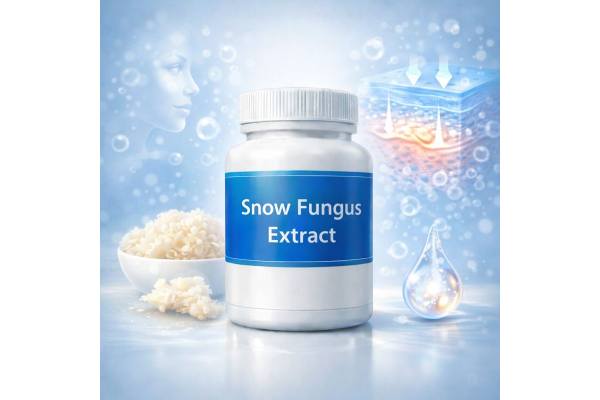
Snow fungus extract, usually derived from the jelly-like mushroom Tremella fuciformis, has moved from traditional soups and tonics into modern supplements and skincare formulas. It is prized for its hydrating polysaccharides, which can hold large amounts of water, and for a growing list of potential benefits for skin health, metabolic balance, immunity, and brain function. Today you will find snow fungus in capsules, functional drinks, and serums, often positioned as a plant-based alternative to hyaluronic acid or as a gentle support for healthy blood sugar and cholesterol levels.
This guide explains what snow fungus extract is, how it works, who may benefit, and how it is used in practice. It also reviews typical dosage ranges, what clinical studies have explored so far, and where the main safety boundaries lie. By the end, you should have a clear, realistic view of what snow fungus extract can and cannot do, and how to discuss it safely with a healthcare professional.
Snow fungus extract key insights
- Snow fungus extract provides water-binding polysaccharides that may support skin hydration, barrier function, and overall skin comfort.
- Oral snow fungus preparations may modestly support metabolic health markers such as blood sugar, cholesterol, and waist circumference in some people.
- Typical supplemental intakes range from about 500 to 1,500 mg snow fungus extract per day or 1 to 3 g dried mushroom equivalent, following product directions.
- People with mushroom allergies, autoimmune disease, complex medication regimens, or who are pregnant, breastfeeding, or preparing for surgery should avoid snow fungus extract unless specifically cleared by a clinician.
Table of Contents
- What snow fungus extract is
- Main benefits of snow fungus extract
- How to use snow fungus extract daily
- Recommended snow fungus extract dosage
- Side effects and who should avoid it
- What science says about snow fungus extract
What snow fungus extract is
Snow fungus extract comes from Tremella fuciformis, an edible, gelatinous mushroom long used in East Asian cuisine and traditional medicine. The fresh fungus looks like a white, frilly jelly and has very little flavor, but it is valued for its slippery texture and presumed “yin-nourishing” and lung-supporting properties in traditional frameworks. Modern production cultivates the mushroom on sawdust substrates and then uses water or aqueous-ethanol extraction to concentrate its key components.
The main active ingredients in snow fungus extract are high–molecular weight polysaccharides. These are complex chains of sugar units, especially glucuronoxylomannan-type structures, that are highly water-soluble and form viscous solutions or gels. This gel-forming capacity underlies many of its cosmetic uses: the polysaccharides act as humectants, attracting and holding water on the skin surface, and creating a light film that slows transepidermal water loss.
Beyond hydration, these polysaccharides show antioxidant and immunomodulatory activity in laboratory and animal studies. They can scavenge reactive oxygen species, influence inflammatory signaling pathways, and interact with immune cells such as macrophages and natural killer cells. In traditional and modern nutraceutical products, snow fungus is often positioned alongside other “functional mushrooms,” but it is somewhat unique in being particularly associated with beauty-from-within, lung moistening, and metabolic support.
Commercial extracts vary widely. Some products standardize to a minimum polysaccharide content (for example, 10–30%), while others list only a generic “Tremella fuciformis extract.” Formulations may use whole-mushroom powders, purified polysaccharide fractions, or enzymatically modified derivatives designed to improve solubility and absorption. Because of this variability, two products with the same milligram dose can have very different biological effects.
Overall, snow fungus extract is best understood as a concentrated, polysaccharide-rich preparation of an edible mushroom with a long history of culinary use and a growing evidence base in cosmetic, metabolic, and cognitive health research.
Main benefits of snow fungus extract
Interest in snow fungus extract centers on three main areas: skin health, metabolic balance, and brain or mood support. These potential benefits arise from overlapping mechanisms, particularly the hydrating and immunomodulatory actions of its polysaccharides.
For the skin, snow fungus extract is widely used in topical serums and creams aimed at hydration and barrier support. Its long-chain polysaccharides bind water in a way that is often compared with hyaluronic acid, though the exact structure is different. When applied to the skin, these molecules can form a soft film that helps retain moisture, which may translate into smoother texture, reduced flakiness, and a plumper appearance in properly formulated products. Oral supplements may also indirectly support skin comfort by influencing systemic hydration, inflammation, and oxidative stress, although evidence here is still emerging.
Metabolically, early human data suggest snow fungus may help certain individuals with markers related to prediabetes and cardiovascular risk. In clinical research, daily intake of a snow fungus–based beverage has been associated with modest improvements in glycated hemoglobin (HbA1c) and waist circumference in overweight adults with prediabetes after several weeks of use, without major safety concerns. Animal and mechanistic studies complement these findings, indicating possible support for glucose regulation, insulin sensitivity, and lipid metabolism, likely mediated through soluble fiber–like effects and interactions with gut microbiota.
Another exploratory area is brain function and mood. In one controlled trial, oral Tremella fuciformis supplementation over several weeks in adults with subjective cognitive complaints was associated with improvements in self-reported memory and certain cognitive test scores. These outcomes may relate to antioxidant activity, support of neuronal resilience, or indirect effects on vascular health and inflammation. While promising, such data are still preliminary and not a basis for using snow fungus as a stand-alone treatment for cognitive disorders.
Preclinical research further suggests potential benefits for immune balance, stress resilience, and liver protection, but most of these findings come from cell or animal models. They help explain why traditional systems regarded snow fungus as a gentle tonic for vitality and recovery, yet they should be translated into human expectations with caution.
In practical terms, people are most likely to notice snow fungus extract through improvements in skin hydration and comfort, small changes in metabolic markers when part of broader lifestyle efforts, and a general sense of wellbeing, rather than dramatic or rapid effects.
How to use snow fungus extract daily
Snow fungus extract is available in several forms, and how you use it depends on your goals and lifestyle. The three most common routes are oral supplements, functional foods or beverages, and topical skincare.
Oral supplements usually come as capsules, tablets, or powders standardized to a certain amount of Tremella fuciformis extract. These products are generally used for metabolic support, immune balance, or beauty-from-within routines. They are often taken once or twice per day with meals to reduce the chance of digestive discomfort. Powders can be mixed into smoothies, teas, or soups, which may be helpful for people who have difficulty swallowing capsules.
Functional foods and beverages build snow fungus into daily nutrition. In East Asian cuisines, dried snow fungus is commonly rehydrated and simmered into dessert soups with jujubes and longan, or added to savory soups and stews. Modern versions may include ready-to-drink beverages or sachets that combine Tremella-derived polysaccharides with vitamins, collagen, or other mushrooms. These preparations are popular for individuals who prefer to “eat their supplements” rather than take pills, but they can also provide added sugars or flavorings, so labels should be checked carefully.
Topical use focuses on hydration and skin barrier support. Snow fungus extract appears in serums, creams, and sheet masks, sometimes marketed as a botanical alternative to hyaluronic acid. For these products, it is usually applied after cleansing and before or mixed with a moisturizer, once or twice daily depending on sensitivity. Layering it with a gentle moisturizer and sunscreen is a common approach in routines focused on soothing, plumping, and protecting the skin.
When integrating snow fungus into a broader regimen, it is useful to:
- Start with one route (for example, oral or topical) rather than several at once, so that you can distinguish effects and tolerability.
- Keep other variables—such as diet, skincare actives, or new medications—stable for a few weeks when you first introduce it.
- Use it consistently for at least 6 to 8 weeks before judging its subtle effects on skin texture or metabolic markers, since these outcomes change gradually.
Because product quality varies, choosing supplements or cosmetics from manufacturers that provide clear ingredient lists, extraction methods, and quality testing is important. For health-related uses, particularly if you have ongoing conditions, it is advisable to discuss snow fungus with a healthcare professional who can review ingredients, dosing, and interactions in the context of your overall plan.
Recommended snow fungus extract dosage
There is currently no universally accepted standard dose for snow fungus extract. Most guidance comes from clinical studies, traditional food usage, and manufacturer recommendations. It is therefore best to think in terms of typical ranges rather than a single “correct” amount.
In controlled human research with Tremella fuciformis supplements, daily doses of 600 mg and 1,200 mg of extract have been used for about 8 weeks in adults, divided into one or two doses per day. These amounts appeared generally well tolerated in the populations studied. Another clinical trial used a once-daily beverage containing a standardized amount of Tremella-derived β-glucan over 12 weeks in overweight individuals with prediabetes, again without significant safety signals in that context.
Commercial orally ingested products often fall within similar ranges. Common patterns include:
- Capsules or tablets providing 250 to 600 mg of snow fungus extract each, with labels suggesting one to three servings daily.
- Powders recommending about 1 to 3 g of dried Tremella fuciformis or equivalent extract per day, sometimes combined with other mushrooms or botanicals.
- Functional drinks standardized to a daily dose of Tremella polysaccharides as part of a broader formulation.
As a conservative starting point for otherwise healthy adults, staying near the lower end of these ranges—around 500 to 1,000 mg of standardized extract per day, or roughly 1 to 2 g dried mushroom equivalent—can be reasonable while monitoring for individual response. Dose adjustments upward should always respect product directions and be discussed with a healthcare professional, especially when other medications or conditions are involved.
For topical skincare, dosage is driven by product formulation and frequency of application rather than milligrams. A serum or cream that lists Tremella fuciformis polysaccharide among the first several ingredients typically contains a functionally relevant amount for hydration. Using a thin layer once or twice daily on clean skin is usually sufficient.
Special populations require extra caution. Older adults, those on multiple medications, or individuals with chronic illnesses should often start at half the usual supplemental dose, under professional supervision, and may need laboratory monitoring if snow fungus is used specifically to support metabolic parameters.
In all cases, snow fungus should be viewed as an adjunct to, not a replacement for, core strategies such as balanced nutrition, physical activity, stress management, and evidence-based medical therapy.
Side effects and who should avoid it
As an edible mushroom, snow fungus has a long history of safe culinary use. Modern clinical studies of snow fungus–derived supplements and beverages have generally reported good tolerability over periods of 8 to 12 weeks. Nevertheless, side effects and contraindications are still important to understand, particularly when using concentrated extracts.
The most commonly reported adverse experiences are mild digestive symptoms. These may include bloating, soft stools, or transient stomach discomfort, especially when starting higher doses or taking products on an empty stomach. Taking capsules with food and beginning at a lower dose can reduce these issues for many people.
Allergic reactions are possible, especially in individuals with known sensitivity to mushrooms or molds. Signs may include skin itching, rash, swelling of the lips or tongue, or respiratory symptoms. Anyone experiencing such reactions after ingesting or applying snow fungus extract should stop use immediately and seek medical help. People with a history of anaphylaxis to mushrooms should avoid snow fungus entirely.
Because snow fungus polysaccharides may influence blood sugar regulation and lipid metabolism, there is a theoretical risk of additive effects when combined with antidiabetic or lipid-lowering medications. While serious interactions have not been widely reported, individuals taking drugs such as metformin, sulfonylureas, insulin, statins, or fibrates should only introduce snow fungus under medical supervision, with appropriate monitoring of glucose and lipid levels.
Additional caution is warranted in the following groups:
- Pregnant or breastfeeding individuals, because high-quality safety data for concentrated extracts in these populations are lacking.
- People with autoimmune conditions or those taking immunosuppressive therapies, since immunomodulatory polysaccharides could, in theory, alter immune responses.
- Individuals scheduled for surgery, where any supplement that might affect bleeding risk, blood sugar control, or immune function is typically paused in advance.
Topical products may occasionally cause irritation or breakouts, particularly if combined with strong acids, retinoids, or fragrances. Performing a small patch test on the inner forearm or behind the ear for several days before using a new serum or cream on the face is a simple way to check tolerance.
Overall, snow fungus extract is considered low-to-moderate risk for most healthy adults when used at typical doses for limited durations. The safest approach is to treat it like any other active supplement: disclose its use to your healthcare providers, observe your body’s response, and discontinue it if unusual or concerning symptoms appear.
What science says about snow fungus extract
Modern research on snow fungus extract has expanded rapidly in recent years, especially around its polysaccharides. While the evidence base is still developing, several themes are emerging from laboratory, animal, and early human studies.
At the mechanistic level, snow fungus polysaccharides demonstrate strong water-binding, film-forming, and antioxidant properties. In cell models, they can protect against oxidative stress, modulate inflammatory mediators, and support the function of immune cells. Their large, branched structures also resemble those of known soluble fibers and β-glucans, suggesting a role in gut microbiota modulation and barrier support.
In metabolic health, a controlled human trial in adults with prediabetes showed that a once-daily beverage containing Tremella-derived β-glucan led to small but statistically significant improvements in HbA1c and waist circumference over 12 weeks, with no serious adverse events reported. These results align with earlier animal work indicating benefits for blood sugar control, insulin sensitivity, and lipid profiles when snow fungus polysaccharides are added to the diet, although more and larger trials are needed to confirm clinical relevance.
In cognitive health, a randomized, double-blind, placebo-controlled study in adults with subjective cognitive impairment used daily Tremella fuciformis extract at doses of 600 mg and 1,200 mg for 8 weeks. Participants receiving the extract showed improvements in subjective memory complaint scores and certain objective cognitive tests compared with placebo. These findings are intriguing, but they are limited to a specific population and timeframe and do not establish snow fungus as a treatment for diagnosed neurodegenerative conditions.
Preclinical work also supports potential anti-stress and neuroprotective roles. In animal models, enzymatically modified Tremella polysaccharides have been associated with reduced stress-related behaviors, more favorable stress hormone patterns, and protection against certain forms of neuronal injury. These studies help explain some of the traditional uses of snow fungus for vitality and resilience but cannot be directly extrapolated to humans without further research.
In dermatology and cosmetics, in vitro and small human studies suggest that topical and oral snow fungus preparations can increase skin hydration, improve barrier function, and reduce markers of oxidative stress and inflammation in the skin. Because these trials are often small and funded by product developers, their results must be considered preliminary, yet they are consistent with the known physical and biochemical properties of Tremella polysaccharides.
The overall scientific picture is that snow fungus extract is a promising, multi-functional ingredient with supportive evidence in several domains, but one that still requires larger, longer, and more independent clinical trials. For now, it is best framed as a complementary tool—often focused on skin and metabolic support—within a broader, evidence-based health strategy.
References
- Recent advances in polysaccharides from Tremella fuciformis: isolation, structures, bioactivities and application 2025 (Systematic Review)
- Structure, bioactivities and applications of the polysaccharides from Tremella fuciformis mushroom: A review 2019 (Systematic Review)
- A review on the production, structure, bioactivities and applications of Tremella polysaccharides 2021 (Systematic Review)
- Tremella fuciformis beverage improves glycated hemoglobin A1c and waist circumference in overweight or obese prediabetic subjects: a randomized controlled trial 2024 (RCT)
- Efficacy and Safety of Tremella fuciformis in Individuals with Subjective Cognitive Impairment: A Randomized Controlled Trial 2018 (RCT)
Disclaimer
The information in this article is for educational purposes only and is not a substitute for personal medical advice, diagnosis, or treatment. Snow fungus extract is a bioactive supplement that may interact with medications or underlying health conditions. Always consult a qualified healthcare professional before starting, stopping, or changing any supplement, especially if you are pregnant or breastfeeding, have a medical condition, or take prescription or over-the-counter medicines. Never delay or disregard professional medical guidance because of information you read online.
If you found this article helpful, you are warmly invited to share it on Facebook, X (formerly Twitter), or any platform you prefer, and to follow our work on social media. Your support through thoughtful sharing helps our team continue to research, write, and update high-quality health content for readers around the world.