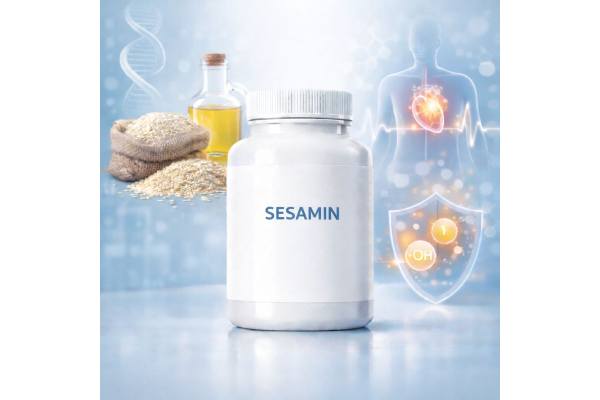
Sesamin is a fat-soluble plant compound found mainly in sesame seeds and sesame oil. It belongs to a family of lignans that have attracted interest for their possible effects on blood pressure, cholesterol, inflammation, liver health, and even sleep quality. Early human trials suggest that sesamin may modestly improve certain cardiovascular risk markers and oxidative stress when taken in standardized doses, while animal and cell studies point to broader antioxidant and anti-inflammatory actions.
At the same time, sesamin is not a miracle cure and the clinical evidence is still limited. Most trials are small, short in duration, and often use combinations of sesame lignans or sesame oil rather than pure sesamin alone. This guide walks you through what sesamin is, how it appears to work, what benefits are supported by current evidence, how people typically take it, safety considerations, and how to evaluate supplements realistically alongside medical care and lifestyle changes.
Key Insights on Sesamin
- Sesamin and sesame lignan supplements can modestly improve triglycerides, blood pressure, and oxidative stress markers in some human studies.
- The evidence base is still small and mixed, so sesamin should be seen as a supportive add-on rather than a replacement for prescribed treatments.
- Typical supplemental intakes range from about 10–200 mg sesamin (or sesame lignans) per day, often taken with food containing fat.
- People with sesame allergy, bleeding disorders, pregnancy, serious chronic illness, or multiple medications should avoid sesamin or use it only under medical supervision.
Table of Contents
- What is sesamin and how does it work?
- What are the proven benefits of sesamin?
- How to take sesamin for best results
- Who may benefit from sesamin?
- Sesamin side effects and safety precautions
- How to choose a quality sesamin supplement
What is sesamin and how does it work?
Sesamin is one of the major lignans naturally present in sesame (Sesamum indicum) seeds and refined sesame oil. Lignans are plant polyphenols with a distinctive two-ring structure. In sesame, sesamin typically co-occurs with related compounds such as episesamin, sesamolin, and sesamol. When sesame oil is refined and further processed, manufacturers can concentrate sesamin into standardized ingredients used in dietary supplements.
In food form, a tablespoon of sesame seeds or a drizzle of sesame oil contributes only a small amount of sesamin. Supplements, by contrast, may deliver tens to a couple of hundred milligrams per day in a single capsule or softgel. Some products use pure sesamin, while others provide a “sesame lignan complex” that combines sesamin with episesamin or other lignans, sometimes together with vitamin E.
After oral intake, sesamin is absorbed in the small intestine and rapidly metabolized in the liver into catechol-type metabolites (such as SC1). These metabolites, rather than sesamin itself, appear to be responsible for much of the antioxidant and anti-inflammatory activity seen in experimental models. They can enhance the body’s own defense systems by up-regulating enzymes involved in detoxification and antioxidant protection, and by modulating cell signaling pathways related to inflammation and oxidative stress.
Laboratory and animal studies suggest several potential mechanisms:
- Supporting antioxidant defenses by boosting enzymes like glutathione-related systems and reducing markers of lipid peroxidation.
- Modulating inflammatory pathways, including NF-κB and related cytokines, which may influence vascular health, joint inflammation, and immune responses.
- Influencing lipid and energy metabolism via nuclear receptors such as PPARs, which can affect how the body handles fats and glucose.
- Promoting healthier endothelial function (the lining of blood vessels) and nitric oxide bioavailability, which may be relevant for blood pressure regulation.
Human pharmacokinetic work indicates that repeated daily doses around 50 mg of sesame lignans do not accumulate in the body over several weeks, and peak blood levels occur several hours after ingestion. This supports once- or twice-daily dosing with meals rather than more frequent dosing.
Overall, sesamin is best understood as a bioactive component of sesame with systemic antioxidant and anti-inflammatory potential, but its real-world clinical impact depends on dose, formulation, and the health context in which it is used.
What are the proven benefits of sesamin?
Most of what we know about sesamin’s effects comes from a combination of animal experiments, mechanistic cell studies, and a modest number of human trials using either purified sesamin, sesame lignan mixtures, or sesame-rich foods. The clearest human data relate to cardiovascular risk factors, oxidative stress, and certain symptoms such as joint pain and sleep quality.
Cardiovascular risk factors (blood pressure, lipids, obesity)
A recent systematic review and meta-analysis of randomized controlled trials found that sesamin supplementation in humans can lead to small but measurable improvements in several markers: modest reductions in systolic blood pressure, triglycerides, and body weight in some studies, with less consistent effects on LDL and HDL cholesterol. Most included trials used doses between roughly 60 and 200 mg per day of sesamin or sesame lignans for 4–12 weeks.
These effects are not dramatic; they resemble the magnitude of change often seen with other nutraceuticals. However, when combined with diet, exercise, and medical therapy, even small improvements in blood pressure or triglycerides may contribute to long-term cardiovascular risk reduction.
Inflammation, pain, and joint health
Sesamin has been explored as an adjunct for inflammatory conditions, particularly rheumatoid arthritis. In one clinical study in women with rheumatoid arthritis, sesamin (around 200 mg/day) added to standard treatment improved inflammatory markers and reduced tender joint counts over several weeks. Experimental work also shows antinociceptive (pain-modulating) and anti-inflammatory actions in animal models, which may help explain the clinical findings, although more large-scale human trials are needed.
Sleep quality and oxidative stress
Newer research has looked at sesamin’s effects on sleep and oxidative stress in people with or at risk for obstructive sleep apnea. In a recent double-blind crossover trial, approximately 94 mg/day of sesamin for eight weeks improved subjective sleep quality scores and reduced daytime sleepiness, while also enhancing antioxidant enzyme activity and lowering markers of lipid peroxidation. This suggests sesamin may support sleep in specific populations where oxidative stress is elevated, though it should not replace established treatments such as CPAP when indicated.
Metabolic and organ-protective effects
Preclinical studies show that sesamin can protect liver and kidney tissue from chemically induced damage, improve insulin sensitivity, and regulate fat accumulation in experimental models. These findings are promising for metabolic syndrome, fatty liver, and diabetic complications, but human data are still sparse. For now, these effects should be viewed as potential rather than confirmed clinical benefits.
Taken together, current evidence supports sesamin as a modest adjunct for improving certain cardiometabolic markers and inflammatory symptoms, with additional benefits for oxidative stress in select groups. It should be framed as a supportive tool rather than a stand-alone therapy.
How to take sesamin for best results
Because sesamin is fat-soluble and rapidly metabolized, how and when you take it can influence its effectiveness. Human trials and pharmacokinetic data provide several practical guidelines.
Typical supplemental doses
Clinical studies have used a range of doses, most often between about 10 and 200 mg per day of sesamin or total sesame lignans:
- Around 10 mg/day in combination with vitamin E and other nutrients in fatigue and oxidative stress studies.
- 50 mg/day of mixed sesame lignans (often sesamin plus episesamin) over several weeks in healthy adults, with good tolerability.
- 60–200 mg/day of sesamin in capsules for cardiometabolic outcomes and inflammatory joint conditions.
- Approximately 94 mg/day in the sleep and obstructive sleep apnea risk trial.
For general wellness or cardiovascular support, many practitioners consider 50–200 mg/day (often split into one or two doses with meals) as a typical supplemental range for adults, provided there are no contraindications and medical care is in place for existing conditions. Higher doses have been studied short-term under clinical supervision but should not be self-prescribed.
Timing and with-food use
Sesamin is best taken with food that contains some fat, such as a main meal, to support absorption. Because blood concentrations peak several hours after ingestion and there is no evidence of accumulation at moderate doses, once-daily dosing with the largest meal or twice-daily dosing with breakfast and dinner are both reasonable patterns. Consistency over weeks is more important than exact timing within a day.
Sesame foods versus supplements
Eating sesame seeds, tahini, or sesame oil contributes not only sesamin but also healthy fats, fiber, and other phytonutrients. However, the amount of sesamin per serving of food is relatively modest and highly variable depending on processing and seed variety. If a trial used 100 mg/day of sesamin, replicating that with food alone might require large, daily quantities of sesame products that significantly change calorie intake and fat composition.
For people who already enjoy sesame as part of their diet, keeping it in rotation is reasonable. When someone is specifically targeting a standardized sesamin dose (for example, 60–100 mg/day as studied in trials), a supplement allows predictable intake without major dietary shifts.
Combining with other strategies
Sesamin seems to work best as part of a broader cardiometabolic or anti-inflammatory plan that includes:
- Blood pressure and lipid management (medications if prescribed).
- Weight management, physical activity, and diet quality.
- Adequate sleep and stress reduction strategies.
Any decision to add sesamin should be discussed with a healthcare professional, especially when multiple medications or conditions are involved.
Who may benefit from sesamin?
Sesamin is not appropriate for everyone, but certain groups may be more likely to benefit when it is used thoughtfully alongside standard care.
Adults with mild to moderate cardiometabolic risk
People with elevated blood pressure, borderline or moderately abnormal lipids, abdominal obesity, or early metabolic syndrome who are already working on diet, exercise, and medical treatment may see incremental improvements from sesamin. The evidence suggests small but favorable shifts in triglycerides, body weight, and blood pressure in some individuals. This is most relevant for adults who tolerate sesame foods well and have no bleeding or allergy concerns.
Individuals with chronic inflammation or joint symptoms
People with inflammatory joint disease, such as rheumatoid arthritis, who are under specialist care may benefit from sesamin as an adjunct. The goal in this context is symptom relief and better inflammatory marker profiles, not replacement of disease-modifying therapies. Sesamin’s anti-inflammatory and immunomodulatory actions in experimental models align with the limited clinical findings in this area.
Patients at risk for oxidative stress–related conditions
Groups with high oxidative stress – for example, those with obstructive sleep apnea risk, diabetes, or hypertension – are the focus of much of the emerging sesamin research. In the sleep study, participants with low arousal threshold sleep apnea risk experienced both improved sleep questionnaires and better antioxidant status. While this is a specific population, it raises the possibility that sesamin might support oxidative balance in other high-stress contexts under professional guidance.
Health-conscious adults seeking targeted support
Some otherwise healthy adults may choose sesamin for its potential antioxidant and vascular effects, especially if they already consume sesame foods and tolerate them well. For these individuals, a modest dose within the studied range, combined with routine check-ups and lifestyle measures, is a more prudent approach than aggressive dosing.
Who is less likely to benefit?
People expecting dramatic changes in cholesterol, weight, or blood pressure from sesamin alone are likely to be disappointed. The compound’s effects are subtle and should be framed as “fine-tuning” rather than major treatment. Individuals unwilling to address diet, physical activity, and sleep will almost certainly see minimal impact.
In all cases, decisions about sesamin should be anchored in a comprehensive view of health risks, current medications, and personal preferences, ideally with input from a physician or dietitian who can monitor markers over time.
Sesamin side effects and safety precautions
Compared with many pharmacologic agents, sesamin has shown a favorable short-term safety profile in human studies. However, “generally well tolerated” does not mean “risk-free,” and long-term, high-dose data are still limited.
What human studies report
Multiple trials in healthy adults and in people with conditions such as fatigue, rheumatoid arthritis, and cardiometabolic risk factors have used daily intakes around 10–200 mg of sesamin or mixed sesame lignans for 4–12 weeks. Across these studies, serious adverse events have not been attributed to sesamin, and overall tolerability has been comparable to placebo.
A pharmacokinetic and safety study in healthy volunteers taking 50 mg/day of sesame lignans for 28 days found no evidence of accumulation and no clinically relevant changes in standard safety labs. Longer-term consumption of sesame-lignan-containing products for general health has also been reported without major safety concerns, though detailed data are less robust.
Possible side effects
Most reported side effects are mild and nonspecific, similar to many supplements. These may include:
- Digestive discomfort (bloating, nausea, or soft stools).
- Headache or mild dizziness in sensitive individuals.
- Rare allergic reactions in those with sesame sensitivity (more common with sesame-containing foods than with purified sesamin, but still a concern).
Anyone experiencing persistent or severe symptoms should discontinue use and seek medical advice.
Potential interactions and cautions
- Blood pressure and heart medications: Because sesamin can slightly lower blood pressure and affect vascular function, it may theoretically enhance the effect of antihypertensive drugs. Monitoring is advisable in people on multiple blood pressure medications.
- Anticoagulants and antiplatelet agents: Animal data suggest anti-thrombotic properties for sesame components. People using warfarin, direct oral anticoagulants, or antiplatelet drugs should only consider sesamin under medical supervision.
- Glucose-lowering drugs: Sesamin may influence insulin sensitivity and glucose metabolism. Those with diabetes or on hypoglycemic agents need monitoring for any changes in glucose control.
- Liver and kidney disease: Although preclinical data indicate potential organ-protective effects, people with established liver or kidney disease should not self-prescribe sesamin, as altered metabolism and clearance could change risk–benefit balance.
Who should avoid or defer sesamin?
- Individuals with known sesame allergy or a history of severe food allergies.
- Pregnant or breastfeeding women (due to insufficient safety data).
- Children and adolescents under 18 unless specifically advised by a pediatric specialist.
- People with bleeding disorders, upcoming surgery, or those on multiple drugs affecting clotting or blood pressure.
In short, sesamin appears low-risk at typical supplemental doses in otherwise healthy adults, but careful consideration of allergies, medications, and chronic conditions remains essential.
How to choose a quality sesamin supplement
If you and your healthcare provider decide that sesamin makes sense for your situation, the next challenge is selecting a product that is both effective and safe. Quality can vary, and labels are not always straightforward.
Check the active ingredient and dose
Look for supplements that clearly state:
- The amount of sesamin per serving (in mg).
- Whether the dose refers to pure sesamin or total sesame lignans (for example, sesamin plus episesamin).
- The serving size (number of capsules or softgels needed to reach that dose).
Aim for products whose daily recommended intake falls within the ranges used in human studies (roughly 50–200 mg/day for adults), unless you have specific medical guidance to do otherwise. Be cautious with products that promote vague “proprietary blends” without disclosing exact sesamin content.
Consider the formulation
Sesamin often appears in one of three forms:
- Pure sesamin capsules or softgels: Provide predictable, isolated dosing.
- Sesame lignan complexes: Combine sesamin with episesamin or other lignans, sometimes with vitamin E. These formulations are common in research and may leverage synergistic antioxidant effects.
- Sesame oil–based products: Typically provide lower and more variable sesamin content unless explicitly standardized.
For most people seeking evidence-based dosing, a standardized lignan product (with clearly labeled mg amounts) is more useful than an unstandardized oil.
Look for third-party testing and transparency
Choose brands that:
- Use independent, third-party testing for purity, potency, and contaminants (such as heavy metals or solvents).
- Provide certificates of analysis on request or via their website.
- Disclose all excipients (fillers, capsule materials, allergens) clearly.
Avoid products making exaggerated claims like “cures hypertension” or “replaces statins,” as this suggests poor scientific grounding and aggressive marketing.
Match the product to your needs
- If your goal is cardiometabolic support, formulations studied for blood pressure and lipid effects (often sesamin with episesamin or vitamin E) may be more appropriate.
- For inflammatory conditions or sleep-related oxidative stress, look for products with doses similar to those used in relevant clinical trials and ensure your doctor is aware of the exact formulation.
Finally, remember that supplement quality does not compensate for lack of medical oversight. Even the best-made sesamin product should be integrated into a monitored plan that tracks blood pressure, lipid profiles, inflammatory markers, and symptom changes over time.
References
- The Effects of Sesamin Supplementation on Obesity, Blood Pressure, and Lipid Profile: A Systematic Review and Meta-Analysis of Randomized Controlled Trials, 2022 (Systematic Review)
- Health benefits of sesamin on cardiovascular disease and its associated risk factors, 2020 (Review)
- Immunomodulatory and anti-inflammatory effects of sesamin: mechanisms of action and future directions, 2022 (Review)
- Effects of sesamin on sleep quality and the antioxidative status in patients with low arousal threshold obstructive sleep apnea syndrome and those at risk of obstructive sleep apnea syndrome, 2024 (RCT)
Disclaimer
The information in this article is for educational purposes only and is not a substitute for personalized medical advice, diagnosis, or treatment. Sesamin and other dietary supplements can interact with medications and underlying health conditions, and their effects vary between individuals. Always consult a qualified healthcare professional before starting, stopping, or changing any supplement, especially if you are pregnant, breastfeeding, have chronic illness, or take prescription or over-the-counter medications. Never delay or disregard professional medical advice because of something you have read here.
If you found this guide useful, you are warmly invited to share it with others on Facebook, X (formerly Twitter), or any platform you prefer, and to follow our work on social media. Your thoughtful sharing helps support our team in continuing to create careful, evidence-based health content.