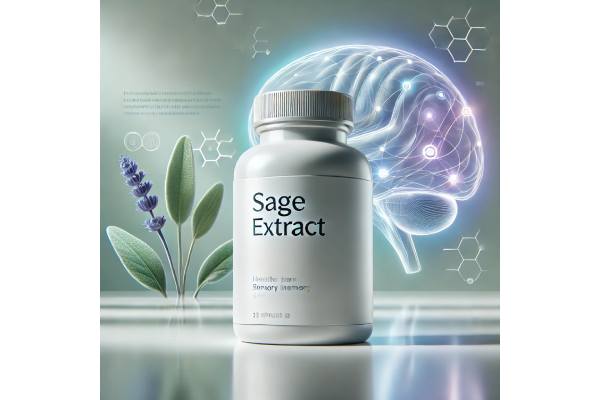
Sage extract, made from the leaves of Salvia officinalis, has moved from the kitchen into capsules, tinctures, and standardized herbal supplements. Traditionally used for digestion, sore throats, and memory, sage is now being studied for its effects on cognition, menopausal hot flashes, blood sugar, and cholesterol. Early human trials suggest that concentrated sage preparations may modestly improve memory and attention, ease some menopause-related symptoms, and support metabolic health in certain people, although the evidence is still limited and not definitive.
At the same time, sage is not a harmless “kitchen spice in a pill.” Its essential oil contains thujone, a compound that can cause neurological toxicity in high doses, and some extracts can affect blood sugar and interact with medications. This guide walks you through what sage extract is, how it seems to work, where the evidence is strongest, how people typically take it, and what to know about safety before you consider using it.
Quick Overview for Sage Extract
- Sage extract may modestly support cognitive performance and attention in some adults.
- Standardized sage preparations can reduce the frequency of menopausal hot flashes in some women.
- Common supplemental ranges in studies are about 150–600 mg standardized sage extract one to three times daily.
- High-dose sage essential oil and very long-term use of strong extracts may increase the risk of neurological side effects.
- People who are pregnant, breastfeeding, prone to seizures, or taking blood sugar or CNS-active medications should avoid self-prescribing sage extract.
Table of Contents
- What is sage extract and how it works
- What are the main benefits of sage extract
- How to take sage extract dosage and timing
- Forms of sage extract and how to choose
- Side effects, interactions, and who should avoid sage extract
- What research still does not tell us about sage extract
What is sage extract and how it works
When people talk about “sage extract,” they usually mean a concentrated preparation of Salvia officinalis leaves, not the whole culinary herb. Manufacturers use different solvents (commonly water and ethanol) to pull out active compounds, then concentrate and standardize them. Many products specify a “drug-extract ratio” (DER), such as 4–7:1, meaning 4–7 parts dried leaf used to make 1 part extract.
Key groups of compounds in sage include:
- Essential oil components: thujone, camphor, 1,8-cineole, and other terpenes, often linked to aroma and some neurological effects.
- Phenolic acids and polyphenols: especially rosmarinic acid and caffeic acid, with antioxidant and anti-inflammatory actions.
- Flavonoids and diterpenes: which may influence vascular tone, enzyme activity, and cellular signaling.
Several mechanisms have been proposed to explain sage’s effects:
- Cholinesterase inhibition: Some components inhibit acetylcholinesterase, the enzyme that breaks down acetylcholine, a key neurotransmitter for memory and attention. This is the same pathway targeted by several Alzheimer’s drugs, though sage’s effect appears milder.
- GABA and other neurotransmitters: Terpenoids in sage may modulate GABA and other neurotransmitter systems that influence mood, anxiety, and sleep.
- Antioxidant and anti-inflammatory actions: Polyphenols can reduce oxidative stress and inflammatory signaling in the brain, blood vessels, and metabolic tissues.
- Metabolic effects: Extracts may influence insulin sensitivity, glucose uptake, and lipid metabolism, partly via pathways that overlap with some antidiabetic drugs.
It is important to note that sage tea, culinary sage, standardized leaf extracts, and essential oil are not interchangeable. Essential oil is highly concentrated in volatile compounds (including thujone), while many encapsulated extracts emphasize polyphenols and reduce thujone content. Safety and potential benefits depend heavily on the exact preparation and dose.
What are the main benefits of sage extract
The clinical evidence for sage extract is still limited, but several key areas have been studied in humans.
1. Cognitive function and brain health
Small randomized trials in healthy adults suggest that standardized sage extracts can improve certain aspects of memory, attention, and mental processing speed over the short term, with some benefits persisting over several weeks of daily use. These effects are typically modest rather than dramatic, and they vary among individuals.
Possible practical outcomes reported in trials include:
- Better performance on working memory tasks
- Improved accuracy on attention and recall tests
- Less mental fatigue during demanding cognitive tasks
In people with mild to moderate Alzheimer-type dementia, some sage preparations have shown small improvements in cognitive scores and daily function in short- to medium-term studies. These findings are encouraging but not strong enough to recommend sage extract as a stand-alone or primary treatment.
2. Menopausal hot flashes and related symptoms
Systematic reviews of clinical trials indicate that sage preparations (often 100 mg capsules or liquid extracts taken daily) can reduce the frequency and sometimes the severity of menopausal hot flashes. In several studies, women taking sage experienced:
- Fewer hot flashes per day over 4–8 weeks
- Reduced intensity of hot flashes in many, though not all, participants
- Some improvements in sleep and overall menopause symptom scores
Sage extract is not as well-studied as conventional hormone therapy, and it should not be seen as a direct replacement. However, it may be an option some women discuss with their clinician when looking for non-hormonal approaches.
3. Blood sugar, cholesterol, and metabolic markers
Clinical trials in adults with type 2 diabetes or mixed hyperlipidemia have used sage leaf extracts (often 500 mg capsules three times daily) and reported:
- Reduced fasting glucose and glycosylated hemoglobin (HbA1c)
- Lower total cholesterol, triglycerides, and LDL cholesterol
- Modest increases in HDL cholesterol
These studies were relatively short and involved small groups, and most participants were also using standard medications and lifestyle measures. Sage extract should therefore be viewed as a potential adjunct, not a replacement for prescribed therapies or lifestyle changes.
4. Traditional and emerging uses
Beyond these areas, sage extract is traditionally used for:
- Mild digestive discomfort and bloating
- Excessive sweating
- Sore throat and minor mouth and throat inflammation
Modern evidence for these uses remains mostly observational or based on traditional practice, with fewer rigorous trials.
How to take sage extract dosage and timing
There is no single universally accepted “standard dose” of sage extract. Dosage depends on the preparation, the reason for use, and individual factors such as age, body weight, and other health conditions. Still, patterns from clinical studies and official monographs give some practical reference points.
Common supplemental ranges used in studies
- Cognitive support in healthy adults
- Standardized leaf extracts providing approximately 300–600 mg once or twice daily.
- Some trials use specialized proprietary extracts combining different Salvia species; these are not directly interchangeable with generic sage products.
- Menopausal hot flashes
- Products often provide 100–300 mg standardized sage extract once or twice daily, sometimes titrated based on symptom response over 4–8 weeks.
- Blood sugar and lipid support in adults with type 2 diabetes or hyperlipidemia
- Trials have commonly used 500 mg sage leaf extract three times daily (total 1500 mg/day) for about 2–3 months, under medical supervision.
- Traditional digestive or sweating indications
- Lower oral doses, such as preparations equivalent to 1–3 g dried leaf per day, divided in two to three doses, are typical in traditional herbal medicine and some regulatory monographs.
Because different extracts can have very different concentrations, always read the label for:
- The amount of extract per capsule or serving (in mg).
- The drug-extract ratio (DER), such as 4–7:1.
- Whether the extract is standardized to specific constituents (for example, rosmarinic acid).
Timing and how to take it
- Sage extract is usually taken with meals to reduce the chance of stomach upset.
- For cognitive effects, some trials have given the dose 60–120 minutes before mental tasks, and chronic use often involves morning dosing.
- For blood sugar, capsules are typically spread across the day (for example, breakfast, lunch, and dinner).
Practical guidelines
- Start at the lowest effective dose range used for your goal (for example, 150–300 mg once daily of a standardized extract).
- Increase cautiously only if tolerated, and only after discussing with a health professional—especially if you take other medications.
- Avoid combining multiple sage products (tea, tincture, capsules, and essential oil) in a way that makes your total exposure unclear.
Duration
Most human studies have lasted 4–12 weeks. Long-term continuous use beyond a few months has not been well studied, particularly at higher doses. Many clinicians recommend periodic breaks or reassessment rather than indefinite daily use.
Forms of sage extract and how to choose
Not all sage products are equivalent. Understanding the different forms helps you choose a preparation that matches your goals and risk tolerance.
1. Dried leaf capsules and tablets
These products contain powdered sage leaf, sometimes with minimal processing beyond drying and grinding. They:
- Often provide the most “whole herb” profile, with both volatile oil and polyphenols.
- May be less standardized, so actual levels of active constituents can vary between batches.
- Are typically used for traditional indications such as digestive support and mild sweating.
2. Standardized leaf extracts
These are more concentrated and are often the focus of clinical trials. They may:
- Use water or hydroalcoholic solvents to extract key compounds.
- Specify a DER (for example, 4–7:1) and often standardize to a minimum level of polyphenols or rosmarinic acid.
- Provide more consistent dosing from batch to batch.
If you are considering sage for cognition, menopausal symptoms, or metabolic support, standardized extracts with transparent labeling are generally preferred.
3. Tinctures and liquid extracts
Alcohol-based tinctures and other liquid extracts:
- Allow flexible dosing (drops or milliliters).
- Are absorbed relatively quickly.
- May be helpful when swallowing capsules is difficult.
However, tincture labels vary widely. Look for:
- Clear statements of herb-to-solvent ratio (for example, 1:5).
- Recommended dose in milliliters or drops that can be matched to the amount of herb used.
4. Sage tea
Sage leaf infusions (tea) are common in traditional practice for:
- Sore throat gargles
- Mild digestive discomfort
- General wellness use
Tea typically delivers much lower doses of active compounds compared with encapsulated or standardized extracts. It may be suitable for lighter, short-term uses but is not directly comparable to clinical trial doses.
5. Sage essential oil
This is the most concentrated and potentially risky form. Sage essential oil:
- Contains very high levels of thujone and other volatile terpenes.
- Is usually intended for aromatherapy or topical use in heavily diluted form, not for routine internal use.
- Has been associated with seizures when ingested in high doses.
For most people, sage essential oil should not be used as an oral supplement except under direct professional supervision, if at all.
What to look for in a quality product
- Reputable manufacturer with third-party testing (often indicated by quality seals).
- Clear labeling of species (Salvia officinalis), plant part (leaf), extraction method, and standardization.
- Absence of unnecessary fillers, proprietary blends with undisclosed amounts, or vague labeling.
- Reasonable dosage recommendations that align with clinical evidence and regulatory monographs.
Side effects, interactions, and who should avoid sage extract
Sage used as a culinary herb is widely considered safe. Concentrated extracts and essential oils, however, require more caution.
Common and mild side effects
At typical supplemental doses in healthy adults, reported side effects are often mild when they occur at all, and may include:
- Stomach discomfort, nausea, or heartburn
- Dry mouth or altered taste
- Mild headache or dizziness
These usually improve when the dose is lowered or the product is taken with food.
Thujone and neurological risks
Thujone, abundant in some sage essential oils and in higher-thujone extracts, can:
- Act on the nervous system in a way that increases seizure risk at high exposure.
- Cause symptoms such as tremors, agitation, and confusion if ingested in large amounts.
Regulatory bodies in several countries set upper limits on daily thujone exposure from herbal products. Many modern supplements are formulated to keep thujone content low, but this is not guaranteed unless specifically tested.
Blood sugar and metabolic effects
Because sage extract can lower blood sugar and improve insulin sensitivity in some studies, it may:
- Enhance the effect of diabetes medications such as insulin or oral hypoglycemics.
- Increase the risk of hypoglycemia, especially if taken without food or combined with other glucose-lowering herbs or drugs.
People with diabetes should use sage extract only under medical supervision, with closer monitoring of blood glucose and possible medication adjustments.
Potential interactions
Sage extracts may interact with:
- Antidiabetic medications: additive blood sugar–lowering effects.
- CNS-active medications and seizure threshold–lowering drugs: because of thujone’s effects on the brain.
- Drugs metabolized by certain liver enzymes (for example, CYP pathways): in vitro data suggest possible interactions, but clinical relevance is still unclear.
Who should avoid self-prescribing sage extract
- Pregnant people: Safety data are limited, and thujone may pose risks. Sage is generally not recommended during pregnancy except in very small culinary amounts.
- Breastfeeding people: There is concern that sage may reduce milk production and the safety of high-dose exposure is unknown.
- People with a history of seizures or epilepsy: Sage essential oil and high-thujone products can increase seizure risk.
- Children: Concentrated extracts and essential oils are not well studied and should not be used without pediatric specialist guidance.
- People with significant liver or kidney disease: Metabolism and clearance of plant constituents may be altered.
As with any supplement, it is essential to discuss sage extract with a health professional if you have chronic conditions, take prescription medications, or are considering longer-term use.
What research still does not tell us about sage extract
Despite centuries of traditional use and growing scientific interest, sage extract still has many unanswered questions.
1. Long-term safety and optimal duration
Most clinical trials have lasted only a few weeks to a few months. We still lack clear answers about:
- The safety of continuous, high-dose use over many months or years.
- The risk of cumulative thujone exposure from combining sage supplements, sage tea, and other thujone-containing herbs.
- Whether periodic breaks (for example, cycles of several weeks on, followed by a break) meaningfully influence safety or effectiveness.
2. Ideal formulations and standardization
Different studies have used:
- Whole leaf extracts, hydroalcoholic extracts, water extracts, and proprietary blends of different Salvia species.
- Varied standardization targets (such as rosmarinic acid content or essential oil profile).
Because of this variability, it is difficult to:
- Compare dose-response relationships across products.
- Define an “optimal” composition for cognition, hot flashes, or metabolic health.
Future research will need to directly compare standardized sage extracts to determine whether certain profiles are consistently more effective or safer.
3. Individual response and personalization
Sage extract does not work the same way for everyone. Factors that likely influence response include:
- Baseline cognitive status (healthy adult vs. mild cognitive impairment).
- Hormonal status and stage of menopause.
- Underlying insulin resistance or lipid abnormalities.
- Genetic and microbiome differences that affect polyphenol metabolism.
More personalized data could help identify who is most likely to benefit and who is unlikely to see meaningful changes.
4. Interactions and combined regimens
Many people interested in sage extract also use other herbs and supplements, such as ginkgo, ashwagandha, or omega-3 fatty acids. There is little high-quality research examining:
- How sage interacts with other cognitive or menopause-support formulas.
- Whether combining sage with lifestyle interventions (exercise, cognitive training, structured nutrition programs) produces additive benefits.
5. Comparison with standard treatments
For menopausal hot flashes, cognitive symptoms, or diabetes management, sage has rarely been compared head-to-head with:
- Hormone therapy or non-hormonal prescription agents for hot flashes.
- Approved drugs for cognitive impairment.
- First-line diabetes medications.
Until such trials exist, sage extract should be viewed as a potential complementary strategy, not a substitute for well-established therapies.
In short, sage extract is promising but not yet fully defined. If you choose to use it, doing so in collaboration with an informed clinician and focusing on realistic goals—modest improvements rather than dramatic cures—is the safest and most grounded approach.
References
- The Acute and Chronic Cognitive Effects of a Sage Extract: A Randomized, Placebo Controlled Study in Healthy Humans 2021 (RCT)
- A Focused Review on Cognitive Improvement by the Genus Salvia L. (Sage)—From Ethnopharmacology to Clinical Evidence 2023 (Systematic Review)
- Improved glycemic control and lipid profile in hyperlipidemic type 2 diabetic patients consuming Salvia officinalis L. leaf extract: a randomized placebo. Controlled clinical trial 2013 (RCT)
- The Effect of Salvia Officinalis on Hot Flashes in Postmenopausal Women: A Systematic Review and Meta-Analysis 2023 (Systematic Review and Meta-analysis)
- Sage: Usefulness and Safety | NCCIH 2024 (Guideline/Fact Sheet)
Disclaimer
The information in this article is for general educational purposes only and is not intended to replace individualized medical advice, diagnosis, or treatment. Sage extract can interact with medications and underlying health conditions, and its safety and effectiveness depend on the specific product, dose, and user. Always consult a qualified health professional before starting, stopping, or changing any supplement, especially if you are pregnant, breastfeeding, have chronic illnesses, or take prescription drugs. Never disregard or delay seeking professional medical advice because of something you have read here.
If you found this guide helpful, you are welcome to share it on Facebook, X (formerly Twitter), or any platform you prefer, and to follow our work on social media. Thoughtful sharing helps support our team in continuing to create careful, evidence-informed content for readers like you.