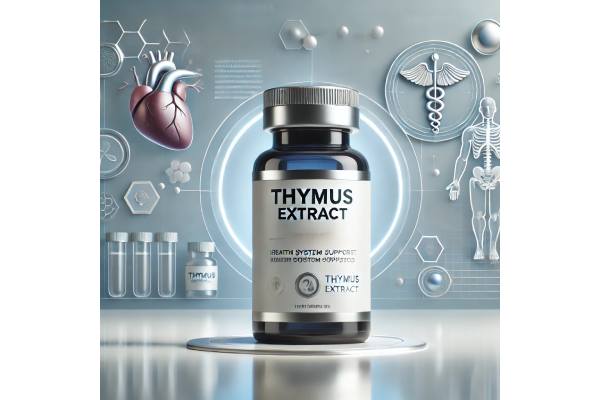
Thymus extract is a supplement made from the thymus gland, usually from calves, and sometimes as purified thymic peptides. The thymus is central to training T-cells, a key part of the adaptive immune system. Because of this, thymus extract is often marketed for “immune boosting,” healthy aging, and support during frequent infections or after serious illness.
In practice, thymus preparations range from simple dried gland powders to highly purified prescription-only peptides used in hospitals. The quality of evidence also varies widely: some products have been studied in randomized trials, especially in people with recurrent respiratory infections or cancer, while others have little data beyond theoretical mechanisms.
This guide walks you through what thymus extract is, how it appears to work, where the evidence is strongest, and the real-world limits and safety concerns. It is designed to help you have a clear, informed conversation with your clinician before deciding whether any thymus-based product fits into your health plan.
Key Insights
- Thymus extract and thymic peptides appear to modulate immune function, especially T-cell maturation and activity.
- Clinical trials suggest possible benefits in recurrent respiratory infections and as an adjunct in some cancers, but evidence is mixed and often older.
- Typical oral supplement labels provide around 40–300 mg bovine thymus per day, while prescription thymic peptides use very different, specialist-supervised dosing.
- People who are pregnant, have autoimmune disease, have had an organ transplant, or use immunosuppressive drugs should avoid thymus extract unless specifically advised by a specialist.
Table of Contents
- What thymus extract is and how it works
- Potential benefits of thymus extract
- How to use thymus extract in daily practice
- Dosage guidelines for thymus extract
- Side effects and safety concerns
- Who should avoid thymus extract and when to seek help
- Evidence and research on thymus extract
What thymus extract is and how it works
“Thymus extract” is an umbrella term, and understanding the differences inside that category is essential before you consider any product.
The thymus gland sits behind the breastbone and is crucial for the development of T-lymphocytes (T-cells). These cells help defend the body against infections and cancer and maintain tolerance to self-tissues. With age, the thymus shrinks and becomes less active, a process called thymic involution. That age-related decline is one reason thymus-based therapies attract interest.
Commercial thymus preparations fall into three main groups:
- Simple glandular supplements – usually freeze-dried bovine (cow) or occasionally porcine thymus, encapsulated as a powder. These are sold over the counter as “immune support” supplements. Their exact peptide content is rarely standardized or measured.
- Partially purified thymus extracts – for example, traditional preparations such as thymomodulin or thymostimulin, originally produced as drugs, especially in Europe and Latin America. These contain mixtures of small thymic peptides in defined ranges of molecular weight.
- Purified or synthetic thymic peptides – individual molecules such as thymosin alpha 1, thymulin, or thymopentin. These are usually prescription products or investigational drugs, administered by injection and used under strict medical supervision.
Mechanistically, thymic peptides appear to act as immunomodulators, not simple “boosters.” In cell and animal studies they:
- Encourage maturation of immature T-cells into competent helper and cytotoxic T-cells.
- Help balance different T-cell subsets, which may reduce inappropriate or chronic inflammation.
- Influence other immune cells, including B-cells, natural killer cells, and macrophages.
- Alter cytokine patterns, often nudging the immune system toward more efficient pathogen control rather than broad stimulation.
Human studies suggest that, in selected situations such as immune deficiency, chronic infection, or during chemotherapy, thymic preparations may help normalize diminished immune responses rather than pushing the immune system above normal levels.
For the average supplement buyer, the key point is that oral glandular thymus capsules are not the same as prescription thymic peptides. They share a biological origin, but their purity, potency, regulatory oversight, and evidence base differ sharply. Your expectations, and your safety checks, should match the exact product type you are considering.
Potential benefits of thymus extract
Thymus extract is marketed for many purposes, but the best evidence clusters around a few specific areas. Most of that evidence comes from purified thymic preparations, not generic over-the-counter glandulars.
1. Recurrent respiratory infections in children
Several randomized controlled trials from Europe evaluated thymomodulin, an orally administered thymic derivative, in children with recurrent respiratory infections. These studies reported:
- Fewer infectious episodes during treatment periods.
- Less antibiotic use and fewer doctor visits.
- Possible improvement in some immune markers, although immunological changes were inconsistent.
Later systematic reviews of immunostimulants in children concluded that various agents, including thymic derivatives, can reduce the incidence of acute respiratory tract infections by roughly 40% on average in high-risk pediatric populations. However, the overall evidence quality was rated low to moderate, and most data come from older studies rather than modern large-scale trials.
2. Support during chemotherapy or radiotherapy
Thymic peptides have also been studied as adjuncts to cancer treatment, especially in patients with lung, liver, or gastrointestinal cancers receiving chemotherapy or radiotherapy. Reported benefits across trials include:
- Better preservation or restoration of white blood cell counts and T-cell subsets.
- Fewer infectious complications in some patient groups.
- Potential improvements in treatment tolerance and quality of life.
A major Cochrane review of thymic peptides in cancer patients found signals of benefit for some immune outcomes and infection-related endpoints, but the data were heterogeneous. Study designs, cancer types, peptide preparations, and dosing schedules varied widely, making it hard to define specific, evidence-based regimens.
3. Chronic viral infections and immune dysfunction
Purified thymosin alpha 1 has been explored in chronic viral hepatitis, HIV, and, more recently, COVID-19 and post-acute COVID syndromes. Trials suggest that thymosin alpha 1 can:
- Improve certain immune parameters, especially T-cell counts and function.
- Enhance responses to antiviral drugs or vaccines in some settings.
However, results are mixed, especially in COVID-19 and sepsis, where recent large trials have not consistently shown mortality benefits. Thymosin alpha 1 remains under investigation, and it is regulated as a drug, not a dietary supplement, in many countries.
4. Healthy aging and “immune rejuvenation”
A newer, more speculative area involves using thymus extracts, peptides, and sometimes stem-cell approaches to address immunosenescence (the aging of the immune system). Small clinical series and open-label experiences suggest improvements in various biomarkers, but robust randomized data are limited. These protocols are complex, expensive, and experimental.
For general wellness or “immune boosting” in healthy adults, high-quality evidence is sparse. Most positive data come from people with defined risk factors: frequent infections, cancer therapy, chronic viral diseases, or documented immune deficits. That does not mean ordinary supplement use is useless, but it does mean expectations should be modest, and any therapeutic claims should be viewed cautiously unless backed by rigorous trials.
How to use thymus extract in daily practice
If you and your clinician decide that a thymus-based product may be appropriate, it helps to approach it systematically. Because this category ranges from simple supplements to prescription biologics, clarity on the type of product is your first step.
1. Clarify which thymus preparation you are considering
Ask yourself (and the product label):
- Is this a dietary supplement with bovine thymus powder or “glandular concentrate”?
- Is it a standardized thymic derivative, such as thymomodulin, registered as a medicine in your country?
- Is it a purified peptide (e.g., thymosin alpha 1) administered by injection and prescribed by a specialist?
Never treat these as interchangeable. Self-directed use should be limited to legally marketed oral supplements, while drug-class preparations belong under medical supervision only.
2. Evaluate product quality
For over-the-counter thymus supplements, pay particular attention to:
- Source and species – most evidence and regulatory experience involve calf (bovine) thymus tissue.
- Manufacturing standards – look for GMP (Good Manufacturing Practice) certification and third-party testing where possible.
- Clear labeling – the label should specify thymus content per capsule (in mg) and the part used (thymus gland), not just vague phrases like “proprietary blend.”
Because thymus is an animal organ, contamination with infectious agents is a theoretical risk. Products from reputable manufacturers that follow strict sourcing and sterilization procedures are preferable.
3. Define your goal and timeframe
Thymus extract is not a fast-acting remedy like a decongestant. It is usually taken for weeks to months with the aim of gently modulating immune function. Before starting, clarify with your clinician:
- What outcome you hope to see (fewer infections, better tolerance of a therapy, improved lab markers).
- How long you will trial the product before deciding whether it is helping (commonly 2–3 months).
- Which other measures you are also using (vaccination, sleep, nutrition, stress management), so you do not rely on thymus extract alone.
4. Integrate with existing treatment
If you have a chronic condition—especially cancer, autoimmune disease, chronic infections, or if you are taking immunosuppressants—thymus extract should be thought of as a potential adjunct, not a replacement:
- Always inform your oncologist, rheumatologist, or infectious disease specialist before starting any thymic preparation.
- Be cautious about starting multiple new supplements at once, which makes it harder to interpret benefits or side effects.
- Keep simple written notes about infections, symptoms, or lab changes so you and your clinician can review them together.
For many people, the most realistic way to use thymus extract is as one small component in a broader plan that includes lifestyle changes, vaccinations, and appropriate medical treatments.
Dosage guidelines for thymus extract
There is no single, universally accepted dosage for thymus extract. Doses depend heavily on the preparation type, route of administration, and health context. It is critical not to extrapolate from drug-level thymic peptides to simple oral supplements.
Below is a practical overview rather than a prescription.
1. Oral glandular thymus supplements (bovine thymus powder)
Most commercial capsules provide:
- Around 40–160 mg of bovine thymus per capsule.
- Suggested daily intakes typically ranging from 40 to about 300 mg per day, often in divided doses.
Because these products are not standardized by peptide content, these amounts reflect manufacturing tradition more than evidence-based optimization. In the absence of specific medical guidance, a cautious approach is:
- Start at the lowest dose on the label, usually 1 capsule daily.
- Stay at that dose for several weeks before considering any increase.
- Avoid exceeding the manufacturer’s stated maximum daily amount, especially without medical supervision.
2. Standardized oral thymic derivatives (e.g., thymomodulin)
In clinical trials involving children with recurrent respiratory infections, thymomodulin was used as a standardized thymic derivative given by mouth for several months. Exact dosing regimens depended on age and body weight and were defined by study protocols and drug labeling in those countries.
Where thymomodulin or similar products are available as registered medicines, you should:
- Follow the official product information and local prescribing guidelines.
- Use pediatric or adult dosing schedules only under the guidance of a physician familiar with these drugs.
- Not attempt to recreate studied regimens using unregulated supplements, since their peptide content may be very different.
3. Purified thymic peptides (e.g., thymosin alpha 1)
Purified peptides like thymosin alpha 1 are usually given by subcutaneous injection in microgram-per-kilogram doses, often two or more times per week, depending on the indication (such as chronic viral infection or adjuvant cancer treatment). These regimens:
- Are individualized based on the underlying disease, other treatments, and lab monitoring.
- Are overseen by specialists and sometimes delivered as part of clinical trials.
- Should not be self-administered from unregulated internet sources due to safety, sterility, and regulatory concerns.
4. Duration of use
For supplements, typical trial durations might be:
- 8–12 weeks for immune support or recurrent mild infections.
- Periodic “cycles” rather than continuous use for years, unless a clinician advises otherwise.
For medical thymic peptides, duration is tightly linked to the underlying illness and trial data. Some protocols use them for a defined course; others repeat cycles based on response and tolerance.
Because thymus-based interventions modify immune signaling, it is wise to periodically reassess need and benefit, rather than assuming that more or longer use is automatically better.
Side effects and safety concerns
Overall, thymus-derived preparations have shown a relatively favorable safety profile in clinical trials, but that does not mean they are risk-free. The type of product, route of administration, and your own medical background all influence risk.
1. Commonly reported side effects
For oral thymus supplements and thymic derivatives, reported side effects are usually mild and may include:
- Digestive discomfort (nausea, abdominal upset, or loose stools).
- Headache or vague fatigue in some individuals.
- Occasional skin reactions, such as rash or itching.
For injectable thymic peptides:
- Injection site reactions (redness, tenderness, bruising) are the most frequent minor adverse events.
- Systemic side effects are usually mild but can include flu-like symptoms or transient changes in lab markers.
Not everyone experiences these effects, and many trials report no significant differences from placebo. Still, it is sensible to monitor how you feel in the first weeks of use.
2. Theoretical and rare risks
Because thymus is an animal organ:
- There is a theoretical risk of transmitting infectious agents, including prions, if sourcing and processing are inadequate. Modern pharmaceutical-grade products undergo rigorous controls; ordinary supplements may not be subject to the same level of oversight, depending on jurisdiction.
- People with known allergies to bovine proteins may be more likely to react to glandular thymus supplements.
With immunomodulatory peptides, a key concern is shifting immune balance in unwanted ways. In theory, that could:
- Exacerbate autoimmune conditions in susceptible individuals.
- Interfere with immunosuppressive therapy after organ transplantation.
- Influence tumor behavior, for better or worse, depending on context.
Large modern reviews of thymic peptides in clinical trials generally find no strong signal of serious toxicity, but they also highlight gaps in long-term, high-quality safety data across diverse populations.
3. Regulatory and quality issues
Regulation of thymus-based products varies:
- Some thymic peptides are approved drugs in certain countries and restricted or de-listed in others. Recent regulatory changes have tightened controls on compounded peptides, especially in the United States.
- Over-the-counter thymus supplements may not need to prove efficacy before marketing and are often not tested in large, independent trials.
This means that product choice matters. Lower-quality supplements may contain inconsistent amounts of active components, undeclared ingredients, or contaminants. When possible, choose products from companies with transparent sourcing, testing, and quality control.
4. Interactions
Data on drug–supplement interactions for thymus extract are limited. However, caution is especially warranted if you are taking:
- Immunosuppressants (e.g., after organ transplant or for autoimmune disease).
- Biologic agents or targeted immune therapies.
- Cytotoxic chemotherapy or checkpoint inhibitors for cancer.
In these cases, any agent that could modulate immune response—even subtly—should be cleared with your treating specialist first.
If you experience high fever, unusual bruising or bleeding, sudden swelling, difficulty breathing, or signs of severe allergy after using a thymic product, stop it and seek urgent medical attention.
Who should avoid thymus extract and when to seek help
Thymus extract is not appropriate for everyone. In some situations it may be clearly contraindicated; in others it may be possible but only with specialist oversight.
1. Groups that should generally avoid thymus extract (unless specifically advised otherwise)
- Pregnant or breastfeeding individuals – there are no robust data on safety for the fetus or infant, and glandular products are usually not recommended in these periods.
- People with a history of organ transplantation – immunosuppressive regimens are finely tuned, and adding an immunomodulatory agent could destabilize graft tolerance.
- Individuals with active autoimmune disease (such as lupus, multiple sclerosis, or severe rheumatoid arthritis) who are not under close specialist supervision; shifting immune balance could theoretically worsen disease in some cases.
- Children – unless a pediatrician familiar with thymic derivatives determines that a specific, evidence-based therapy such as thymomodulin is appropriate. Over-the-counter thymus supplements should not be given to children without medical guidance.
- Anyone with a known allergy to bovine or porcine products, or who has reacted to glandular supplements in the past.
2. Situations requiring careful specialist guidance
You should only consider thymus-based interventions under direct care of a knowledgeable clinician if:
- You are receiving chemotherapy, radiotherapy, or modern immunotherapies for cancer.
- You have chronic viral infections such as hepatitis B or C, HIV, or complex post-viral syndromes.
- You are enrolled in, or considering, trials that include thymic peptides or other advanced biologics.
- You are older with multiple co-existing illnesses and medications; the overall picture may change how your immune system responds to new agents.
In these cases, a specialist can help weigh potential benefits (e.g., improved immune recovery or infection control) against unknowns and interactions.
3. Warning signs that require medical review
If you are already taking a thymus supplement and notice any of the following, contact your healthcare provider:
- New or worsening autoimmune-like symptoms: joint swelling, unexplained rashes, or significant fatigue.
- Recurrent or unusual infections despite use; this may indicate an underlying immune disorder that needs evaluation.
- Persistent gastrointestinal symptoms, severe headache, or other side effects that do not settle after stopping the product.
- Any suspicion that the supplement may be counterfeit, contaminated, or improperly stored.
Thymus extract should never be used as a reason to delay vaccines, postpone evaluation of serious symptoms, or discontinue medications prescribed by your doctor.
Evidence and research on thymus extract
The research landscape around thymus extract and thymic peptides is both rich and uneven. Some aspects are well studied; others rest on older or preliminary data. Understanding this helps set realistic expectations.
1. Mechanistic and preclinical evidence
Decades of basic research have clarified many roles of thymic hormones and peptides:
- They regulate T-cell differentiation and selection in the thymus.
- They influence tumor biology, sometimes inhibiting growth or enhancing immune surveillance in models.
- They interact with the neuroendocrine system, linking stress hormones, cytokines, and immune responses.
Recent reviews integrate this knowledge, emphasizing that thymic peptides act more as immune coordinators than simple stimulants, shaping how the body responds to threats rather than directly attacking pathogens or tumors.
2. Clinical trials in infection and cancer
Human trials can be grouped into several main domains:
- Recurrent respiratory infections in children – multiple randomized trials, particularly with thymomodulin, show fewer infections and antibiotic courses in high-risk children. However, many studies are small, older, and conducted in limited regions.
- Adjunct therapy in cancer – a Cochrane review and subsequent analyses of thymic peptides in cancer patients report improved immune parameters and sometimes fewer infections or treatment-related complications. Evidence for improved overall survival is less consistent and often limited by trial design.
- Chronic viral diseases and sepsis – thymosin alpha 1 has shown promising immunological effects in hepatitis and some COVID-19 or viral infection contexts, but recent large sepsis and COVID-19 trials have not consistently demonstrated clear mortality benefits. Research in this area is ongoing and sometimes controversial.
3. Safety and long-term data
Narrative and systematic reviews of thymosin alpha 1 and other thymic peptides, including thousands of patients across dozens of trials, generally find:
- A low incidence of serious adverse events attributable to the peptides.
- Predominantly mild reactions such as injection site discomfort or transient flu-like symptoms.
- No strong signal of increased cancer risk or autoimmune activation attributable to treatment, although longer-term surveillance is still needed.
For simple oral thymus supplements, fewer formal trials exist, so safety data rely more on traditional use, small clinical series, and post-marketing experience.
4. Gaps and uncertainties
Several key questions remain:
- Which specific patient groups benefit most from thymic interventions (for example, older adults with documented T-cell deficits, versus generally healthy people)?
- How do different preparations (crude extracts, mixed peptide fractions, single synthetic peptides) compare in efficacy and safety?
- What are optimal dosing regimens and treatment durations for particular indications?
- How do thymic therapies interact with modern immune-targeting drugs such as checkpoint inhibitors or biologics?
Because of these gaps, major guidelines rarely recommend thymus extract as a first-line therapy. Instead, thymic peptides are usually considered adjunctive or experimental, and simple glandular supplements are viewed as optional and of uncertain benefit.
For now, the most defensible use cases are those with documented immune compromise or high infectious risk, in which thymus-derived products are used alongside—not instead of—standard medical care, and within a carefully monitored plan.
References
- Review of Thymic Peptides and Hormones: From Their Properties to Clinical Application 2024 (Systematic Review)
- Thymus-derived hormonal and cellular control of cancer 2023 (Review)
- Immunostimulants for preventing respiratory tract infection in children: A systematic review and meta-analysis 2022 (Systematic Review)
- Thymic peptides for treatment of cancer patients 2011 (Systematic Review, Cochrane)
- [Evaluation of the effectiveness of thymomodulin in children with recurrent respiratory infections] 1988 (RCT)
Disclaimer
Information in this article is for educational purposes only and does not replace personalized medical advice, diagnosis, or treatment. Thymus extract and thymic peptides can influence immune function, and their suitability depends on your individual medical history, medications, and risk factors. Never start, stop, or change any supplement, peptide, or prescription therapy without discussing it with a qualified healthcare professional who knows your case. Regulatory status, product quality, and approved indications for thymus-derived products differ between countries and may change over time.
If you have existing illness, are pregnant or breastfeeding, have an organ transplant, use immunosuppressive drugs, or live with autoimmune or cancer diagnoses, seek specialist guidance before using any thymus-based product. In case of severe or unexpected symptoms after starting such a product, stop it and seek urgent medical care.
If you found this guide helpful, you are warmly invited to share it on Facebook, X (formerly Twitter), or any platform you prefer, and to follow our work on social media. Your support in sharing our articles helps our team continue to research, write, and update clear, evidence-informed content for readers worldwide.