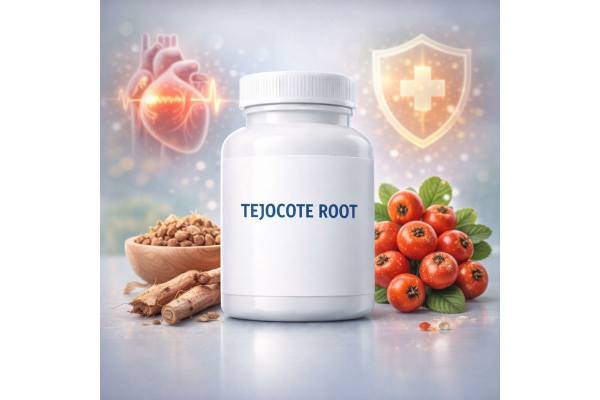
Tejocote root comes from the Mexican hawthorn tree (Crataegus mexicana), a plant deeply rooted in traditional food and folk medicine. In recent years it has been heavily promoted online as a “natural” weight loss aid, circulation booster, and detox supplement. At the same time, regulators have found that many products sold as tejocote root actually contain toxic yellow oleander, and case reports describe serious heart rhythm problems after use.
This guide walks you through what is currently known about tejocote root: how it is traditionally used, which modern benefits are plausible, how supplements are marketed and taken, where the evidence is weak, and what risks have emerged. You will see why tejocote root is not a routine wellness supplement and why safety concerns deserve as much attention as potential advantages. By the end, you should be able to discuss tejocote root with a healthcare professional in an informed, balanced way.
Key Facts
- Tejocote root comes from the Mexican hawthorn tree (Crataegus mexicana) and is marketed mainly for weight loss and heart support.
- Laboratory and clinical work on hawthorn species suggests antioxidant and cardiovascular effects, but there is almost no high-quality research on tejocote root for weight loss.
- Multiple “tejocote root” products have tested positive for toxic yellow oleander, which can cause life-threatening heart rhythm disturbances.
- Hawthorn preparations in clinical trials often used 250–1200 mg per day of standardized leaf and flower extracts; safe, evidence-based dosing for tejocote root pieces has not been established.
- People who are pregnant, breastfeeding, have heart or kidney disease, abnormal heart rhythms, or take cardiac or blood pressure medicines should avoid tejocote root unless a clinician specifically supervises its use.
Table of Contents
- What is tejocote root?
- Benefits and traditional uses of tejocote root
- How tejocote root is used today
- Tejocote root dosage and practical guidelines
- Side effects, risks, and who should avoid it
- Research evidence and knowledge gaps
What is tejocote root?
Tejocote (pronounced “te-ho-CO-teh”) is the common name for Crataegus mexicana, a hawthorn species native to Mexico and parts of Central America. The small yellow-orange fruits are well known in Mexican cuisine, where they are used in seasonal drinks, jams, and sweets. The woody root of the plant is less familiar in traditional food but has gained attention as an ingredient in modern dietary supplements.
Botanically, tejocote belongs to the same genus as European hawthorn (Crataegus monogyna and Crataegus laevigata), plants long used to support the heart and circulation. Hawthorn fruits, leaves, and flowers are rich in flavonoids and proanthocyanidins, plant compounds with antioxidant and vascular effects. Tejocote fruits contain similar phytochemicals, and preliminary laboratory work suggests antioxidant and anti-inflammatory activity. However, most of this research has focused on the fruit, not on the dried root pieces sold for weight loss.
When people talk about “tejocote root” supplements, they usually mean small, dehydrated nuggets or capsules claimed to contain root from Crataegus mexicana. These products are often branded as “raíz de tejocote,” “Mexican hawthorn root,” or simply “tejocote.” The marketing emphasises:
- Rapid, “effortless” slimming
- Appetite and craving control
- “Natural” cleansing of fat, fluids, and waste
In reality, there is no standardized extract behind most of these labels. The size, plant part, and composition of the pieces can vary widely between brands. Recent testing has shown that a significant number of products sold as tejocote root do not contain Crataegus at all, but instead contain yellow oleander, a highly toxic plant with potent cardiac glycosides.
This distinction between genuine tejocote and mislabelled products is essential. Any discussion of benefits and risks has to acknowledge that when a bottle says “tejocote root,” it may contain a different plant with far more dangerous pharmacology. Even when the plant is authentic, the dried root pieces used for slimming have not been characterized or studied in the same way as standardized hawthorn leaf, flower, or fruit extracts used in clinical trials.
Benefits and traditional uses of tejocote root
To understand the claims made for tejocote root today, it helps to look at how the plant has been used more broadly. In Mexican folk practice, tejocote fruits and other parts of the plant have been used for:
- Respiratory complaints, such as coughs and bronchitis
- Digestive problems, including mild constipation or sluggish digestion
- General support for the heart and circulation
- Seasonal “fortifying” drinks during winter celebrations
These uses mirror traditional applications of other hawthorn species, which have a long history as heart tonics. Hawthorn extracts from leaves and flowers have been studied for effects on blood pressure, heart function, and cardiovascular symptoms such as palpitations and reduced exercise tolerance. Controlled trials suggest that standardized hawthorn preparations can modestly lower blood pressure and improve some markers of heart performance, although they are not replacements for prescribed cardiac medicines.
When tejocote root is promoted online, marketers often extend this hawthorn reputation to the specific root pieces they sell. Typical benefit claims include:
- Weight loss through improved fat metabolism and reduced appetite
- Mild diuretic and laxative effects that “detoxify” the body
- Lower cholesterol and triglycerides
- Better blood sugar control
- Stronger heart contractions and better circulation
From a scientific standpoint, several of these claims have weak support:
- Weight loss: There are no robust human trials showing that tejocote root pieces lead to meaningful, sustained weight loss. Reports of weight change are largely anecdotal or confounded by diet changes, fluid loss, or unreported ingredients.
- Detox and cleansing: Increased bowel movements or diuresis can cause water and electrolyte shifts, which may temporarily change scale weight but do not equate to targeted fat loss or “toxins” being removed.
- Cardiovascular effects: Data from hawthorn species suggest potential benefits for mild hypertension and heart failure when standardized extracts are used for months. However, these findings cannot be directly transferred to unstandardized tejocote root pieces of uncertain composition.
There is still interest in bioactive compounds from Crataegus mexicana, especially for antioxidant and vascular support. Yet modern tejocote slimming products sit at the edge of this research, not at its centre. At present, it is more accurate to say that tejocote is being explored for possible cardiovascular and metabolic benefits, rather than that it has proven advantages for weight management or heart health.
How tejocote root is used today
In contemporary markets, tejocote root is sold almost entirely as a commercial supplement rather than a kitchen or household remedy. Most products fall into one of several categories:
- Small “microdose” pieces of dried root in bottles or bags
- Capsules or tablets containing powdered root, often blended with other herbs
- Slimming kits that combine tejocote with laxatives, diuretics, stimulants, or fibre
Manufacturers frequently recommend taking one tiny piece of root once per day, usually with the largest meal and plenty of water. Some brands suggest cycling the product, such as several months on followed by a break. These dosing schedules are marketing choices, not strategies derived from clinical trials.
The way tejocote is used reflects broader patterns in weight-loss culture:
- Products are often promoted through social media, word of mouth, and multilevel marketing structures.
- Advertisements emphasise “before and after” photos, rapid changes in clothing size, and claims of fat loss specifically from the abdomen, hips, or arms.
- Regular exercise and dietary changes may be mentioned but are sometimes overshadowed by the promise of effortless results.
From a practical perspective, users often report:
- More frequent bowel movements and softer stools
- Mild abdominal cramping or gas, particularly in the first weeks
- Perceived loss of inches or weight, which may reflect fluid and stool changes as much as fat loss
A major concern is product authenticity. Government and independent laboratories have repeatedly tested supplements marketed as tejocote root and found that many actually contain yellow oleander, a plant with potent cardiac glycosides. These substances affect the same cellular targets as drugs like digoxin and can cause life-threatening arrhythmias, vomiting, confusion, and dangerously high potassium levels. Because of this, some clinicians now treat any tejocote root supplement as high-risk unless the exact plant identity is independently verified.
In addition, tejocote products are usually sold as food supplements, which are regulated less tightly than prescription drugs. That means there is typically:
- No mandatory pre-marketing demonstration of safety or efficacy
- Limited oversight of exact dosage and consistency between batches
- Reliance on manufacturers to monitor and report side effects
For someone considering tejocote, this landscape matters as much as any theoretical benefit. The risk profile is shaped not only by the plant’s pharmacology but also by quality control, mislabelling, and the absence of standardized dosing.
Tejocote root dosage and practical guidelines
Unlike many herbal medicines with pharmacopeial monographs, there is no universally accepted, evidence-based dosage for tejocote root. Product labels, online instructions, and informal advice from distributors often fill this gap, but they do not substitute for controlled dosing studies.
In marketing materials for root “microdose” pieces, you will commonly see guidance such as:
- Take one small piece per day with food and at least two glasses of water.
- Do not exceed one piece daily.
- If you experience strong bowel movements or cramps, reduce the frequency (for example, one piece every other day).
The actual mass of a “piece” can vary widely between brands and even between batches. Some pieces likely weigh only a few hundred milligrams; others may be closer to a gram. Because the plant material is not standardized, no one can say how much of any active compound a given piece contains.
For comparison, clinical trials of hawthorn (Crataegus spp.) for blood pressure or mild heart failure generally used:
- Standardized leaf and flower extracts or powders
- Daily doses ranging from about 250 mg to 1200 mg of Crataegus material, often divided into two or three doses and taken for 10 weeks to 6 months
These hawthorn regimens provide a rough sense of the scale of dosing that has been studied, but they do not tell us what a safe or effective dose of tejocote root is. Tejocote products are usually made from root rather than leaf and flower, and they are almost never standardized to specific marker compounds.
Given the lack of reliable data and the serious problems with adulteration:
- There is no clearly defined safe dosage for tejocote root pieces used for weight loss.
- Any amount could be hazardous if the product contains yellow oleander instead of Crataegus mexicana.
- Self-experimentation with higher doses in search of faster results significantly increases the risk of toxicity, especially for the heart.
If someone has already taken tejocote root, practical safety steps include:
- Keeping the product container and any labels, in case toxicologists need to see them.
- Monitoring for symptoms such as nausea, vomiting, dizziness, visual changes, severe fatigue, chest discomfort, or irregular heartbeat.
- Seeking urgent medical evaluation if these symptoms occur, particularly within hours to days of starting the supplement.
Because weight management is a long-term process, it is far safer to build a plan around nutrition, physical activity, sleep, and stress management, possibly using well-studied medications when appropriate, rather than relying on a supplement with undefined dosing and documented cases of cardiac toxicity.
Side effects, risks, and who should avoid it
Reports from consumers, poison centres, and the medical literature suggest a spectrum of side effects related to tejocote-labelled products. Some reactions may be due to genuine Crataegus mexicana, while others reflect exposure to yellow oleander or other contaminants. It is often impossible to know which plant was involved without laboratory testing.
Commonly reported milder effects
- Increased bowel movements, softer stools, or mild diarrhoea
- Abdominal cramps, gas, or bloating
- Nausea, reduced appetite, or a general feeling of stomach upset
- Headache, fatigue, or a sense of “weakness”
- Muscle aches, which may be related to fluid and electrolyte shifts
While these symptoms are uncomfortable, they are not necessarily dangerous in isolation. However, persistent diarrhoea or vomiting can lead to dehydration and alterations in potassium and other electrolytes, which in turn can disturb heart rhythms.
More serious adverse effects
Several case reports describe significant cardiac and systemic toxicity linked to tejocote products, including:
- Marked slowing of the heart (bradycardia)
- Various types of heart block on ECG, including Mobitz type I second-degree block
- Ventricular arrhythmias (abnormal fast rhythms from the ventricles)
- Chest pain and acute pericarditis (inflammation of the heart’s lining)
- Falsely elevated digoxin levels on blood tests, reflecting cross-reaction with cardiac glycoside assays
- Immune-mediated low platelet counts (thrombocytopenia)
- Acute liver injury in the context of weight-loss supplement use
In parallel, testing of many tejocote-labelled products has revealed the presence of yellow oleander, a plant rich in potent cardiac glycosides. These substances can cause life-threatening arrhythmias, severe nausea and vomiting, neurological symptoms such as confusion, and dangerous hyperkalaemia (high potassium). Because of this, emergency physicians and toxicologists now treat suspected tejocote poisoning very seriously, often in the same way as digoxin or oleander poisoning.
Who should avoid tejocote root?
Given the current risk profile, the following groups should not use tejocote root supplements unless a specialist familiar with the product and the person’s health situation explicitly recommends and supervises it:
- People with known heart disease, including coronary artery disease, heart failure, cardiomyopathy, or structural valve disease
- Anyone with a history of arrhythmias, heart block, or implanted pacemakers/defibrillators
- Individuals taking cardiac glycosides (such as digoxin), antiarrhythmic drugs, or significant doses of diuretics or blood pressure medicines
- People with chronic kidney disease, significant liver disease, or known electrolyte disturbances (such as low or high potassium)
- Pregnant or breastfeeding women, and those trying to conceive
- Children and adolescents, for whom there is essentially no safety data
- People with eating disorders or very restrictive diets, who may already have fragile electrolyte balance
Even for individuals without these risk factors, the combination of unproven benefit, widespread adulteration, and documented severe toxicity makes tejocote a poor candidate for self-directed weight loss. If someone is currently taking the supplement and experiences vomiting, severe abdominal pain, dizziness, confusion, chest discomfort, shortness of breath, or palpitations, urgent medical assessment is warranted.
Research evidence and knowledge gaps
It is helpful to separate the evidence into three layers: general hawthorn research, data specific to Crataegus mexicana, and findings about modern tejocote slimming products.
1. Hawthorn research as a whole
Multiple randomized controlled trials and, more recently, meta-analyses have examined hawthorn (Crataegus spp.) for cardiovascular indications such as hypertension and mild heart failure. These studies generally used standardized leaf and flower preparations at doses between about 250 mg and 1200 mg per day, often over several months. Overall, the findings suggest:
- Modest reductions in systolic and diastolic blood pressure compared with placebo.
- Some improvements in exercise tolerance and cardiac performance in patients with mild heart failure.
- A side-effect profile dominated by mild gastrointestinal complaints and occasional headaches, with serious adverse reactions relatively uncommon in the controlled setting.
These results support the idea that certain hawthorn preparations can act on blood vessels and the heart, likely through antioxidant effects, improved endothelial function, and modulation of calcium and nitric oxide pathways. However, they do not address weight loss.
2. Crataegus mexicana (tejocote) itself
Laboratory and animal studies on Crataegus mexicana have identified antioxidant, anti-inflammatory, and possible vasodilatory effects in extracts from fruits and other plant parts. Some work suggests bronchodilator activity and potential benefits for respiratory function. Yet there are almost no high-quality human clinical trials testing tejocote specifically for:
- Weight reduction
- Metabolic outcomes such as blood sugar and cholesterol
- Long-term cardiovascular endpoints
The most detailed human-focused data for tejocote root currently come not from efficacy trials, but from case reports of toxicity and pharmacovigilance analyses. These describe cardiac conduction disturbances, ventricular arrhythmias, pericarditis, thrombocytopenia, and other reactions temporally associated with tejocote-labelled products.
3. Modern tejocote slimming products and adulteration
Recent work from public health agencies and academic groups has revealed that a substantial fraction of products marketed as tejocote root or “raíz de tejocote” for weight loss actually contain yellow oleander or related cardiotoxic materials instead of, or in addition to, Crataegus mexicana. Analytical testing of seized or purchased supplements has repeatedly detected yellow oleander cardiac glycosides, leading to broad safety alerts and recalls.
These findings create major knowledge gaps:
- When a person reports benefit or harm from a “tejocote” product, it is often unclear which plant or compounds they actually consumed.
- Dose-response relationships cannot be reliably mapped, because the true dose of active constituents is unknown.
- Even if future trials of authenticated tejocote root were positive, the current supplement market might not reflect those products.
Taken together, the research picture is asymmetric: there is growing evidence about the risks of tejocote-labelled products, especially related to adulteration and cardiac toxicity, but almost no rigorous evidence supporting their marketed weight-loss benefits. Meanwhile, cardiovascular benefits from hawthorn species in general are better documented but come from different plant parts, species, and standardized extracts, not from the small root pieces widely sold online.
For individuals and clinicians, the practical conclusion is that tejocote root should be viewed as an experimental and high-risk supplement, not as a routine herbal aid. Until there are verified products, controlled clinical trials on authentic material, and clear dose-response data, it is difficult to justify its use for weight management or general wellness, especially when safer and more thoroughly studied options exist.
References
- Perceived Tejocote (Crataegus mexicana) Dietary Supplements Linked to Toxic Yellow Oleander (Cascabela thevetia) — United States, 2022–2023, 2023 (Surveillance report).
- FDA Issues Warning About Certain Supplements Substituted with Toxic Yellow Oleander, 2025 (Safety alert and recall information).
- Crataegus mexicana (Tejocote) Exposure Associated with Cardiotoxicity and a Falsely Elevated Digoxin Level, 2019 (Case report).
- Analysis of Adverse Reactions Associated with the Use of Crataegus-Containing Herbal Products, 2024 (Scoping review and pharmacovigilance analysis).
- Hawthorn (Crataegus spp.) Clinically Significantly Reduces Blood Pressure in Hypertension: A Meta-Analysis of Randomized Placebo-Controlled Clinical Trials, 2025 (Systematic review and meta-analysis).
Disclaimer
The information in this article is for educational purposes only and is not a substitute for personal medical advice, diagnosis, or treatment. Tejocote root products are associated with significant safety concerns, including the risk of mislabelling and serious cardiac toxicity. Never start, stop, or change any medication or supplement based on online information alone. Always discuss your individual situation, medical history, and current prescriptions with a qualified healthcare professional before using tejocote root or any other supplement, especially for weight loss or heart-related purposes. In the event of possible poisoning or severe symptoms after supplement use, seek emergency care or contact a poison centre immediately.
If you found this article helpful, please consider sharing it on Facebook, X (formerly Twitter), or any platform you prefer, and follow our social media channels. Your support by sharing our work helps our team continue to research and produce clear, trustworthy health content for the community.