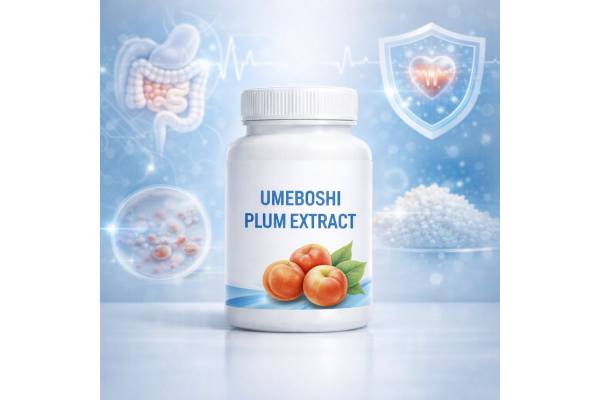
Umeboshi plum extract sits at an unusual intersection: it is both a traditional Japanese pantry staple and a modern “functional” ingredient sold as liquids, pastes, powders, and capsules. People reach for it for a simple reason—it is intensely sour, mineral-rich, and packed with organic acids and plant polyphenols that can influence taste, digestion, and how a meal feels afterward. In practice, its biggest advantages are practical: it can wake up appetite, cut through greasy foods, add instant brightness to recipes, and, for some people, feel soothing after heavy meals.
At the same time, “extract” does not always mean the same thing. Some products resemble concentrated umeboshi paste; others isolate polyphenols or acids with far less salt. Understanding that difference helps you choose a product, use it safely, and set realistic expectations about benefits.
Essential Insights
- Some people find it helps appetite and post-meal comfort, especially after rich foods.
- Typical studied intakes range from 150–800 mg/day (capsules) or around 70 mL/day (fermented vinegar drink).
- High acidity and, in some forms, high sodium can worsen reflux and raise blood pressure risk in sensitive people.
- Avoid if you are on a strict sodium restriction, have significant kidney disease, or your clinician advised limiting acidic foods.
Table of Contents
- What is umeboshi plum extract?
- What is inside: acids, polyphenols, and fermentation compounds
- Benefits: what is realistic and what is marketing
- How to use umeboshi extract day to day
- How much should you take per day?
- Side effects, interactions, and who should avoid it
- What the research actually shows and how to interpret it
What is umeboshi plum extract?
Umeboshi comes from Prunus mume—often called Japanese apricot or “ume.” Despite the common nickname “plum,” ume is botanically closer to an apricot than a typical sweet dessert plum. Fresh ume fruit is famously sour and astringent, which is why it is traditionally processed rather than eaten like fresh fruit.
Umeboshi (salt-pickled ume) is made by brining the fruit with salt, then drying it (often sun-dried) and sometimes finishing it with additions such as shiso (perilla) leaves. That process concentrates acidity and can concentrate sodium, creating the sharp, salty-sour flavor that defines umeboshi. From there, “extract” can mean several different products:
- Concentrated paste or puree: essentially umeboshi or ume concentrate reduced into a thick, intensely flavored paste.
- Powdered concentrate: dehydrated umeboshi/ume concentrate, sometimes blended with carriers (like maltodextrin) for flow.
- Fermented vinegar drinks: liquids made using ume vinegar or fermented ume-based vinegar, sometimes sweetened or diluted.
- Polyphenol-focused extracts: capsules or powders designed to deliver plant compounds (polyphenols) with less of the salt and bulk.
This matters because the “active” experience of umeboshi is not one single molecule. It is the combined effect of organic acids (that create strong sourness), minerals, and phenolic compounds—plus, in fermented versions, additional fermentation-derived compounds. A paste that tastes like umeboshi is likely to deliver more sodium and acid per teaspoon than a polyphenol capsule, even if both are sold under similar marketing language.
The key buying mindset is to treat umeboshi plum extract less like a standardized pharmaceutical and more like a category. Before you evaluate benefits or dosage, identify which type you have, whether it is salted, and how concentrated it really is. That one step prevents most disappointments and most avoidable side effects.
What is inside: acids, polyphenols, and fermentation compounds
Umeboshi’s “kick” is chemistry you can taste. The sourness is largely driven by organic acids, especially citric acid and malic acid (often alongside smaller amounts of other acids). These acids do more than provide flavor—they can increase salivation, change how a meal tastes, and influence how the stomach perceives a heavy or fatty dish. For many people, the first noticeable effect is simply sensory: ume makes food feel lighter and more refreshing because acids cut through richness.
Then there are polyphenols, a broad family of plant compounds that includes phenolic acids and flavonoids. Polyphenols are often discussed for antioxidant activity, but in food practice their “real life” role is more nuanced. They may influence how microbes behave in the gut, interact with digestive enzymes, and shape inflammatory signaling in lab settings. Importantly, polyphenol content can vary widely by cultivar, harvest timing, and processing method, which is why two ume products can feel very different.
Some products also highlight mumefural, a compound associated with processed ume juice concentrates and sometimes discussed in relation to circulation and metabolism. Whether a given extract contains meaningful mumefural depends heavily on how it was produced (for example, heating and concentrating steps can change the chemical profile).
Finally, salt and minerals are central to traditional umeboshi. Sodium is not usually framed as a “benefit,” but it does influence how the product behaves in the body. A very salty umeboshi paste can act like a strong condiment and, in some people, can increase thirst and fluid retention. For athletes or people who sweat heavily, sodium is sometimes intentionally used—but for those with blood pressure concerns, it can be a downside.
Fermented liquids add another layer. A human trial of a fermented Prunus mume vinegar beverage used a daily serving and reported no adverse events, highlighting that at least some formulations can be well tolerated. Still, fermentation does not automatically mean “gentler”—many fermented vinegar products remain quite acidic.
The practical takeaway: umeboshi extract products vary by acidity, sodium, and polyphenol concentration. Those three variables predict most of the benefits people notice and most of the problems they run into.
Benefits: what is realistic and what is marketing
Umeboshi plum extract is often advertised as an all-purpose wellness booster. A better way to think about it is: some benefits are sensory and digestive (more immediate), while others are metabolic claims that are still emerging.
Most realistic, commonly noticed benefits
- Appetite and “wake-up” effect: The strong sourness increases salivation and can make bland food taste more vivid. Many people use a small amount before or with meals when appetite is low.
- Post-meal comfort: Ume’s acidity can make rich meals feel less heavy, partly by changing flavor perception and promoting salivation. This is not the same as treating reflux—people with reflux may actually feel worse.
- Culinary usefulness with potential side perks: When you replace sugary sauces with a tart ume-based dressing, you may reduce added sugar while keeping flavor strong. That is a practical “benefit” that does not require big supplement claims.
Potential benefits with limited or mixed human evidence
- Fatigue and perceived energy: Traditional culture often links ume to “anti-fatigue” effects, and animal/lab work exists. However, a randomized controlled human trial of fermented Prunus mume vinegar in adults with unexplained fatigue found the product did not outperform placebo on fatigue outcomes, while still appearing safe in that setting.
- Cardiometabolic markers and liver-related labs: A small randomized trial using a standardized Prunus mume extract reported improvements in certain liver enzymes and some metabolic markers in a specific population. This is promising but not definitive—small trials can overestimate effects, and results may not generalize.
Where marketing often runs ahead of reality
- Detox claims: Your liver and kidneys already “detox” continuously. Umeboshi’s acids and polyphenols may influence biomarkers in some contexts, but it is not a cleanse in a jar.
- Guaranteed antimicrobial protection: Ume compounds can show antimicrobial activity in lab conditions, but that does not translate into “prevents infections” in everyday life.
- Weight loss by itself: If ume helps you enjoy simpler foods and reduce sugary sauces, it can support a plan. But it is not a standalone fat-loss tool.
A good rule: if the benefit is immediate and sensory (taste, appetite, meal satisfaction), it is often reliable. If the benefit is a disease claim (blood pressure treatment, curing fatigue, preventing infections), treat it as a hypothesis and involve your clinician.
How to use umeboshi extract day to day
The easiest way to get value from umeboshi plum extract is to treat it as a high-impact seasoning first and a supplement second. That approach naturally keeps doses modest, improves adherence, and reduces side effects.
Everyday food uses that keep amounts small
- Rice and grain bowls: Stir a pea-sized amount of paste into warm rice, quinoa, or oats (savory oats work surprisingly well).
- Simple salad dressing: Whisk a small amount of ume paste with water, a neutral oil, and grated ginger. You often need less salt because ume provides intensity.
- Marinade for fish or tofu: Ume’s acidity works well with fatty fish, mushrooms, and tofu. Use a thin layer rather than a heavy coating.
- Soup finisher: Add a small amount at the end (not during high heat) to preserve flavor brightness.
Drink and “shot” styles
Fermented ume vinegar drinks and ume vinegar are sometimes diluted in water. If you try this, consider teeth and stomach comfort:
- Dilute well (think “flavored water,” not straight vinegar).
- Drink with a meal rather than on an empty stomach if you are prone to nausea.
- Rinse your mouth with plain water afterward; avoid brushing immediately, since enamel may be softened after acids.
Capsules and powders
These make sense if you do not like the flavor or you want a more consistent daily intake. The tradeoff is that capsules can vary widely in what they standardize (polyphenols, fruit extract ratio, or proprietary blends). If you choose capsules:
- Prefer products that specify the plant part (fruit) and extraction method.
- Look for clear serving size instructions and sodium content (some powdered products include added salt).
Timing
- For meal-related goals: Take with meals.
- For taste and appetite: Use just before eating.
- For sensitive stomachs: Avoid taking acidic products late at night or right before lying down.
Used this way, umeboshi extract becomes a tool you can fit into real life, not a regimen you abandon after a week.
How much should you take per day?
Because “umeboshi plum extract” can mean very different products, dosage is best approached as product-type guidance plus studied reference points, not a single universal number.
Studied reference points you can anchor to
Human studies have used doses in different formats, including:
- Capsules with ume-derived polyphenols: a pilot randomized trial instructed participants to take four capsules daily for a total of 800 mg/day of umezu polyphenols.
- Standardized Prunus mume extract supplements: a randomized controlled trial evaluated a standardized extract over a multi-month period (the extract amount was described as part of the supplement formulation).
- Fermented Prunus mume vinegar beverage: a randomized controlled trial used 70 mL/day for 8 weeks and reported no adverse events in that study population.
Taken together, that supports a practical “starting lens”: 150–800 mg/day is a reasonable research-informed capsule range, while liquid vinegar-style products may use tens of milliliters per day rather than milligrams.
Practical starting ranges by product type
- Paste or concentrated puree: Start with 1/4 teaspoon once daily with food. If well tolerated, you can move to 1/2 teaspoon daily. Watch sodium closely if it tastes very salty.
- Powder: Start with the manufacturer’s minimum serving, commonly 250–500 mg of powder, with food. Increase only if you tolerate acidity and sodium.
- Capsules: Start at 150–300 mg/day of extract if the product is concentrated, or follow the label if the product specifies a standardized polyphenol dose.
- Fermented vinegar drinks: Start with 15–30 mL/day diluted, then increase toward label or study-style servings if tolerated.
Common mistakes when choosing a product
- Ignoring sodium: Traditional-style ume products can be very salty. “Extract” on the label does not mean low sodium.
- Assuming stronger is better: More acid can mean more reflux, nausea, or dental sensitivity.
- Not checking serving size math: Some labels list an impressive number per bottle, but the serving is tiny (or the opposite).
If you are using umeboshi extract for a specific health goal (blood pressure, liver labs, fatigue), consider treating it as a “trial” with a defined start date, dose, and outcome to track—and involve your clinician if you have a medical condition.
Side effects, interactions, and who should avoid it
Most people who tolerate acidic foods can use small culinary amounts of umeboshi plum extract without problems. Side effects tend to appear when the product is very concentrated, taken on an empty stomach, or high in sodium.
Common side effects
- Heartburn or reflux flare: Acids can aggravate gastroesophageal reflux disease (GERD), especially at night.
- Stomach upset or nausea: More likely with vinegar drinks or concentrated paste taken without food.
- Mouth and tooth sensitivity: Frequent exposure to acids can contribute to enamel erosion over time.
- Thirst and water retention: More likely with salted umeboshi paste or powders with added salt.
Who should be cautious or avoid
- People on sodium restriction: Traditional umeboshi products can be high in sodium, which may be unsuitable for heart failure, certain kidney conditions, or salt-sensitive hypertension.
- People with significant kidney disease: Sodium and acid load can be problematic depending on the condition and diet prescription.
- People with uncontrolled reflux, ulcers, or chronic gastritis: Acidic products may worsen symptoms.
- People with eating disorders that involve purging or severe reflux: Additional acid exposure can increase dental and esophageal harm.
Potential interactions and “extra caution” scenarios
Umeboshi extracts are not known for a long list of drug interactions, but caution is still sensible:
- Blood pressure medications and diuretics: If you choose a high-sodium product, it can work against blood pressure goals. Track home blood pressure if you experiment.
- Antacids or reflux medications: Ume does not replace them; the acidity may increase symptoms that you are treating.
- Dental risk: If you already have enamel erosion or frequent cavities, keep intake small, dilute liquids, and prioritize mouth-rinsing after use.
What to do if you get symptoms
- Reduce to a culinary dose (for example, a pea-sized amount) and take only with meals.
- Switch from paste or vinegar to a lower-acid capsule format, if appropriate.
- If reflux is persistent, stop and discuss with a clinician—“pushing through” is rarely worth it.
What the research actually shows and how to interpret it
Umeboshi plum extract lives in a common research gap: it has a long history of food use and a growing body of lab research, but relatively limited high-quality clinical evidence for specific claims. That does not make it useless—it just changes how you should interpret it.
What the strongest human evidence looks like
A handful of randomized trials and pilot studies provide “signals” rather than final answers:
- Fatigue: In adults with unexplained fatigue, a randomized controlled trial of a fermented Prunus mume vinegar beverage found that fatigue improvements did not exceed placebo. This is a useful reality check because fatigue is highly placebo-responsive, and it suggests you should not expect dramatic energy changes from vinegar-style products alone.
- Blood pressure (pilot data): A small 12-week pilot trial of umezu polyphenol capsules reported good adherence and no adverse effects, but did not show a clear blood pressure benefit versus placebo. This points toward safety at a studied dose, while also highlighting that blood pressure effects—if they exist—may be modest or population-dependent.
- Liver and metabolic markers: A randomized trial of a standardized Prunus mume extract reported improvements in some liver enzymes and related biomarkers in a specific group. It is encouraging, but you should treat it as early evidence that needs replication.
How reviews help and where they can mislead
Comprehensive reviews summarize many lab, animal, and human studies and map potential mechanisms—antioxidant effects, antimicrobial activity in vitro, and metabolic pathways that could matter. Reviews are helpful for understanding what might be plausible, but they can accidentally make the evidence feel “more proven” than it is, because they cover many study types at once.
A smart way to use umeboshi extract despite imperfect evidence
- Use it primarily as a food tool that makes healthier meals easier to enjoy.
- If you use it as a supplement, run a structured trial: pick one goal (for example, post-meal comfort), choose one product format, set a dose, and assess after 2–4 weeks.
- Keep expectations proportional: the most consistent value is culinary and behavioral (flavor, appetite, meal satisfaction), not dramatic medical outcomes.
In short, umeboshi plum extract is best viewed as a potent traditional food ingredient with interesting bioactive compounds—not as a substitute for proven treatments. Used thoughtfully, it can still earn a place in a modern routine.
References
- Comprehensive Review of Phytochemical Constituents, Pharmacological Properties, and Clinical Applications of Prunus mume 2021 (Review)
- Current and potential trends in the bioactive properties and health benefits of Prunus mume Sieb. Et Zucc: a comprehensive review for value maximization 2023 (Review)
- Efficacy and safety of fermented Prunus mume vinegar on fatigue improvement in adults with unexplained fatigue: A randomized controlled trial 2022 (RCT)
- Efficacy of a Standardized Extract of Prunus mume in Liver Protection and Redox Homeostasis: A Randomized, Double-Blind, Placebo-Controlled Study 2016 (RCT)
- Safety and adherence of Umezu polyphenols in the Japanese plum (Prunus mume) in a 12-week double-blind randomized placebo-controlled pilot trial to evaluate antihypertensive effects 2014 (RCT)
Disclaimer
This article is for educational purposes only and does not provide medical advice, diagnosis, or treatment. Umeboshi plum extract products vary widely in acidity, sodium, and active compounds, so effects and risks can differ by formulation and dose. If you are pregnant or breastfeeding, have kidney disease, reflux or ulcer disease, hypertension, or take prescription medications, consult a licensed healthcare professional before using umeboshi plum extract as a supplement. Seek urgent medical care for severe allergic reactions, persistent chest pain, vomiting blood, black stools, or worsening symptoms.
If you found this guide helpful, please consider sharing it on Facebook, X (formerly Twitter), or any platform you prefer, and follow us on social media. Your support through sharing helps our team keep producing reliable, high-quality health content.