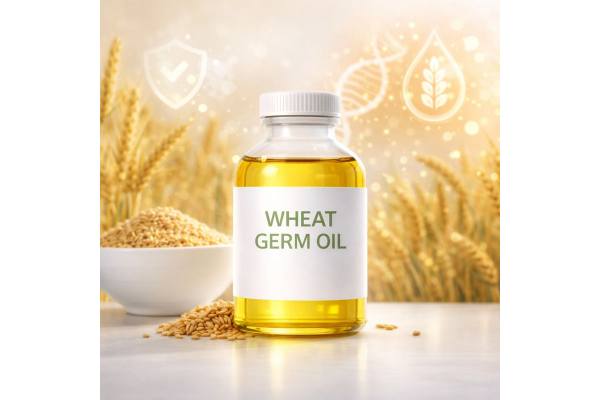
Wheat germ oil is the concentrated oil pressed from the embryo of the wheat kernel—the part designed to grow a new plant. That role shows up in its nutrition: it is naturally rich in vitamin E and other fat-soluble compounds that help protect delicate fats from oxidation. People most often reach for wheat germ oil to support skin comfort, add antioxidant variety to the diet, and boost intake of essential fatty acids when meals feel repetitive or low in healthy fats.
At the same time, wheat germ oil is not a magic shortcut. It is still an oil, which means calories add up quickly, quality varies by processing, and some claims outpace the evidence. Used thoughtfully—small doses, good storage, and attention to interactions—it can be a practical, versatile addition to food or topical routines for the right person.
Core Points
- Regular, small servings can meaningfully raise vitamin E intake and add antioxidant variety to meals.
- Cold-pressed oil is more likely to retain sensitive compounds than heat-treated versions.
- Avoid high-dose use if you take anticoagulants or antiplatelet medicines due to bleeding risk.
- Typical oral intake is about 5–10 mL per day (or 1,000–3,000 mg per day in softgels).
- People with wheat allergy, very sensitive celiac disease, or upcoming surgery should avoid or use only with clinician guidance.
Table of Contents
- What is wheat germ oil, and what’s in it?
- What benefits are most realistic?
- How do you use wheat germ oil daily?
- How much wheat germ oil should you take?
- Side effects, interactions, and who should avoid it
- What does the research actually show?
What is wheat germ oil, and what’s in it?
Wheat germ oil comes from the germ—the small, nutrient-dense core of the wheat kernel. Because the germ is only a tiny fraction of the grain, the oil is “concentrated” by nature: you get a lot of the germ’s fat-soluble compounds in a small volume. That is why wheat germ oil is often discussed less as a cooking oil and more as a functional oil used in small amounts.
Key nutrients and bioactives
While exact numbers vary by cultivar, extraction method, and storage, wheat germ oil is commonly valued for a few categories of compounds:
- Vitamin E (tocopherols and sometimes tocotrienols): Wheat germ oil is one of the most vitamin E–dense edible oils. Vitamin E is best known as a lipid-phase antioxidant, meaning it helps protect fats in cell membranes and in foods from oxidative damage.
- Polyunsaturated fatty acids (PUFAs): Wheat germ oil tends to be rich in linoleic acid, with smaller amounts of other fatty acids. These fats are useful in the diet, but they also oxidize more easily than saturated fats—so freshness matters.
- Phytosterols and squalene: These are minor lipids found in many plant oils. They are not “essential nutrients,” but they may influence inflammation signaling and skin barrier comfort in topical use.
- Policosanols (such as octacosanol): Some wheat-derived oils and extracts contain waxy alcohols; content can differ significantly depending on processing.
Why extraction method matters
Processing changes what you get. Cold-pressed oils often preserve more delicate compounds, while solvent extraction or high-heat refining can alter the minor components that make wheat germ oil distinctive. Practically, that means two bottles labeled “wheat germ oil” can behave differently: one might smell fresh and nutty, another might feel flatter or turn rancid quickly.
What wheat germ oil is not
It is not the same as wheat germ (the solid food), wheat germ extract, or “vitamin E capsules” in general—even if they overlap. Wheat germ oil is a food-grade oil with a unique mix of fats and antioxidants; it should be judged like an oil: by freshness, dose, storage, and tolerability.
What benefits are most realistic?
Wheat germ oil’s reputation is built on a simple idea: if you regularly consume or apply a small amount of an oil that is naturally rich in vitamin E and other lipids, you may support antioxidant status and skin barrier comfort. That can be realistic—if expectations stay grounded.
1) A practical way to increase vitamin E intake
Many people do not consistently eat vitamin E–rich foods (nuts, seeds, and certain oils). Adding a small daily serving of wheat germ oil can close that gap. Vitamin E supports normal immune function and helps protect cells from oxidative stress. The “win” here is not a dramatic feeling overnight; it is steady nutritional insurance, especially if your diet is low in nuts and seeds.
2) Skin barrier support and “comfort” benefits
Topically, wheat germ oil is commonly used for dry-feeling skin because it is an emollient: it softens and reduces water loss by reinforcing the lipid layer on the surface. The vitamin E content can also help protect the oil (and potentially the skin surface) from oxidative degradation. This can translate into smoother texture and less tightness, especially on elbows, hands, or areas that overreact to frequent washing.
3) Potential anti-inflammatory signaling support
Lab and composition-focused research suggests wheat germ oil contains fatty acids and minor compounds that can influence inflammatory pathways. This does not automatically mean it treats inflammatory disease, but it supports a reasonable “adjunct” framing: a nutrient-dense oil that may gently tilt the biochemical environment in a favorable direction when paired with an overall anti-inflammatory diet pattern.
4) A food-first alternative to high-dose single nutrients
Some people jump straight to high-dose vitamin E supplements. For many, a food-based approach is safer and more balanced: smaller amounts, more co-nutrients, and fewer spikes. Wheat germ oil can serve as a middle ground—more concentrated than whole foods, but still used like a food.
A helpful mindset is to treat wheat germ oil as a “small daily lever”: good for nudging nutrition and skin comfort, not for replacing medical care or proven therapies.
How do you use wheat germ oil daily?
The best way to use wheat germ oil is the way you can keep doing—small amounts, consistent routine, and minimal heat. Because it is rich in delicate fats, you get more benefit from how you handle it than from chasing a bigger dose.
In food: think “finishing oil,” not frying oil
Wheat germ oil is easiest to use as a finishing oil added after cooking, or in no-heat preparations:
- Stir into oatmeal, yogurt, or blended smoothies.
- Mix into salad dressings (alone or blended with olive oil for a milder flavor).
- Drizzle over cooked vegetables, rice, or lentil bowls after they come off the heat.
- Add to dips (hummus, bean dips) for a richer mouthfeel.
If you cook with it, keep temperatures low and time short. High heat speeds oxidation, which can degrade flavor and potentially reduce the value of sensitive compounds.
In supplements: use them like a measured food fat
Softgels are convenient when you dislike the taste or struggle with storage. If you use softgels, treat them as a measured fat source:
- Take with a meal that contains food to reduce “fish-oil style” burps or reflux.
- Keep the dose steady for a few weeks before deciding if it suits you.
- Avoid stacking multiple “high vitamin E” products without tracking totals.
Topical use: patch-test and keep it simple
For skin and hair routines, wheat germ oil works best in small amounts:
- Dry skin: 2–4 drops on slightly damp skin, then seal with a simple moisturizer if needed.
- Cuticle and hand care: rub a drop into cuticles nightly for a week, then reassess.
- Scalp or hair ends: use sparingly; heavy oils can weigh hair down or irritate sensitive scalps.
Patch-test on the inner forearm for 24–48 hours, especially if you have eczema, fragrance sensitivity, or a history of contact reactions.
Storage is part of “how to use”
Wheat germ oil should smell mildly nutty or grain-like. If it smells sharp, paint-like, or bitter, it has likely oxidized. Buy smaller bottles, store cool and dark, and recap quickly after pouring.
How much wheat germ oil should you take?
Dose depends on your goal: nutritional support, topical use, or a specific formulation. Most people do best with modest amounts, because wheat germ oil is calorie-dense and its key nutrient (vitamin E) can become excessive when combined with other supplements.
Common oral intake ranges
For food-style use, these ranges are practical and easy to sustain:
- Starting range: 2.5–5 mL per day (about 1/2 to 1 teaspoon).
- Typical range: 5–10 mL per day (about 1 to 2 teaspoons).
- Upper “food use” range: up to 15 mL per day (1 tablespoon) for people who tolerate it and are not stacking vitamin E supplements.
A clinical research example used 10 g per day of wheat germ oil for several weeks in a controlled setting. That is roughly in the same neighborhood as 2 teaspoons, depending on the oil’s density.
Supplement labels: mg per day guidance
Softgels often contain wheat germ oil in amounts like 1,000 mg per capsule. Typical patterns look like:
- 1,000–2,000 mg per day with food as a conservative supplement approach.
- Up to 3,000 mg per day in divided doses for short trials if well tolerated.
If your supplement also includes added vitamin E (alpha-tocopherol), your “vitamin E math” changes. In that case, smaller is usually smarter.
Topical dosing
Topical use is less about milliliters and more about coverage and tolerance:
- Face: often too heavy for many people; if used, 1 drop mixed into moisturizer is plenty.
- Body: 2–8 drops for a target area (hands, elbows, shins).
- Scalp: start with a very small amount and rinse thoroughly; irritation is more likely when oil sits on the scalp.
How long before you reassess
For dietary use, give it 3–6 weeks of consistent intake to judge whether it fits your routine and digestion. For topical use, you can often judge tolerance within 2–7 days, and visible dryness improvements within 1–3 weeks.
The best dose is the smallest dose that reliably fits your day.
Side effects, interactions, and who should avoid it
Wheat germ oil is generally used in small amounts, but “natural” does not mean risk-free. Side effects typically come from allergy sensitivity, digestion issues, or excess vitamin E intake—especially when combined with medications that affect clotting.
Possible side effects
Most side effects are mild and dose-related:
- Digestive discomfort: nausea, loose stools, or reflux can occur if you take large amounts on an empty stomach.
- Headache or “heavy” feeling: sometimes reported with higher doses of oily supplements, especially if you are sensitive to rich fats.
- Skin reactions (topical): redness, itching, or clogged pores can occur, particularly on acne-prone skin.
Bleeding risk and medication interactions
Vitamin E in supplemental form can increase bleeding tendency at high doses by affecting clot formation. Even if wheat germ oil is “food-like,” it can become relevant if you combine it with other vitamin E products or medications that already thin the blood.
Use extra caution (and get clinician guidance) if you take:
- Anticoagulants (for example, warfarin)
- Antiplatelet medicines (for example, aspirin or clopidogrel)
- Multiple supplements that may affect bleeding (high-dose omega-3s, high-dose vitamin E, certain herbal blends)
Also consider pausing non-essential oil supplements before surgery based on your surgical team’s instructions.
Who should avoid wheat germ oil or be very cautious
Avoid, or use only under medical guidance, if you fall into one of these groups:
- Wheat allergy: a true allergy is a clear reason to avoid.
- Celiac disease with high sensitivity: refined oils often contain very little protein, but trace contamination is possible. If you react easily, choose products with clear allergen controls or avoid.
- Bleeding disorders or upcoming procedures: risk management matters more than potential benefits.
- Pregnancy and breastfeeding: food amounts are generally more reasonable than concentrated supplements; discuss supplementation decisions with your clinician.
- People on chemotherapy or radiation therapy: antioxidant supplements can be inappropriate in some treatment contexts; your oncology team should guide this.
Rancidity is a safety issue too
Oxidized oil can irritate the stomach and skin and offers fewer potential benefits. If the smell is sharp, bitter, or paint-like, discard it.
What does the research actually show?
The strongest evidence for wheat germ oil is not that it “treats” a disease, but that it is a uniquely vitamin E–rich oil with a composition that plausibly supports antioxidant and inflammatory balance. Research spans three main areas: composition studies, lab work, and smaller human trials.
1) Composition studies: what’s in the oil, and why it varies
Analytical studies show wheat germ oil contains meaningful amounts of fatty acids and minor lipids (tocopherols, phytosterols, policosanols). Importantly, extraction method can shift these levels. Cold-pressed versions may retain more of certain bioactives, while other methods may change the profile. This matters because the “benefits” people seek are often tied to these minor components rather than calories alone.
2) Lab and mechanistic work: anti-inflammatory and antioxidant signals
Cell and in vitro research suggests wheat germ oil or its fractions can reduce markers linked to inflammation signaling and oxidative stress under controlled conditions. This is useful for hypothesis-building: it supports why the oil might help with general “inflammation load” when used as part of a broader dietary pattern. However, lab effects do not guarantee the same magnitude of benefit in humans eating normal doses.
3) Human evidence: limited, but informative
Human trials specifically on wheat germ oil are fewer than many readers expect. One well-described example tested a specialized wheat germ oil that was exposed to UVB light to generate vitamin D compounds; the trial showed changes in specific vitamin D metabolites, but not a simple “vitamin D status fix.” This kind of study is valuable because it shows wheat germ oil can function as a delivery matrix in targeted formulations, but it also highlights a key point: the outcome depends on the exact preparation and the baseline status of participants.
4) What you can conclude today
A fair, evidence-aligned conclusion looks like this:
- Wheat germ oil is a credible way to increase vitamin E intake and add lipid-based antioxidants to the diet.
- It has promising mechanistic signals around inflammation and oxidative stress, but disease-treatment claims are not well supported by large human trials.
- Practical factors—freshness, dose, and interaction risk—will influence real-world outcomes more than theoretical “superfood” narratives.
If you treat wheat germ oil as a nutrient-dense finishing oil and store it carefully, the current evidence supports its role as a sensible dietary adjunct, not a standalone therapy.
References
- Chemical Composition and in vitro Anti-inflammatory Activity of Wheat Germ Oil Depending on the Extraction Procedure – PubMed 2021 (Free Article)
- UVB-exposed wheat germ oil increases serum 25-hydroxyvitamin D2 without improving overall vitamin D status: a randomized controlled trial – PubMed 2022 (RCT)
- An Insight into Wheat Germ Oil Nutrition, Identification of Its Bioactive Constituents and Computer-Aided Multidimensional Data Analysis of Its Potential Anti-Inflammatory Effect via Molecular Connections – PubMed 2023
- Molecular Profiling and FTIR Characterization of Wheat Germ Oil, Supported by the Screening of Its Anti-Inflammatory and Cytotoxic Properties – PubMed 2025
- Vitamin E – Consumer 2021 (Guidance)
Disclaimer
This article is for educational purposes only and does not replace medical advice, diagnosis, or treatment. Wheat germ oil can interact with medications that affect bleeding, and individual risk varies based on health conditions, allergies, and total supplement intake. If you are pregnant, breastfeeding, preparing for surgery, managing a medical condition, or taking prescription medicines (especially anticoagulants or antiplatelet drugs), consult a qualified clinician before using wheat germ oil as a supplement or in concentrated daily doses.
If you found this guide useful, please consider sharing it on Facebook, X (formerly Twitter), or any platform you prefer, and follow us on social media. Your support through sharing helps our team keep producing clear, evidence-informed health content.