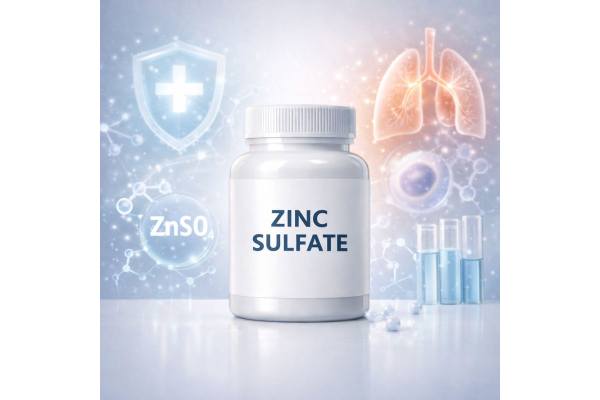
Zinc sulfate is a widely used, highly water-soluble form of zinc found in both dietary supplements and medical products. People reach for it for familiar reasons: zinc is essential for immune signaling, wound healing, taste and smell, and normal growth and reproduction. What makes zinc sulfate distinctive is not that it creates a “new” kind of zinc effect, but that it is a common, standardized salt used in research and clinical settings—often available in clearly defined strengths.
At the same time, zinc sulfate has a reputation for being more stomach-irritating than some other zinc forms, especially at higher doses. That makes good technique—elemental zinc math, timing with food, and avoiding long-term excess—more important than the brand name on the bottle. This guide explains how zinc sulfate works, what it is best used for, how to dose it safely, and how to spot the situations where zinc is more likely to harm than help.
Quick Summary
- Zinc sulfate can help correct low zinc intake and may support immune function and wound healing when a real gap exists.
- Higher doses are more likely to cause nausea, and long-term high-dose use can reduce copper absorption.
- A practical adult supplemental range is 10–30 mg elemental zinc per day, with 40 mg per day as a typical long-term upper limit from all sources.
- For short-term pediatric diarrhea support, common guidance uses 10–20 mg elemental zinc daily for 10–14 days (age-dependent).
- People with kidney disease, a history of copper deficiency, or complex medication regimens should avoid self-prescribing higher-dose zinc.
Table of Contents
- What is zinc sulfate and why its form matters
- What zinc sulfate is used for and who benefits most
- How to take zinc sulfate: dosage, timing, and duration
- Zinc sulfate vs other zinc forms: when to choose it
- Common mistakes and troubleshooting your zinc routine
- Side effects, interactions, safety red flags, and evidence
What is zinc sulfate and why its form matters
Zinc sulfate is a salt made from zinc and sulfate. In supplements, it is used as a practical carrier for zinc because it is stable, inexpensive, and dissolves well in water. Once it reaches your digestive tract, the “sulfate” part is not the goal; your body primarily uses the zinc ion that is released during digestion. That means zinc sulfate is best understood as a delivery form for zinc, not a unique type of nutrient with special biological actions.
The big “form” issue with zinc sulfate is elemental zinc. Supplement bottles and pharmacy products may list either:
- The amount of elemental zinc (the part you want), or
- The amount of zinc sulfate compound (which includes non-zinc weight)
This matters because zinc sulfate products often come in standardized strengths where the compound weight looks large compared with the elemental zinc. A common example is a capsule labeled 220 mg zinc sulfate that provides 50 mg elemental zinc. That can be appropriate in short clinical courses, but it is usually more than a typical “daily nutrition” supplement dose.
Another form detail is hydration state. Zinc sulfate may appear as monohydrate or heptahydrate in labeling. These are simply different water contents in the crystal structure. They can change the compound’s weight without changing the elemental zinc you receive. This is why the most trustworthy label is the one that explicitly states elemental zinc, such as “Zinc (from zinc sulfate) 15 mg.”
Finally, zinc sulfate has a real-world personality: it is effective at delivering zinc, but it can be rougher on the stomach than some other forms at equivalent elemental doses. That does not make it bad, but it shifts your strategy toward better timing, lower doses when possible, and clearer stop conditions.
If you treat zinc sulfate like “just zinc” while respecting its tendency to cause GI upset, you get the benefits of a reliable zinc source without falling into the most common problems: taking too much, taking it too long, or taking it in a way that guarantees nausea.
What zinc sulfate is used for and who benefits most
Zinc sulfate shows up in supplements because zinc deficiency risk is more common than many people realize, especially in diets low in zinc-rich foods or in conditions that reduce absorption. The most dependable benefits of zinc supplementation—regardless of form—happen when it corrects a shortfall. Zinc sulfate can do that well, but it is most useful when you match it to the right goal.
1) Correcting low intake and supporting normal immune function
Zinc supports immune cell development and signaling, and it helps your body maintain barriers like skin and the lining of the gut. People who are more likely to benefit from zinc sulfate include those with:
- Limited diets (low seafood and red meat, low total calories, or poorly planned plant-forward diets)
- Digestive conditions that reduce absorption (chronic diarrhea, inflammatory bowel disease, bariatric surgery history)
- Higher needs due to growth phases, frequent infections, or poor wound healing
If your zinc intake is already adequate, adding more zinc often produces side effects before it produces noticeable benefits.
2) Skin repair and wound healing support
Zinc is involved in collagen-related processes, inflammatory balance, and cell division—key pieces of tissue repair. In clinical research, zinc sulfate is frequently used in defined doses because it is standardized. Some people use zinc sulfate to support slow-healing skin issues, but the clearest value is still in correcting deficiency risk. Improvements, when they occur, usually take weeks, not days.
3) Short-term support in pediatric diarrhea care
In many care protocols for young children, short courses of oral zinc are used alongside oral rehydration to reduce diarrhea duration and recurrence risk. The dose is typically 10–20 mg elemental zinc daily for 10–14 days, depending on age. Importantly, these protocols are specific: they are not a reason for long-term high-dose zinc in children.
4) Medical and specialized uses
Zinc sulfate also appears in some medical contexts beyond general supplementation, including products used when oral intake is not possible (such as certain nutrition support settings). These uses are clinician-directed and should not be copied as self-treatment plans.
The practical takeaway: zinc sulfate is a solid zinc source when there is a real reason for zinc. The better you define the reason and the time window, the more likely you are to get benefits without the downsides of excess.
How to take zinc sulfate: dosage, timing, and duration
Zinc sulfate dosing should be planned in elemental zinc, then translated into the product you are using. This prevents accidental overdosing and helps you avoid the most common side effect: nausea.
Step 1: Choose an elemental zinc target that matches your goal
Common adult supplemental ranges:
- 10–15 mg elemental zinc per day for basic gap coverage
- 15–30 mg elemental zinc per day for a defined short-term goal (often 6–12 weeks)
- 40 mg elemental zinc per day is a common long-term upper limit from all sources unless a clinician directs otherwise
If you are considering 50 mg elemental zinc daily, treat that as a short-course, goal-specific dose, not a casual long-term routine.
For children, dosing should be age-specific and clinician-informed. For short-term diarrhea support in young children, many protocols use:
- 10 mg elemental zinc daily for infants under 6 months
- 20 mg elemental zinc daily for children 6 months and older
- Typical duration: 10–14 days
Step 2: Translate elemental zinc into zinc sulfate products
Many zinc sulfate products follow standardized conversions. A widely seen example is:
- 220 mg zinc sulfate providing 50 mg elemental zinc
Other strengths exist, and hydration state (monohydrate vs heptahydrate) can change the compound weight, so the safest approach is to rely on labels that clearly state elemental zinc. If the label does not, choose a different product.
Step 3: Timing for comfort and absorption
Zinc sulfate is more likely to cause nausea when taken on an empty stomach. Practical options:
- Take it with a meal or a substantial snack if you feel nauseated.
- Avoid pairing it with iron supplements at the same time; separate by 2–3 hours when possible.
- If you use high-dose calcium supplements, consider spacing those away as well.
Step 4: Set a duration and a reassessment point
Zinc routines go wrong when they have no endpoint. If your goal is immune or skin support, set a checkpoint, such as 8 weeks. If your goal is correcting a likely gap, you may step down to a lower maintenance dose or rely more on food. If you have ongoing symptoms that make you want to keep increasing zinc, pause and reassess—because that pattern is how people drift into copper depletion and chronic GI upset.
With zinc sulfate, the best dose is not the highest dose; it is the lowest dose that reliably meets your goal without side effects.
Zinc sulfate vs other zinc forms: when to choose it
People often ask whether zinc sulfate is “better” than zinc gluconate, citrate, picolinate, or oxide. In practice, zinc benefits come from zinc itself, and form differences are usually about tolerability, solubility, and how easy it is to dose consistently. Zinc sulfate has a clear set of strengths and trade-offs that can guide a practical choice.
Where zinc sulfate shines
- Standardized dosing: Zinc sulfate is frequently used in clinical settings and research, so products often come in defined strengths that make elemental zinc math straightforward.
- High solubility: It dissolves well, which can be useful in certain formulations (including liquids).
- Availability and cost: It is widely available and often affordable, which supports consistency.
Where zinc sulfate can be a poor fit
- Stomach sensitivity: Many people report more nausea or GI irritation with zinc sulfate, especially at higher doses or on an empty stomach.
- High-strength defaults: Some zinc sulfate products are packaged at 50 mg elemental zinc per capsule. That is not automatically wrong, but it can be excessive for long-term daily use if you do not have a clear reason.
When another form may make more sense
Consider a different zinc form if:
- You need a low daily dose for long-term maintenance and want the gentlest option.
- You have reflux, nausea, or a history of supplement intolerance.
- You already take a multivitamin and want to avoid stacking high-dose zinc.
A simple selection framework
If your goal is to correct a likely dietary gap, start with modest elemental zinc (10–15 mg/day) and choose a form you tolerate. If your goal is a defined short-term course (for example, a clinician-guided plan for deficiency risk), zinc sulfate’s standardized strengths can be convenient.
Also consider how your diet affects results. Diets high in phytates (common in whole grains and legumes) can reduce zinc absorption from both food and supplements. This does not mean you should avoid healthy plant foods; it means timing and consistency matter more. If you are plant-forward and zinc is a priority, choose a routine you can maintain and avoid “mega-dose swings.”
Zinc sulfate is a practical, established zinc form. It is not automatically superior, but it can be the right tool when you use it with dose discipline and stomach-aware timing.
Common mistakes and troubleshooting your zinc routine
Most negative zinc experiences happen for predictable reasons. Zinc sulfate, in particular, tends to punish sloppy technique with nausea. The good news is that the fixes are usually simple.
Mistake 1: Confusing zinc sulfate weight with elemental zinc
This is the most common dosing error. People see “220 mg” and assume it is a moderate dose, not realizing it may represent 50 mg elemental zinc. Fix: buy products that state elemental zinc clearly, and add up zinc from all supplements you take.
Mistake 2: Taking zinc sulfate on an empty stomach
Zinc-related nausea can be immediate and memorable. Fix options:
- Take zinc sulfate with food.
- Split the dose (for example, half with breakfast and half with dinner) if your product allows it.
- If nausea persists even with food, switch forms or reduce the elemental dose.
Mistake 3: Stacking zinc unknowingly
Zinc often appears in multivitamins, “immune” blends, lozenges, and even some denture adhesives. Fix: do a quick inventory and total your daily zinc. If you are already at 15–25 mg per day, adding a 50 mg zinc sulfate capsule may push you into a range where side effects and long-term risks increase.
Mistake 4: Ignoring mineral competition
Iron supplements and high-dose calcium can interfere with zinc absorption when taken at the same time. Fix: separate zinc from iron by a few hours when possible. If you take multiple minerals and spacing is hard, prioritize the mineral your clinician told you to treat, and keep the rest modest.
Mistake 5: No endpoint, no reassessment
Minerals are not meant to be escalated indefinitely. Fix: set a “check-in date” when you start. Ask:
- Is my original goal improving?
- Have side effects appeared?
- Can I step down to a lower dose or get more zinc from food?
What to do if you feel worse
If you develop persistent nausea, vomiting, unusual fatigue, or new neurologic symptoms, stop zinc and reassess. Zinc is supposed to support health, not become a daily stressor. In many cases, lowering the dose or shortening the course solves the problem; in others, it is a sign you should involve a clinician and consider other causes.
Side effects, interactions, safety red flags, and evidence
Zinc sulfate can be safe and useful, but safety is mostly about dose, duration, and interactions. This section gives you the guardrails that keep zinc from turning into a slow-moving problem.
Common side effects
Most side effects are dose-related:
- Nausea, stomach cramps, or reflux-like discomfort
- Metallic taste
- Diarrhea in sensitive people
If symptoms occur, the first-line fix is to take zinc with food or reduce the dose. Persistent vomiting or severe abdominal pain is a stop signal.
The long-term risk that matters most: copper depletion
Chronically high zinc intake can reduce copper absorption in the gut. Over time, copper deficiency can show up as:
- Fatigue and weakness that feel out of proportion
- Low white blood cells and frequent infections
- Anemia-like symptoms that do not improve with iron
- Neurologic symptoms (numbness, tingling, balance changes) in more severe cases
This is why long-term daily intake above common upper limits is not a casual choice. If you need ongoing zinc for medical reasons, monitoring is the safer path.
Medication interactions and spacing
Zinc can bind to certain medications and reduce absorption. Be especially careful with:
- Tetracycline antibiotics and fluoroquinolone antibiotics
- Penicillamine
- Any medication where a pharmacist advises mineral spacing
If you take daily prescriptions, a pharmacist can help you choose a dosing window that avoids conflicts.
Who should avoid self-prescribing zinc sulfate
Use clinician guidance if you are in any of these groups:
- Kidney disease or significant chronic illness
- History of copper deficiency, unexplained anemia, or low white blood cells
- Pregnancy or breastfeeding (especially higher-dose zinc plans)
- Children, unless dosing is clearly age-appropriate and time-limited
- People already using multiple supplements that contain zinc
What the evidence supports most strongly
The best-supported use of zinc supplementation is correcting low intake or deficiency risk, where improvements in immune resilience, tissue repair, and appetite-related cues can be meaningful over time. Evidence for treating common colds is mixed across studies and formulations: zinc may reduce the duration of an ongoing cold for some people, but it also tends to increase non-serious side effects, and results vary widely.
Zinc sulfate is often used as a standardized form in clinical trials, which supports its credibility as a zinc source. Still, the most reliable way to benefit is not chasing the “strongest” capsule—it is matching zinc to a real need, using a dose you tolerate, and stopping before long-term excess creates a new deficiency.
If zinc sulfate fits your budget and your stomach, it can be an effective tool. If it does not, the smarter choice is not to force it, but to adjust the form, lower the dose, or shift toward food-based zinc and targeted, time-limited supplementation.
References
- Zinc – Health Professional Fact Sheet 2022 (Guideline-Style Fact Sheet)
- Zinc supplementation in the management of diarrhoea 2023 (Guidance Summary)
- Zinc for prevention and treatment of the common cold – PubMed 2024 (Systematic Review)
- Efficacy of Oral Zinc Sulfate Supplementation on Clearance of Cervical Human Papillomavirus (HPV); A Randomized Controlled Clinical Trial – PubMed 2022 (RCT)
- Zinc (Zincaps) 50 mg capsule: Supply issue – Pharmac | Te Pātaka Whaioranga | NZ Government 2025 (Government Notice)
Disclaimer
This article is for educational purposes only and does not provide medical advice, diagnosis, or treatment. Zinc sulfate and other zinc supplements can cause side effects, can interfere with medication absorption, and may be unsafe at higher doses or with long-term use. If you are pregnant, breastfeeding, have kidney disease, have a history of anemia or copper deficiency, or take prescription medications (especially antibiotics), consult a qualified clinician or pharmacist before starting zinc sulfate or changing your zinc intake. Seek urgent medical care for severe reactions, persistent vomiting, or concerning neurologic symptoms.
If you found this guide helpful, please share it on Facebook, X (formerly Twitter), or any platform you prefer, and follow us on social media. Your support helps our team continue producing clear, trustworthy health content.