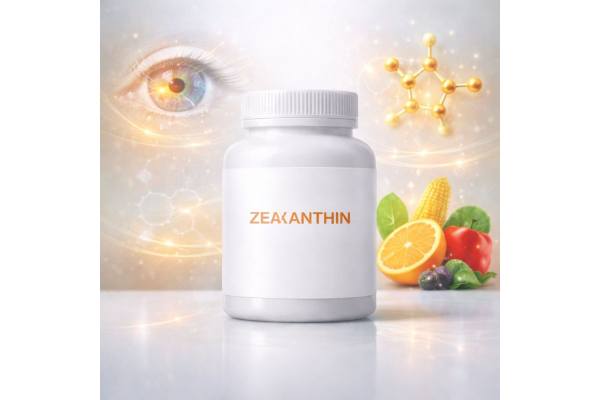
Zeaxanthin is a naturally occurring carotenoid pigment best known for its role in protecting the center of your retina (the macula), where sharp, detailed vision happens. It works like a built-in filter and antioxidant: it helps absorb high-energy blue light and supports the eye’s defense against oxidative stress that accumulates with age, sunlight exposure, and heavy screen time. Because zeaxanthin concentrates in retinal tissue, it has become a popular “eye nutrition” supplement—often paired with lutein in formulas inspired by major eye-health research.
This guide explains what zeaxanthin is, how it behaves in the body, what benefits are most realistic, and how to use it wisely. You’ll also learn practical dosing ranges, ways to improve absorption, who should avoid supplementation, and how to choose a product that matches your goals without overspending or taking unnecessary risks.
Essential Insights for Zeaxanthin
- Daily intake of 2–10 mg may support macular pigment and visual comfort over time.
- Benefits are most relevant for people with low dietary carotenoids, heavy screen exposure, or age-related macular concerns.
- Mild digestive upset can occur; take with a meal that contains fat.
- Avoid unsupervised use if pregnant, breastfeeding, or taking multiple high-dose antioxidants for medical reasons.
- People with diagnosed eye disease should not replace prescribed care with supplements.
Table of Contents
- What is zeaxanthin and why your eyes use it
- What benefits are realistic and who notices them most
- Best food sources and how to absorb more
- How much zeaxanthin should you take
- Side effects, interactions, and who should avoid it
- How to pick a supplement and track results
What is zeaxanthin and why your eyes use it
Zeaxanthin is a yellow-orange plant pigment from the carotenoid family. Unlike many nutrients that spread evenly across the body, zeaxanthin is “tissue-selective”: it preferentially accumulates in the eye, especially the macula. Along with lutein (and, in smaller amounts, meso-zeaxanthin), it forms the macular pigment—a thin protective layer that sits in front of the most light-sensitive part of the retina.
What it does in the macula
Macular pigment is often described as protective “sunglasses” for the retina, but the real story is more specific:
- Blue-light filtering: Zeaxanthin helps absorb shorter-wavelength, high-energy visible light before it reaches delicate retinal cells. This matters because blue light is scattered more easily, and higher scatter can reduce contrast and contribute to visual haze in bright conditions.
- Antioxidant defense: The retina is metabolically intense—it uses a lot of oxygen and is exposed to light, which increases oxidative stress. Zeaxanthin can help neutralize reactive oxygen species and support the stability of cell membranes rich in polyunsaturated fats.
- Inflammation support: Oxidative stress and inflammation often travel together. Zeaxanthin’s role is not as a medication, but as part of the nutritional environment that may support calmer retinal tissue over the long run.
Zeaxanthin vs lutein
They’re closely related and commonly taken together. A practical way to think about the difference: lutein is more dominant in the peripheral retina, while zeaxanthin is more concentrated in the central macula—the region most responsible for reading, driving, and recognizing faces. Many supplements use a ratio that mirrors common research dosing patterns (often around 5:1 lutein to zeaxanthin), but the “best” balance depends on your diet, genetics, and baseline macular pigment.
Why supplementation can help
You cannot synthesize zeaxanthin; you must get it from food. Modern diets can be low in colorful vegetables, and even a good diet may not deliver the amounts used in many clinical trials. Supplementation is essentially a targeted way to raise intake consistently, giving the body a steady supply to build and maintain macular pigment over months rather than days.
What benefits are realistic and who notices them most
Zeaxanthin is best viewed as a long-game nutrient: its main value comes from supporting retinal resilience and visual function over time, not from creating a fast, dramatic effect. Some people notice subjective improvements within weeks (often related to comfort), but the more meaningful changes—like higher macular pigment—typically require consistent use for several months.
Eye benefits with the strongest rationale
- Macular pigment support (foundation benefit): Raising macular pigment is a common measurable target in studies. More pigment generally means more blue-light filtering and potentially better light handling.
- Visual performance in challenging light: Some users report improved tolerance to glare, brighter outdoor conditions, or nighttime contrast. These are plausible outcomes because filtering scattered light can improve contrast sensitivity, especially in bright environments.
- Age-related macular degeneration support (specific context): Zeaxanthin is often included in eye-health formulas intended for people at risk of or living with intermediate age-related macular degeneration (AMD). In that context, it is commonly used as part of a broader nutrient pattern—rather than a stand-alone “fix.”
Screen comfort and eye strain
For people with heavy daily screen exposure, zeaxanthin’s benefits are usually described in terms of comfort and visual fatigue rather than preventing “screen damage.” Digital eye strain is multi-factorial: blink rate, dryness, viewing distance, lighting, and uncorrected vision often matter more than supplements. That said, supporting macular pigment and reducing oxidative load may help some people feel less strain, especially when combined with practical habits (regular breaks, proper correction, and good lighting).
Potential cognitive and performance angles
Because lutein and zeaxanthin are also found in brain tissue, some research explores links to attention, processing speed, and memory. These findings are interesting, but they’re not a reason to treat zeaxanthin as a cognitive supplement for everyone. If you’re choosing it primarily for brain benefits, you should set expectations modestly and focus on whole-diet patterns first.
Who is most likely to notice a difference
- People with low fruit and vegetable intake
- Adults over 50, especially with family history of macular issues
- People with high glare sensitivity or frequent bright outdoor exposure
- Heavy screen users who also address dryness and ergonomics
If your diet is already rich in leafy greens and you eat eggs regularly, you may still benefit—but the change may be subtler and slower.
Best food sources and how to absorb more
Food-first is a smart strategy with zeaxanthin because it typically comes bundled with complementary nutrients (other carotenoids, vitamin C, polyphenols, healthy fats). A supplement can help fill gaps, but your baseline diet still matters for steady long-term intake.
Top dietary sources of zeaxanthin
Zeaxanthin is especially concentrated in yellow-orange and dark-green plants. Practical options include:
- Corn (a classic zeaxanthin source in many diets)
- Orange and yellow peppers
- Egg yolks (often lower total carotenoids than vegetables but high bioavailability)
- Leafy greens such as spinach and kale (more lutein overall, but still meaningful carotenoids)
- Orange produce such as certain squash varieties and persimmons (amounts vary widely)
A useful rule: deep color usually signals carotenoids, but the exact mix differs by food.
How to improve absorption
Zeaxanthin is fat-soluble, so absorption is strongly influenced by meal composition. To get more from both food and supplements:
- Add dietary fat: Olive oil, avocado, nuts, seeds, or yogurt can improve carotenoid uptake.
- Choose gentle cooking for greens: Light sautéing can break down plant cell walls, making carotenoids easier to absorb than in raw leaves. Avoid burning or overcooking.
- Pair with eggs or healthy oils: Eggs are a “delivery system” for carotenoids because of their fat matrix.
- Be consistent: Daily intake matters more than occasional large servings.
Supplement forms you’ll see on labels
Most zeaxanthin supplements come from marigold extracts or similar carotenoid sources and are delivered as softgels, beadlets, or gummies. You may see:
- Zeaxanthin alone (less common)
- Lutein plus zeaxanthin (most common)
- Lutein, zeaxanthin, and meso-zeaxanthin (often marketed for macular pigment “coverage”)
If your goal is general eye support, a paired lutein-zeaxanthin product is usually the most practical choice. If your goal is specifically to follow an evidence-informed approach for AMD risk, products that align with widely used eye-health formulas may be more relevant—ideally guided by your eye-care professional.
Food remains the low-risk baseline. Supplements are best used to make “good enough intake” easier to achieve every day.
How much zeaxanthin should you take
The “right” zeaxanthin dose depends on your goal, your diet, and whether you’re taking it alone or as part of a combination formula. Most clinical research uses zeaxanthin in combination with lutein, so practical dosing is often discussed as a pair.
Common daily dosage ranges
For generally healthy adults, typical supplemental intakes fall into these ranges:
- 2 mg per day: A conservative, maintenance-level amount, especially if your diet is carotenoid-rich.
- 4–10 mg per day: A common range for eye-focused supplements aiming to meaningfully support macular pigment over time.
- Up to 20 mg per day (short-term in some studies): Usually reserved for specific protocols and should be approached thoughtfully, especially if combined with other high-dose antioxidants.
If you’re using a formula that includes lutein, a very common pairing is 10 mg lutein with 2 mg zeaxanthin daily. Some products use higher zeaxanthin amounts; that is not automatically better—think in terms of “enough to be consistent,” not “as much as possible.”
When to take it
- With a meal that contains fat (breakfast or lunch works well for many people).
- If you get mild nausea, avoid taking it on an empty stomach and consider splitting the dose (for example, half with breakfast and half with dinner) if your product allows it.
How long until you can judge results
Zeaxanthin is not a stimulant; you’re rebuilding a pigment and antioxidant environment.
- 2–6 weeks: Possible changes in visual comfort for some people.
- 8–16 weeks: A more reasonable window to expect measurable macular pigment changes.
- 6–12 months: Best window for evaluating long-term eye-health strategies alongside regular eye exams.
Combining with other nutrients
Zeaxanthin is often stacked with omega-3s, vitamin C, vitamin E, zinc, and copper in eye-health blends. This can be sensible, but more ingredients also means more chances for excess intake or interactions. If you already take a multivitamin, compare labels to avoid unintentionally doubling zinc or fat-soluble vitamins.
If you have intermediate AMD or have been advised to take a specific eye-health formula, treat that recommendation as the starting point—and only customize with a clinician’s guidance.
Side effects, interactions, and who should avoid it
Zeaxanthin is generally well tolerated in typical supplemental amounts, but “generally safe” is not the same as “risk-free for everyone.” Side effects are usually mild, yet it’s important to know what to watch for—especially when zeaxanthin is taken inside multi-ingredient eye formulas.
Possible side effects
Most reported issues are digestive and often improve with food-based dosing:
- Mild nausea or stomach discomfort
- Loose stools (less common)
- Aftertaste with some softgels or gummies
At high intakes of carotenoids (from supplements or an unusually carotenoid-heavy diet), some people can develop yellow-orange skin discoloration. This is typically harmless and reversible, but it’s a sign to reduce excess intake and review your supplement stack.
Interactions and “stacking” cautions
Zeaxanthin itself is not known for strong drug-like interactions, but combinations can matter:
- Blood thinners and surgery planning: Zeaxanthin is often packaged with vitamin E or omega-3s, which may affect bleeding risk in susceptible people. If you’re on anticoagulants or preparing for surgery, discuss the full formula—not just zeaxanthin.
- High-dose zinc formulas: Some eye-health products contain substantial zinc and add copper to balance it. Taking additional zinc elsewhere can push you above comfortable intake levels.
- Smokers and certain antioxidant formulas: Some older eye formulas used beta-carotene, which is not recommended for smokers due to lung cancer risk signals seen in research. Modern eye formulas often use lutein and zeaxanthin instead, but it’s still worth reading labels carefully.
Who should avoid zeaxanthin unless a clinician approves
- Pregnant or breastfeeding individuals: Human safety data for high-dose supplementation is limited; food sources are the safer baseline.
- Children: Use only under pediatric guidance unless a clinician recommends a specific product and dose.
- People with complex medical conditions (liver disease, malabsorption disorders) where fat-soluble nutrient handling may be altered.
- Anyone taking multiple antioxidant supplements who hasn’t compared total daily intakes across products.
When to stop and get checked
Stop supplementation and seek medical advice if you experience allergic symptoms (rash, swelling, breathing difficulty), persistent gastrointestinal symptoms, or any sudden vision changes (such as distortion, dark spots, or rapid loss of clarity). Supplements should never delay urgent eye evaluation.
Used thoughtfully, zeaxanthin is a low-drama supplement—but the safest approach is still: appropriate dose, taken with food, and aligned with your personal risk profile.
How to pick a supplement and track results
Choosing a zeaxanthin supplement is less about hype and more about matching the product to your goal, then evaluating whether it’s actually doing anything meaningful for you.
What to look for on the label
A high-quality product is usually clear about dose and composition:
- Zeaxanthin amount in mg (not just “carotenoid complex”)
- Whether it includes lutein and the dose ratio
- The serving size and whether the dose is per capsule or per two capsules
- The form (softgel, beadlet, gummy) and added ingredients (sweeteners, colors, oils)
If you’re aiming for research-aligned eye support, many people choose a product close to 10 mg lutein plus 2 mg zeaxanthin daily. If you’re already eating carotenoid-rich foods daily, you may prefer a lower-dose product for maintenance.
Quality signals that matter
Because supplements vary in purity and label accuracy, prioritize:
- Third-party testing (verification programs or independent lab testing)
- Reputable manufacturing standards (clear company identity, lot numbers, expiration dates)
- Reasonable formulation (avoids unnecessary megadoses of multiple antioxidants unless medically advised)
Also consider practical tolerability. A product you can take consistently for months is more useful than a “perfect” formula you abandon after two weeks due to nausea or aftertaste.
How to track progress without guessing
You can combine subjective and objective checks:
- Comfort log (2 minutes/week): glare sensitivity, screen fatigue, night driving discomfort, dryness symptoms.
- Consistency audit: how many days per week you actually take it, and whether you take it with fat-containing meals.
- Eye exam alignment: keep regular eye appointments and ask whether macular health markers are stable. If you have AMD risk, follow the care plan your clinician recommends.
Common mistakes to avoid
- Expecting results in days instead of months
- Taking it without food (then quitting due to stomach upset)
- Doubling up multiple eye formulas and overshooting zinc or vitamin E
- Using supplements as a substitute for basic eye habits: sun protection, dry-eye care, and updated prescriptions
Zeaxanthin works best as one piece of a wider plan: consistent nutrition, smarter light habits, and appropriate clinical monitoring when needed.
References
- Age-Related Eye Disease Studies (AREDS/AREDS2) | National Eye Institute 2025 (Guideline and Trial Summary)
- Long-term Outcomes of Adding Lutein/Zeaxanthin and ω-3 Fatty Acids to the AREDS Supplements on Age-Related Macular Degeneration Progression: AREDS2 Report 28 – PMC 2022 (Clinical Trial Follow-up)
- Potential roles of dietary zeaxanthin and lutein in macular health and function – PMC 2022 (Review)
- The Effect of Dietary Supplementations on Delaying the Progression of Age-Related Macular Degeneration: A Systematic Review and Meta-Analysis – PubMed 2022 (Systematic Review and Meta-Analysis)
- Effect of macular pigment carotenoids on cognitive functions: A systematic review – PubMed 2022 (Systematic Review)
Disclaimer
This article is for educational purposes only and does not provide medical advice, diagnosis, or treatment. Supplements such as zeaxanthin can affect individuals differently based on diet, health conditions, medications, and total nutrient intake from other products. If you are pregnant or breastfeeding, have an eye disease (including age-related macular degeneration), take prescription medications (especially anticoagulants), or have a chronic medical condition, consult a qualified clinician before starting or changing any supplement. Seek urgent medical care for sudden vision changes, eye pain, flashes, or new blind spots.
If you found this guide useful, please consider sharing it on Facebook, X (formerly Twitter), or any platform you prefer, and follow us on social media. Your support helps our team keep producing clear, evidence-informed health content.