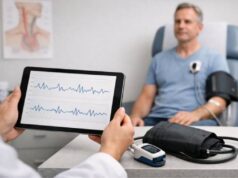
Bradycardia means a slower-than-usual heart rate—typically under 60 beats per minute in adults. Sometimes it is completely normal, especially during sleep or in well-trained athletes. Other times, it signals that the heart’s electrical system is struggling to keep pace with the body’s needs. That gap matters because the brain and muscles depend on steady blood flow, and a heart that beats too slowly can cause fatigue, dizziness, fainting, or chest discomfort. Bradycardia can also appear quietly, discovered on a routine ECG, but still carry risk if it reflects a conduction problem such as heart block. This guide explains what bradycardia is, what causes it, who is at risk, how it is diagnosed, and which treatments and daily strategies help most.
Table of Contents
- What bradycardia is and when it matters
- What causes bradycardia and who is at risk
- First symptoms and possible complications
- How bradycardia is diagnosed
- Treatments that work and what to expect
- Daily management and when to seek help
What bradycardia is and when it matters
Your heart beats because a built-in electrical “starter” (the sinus node) fires signals that travel through wiring pathways to the lower chambers (ventricles). Bradycardia happens when that signal starts too slowly, pauses too long, or fails to travel correctly.
A resting heart rate below 60 beats per minute is a common cutoff, but the number alone does not tell the whole story. A healthy 45 beats per minute in a runner who feels well is very different from 45 beats per minute in someone who feels lightheaded while standing at the sink. What matters most is whether the slow rate reduces blood flow enough to cause symptoms or whether it reflects an electrical block that could worsen.
Clinicians often group bradycardia by where the problem lives:
- Sinus bradycardia: the sinus node fires slowly but signals still travel normally. This can be normal in sleep, fitness, or during deep relaxation, and it can also occur with medications or illness.
- Sinus node dysfunction: the sinus node is unreliable—slow, “pausy,” or unable to speed up with activity (chronotropic incompetence). People may feel winded on stairs because the heart rate cannot rise appropriately.
- Atrioventricular (AV) block: signals from the atria do not reach the ventricles well. Higher-grade blocks are more concerning because the ventricles may beat too slowly to support the brain and vital organs.
Bradycardia becomes more urgent when it is new, symptomatic, or linked to a conduction block. A simple way to think about it: if a slow pulse matches how you feel—dizzy, faint, weak, short of breath—bradycardia is likely clinically important. If it is discovered incidentally, the key question shifts to why it’s slow and whether the pattern is safe.
What causes bradycardia and who is at risk
Bradycardia has many causes, and the safest management usually starts with separating reversible triggers from structural or age-related electrical disease.
Common reversible causes include:
- Medications that slow conduction: beta blockers, certain calcium channel blockers (verapamil, diltiazem), digoxin, some antiarrhythmics, and a few sedatives or opioids.
- Thyroid and metabolic issues: hypothyroidism can slow the heart; severe malnutrition can also lower resting rate.
- Electrolyte disturbances: high potassium (hyperkalemia) is a classic cause of dangerous slow rhythms; magnesium and calcium abnormalities can contribute.
- Oxygen and breathing problems: sleep apnea and low oxygen states can promote slow rhythms, especially overnight.
- Infection and inflammation: myocarditis (inflammation of heart muscle) or systemic infections can disrupt conduction temporarily.
- Vagal surges: pain, nausea, straining on the toilet, or sudden fear can trigger a strong vagal response, producing sudden slowing or fainting.
Non-reversible or longer-term causes include:
- Age-related fibrosis (“wear and tear”) of the sinus node or conduction pathways, one of the most common reasons in older adults.
- Coronary artery disease and prior heart attack: damage near conduction tissue can create persistent slow rhythms or AV block.
- Cardiomyopathies and infiltrative disease: conditions that change heart structure (including some genetic or inflammatory illnesses) may involve conduction tissue.
- Post-procedure conduction injury: bradycardia can appear after valve procedures, ablations, or heart surgery due to swelling or injury near conduction pathways.
Risk factors cluster into a few patterns:
- Older age, especially with a history of heart disease.
- Known conduction issues (bundle branch block, prior AV block episodes).
- Medication combinations that add “braking” effects (for example, a beta blocker plus verapamil).
- Sleep apnea, particularly if untreated.
- Kidney disease, which increases the risk of electrolyte shifts and medication buildup.
A practical takeaway: many cases are not “mysterious.” If bradycardia is new, clinicians often look first for medication effects, thyroid status, electrolytes, oxygenation, and recent infections—because fixing these can correct the rhythm without long-term intervention.
First symptoms and possible complications
Bradycardia symptoms often reflect reduced blood flow, especially to the brain. The challenge is that symptoms can be subtle at first, and people sometimes attribute them to stress, aging, or dehydration.
Common early symptoms include:
- Fatigue that feels “heavy” rather than sleepy
- Lightheadedness or feeling unsteady when standing
- Near-fainting or fainting (syncope)
- Shortness of breath on exertion, especially climbing stairs
- Exercise intolerance, including a sense that the legs “won’t turn on”
- Chest pressure (particularly if coronary disease is present)
- Confusion or slowed thinking in older adults during episodes
Symptoms often come and go because the heart rate can fluctuate. A person may feel normal at rest but struggle when walking if the heart cannot speed up appropriately. Others may have sudden pauses that cause brief “blackout” episodes.
Potential complications depend on the underlying pattern:
- Falls and injuries: fainting can lead to head injury or fractures.
- Worsening heart failure: an overly slow heart rate can lower cardiac output; in some people, bradycardia can worsen fluid retention and breathlessness.
- Angina or ischemia: if the heart cannot increase output during activity, the heart muscle may not get enough oxygen.
- Dangerous conduction block: high-grade AV block can produce very slow escape rhythms and, in severe cases, collapse.
- Quality-of-life decline: persistent fatigue and reduced activity can spiral into deconditioning, which then worsens symptoms.
Red flags that should be treated as urgent include:
- Fainting, especially without warning
- Chest pain, severe shortness of breath, or new confusion
- A heart rate that stays very low (for example, under 40) with symptoms
- Bradycardia after a recent procedure (such as valve replacement) or during an acute illness
- Signs of poor perfusion: cool clammy skin, very low blood pressure, or inability to stay awake
A useful self-check: if symptoms improve when the heart rate rises (after walking, standing, or anxiety) but worsen when it slows, bradycardia is more likely part of the story. If symptoms occur regardless of rate, clinicians broaden the search to include anemia, dehydration, lung disease, medication side effects, and neurologic causes.
How bradycardia is diagnosed
Diagnosis is not just confirming a slow pulse—it is proving what rhythm is present, why it is happening, and whether it matches symptoms. The most valuable diagnosis often comes from correlating the rhythm with a real-life episode.
Typical steps include:
- History and medication review
Clinicians ask when symptoms occur (rest, exertion, after meals, during sleep), whether there are triggers (standing quickly, straining), and which medications or supplements might slow the heart. - Physical exam and vital signs
Blood pressure patterns matter. Bradycardia with low blood pressure is more concerning than bradycardia with stable pressures. - Electrocardiogram (ECG)
The ECG shows the electrical “map”: sinus bradycardia, sinus pauses, AV block level, bundle branch block, or junctional/ventricular escape rhythms. The pattern guides urgency and treatment decisions. - Ambulatory monitoring
If symptoms are intermittent, clinicians may use a Holter monitor (often 24–48 hours), longer patch monitors (days to weeks), or an implantable loop recorder for infrequent but serious events (like unexplained fainting). The goal is catching a slow episode as it happens. - Blood tests when relevant
Common tests include electrolytes, kidney function, thyroid function (TSH), and sometimes markers of heart injury or infection depending on context. - Exercise testing
If fatigue occurs with activity, a treadmill or bike test can show whether the heart rate increases appropriately. Failure to rise with exertion suggests chronotropic incompetence. - Echocardiogram and imaging
An ultrasound may be used to assess heart structure and pumping function, especially if conduction disease suggests underlying cardiomyopathy or if symptoms are significant. - Sleep evaluation
When nighttime bradycardia is prominent—especially with snoring, witnessed pauses in breathing, or daytime sleepiness—evaluation for sleep apnea can be crucial.
A key diagnostic principle: symptoms plus documented bradycardia carries more weight than either alone. A person can have a slow heart rate and feel well, or feel unwell for reasons unrelated to rhythm. Good diagnosis respects both realities—confirming rhythm and looking for reversible contributors before labeling bradycardia as permanent electrical disease.
Treatments that work and what to expect
Treatment depends on urgency, symptoms, and the rhythm pattern. Many people do not need treatment for the number itself—they need treatment for the cause, or for a dangerous conduction block.
If bradycardia is mild and you feel well
Management may be simple observation, especially if the slow rate occurs during sleep, in fitness, or without concerning ECG features. Clinicians may recommend periodic monitoring and review of medications and thyroid status.
If bradycardia is due to a reversible trigger
Treatment focuses on correction:
- Adjusting or stopping rate-slowing medications when safe
- Treating hypothyroidism
- Correcting electrolyte abnormalities (especially potassium)
- Treating infection or inflammation
- Addressing sleep apnea, which can reduce nocturnal rhythm problems and improve daytime energy
If bradycardia is causing symptoms or instability
Acute symptomatic bradycardia is treated as a medical emergency when there is low blood pressure, chest pain, severe shortness of breath, altered mental status, or fainting. Clinicians may use:
- Atropine (a medication that can increase heart rate in certain bradycardias)
- Temporary pacing (transcutaneous pads or a temporary pacing wire) if medication is ineffective or if high-grade block is present
- Supportive care such as fluids, oxygen, and correction of underlying triggers
Permanent pacemakers
A pacemaker is considered when bradycardia is persistent, symptomatic, and not reversible—or when certain conduction blocks carry high risk. Common scenarios include:
- Symptomatic sinus node dysfunction (including significant pauses)
- High-grade AV block or complete heart block
- Bradycardia that prevents needed medications (for example, a beta blocker required for another condition)
Modern pacing strategies increasingly aim to preserve natural heart activation. For some patients, clinicians consider more physiologic pacing approaches that reduce pacing-related heart weakness over time, especially when a high amount of ventricular pacing is expected.
What to expect with a pacemaker:
- Implantation is usually a short procedure, often with light sedation.
- Recovery typically involves limiting heavy lifting and overhead arm movement on the implant side for a period of time.
- Follow-up includes device checks (in-clinic or remote), symptom review, and adjustments to pacing settings.
The goal is not merely to “speed up” the heart, but to restore reliable rhythm so the brain and body get consistent blood flow—particularly during activity and position changes.
Daily management and when to seek help
Living well with bradycardia—whether monitored conservatively or treated with a pacemaker—usually comes down to tracking patterns, reducing triggers, and knowing when symptoms signal something urgent.
Practical daily strategies
- Know your baseline: Check your pulse at rest and after a short walk on a few normal days. A baseline helps you recognize meaningful changes.
- Track symptoms with context: If dizziness occurs, note what you were doing (standing up, after a meal, during exercise) and whether it resolved quickly.
- Hydration and steady meals: Dehydration and low blood sugar can amplify lightheadedness, especially if vagal reflexes contribute.
- Move gradually: If you get dizzy standing, rise slowly, pause at the edge of the bed, and use support when needed.
- Review medications regularly: Ask your clinician whether any medication might contribute to a low heart rate—especially if multiple rate-slowing drugs are used.
- Prioritize sleep quality: If you snore loudly, have morning headaches, or feel unrefreshed, consider evaluation for sleep apnea.
- Exercise thoughtfully: Many people with stable bradycardia can exercise safely, but symptom-limited pacing problems (like chronotropic incompetence) may require tailored plans. If you have a pacemaker, ask about safe heart-rate targets and device settings that support activity.
If you have a pacemaker
- Attend scheduled device checks; small setting adjustments can make a big difference in fatigue and exercise tolerance.
- Report new symptoms promptly, especially fainting, sustained dizziness, or breathlessness.
- Carry device identification information (paper or digital) for medical visits and travel.
When to seek urgent care
Seek emergency evaluation if bradycardia is paired with:
- Fainting, seizure-like activity, or repeated near-fainting
- Chest pain, severe shortness of breath, or new neurologic symptoms
- Confusion, inability to stay awake, or signs of shock (cold clammy skin, very low blood pressure)
- A very slow heart rate with symptoms that does not resolve
Prevention and long-term outlook
Not all bradycardia is preventable, but many complications are. Managing blood pressure, diabetes, and cholesterol supports the heart’s structure and blood supply. Avoiding medication stacking, monitoring kidney function when on rate-slowing drugs, and treating sleep apnea can reduce episodes. For those who need pacing, outcomes are often excellent—because the treatment targets reliability, not perfection. The best long-term results usually come from a clear plan: identify the rhythm type, fix reversible causes, treat high-risk conduction disease, and support day-to-day confidence with symptom tracking and follow-up.
References
- 2021 ESC Guidelines on cardiac pacing and cardiac resynchronization therapy 2021 (Guideline)
- 2023 HRS/APHRS/LAHRS guideline on cardiac physiologic pacing for the avoidance and mitigation of heart failure 2023 (Guideline)
- EHRA clinical consensus statement on conduction system pacing implantation: executive summary. Endorsed by the Asia-Pacific Heart Rhythm Society (APHRS), Canadian Heart Rhythm Society (CHRS) and Latin-American Heart Rhythm Society (LAHRS) 2023 (Consensus Statement)
- Methylxanthines for the treatment of sinus node dysfunction and atrioventricular block: A systematic review and meta-analysis 2025 (Systematic Review)
Disclaimer
This article is for educational purposes only and does not provide medical advice, diagnosis, or treatment. Bradycardia can be benign or medically urgent depending on the cause and symptoms. If you have chest pain, fainting, severe shortness of breath, confusion, or a very slow pulse with weakness or dizziness, seek emergency care. For personalized guidance—especially about medications, test results, or pacemaker decisions—consult a qualified clinician who can evaluate your full medical history and current condition.
If you found this guide helpful, please consider sharing it on Facebook, X (formerly Twitter), or any platform you prefer, and follow us on social media. Your support helps our team continue producing clear, reliable health content.