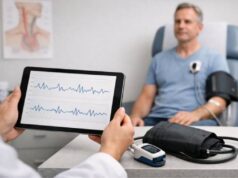
Behçet’s disease is a long-term inflammatory illness in which the immune system repeatedly attacks blood vessels and surrounding tissues. It often announces itself with painful mouth ulcers that keep returning, but it can also affect the eyes, skin, joints, nervous system, and large veins and arteries. Because symptoms can appear months or years apart, many people are told they have “separate problems” before the pattern becomes clear. There is no single blood test that proves the diagnosis, so clinicians rely on a careful history, targeted examination, and a few supportive tests. The good news is that treatment has become more precise: therapy is chosen based on which organs are involved and how much risk there is for lasting damage. This guide walks you through what the disease is, why it happens, what it feels like, how it is diagnosed, and how treatment and day-to-day management can protect your health.
Table of Contents
- What Behçet’s disease is and how it harms tissues
- What causes Behçet’s disease and who is at risk
- Early symptoms and serious complications
- How doctors diagnose Behçet’s disease
- Treatments by symptom and organ involvement
- Living well, preventing flares, and when to get help
What Behçet’s disease is and how it harms tissues
Behçet’s disease is a type of vasculitis, meaning inflammation of blood vessels. What makes it distinctive is that it can involve veins and arteries of many sizes, and it can flare and quiet down repeatedly. During a flare, the lining of blood vessels becomes inflamed and “leaky,” which can trigger pain, ulcers, redness, swelling, and—in certain organs—dangerous complications such as vision loss, clots, or aneurysms.
A helpful way to think about the disease is in three layers:
- Surface inflammation: Recurrent mouth ulcers and genital ulcers are the best-known signs. Skin inflammation can show up as acne-like bumps, tender nodules on the legs, or inflamed areas that resemble folliculitis.
- Deep organ inflammation: The eyes (uveitis), joints (arthritis-like pain and swelling), gut (ulcers that can mimic inflammatory bowel disease), and nervous system (neuro-Behçet) can be involved.
- Blood-vessel events: Inflammation can cause veins to clot, especially in the legs, and can also involve large arteries, sometimes forming aneurysms.
Behçet’s disease is not contagious, and it is not “just ulcers.” It is best understood as a misdirected immune response occurring in a genetically susceptible person, often set off by environmental triggers. Immune cells that normally protect you from infections can become overactive and release inflammatory signals (cytokines) that injure vessel walls and mucosal surfaces.
The course is highly variable. Some people experience mostly mucocutaneous disease (mouth, genital, and skin lesions) with intermittent joint pain. Others develop major organ involvement, especially eye disease or vascular and neurologic complications, which require fast and aggressive treatment to prevent permanent damage.
One practical insight is that Behçet’s disease is “organ-led.” The same diagnosis can look very different from one person to the next, so management is less about a single universal medicine and more about matching treatment intensity to the organs involved and the risk of irreversible harm.
What causes Behçet’s disease and who is at risk
The exact cause of Behçet’s disease is unknown, but most experts describe it as a gene–environment interaction. Certain immune pathways appear primed to overreact, and then infections, microbiome changes, or other inflammatory stressors may nudge the system into repeated flares.
Key contributors include:
- Genetic susceptibility: The strongest known association is with HLA-B51 in many populations. This does not mean HLA-B51 causes the disease, and many people with HLA-B51 never develop Behçet’s disease. It is better viewed as a risk “background” that changes how the immune system presents and responds to antigens.
- Immune dysregulation: Behçet’s disease often features heightened activity of neutrophils (a type of white blood cell) and increased inflammatory cytokines. This helps explain why symptoms can involve both superficial ulcers and deeper vessel inflammation.
- Environmental and infectious triggers: Flares are sometimes reported after viral illnesses, dental infections, or periods of high inflammatory load. The trigger may not be a single germ; rather, it may be the immune response to common microbes in someone who is genetically susceptible.
Who is more likely to develop it?
- Geography and ancestry: Behçet’s disease is more common in regions along the historic Silk Road (from the Mediterranean through the Middle East to East Asia), but it can occur anywhere.
- Age: Onset often occurs in young adulthood, though children and older adults can be affected.
- Sex: Disease severity patterns vary by population, but in many cohorts, men are more likely to develop severe eye or vascular involvement.
Risk factors for more complicated disease often relate to organ involvement rather than a single lab value. In practice, clinicians become especially vigilant when a person has:
- Prior or current eye inflammation
- A history of vein clots, chest pain with coughing blood, or unexplained swelling in one leg
- Neurologic symptoms such as persistent severe headaches, weakness, or balance problems
- Gastrointestinal bleeding or significant, recurring abdominal pain
It is also important to name what is not proven. Behçet’s disease is not caused by diet, not caused by “low immunity,” and not something you bring on by stress alone. Stress can worsen symptoms indirectly—by disrupting sleep, increasing inflammation, and making pain harder to tolerate—but it is not the root cause. Understanding these distinctions can reduce self-blame and focus attention on the risk factors you can actually modify, such as smoking avoidance, sleep quality, infection prevention habits, and steady follow-up with a specialist team.
Early symptoms and serious complications
Behçet’s disease often begins with symptoms that seem common and “local,” then gradually reveals a systemic pattern. The timing can be confusing: mouth ulcers may appear for years before eye, vascular, or neurologic signs show up.
Common early and recurring symptoms include:
- Oral ulcers: Painful, shallow sores that recur. They can make eating and brushing teeth difficult and may heal and return in cycles.
- Genital ulcers: Similar sores, often painful, that may leave scars after healing.
- Skin lesions: Acne-like bumps, inflamed pustules, or tender nodules on the shins that resemble erythema nodosum.
- Joint pain and swelling: Often affects knees, ankles, or wrists. It can flare and settle without causing permanent joint damage in many cases.
- Eye symptoms: Red eye, pain, light sensitivity, blurred vision, floaters, or sudden loss of vision can signal uveitis, which needs urgent evaluation.
Major organ involvement can be subtle at first but carries higher stakes.
Vascular complications may include:
- Deep vein thrombosis: Swelling, pain, warmth, or redness in one leg. In Behçet’s disease, clots are often driven by vessel-wall inflammation rather than a classic “thin blood” problem.
- Large-vessel inflammation: This can affect major veins and arteries. Arterial involvement can rarely form aneurysms, which can be life-threatening if they rupture.
- Chest symptoms: Shortness of breath, chest pain, or coughing blood can be a warning sign of serious vascular involvement and requires emergency care.
Neurologic complications may include:
- Parenchymal neuro-Behçet: Inflammation of brain tissue that can cause weakness, speech changes, balance problems, confusion, or severe headache.
- Cerebral venous sinus thrombosis: A clot in the veins that drain the brain, often presenting with severe headache, vision changes, or vomiting.
Gastrointestinal complications may include:
- Abdominal pain, diarrhea, weight loss, or intestinal bleeding, sometimes from ulcers in the bowel.
Because symptoms are varied, it helps to know the “do not wait” warnings:
- New vision loss, severe eye pain, or a curtain-like change in vision
- Stroke-like symptoms: facial droop, arm weakness, speech difficulty, sudden severe imbalance
- Coughing blood, severe chest pain, or sudden shortness of breath
- Severe headache that is unusual for you, especially with vomiting, vision changes, or neurologic deficits
- Black stools or significant rectal bleeding
Behçet’s disease can be manageable, but the window to prevent permanent harm—especially in the eyes, brain, and large vessels—depends on recognizing these complications early and escalating treatment quickly when needed.
How doctors diagnose Behçet’s disease
Behçet’s disease is diagnosed clinically, meaning the diagnosis is based on the pattern of symptoms and signs rather than a single definitive test. That can feel unsettling, but it is common in complex inflammatory diseases where no single biomarker is reliable.
Most clinicians use structured classification criteria to support diagnosis. These criteria assign weight to features such as recurrent oral ulcers, genital ulcers, eye inflammation, skin lesions, vascular involvement, neurologic involvement, and the pathergy test. The criteria are not perfect—especially early in the disease—but they create a shared language for clinicians and help reduce misdiagnosis.
A typical diagnostic workup includes:
- Detailed history and timeline
- Frequency and duration of oral and genital ulcers
- Eye symptoms, even if intermittent
- Past episodes of unexplained clots, neurologic symptoms, or gastrointestinal bleeding
- Family background and geographic ancestry, which can help calibrate probability
- Medication history and infections that may mimic ulcer patterns
- Focused physical examination
- Oral cavity and genital exam (when appropriate and consented)
- Skin check for nodules, pustules, or folliculitis-like lesions
- Joint exam for swelling and tenderness
- Eye examination, often requiring an ophthalmologist to assess the front and back of the eye
- Targeted tests to support the diagnosis and rule out look-alikes
- Blood tests for inflammation and to evaluate anemia, liver and kidney function, and infection markers
- Tests for conditions that can resemble Behçet’s disease, such as herpes-related ulcers, inflammatory bowel disease, systemic lupus, reactive arthritis, and other vasculitides
- Imaging when major organ disease is suspected (for example, ultrasound or CT/MR angiography for vascular disease, MRI for neurologic symptoms)
- Pathergy test in selected settings
- This test checks whether the skin overreacts to a small needle prick by forming an exaggerated bump or pustule. A positive result can support the diagnosis, but many patients have a negative test, and the sensitivity varies widely by region and technique.
- Organ-specific evaluations
- Eye disease: slit-lamp examination, retinal assessment, and sometimes specialized imaging
- Vascular disease: ultrasound for leg veins; cross-sectional imaging for suspected large-vessel disease
- Neurologic disease: brain MRI, sometimes lumbar puncture depending on the presentation
- Gastrointestinal disease: endoscopy and imaging if intestinal ulcers are suspected
A key clinical reality is that diagnosis can be iterative. Someone might not meet full criteria at the first visit, but careful documentation of recurrent ulcers, scarring, eye findings, or vascular events can clarify the pattern over time. If you are in that “not fully confirmed yet” stage, it is still reasonable to treat symptoms, protect high-risk organs, and maintain close follow-up so that the diagnosis and plan evolve with the evidence.
Treatments by symptom and organ involvement
Treatment for Behçet’s disease is tailored to the organs involved and the risk of irreversible damage. Mild mucocutaneous disease may be controlled with local therapy and a small number of systemic medicines. Eye, neurologic, major vascular, and significant gastrointestinal involvement often require rapid escalation with stronger immunosuppression or biologic therapy.
Goals of treatment
- Stop active inflammation quickly to prevent damage
- Reduce flare frequency and severity
- Preserve vision, neurologic function, and vessel integrity
- Minimize medication toxicity through the lowest effective dose and smart combinations
Mouth, genital, and skin disease
Common approaches include:
- Topical corticosteroids for ulcers, used early in the flare
- Anti-inflammatory mouth rinses and protective gels to reduce pain while healing
- Colchicine is often used for recurrent ulcers, erythema nodosum–like lesions, and joint symptoms
- Short courses of systemic corticosteroids can calm severe flares, but long-term daily steroids are generally avoided when possible
- For persistent mucocutaneous disease, clinicians may use medications such as azathioprine or targeted therapies like apremilast in selected patients
Joint involvement
Joint flares often improve with:
- Colchicine and other anti-inflammatory strategies
- Short systemic steroid tapers for intense flares
- Disease-modifying therapy if arthritis is frequent or disabling
Eye disease
Eye inflammation is treated urgently because repeated episodes can scar delicate structures and threaten vision.
- Systemic corticosteroids may be used for rapid control, usually with a steroid-sparing agent started early
- Immunosuppressants such as azathioprine or cyclosporine are commonly used depending on the pattern of uveitis
- Biologic therapy, especially TNF inhibitors, is often used when disease is severe, recurrent, or vision-threatening
Vascular, neurologic, and gastrointestinal disease
These forms often require stronger therapy and close monitoring:
- High-dose systemic corticosteroids are frequently used initially for severe inflammation
- Steroid-sparing immunosuppressants (for example, azathioprine or cyclophosphamide in selected severe cases) may be used for remission induction or maintenance
- TNF inhibitors are widely used for refractory or high-risk major organ disease and may be considered early when prognosis is poor
- Intestinal disease may be managed with combinations of steroids, immunosuppressants, and biologics depending on ulcer severity and response
One area that often needs individualized decision-making is anticoagulation (blood thinners) when vein clots occur. In Behçet’s disease, clots are often driven by inflammation of the vein wall. Many specialist teams focus first on controlling inflammation, and they consider anticoagulation on a case-by-case basis based on clot location, bleeding risk, and whether there is arterial aneurysm risk.
Because medications can carry infection risk and other side effects, treatment usually includes a safety plan: vaccination review, screening for latent infections when needed, regular lab monitoring, and clear instructions on what symptoms should trigger urgent medical contact.
Living well, preventing flares, and when to get help
Living with Behçet’s disease is often about consistency: steady prevention habits, early flare treatment, and regular monitoring for organ involvement that can be silent at first. Many people find that their disease becomes more predictable once they learn their personal triggers and have a clear plan with their care team.
Daily strategies that reduce flare burden
- Oral care that protects mucosa: Use a soft toothbrush, avoid harsh alcohol-based mouthwashes, and treat mouth ulcers early. If certain foods reliably sting or worsen lesions (acidic, spicy, very salty), reducing them during flares can improve comfort even if it does not change the underlying disease.
- Sleep and recovery: Poor sleep can amplify pain sensitivity and inflammatory signals. Aim for a consistent sleep schedule and address snoring or suspected sleep apnea.
- Smoking avoidance: Smoking can worsen vascular health and inflammation. If you smoke, quitting is one of the highest-impact steps you can take.
- Balanced activity: Gentle-to-moderate aerobic activity supports vascular health, mood, and sleep. During active flares, focus on low-impact movement and protect inflamed joints.
- Stress management with practical tools: Stress is not the cause, but it can worsen flare perception and coping. Short daily practices—walks, breathing exercises, structured relaxation, or therapy—can reduce the “secondary suffering” that comes from chronic symptoms.
Medication habits that prevent surprises
- Keep an up-to-date medication list and bring it to every visit
- Take steroid-sparing medicines exactly as prescribed, since inconsistent dosing can lead to rebound inflammation
- Ask your clinician what infections or symptoms should prompt holding a dose or seeking advice
- If you are on immunosuppressants or biologics, follow lab monitoring schedules and vaccination guidance
Monitoring that matches risk
Monitoring is not one-size-fits-all. Many clinicians schedule more frequent follow-up for people with:
- Eye disease history (often coordinated closely with ophthalmology)
- Prior vascular clots or arterial involvement
- Neurologic symptoms or neuro-Behçet history
- Significant intestinal disease
When to seek urgent care
Seek emergency evaluation for:
- Sudden vision loss, severe eye pain, or rapidly worsening blurred vision
- Stroke-like symptoms or sudden severe imbalance
- Coughing blood, severe chest pain, or sudden shortness of breath
- Severe headache unlike your usual pattern, especially with vomiting or neurologic deficits
- Heavy gastrointestinal bleeding, black stools, or signs of shock (fainting, cold clammy skin)
Seek prompt (non-emergency) medical review for:
- A new pattern of ulcers (more frequent, larger, slower healing)
- New leg swelling or pain that might suggest a clot
- Persistent joint swelling or recurrent fevers
- New abdominal pain, weight loss, or recurrent diarrhea
A clear, written flare plan is one of the most valuable tools you can have: what to start at home, what to stop, who to call, and which symptoms mean “go now.” That plan turns a frightening flare into a managed event and helps protect your eyes, brain, and vessels over the long term.
References
- British Association of Dermatologists and British Society for Rheumatology living guideline for managing people with Behçets 2024 – PubMed 2024 (Guideline)
- Behçet’s syndrome – PubMed 2024 (Review)
- Update on the Diagnosis of Behçet’s Disease – PMC 2022 (Review)
- Advances in the Treatment of Behcet’s Disease – PMC 2021 (Review)
- Biologic treatments in Behçet’s disease – PubMed 2021 (Review)
Disclaimer
This article is for educational purposes only and does not provide medical advice, diagnosis, or treatment. Behçet’s disease can involve serious eye, vascular, neurologic, and gastrointestinal complications, and the safest plan depends on your specific symptoms, organ involvement, medical history, and medication risks. If you develop stroke-like symptoms, sudden vision changes, coughing blood, severe chest pain, sudden shortness of breath, or severe unusual headache, seek emergency care immediately.
If you found this article helpful, please share it on Facebook, X (formerly Twitter), or any platform you prefer, and follow us on social media. Your support through sharing helps our team continue producing quality content.