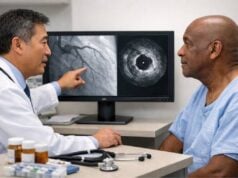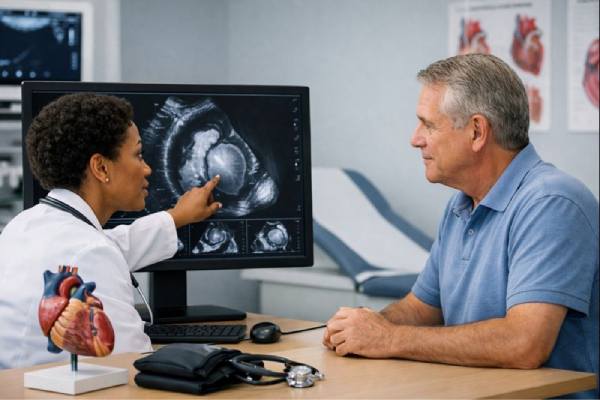
A cardiac aneurysm is a weakened, bulging area in or around the heart that forms after tissue is damaged or structurally fragile. Most often, the term refers to a left ventricular aneurysm that develops after a heart attack, when a full-thickness injury heals into scar that stretches outward with each heartbeat. Less commonly, aneurysms can involve the atria, the wall between chambers, the coronary arteries, or the outflow region near the aortic valve. Some aneurysms stay stable and cause few symptoms; others trigger heart failure, dangerous rhythms, blood clots, or—especially with pseudoaneurysms—sudden rupture.
Because “aneurysm” describes shape rather than a single disease, the most helpful questions are practical: Where is it, what type is it, what caused it, and what risks does it create for me? This guide answers those questions and outlines the path from suspicion to treatment and long-term care.
Table of Contents
- What a cardiac aneurysm is and why type matters
- What causes cardiac aneurysms and who is at risk
- Symptoms, warning signs, and complications
- How cardiac aneurysms are diagnosed
- Treatment options and what to expect
- Long-term management, prevention, and when to seek care
What a cardiac aneurysm is and why type matters
A cardiac aneurysm is an outpouching of heart tissue or a heart-related structure caused by weakened walls. The label sounds simple, but the type determines the danger level and the best treatment.
True aneurysm versus pseudoaneurysm
The most common “cardiac aneurysm” is a true left ventricular (LV) aneurysm after a heart attack. In a true aneurysm, the bulging wall is made of scarred myocardium (heart muscle that healed into fibrous tissue). It typically has a broad neck and stretches outward in a dyskinetic way during contraction. True aneurysms rarely rupture because scar tissue is relatively stable, but they can cause serious problems by impairing heart pumping, promoting clot formation, and triggering arrhythmias.
A pseudoaneurysm (false aneurysm) is different and usually more urgent. It forms when the heart wall ruptures, but the rupture is “contained” by the pericardium (the sac around the heart) or adhesions and thrombus. Because the pseudoaneurysm wall is not normal myocardium, the structure is fragile. Pseudoaneurysms often have a narrow neck and carry a higher risk of rupture, which is why clinicians frequently treat them as surgical problems unless circumstances strongly argue otherwise.
Where cardiac aneurysms can occur
- Left ventricle (most common): often post–myocardial infarction, but also possible with myocarditis, trauma, or rare congenital causes.
- Right ventricle: uncommon; may follow surgery, trauma, or congenital heart disease.
- Atria or atrial appendage: rare; may be congenital or linked to connective tissue disorders and can increase clot risk.
- Coronary artery aneurysm: dilation of a coronary segment; can be associated with atherosclerosis, inflammatory conditions, or prior interventions.
- Sinus of Valsalva aneurysm or outflow tract pseudoaneurysm: rare but important due to risk of rupture or fistula formation.
Why “type” changes decisions
Two aneurysms that look similar on an ultrasound can behave very differently. A stable true LV aneurysm may be managed with medications and monitoring. A pseudoaneurysm may require urgent repair. In every case, clinicians aim to define (1) location, (2) whether it is true or false, (3) size and neck features, (4) the presence of clot, and (5) how much it affects pumping and rhythm. That classification is the foundation for safe, individualized care.
What causes cardiac aneurysms and who is at risk
Cardiac aneurysms form when tissue is weakened by injury, inflammation, or inherited structural vulnerability. The cause often predicts the aneurysm’s location and the timeline in which it develops.
Most common cause: heart attack with full-thickness damage
After a large myocardial infarction, especially when treatment is delayed or the affected area is extensive, part of the ventricular wall can heal into a thin scar. Over weeks to months, repeated pressure and wall stress can cause that scar to bulge outward, forming a true LV aneurysm. Modern reperfusion therapy has reduced how often this happens, but it still appears—particularly in late-presenting or very large infarcts.
Causes that raise concern for pseudoaneurysm
Pseudoaneurysm usually reflects a contained rupture, which can occur after:
- Acute myocardial infarction (particularly with delayed treatment)
- Cardiac surgery (incisions or patch sites can become weak points)
- Chest trauma
- Infective endocarditis or deep cardiac infection
- Procedural complications (rarely after catheter-based interventions)
Because a pseudoaneurysm can be unstable, the clinical threshold to investigate is lower when symptoms worsen abruptly after these events.
Other causes and contexts
- Myocarditis: inflammation can weaken focal segments and occasionally lead to aneurysm formation.
- Chagas disease: in endemic areas, chronic infection is a classic cause of apical LV aneurysms and arrhythmias.
- Congenital or inherited disorders: some aneurysms occur with connective tissue disorders or rare congenital malformations, including atrial appendage aneurysms or sinus of Valsalva aneurysms.
- Coronary artery aneurysm: may be linked to atherosclerosis, inflammatory vasculitis, childhood inflammatory disease history, or prior stents.
Risk factors that increase the chance of clinically significant problems
Regardless of cause, several factors increase the likelihood that an aneurysm becomes medically important:
- Large aneurysm size or rapid growth
- Reduced ejection fraction or worsening heart failure
- Aneurysm-related clot (mural thrombus) or prior embolic event
- History of ventricular tachycardia or unexplained fainting
- Narrow-neck morphology or features suspicious for pseudoaneurysm
- Ongoing ischemia (poor blood flow) that worsens remodeling
A useful way to think about risk is: the aneurysm itself is only part of the story. The larger threat often comes from what the aneurysm enables—electrical instability, stagnation of blood that clots, impaired pumping efficiency, or structural failure in pseudoaneurysm. Knowing the cause helps clinicians anticipate which of those pathways is most likely and prioritize the right tests and prevention strategies.
Symptoms, warning signs, and complications
Many cardiac aneurysms are discovered incidentally during imaging after a heart attack or during evaluation for unrelated symptoms. When symptoms occur, they usually reflect one of four mechanisms: reduced pumping efficiency, congestion, abnormal rhythms, or embolic events.
Common symptoms
- Shortness of breath with exertion and reduced exercise tolerance
- Fatigue that feels out of proportion to activity
- Swelling in legs or abdomen from fluid retention
- Chest discomfort (may be ischemic, congestive, or rhythm-related)
- Palpitations or episodes of rapid heartbeat
- Lightheadedness or fainting, especially with ventricular arrhythmias
Some people describe a noticeable decline after a heart attack: “I recovered, but I never got my stamina back.” Aneurysm-related inefficiency can contribute to that pattern, particularly when the aneurysm is large or when the ventricle becomes more spherical and less mechanically effective.
Complications clinicians watch for closely
1) Heart failure and progressive remodeling
A dyskinetic segment steals energy from the rest of the ventricle. Over time, this can enlarge the chamber, raise filling pressures, and worsen mitral regurgitation. Symptoms may evolve slowly, with increasing diuretic needs and shorter walking distance.
2) Blood clots and stroke or embolism
Blood can stagnate inside an aneurysmal sac, particularly if the wall is akinetic and the cavity geometry promotes swirling flow. A clot can embolize to the brain or other organs. Warning signs include transient neurologic symptoms, sudden limb pain, or unexplained abdominal pain—though many emboli are silent until they are not.
3) Ventricular arrhythmias
Scar is a substrate for re-entrant ventricular tachycardia. People may feel sudden pounding, racing, or “fluttering,” but some episodes present as fainting or near-fainting without much warning. Any history of sustained ventricular tachycardia in the setting of a scar-related aneurysm shifts the discussion toward rhythm specialists, medication choices, ablation, and device therapy.
4) Rupture risk (primarily pseudoaneurysm)
True LV aneurysms rarely rupture. Pseudoaneurysms are different: because they represent a contained rupture, the risk of catastrophic bleeding and tamponade is higher. Sudden severe chest pain, collapse, or shock after a recent heart attack or cardiac surgery demands emergency evaluation.
When symptoms should trigger urgent care
Seek emergency attention for fainting, severe shortness of breath at rest, persistent chest pain, rapid irregular heartbeat with weakness, signs of stroke (face droop, arm weakness, speech trouble), or sudden collapse. With aneurysm-related complications, minutes matter—not because every symptom is rupture, but because rapid rhythm deterioration or embolism can be life-altering.
How cardiac aneurysms are diagnosed
Diagnosis focuses on three goals: confirm that an aneurysm exists, determine whether it is true or pseudoaneurysm, and measure the consequences (pumping function, clot, and rhythm risk). Most people enter the pathway through imaging after a heart attack, evaluation for heart failure symptoms, or workup of arrhythmias.
First-line test: echocardiography
A transthoracic echocardiogram (TTE) is usually the starting point because it is fast, noninvasive, and widely available. It can show:
- an outpouching of the ventricular wall
- regional wall motion abnormalities (akinesis or dyskinesis)
- ejection fraction and filling pressures
- valve dysfunction, especially mitral regurgitation
- suspected mural thrombus (sometimes better with contrast echo)
Echocardiography also provides practical information for daily care, such as whether congestion is likely, whether the right heart is strained, and whether valve problems contribute to symptoms.
Defining anatomy: cardiac MRI and cardiac CT
When the question is “true versus pseudo,” or when surgical planning is on the table, clinicians often use higher-resolution imaging:
- Cardiac MRI (CMR): excels at tissue characterization. It can show scar patterns, define aneurysm borders, assess viability, and detect thrombus. It is especially helpful when echocardiography images are limited.
- Cardiac CT: provides excellent anatomic detail and can clarify neck size, wall continuity, and relationships to surrounding structures. CT can be particularly useful in patients who cannot undergo MRI.
A common decision point is the aneurysm neck. A pseudoaneurysm often has a relatively narrow communication with the ventricle and discontinuity of the myocardial wall, while a true aneurysm typically has a wider neck and scarred but continuous myocardium.
Coronary evaluation
Because post-infarction aneurysms are frequently linked to coronary artery disease, clinicians may evaluate coronary anatomy to guide revascularization decisions, especially if symptoms suggest ongoing ischemia. This can include noninvasive ischemia testing or invasive coronary angiography, depending on risk and clinical context.
Electrophysiology and rhythm assessment
Arrhythmia risk is not diagnosed by shape alone. Evaluation can include:
- ECG for baseline conduction and prior infarct patterns
- ambulatory monitoring (patch monitor or Holter) for intermittent palpitations or fainting
- electrophysiology consultation when sustained ventricular tachycardia is suspected or documented
How clinicians “stage” the problem
In practice, aneurysm diagnosis becomes a structured profile: location, size, true versus pseudo, clot presence, ejection fraction, degree of symptoms, and rhythm history. This profile matters more than any single measurement because it predicts the next step—monitoring, medications, anticoagulation, rhythm intervention, or repair.
Treatment options and what to expect
Treatment for a cardiac aneurysm is individualized and usually combines symptom control with strategies to prevent complications. The plan depends on whether the aneurysm is true or pseudo, how large it is, whether there is clot, and whether the aneurysm is driving heart failure or dangerous rhythms.
Medical therapy
For many true LV aneurysms, especially smaller or stable ones, treatment starts with optimizing cardiovascular risk and heart function:
- Guideline-directed heart failure therapy when ejection fraction is reduced, tailored to blood pressure, kidney function, and symptoms.
- Anti-ischemic and secondary prevention therapy after myocardial infarction, including lipid-lowering and antiplatelet strategies when indicated.
- Diuretics for fluid control if congestion is present.
Medication does not “shrink” scar, but it can reduce wall stress, limit further remodeling, and improve daily function.
Anticoagulation when clot risk is high
If a mural thrombus is seen, or if embolic risk is judged significant based on aneurysm features and patient history, clinicians may recommend anticoagulation. The exact agent and duration depend on:
- whether thrombus is present and persistent
- bleeding risk
- concurrent antiplatelet needs after stenting
- kidney function and drug interactions
This is a high-stakes balancing act, so treatment decisions should be revisited as imaging changes.
Arrhythmia management and device therapy
Aneurysm-related scar can trigger ventricular tachycardia. Management may include:
- Antiarrhythmic medication when appropriate
- Catheter ablation for recurrent or drug-refractory ventricular tachycardia in selected patients
- Implantable cardioverter-defibrillator (ICD) consideration when sudden cardiac death risk is elevated, especially with reduced ejection fraction or documented sustained ventricular tachycardia
Even when the aneurysm is not repaired, rhythm prevention can be the most life-protective part of care.
Surgical repair and reconstruction
Surgery is considered when the aneurysm significantly impairs function, causes refractory symptoms, produces recurrent emboli, or serves as a substrate for uncontrollable arrhythmias. Surgical options can include:
- Aneurysmectomy (resection of the aneurysmal segment)
- Surgical ventricular reconstruction to restore a more efficient ventricular geometry
- CABG performed at the same time when coronary disease is present and revascularization is beneficial
- Thrombectomy if thrombus is present and contributes to embolic risk
Expectations should be realistic: surgery aims to reduce symptoms, improve geometry and efficiency, and lower complication risk. The outcome depends on remaining viable myocardium and overall heart function.
Pseudoaneurysm: often treated as urgent
Because pseudoaneurysm reflects a contained rupture, clinicians frequently recommend repair when feasible. In select situations—very small pseudoaneurysm, prohibitive surgical risk, or stable chronic pseudoaneurysm—close monitoring may be considered, but the threshold to intervene is generally lower than for true aneurysm.
If you remember one treatment principle, make it this: pseudoaneurysm is a different category of risk. The goal is not just symptom relief; it is preventing catastrophic rupture.
Long-term management, prevention, and when to seek care
Long-term management is about keeping the aneurysm’s downstream risks under control: heart failure stability, clot prevention, rhythm safety, and avoidance of further ischemic injury. Many patients do well for years when follow-up is structured and symptoms are tracked early.
Practical self-management habits
- Daily weight monitoring if you have any tendency toward fluid retention. A gain of roughly 1–2 kg over a few days can signal early congestion.
- Blood pressure and heart rate tracking a few times per week (or more if medication changes). Bring readings to visits—patterns matter.
- A symptom log for palpitations, dizziness, and exertional tolerance. Ventricular arrhythmias can be intermittent, and details help clinicians decide on monitoring and treatment.
- Medication consistency and careful review of over-the-counter drugs. Some cold medications and stimulants can aggravate rhythm issues or blood pressure.
Follow-up testing that is commonly used
Follow-up intervals vary, but many care plans include:
- periodic echocardiography to track ejection fraction, chamber size, and clot risk
- repeat advanced imaging when anatomy needs clarification or when symptoms change
- rhythm monitoring (patch monitor or device interrogation if you have an implanted device) when palpitations, fainting, or near-fainting occurs
- lab monitoring for kidney function and electrolytes, especially if on diuretics or medications that affect potassium
Prevention: reduce the chance of worsening remodeling
The most effective prevention depends on the cause. For post–myocardial infarction aneurysms, prevention is essentially aggressive secondary prevention:
- control LDL cholesterol to targets recommended by your clinician
- stop smoking and avoid nicotine products
- treat diabetes and high blood pressure consistently
- maintain regular physical activity as tolerated (often aiming for 150 minutes per week of moderate activity, adjusted for symptoms)
- participate in cardiac rehabilitation when available and appropriate
These steps do not erase scar, but they reduce the risk of new infarcts, progressive remodeling, and recurrent hospitalization.
When to contact your clinician quickly
Call promptly (same day or within 24 hours) for:
- new or worsening swelling, rapid weight gain, or increasing shortness of breath
- frequent palpitations, new episodes of near-fainting, or unexplained falls
- new neurologic symptoms even if they resolve (possible transient ischemic attack)
When to seek emergency care
Seek emergency evaluation immediately for chest pain at rest, fainting, severe shortness of breath, signs of stroke, or a rapid heartbeat with weakness or confusion. In aneurysm patients, these symptoms can represent arrhythmia, embolism, acute coronary syndrome, or—less commonly but critically—pseudoaneurysm instability.
A cardiac aneurysm diagnosis is understandably unsettling. The most reassuring path is clarity: define the aneurysm type, name the specific risks in your case, and build a plan that addresses those risks directly with the fewest moving parts possible.
References
- Advances in Surgical Treatments of Left Ventricular Aneurysms 2024 (Review)
- Aneurysm and pseudoaneurysm of the left ventricle 2022 (Review)
- Mechanical Complications of Acute Myocardial Infarction: A Review 2021 (Review)
- 2022 ESC Guidelines for the management of patients with ventricular arrhythmias and the prevention of sudden cardiac death 2022 (Guideline)
Disclaimer
This article is for educational purposes and does not provide medical advice, diagnosis, or treatment. A cardiac aneurysm can be associated with heart failure, blood clots, stroke, and dangerous heart rhythms, and a pseudoaneurysm may carry a risk of rupture. If you have chest pain at rest, fainting, sudden or severe shortness of breath, rapid or irregular heartbeat with weakness, or any signs of stroke (face droop, arm weakness, speech difficulty), seek emergency care immediately. For personalized decisions about imaging, anticoagulation, rhythm treatment, or surgical repair, consult a qualified clinician who can review your symptoms, test results, and overall risk.
If you found this article helpful, please share it on Facebook, X (formerly Twitter), or any platform you prefer, and follow us on social media. Your support through sharing helps our team continue producing quality content.