Eisenmenger syndrome is a serious late complication of certain congenital heart defects—conditions you are born with—that were never repaired or were repaired too late. Over years, extra blood flow and pressure can damage the lung arteries. Eventually, blood may start flowing the “wrong way” through the original defect, sending low-oxygen blood to the body and causing a bluish color of the lips or fingers.
People often notice breathlessness, fatigue, dizziness, or headaches long before they get a name for it. The condition also affects the blood, kidneys, brain, and pregnancy risk, so care needs to be broad—not just focused on the heart. With modern specialist treatment, many people live longer and better, but avoiding common pitfalls (like dehydration and unnecessary procedures) is just as important.
Table of Contents
- What is Eisenmenger syndrome?
- What causes it and who is at risk?
- First symptoms and common complications
- How is it diagnosed?
- Treatments that can help
- Day-to-day management and when to seek care
What is Eisenmenger syndrome?
Eisenmenger syndrome develops when a heart defect that allows blood to pass between the left and right sides (a “shunt”) causes long-term damage to the lung circulation. In early life, blood usually flows from the higher-pressure left side to the right side and into the lungs. Over many years, that extra flow and pressure can scar and narrow the lung arteries. As resistance rises, the right side of the heart has to pump harder, and the direction of flow through the defect becomes bidirectional or reverses right-to-left.
That reversal is the turning point. Once it happens, oxygen-poor blood bypasses the lungs and enters the body. The results are not limited to shortness of breath—Eisenmenger syndrome is a whole-body condition driven by chronic low oxygen and a strained right heart.
A useful way to understand it is as a “balanced but fragile” circulation:
- The defect may partly “relieve” pressure in the right heart by allowing blood to escape to the left side.
- But that escape comes at the cost of lower oxygen levels, thicker blood, and higher risk of complications.
- Closing the defect after Eisenmenger physiology is established is often dangerous because the right heart may not be able to pump against the high lung resistance without that pressure “escape route.”
This is why Eisenmenger syndrome is different from many other congenital heart problems: some treatments that sound logical—like closing the hole—can be harmful if the condition is advanced.
Eisenmenger syndrome is most commonly linked to larger, unrepaired shunts such as ventricular septal defects, atrial septal defects (especially certain types), patent ductus arteriosus, and more complex congenital heart disease. It can also occur after partial repair if a significant shunt remains.
The condition typically appears in adolescence or adulthood, but timing depends on the size and type of defect and how quickly lung resistance rises. Many people have symptoms for years before diagnosis, especially if they lived far from specialized congenital heart care.
The most important take-home point: Eisenmenger syndrome is pulmonary hypertension caused by congenital heart disease with shunt reversal and systemic low oxygen. That combination shapes every decision—testing, medications, procedures, travel plans, and pregnancy counseling.
What causes it and who is at risk?
The root cause of Eisenmenger syndrome is an unrepaired (or inadequately repaired) congenital heart defect that creates a significant pathway for blood to pass from one side of the heart to the other. Over time, the lungs are exposed to abnormal flow and pressure. The lung arteries respond by thickening and narrowing, which raises pulmonary vascular resistance. When that resistance becomes high enough, the shunt no longer stays left-to-right.
Not every shunt leads to Eisenmenger syndrome. Risk depends on the defect’s size, location, and the pressures involved.
Defects most often associated with Eisenmenger syndrome
- Ventricular septal defect (VSD): especially large, unrestrictive VSDs.
- Patent ductus arteriosus (PDA): persistent connection between the aorta and pulmonary artery.
- Atrial septal defect (ASD): more often with certain subtypes or when combined with other factors; many ASDs do not progress to Eisenmenger if detected and treated early.
- Atrioventricular septal defects and complex congenital heart disease: can drive earlier and more severe pulmonary vascular disease.
Risk factors that increase the chance of progression
- Large shunt size and early-life high pulmonary blood flow.
- Delayed diagnosis or limited access to pediatric cardiology, especially where screening and early repair are not routine.
- Residual shunt after repair, if the remaining flow is still significant.
- Down syndrome and other conditions linked to higher rates of congenital heart disease and earlier pulmonary vascular changes.
- High altitude residence and chronic lung disease can worsen oxygen levels and may accelerate strain, though the heart defect remains the primary driver.
- Pregnancy in an undiagnosed patient can unmask disease because blood volume and cardiac output rise sharply.
Why “late closure” becomes risky
People often ask: “If the hole caused this, why not close it now?” In Eisenmenger syndrome, the lung arteries may be so resistant that closing the shunt removes a pressure relief pathway. The right ventricle can then fail abruptly, causing dangerous drops in cardiac output. This is why operability decisions rely on careful hemodynamic assessment rather than anatomy alone.
A practical insight: risk is about trajectory, not just today’s symptoms
Some people feel “okay” for years while silent organ stress builds. Clues that suggest a higher-risk trajectory include declining exercise tolerance, increasing cyanosis, fainting episodes, rising markers of heart strain, recurrent arrhythmias, or complications like coughing blood. That’s why specialized adult congenital heart disease (ACHD) follow-up matters even when symptoms seem stable.
First symptoms and common complications
Symptoms in Eisenmenger syndrome usually reflect three forces working together: low oxygen in the bloodstream, high pressure in the lung arteries, and a right heart that is working far harder than it was designed to.
Early and common symptoms
Many people notice gradual changes such as:
- Shortness of breath with exertion (often the first clear symptom)
- Unusual fatigue or reduced stamina compared with peers
- Dizziness or near-fainting, especially with exertion or dehydration
- Chest tightness or discomfort
- Heart palpitations
Low oxygen may show up as:
- Bluish lips or fingertips (cyanosis)
- Clubbing (rounded, enlarged fingertips) developing over time
- Cold intolerance, headaches, or “brain fog”
Because the body tries to compensate for low oxygen by making more red blood cells, people can develop secondary erythrocytosis (extra red blood cells). This can help oxygen delivery—but it can also make blood thicker if iron is low or hydration is poor.
Complications people should recognize
Eisenmenger syndrome is often described as multisystem because complications can involve many organs:
- Bleeding and clotting problems at the same time: you may see easy bruising or nosebleeds, but also a risk of clots due to sluggish flow and thick blood.
- Coughing up blood (hemoptysis): can range from small streaks to life-threatening bleeding.
- Stroke and transient ischemic attacks: right-to-left shunting can allow clots to bypass the lungs’ filtering effect.
- Brain abscess (rare but important): bacteria can reach the brain more easily through shunting.
- Arrhythmias: especially atrial rhythm problems that can worsen symptoms quickly.
- Heart failure, usually on the right side: swelling of legs, abdominal fluid, enlarged liver, poor appetite.
- Kidney disease: chronic low oxygen and high blood viscosity can damage kidney function.
- Gout and high uric acid: due to increased cell turnover and kidney effects.
Symptoms that should trigger urgent evaluation
Seek urgent or emergency care for:
- Fainting or near-fainting, especially with chest pain or breathlessness
- New or worsening shortness of breath at rest
- Coughing up more than small streaks of blood
- Severe headache, weakness on one side, trouble speaking, or vision loss
- Rapidly worsening swelling, abdominal pain, or markedly reduced urine
- Fever with confusion or neurologic symptoms (concern for infection complications)
One more high-stakes warning: pregnancy carries very high risk in Eisenmenger syndrome and should be treated as urgent specialist territory, even early in pregnancy.
How is it diagnosed?
Diagnosis starts with suspicion: a history of congenital heart disease (known or previously “missed”), low oxygen levels, and signs of pulmonary hypertension. Because symptoms can resemble asthma, anemia, or routine heart failure, Eisenmenger syndrome is sometimes diagnosed later than it should be.
What clinicians look for first
A typical evaluation includes:
- Oxygen saturation at rest and with walking
- A focused exam for cyanosis, clubbing, heart murmurs, and signs of right heart strain (neck vein distension, swelling, enlarged liver)
- Basic labs to assess red blood cell levels, iron status, kidney function, liver enzymes, and uric acid
Iron testing matters because iron deficiency can worsen symptoms even when hemoglobin is high. It can also increase blood “sludginess” in a way that paradoxically raises risk.
Echocardiography as the cornerstone test
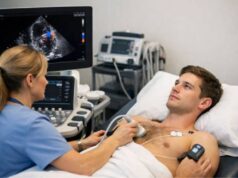
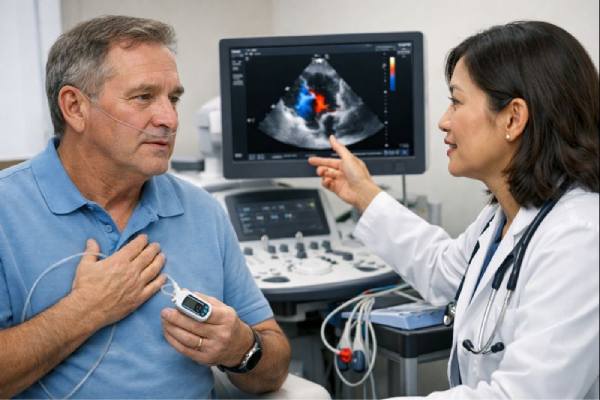
Heart ultrasound (echocardiography) is usually the key starting test because it can:
- Identify the underlying defect (or strongly suggest it)
- Estimate pulmonary pressures and assess right ventricular size and function
- Detect associated valve problems and measure shunt direction
Echo cannot always measure pressures perfectly, but it often provides enough evidence to move to specialist evaluation.
Confirming severity with right heart catheterization
Right heart catheterization is used when clinicians need definitive measurements to:
- Confirm pulmonary hypertension and calculate pulmonary vascular resistance
- Quantify shunt flow and direction
- Evaluate responsiveness to oxygen or vasodilator testing in selected cases
- Support major decisions (advanced therapies, transplant evaluation, or rare cases where repair might still be possible)
Because catheterization has risks in cyanotic patients, it should be done in experienced centers.
Imaging beyond echo
Other tools may be used to clarify anatomy and consequences:
- Cardiac MRI or CT for detailed anatomy, right ventricular function, and blood flow quantification
- Chest imaging to assess pulmonary arteries and lung parenchyma
- Exercise testing (often a 6-minute walk test) to track function over time
- Rhythm monitoring if palpitations or fainting occur
Ruling out look-alike conditions
Clinicians also consider other causes of low oxygen and pulmonary hypertension, such as primary pulmonary arterial hypertension, chronic lung disease, chronic blood clots, or rare vascular disorders. The presence of a significant shunt with long-standing pulmonary vascular disease is what distinguishes Eisenmenger syndrome from many of these.
A practical patient tip: if you have unexplained low oxygen levels, clubbing, or a childhood history of a heart murmur—even if someone once said it “went away”—ask for evaluation in an ACHD or pulmonary hypertension specialty clinic.
Treatments that can help
Treatment for Eisenmenger syndrome aims to improve quality of life, reduce complications, and support the right heart—without destabilizing the circulation. Care is often shared between adult congenital heart disease and pulmonary hypertension specialists.
Targeted pulmonary hypertension therapies
Medications originally developed for pulmonary arterial hypertension can help some people with Eisenmenger syndrome by lowering pulmonary vascular resistance and improving exercise capacity. Common classes include:
- Endothelin receptor antagonists (for example, bosentan or macitentan)
- Phosphodiesterase-5 inhibitors (for example, sildenafil or tadalafil)
- Prostacyclin pathway therapies (inhaled, oral, or infused forms in more severe disease)
- Other pathway-based agents in selected patients
Doctors typically start based on symptoms, functional limitation, oxygen levels, and right heart function, then escalate if goals are not met. Combination therapy is increasingly used in pulmonary hypertension, but Eisenmenger decisions remain individualized because shunt physiology adds complexity.
Oxygen and diuretics: helpful in the right context
- Oxygen therapy may help if oxygen levels improve meaningfully with supplemental oxygen, but many Eisenmenger patients have limited response because the shunt bypasses the lungs.
- Diuretics can relieve swelling and abdominal congestion when right-sided heart failure develops, but over-diuresis can reduce preload and worsen symptoms. The target is “less congestion,” not “as dry as possible.”
Managing blood and iron wisely
Secondary erythrocytosis is a compensatory response. Two common mistakes can worsen outcomes:
- Routine phlebotomy (blood removal) without a clear indication can reduce oxygen-carrying capacity and trigger iron deficiency.
- Ignoring iron deficiency can worsen fatigue, headaches, and viscosity-related symptoms.
Phlebotomy is generally reserved for significant hyperviscosity symptoms (such as severe headaches, visual changes, or confusion) when hydration and iron status have been addressed, and it should be guided by specialists.
Anticoagulation and antiplatelet therapy: not one-size-fits-all
Some patients have higher clot risk, but bleeding risk—especially hemoptysis—can be substantial. Anticoagulation decisions depend on personal history (arrhythmias, clots, stroke), imaging findings, and bleeding history, and should be revisited over time rather than “set and forget.”
Advanced options
When symptoms progress despite optimal therapy, options may include:
- Referral for transplant evaluation (lung transplant with repair of the defect, or heart-lung transplant in selected cases)
- Management of arrhythmias with careful medication choices or procedures in experienced centers
What matters most is continuity: Eisenmenger syndrome outcomes improve when people are managed in dedicated programs that know the pitfalls and can adjust therapy early.
Day-to-day management and when to seek care
Daily management in Eisenmenger syndrome is about protecting a fragile balance. Small choices—hydration, altitude, iron status, infection prevention—can meaningfully change how you feel and how often you need urgent care.
Habits that usually help
- Stay well hydrated: dehydration thickens blood and can trigger dizziness, headaches, and fainting. Aim for steady fluid intake unless your clinician has restricted fluids due to heart failure.
- Avoid smoking and secondhand smoke: both worsen oxygen delivery and pulmonary vascular stress.
- Pace activity: consistent, moderate movement is often better than bursts of intense effort. Stop if you develop chest pain, severe breathlessness, or near-fainting.
- Prevent infection: respiratory infections can cause major setbacks. Ask your clinician about vaccinations and early treatment plans for fevers.
- Plan procedures carefully: tell every clinician and dentist you have Eisenmenger syndrome. Anesthesia, IV fluids, and even “minor” procedures can carry higher risk without proper planning.
Altitude, flying, and heat
- High altitude lowers oxygen in the air and can worsen symptoms. Discuss travel to mountains in advance.
- Flying can be tolerated by some, but cabin oxygen levels are lower than at sea level. A travel plan may include extra hydration, compression decisions, and sometimes in-flight oxygen based on testing.
- Extreme heat and hot tubs can dilate blood vessels and contribute to dizziness or fainting, especially if you are dehydrated.
Pregnancy and contraception: a critical safety topic
Pregnancy is often strongly discouraged in Eisenmenger syndrome because it can be life-threatening. Blood volume and cardiac output rise substantially during pregnancy, and the early postpartum period can be especially dangerous. If pregnancy is possible for you:
- Discuss reliable contraception with an ACHD specialist.
- Treat any suspected pregnancy as urgent: early specialist input can be lifesaving.
- If pregnancy continues, it requires high-level multidisciplinary care at an experienced center.
Routine monitoring to ask about
Many clinics track:
- Oxygen saturation trends, symptoms, and exercise capacity
- Hemoglobin/hematocrit and iron studies
- Kidney function and uric acid
- Right heart function on imaging
- Rhythm monitoring when needed
When to seek urgent care
Go to urgent care or the emergency department for:
- Fainting, severe dizziness, or new confusion
- Chest pain that is new, severe, or associated with sweating or nausea
- Coughing up more than small streaks of blood
- Sudden neurologic symptoms (weakness, speech trouble, facial droop, vision loss)
- Fever with worsening breathlessness, severe fatigue, or dehydration
- Rapidly worsening swelling, abdominal pain, or a marked drop in urine output
If your symptoms are gradually worsening over weeks, do not “wait it out.” Early adjustments—iron replacement, medication optimization, diuretic fine-tuning, or escalation of pulmonary hypertension therapy—often prevent crises.
References
- 2022 ESC/ERS Guidelines for the diagnosis and treatment of pulmonary hypertension 2022 (Guideline)
- Eisenmenger Syndrome: JACC State-of-the-Art Review 2022 (Review)
- Update on Eisenmenger syndrome – Review of pathophysiology and recent progress in risk assessment and management 2024 (Review)
- Pregnancy in patients with pulmonary hypertension: a systematic review and meta-analysis with meta-regression 2025 (Systematic Review)
Disclaimer
This article is for educational purposes only and is not a substitute for medical advice, diagnosis, or treatment. Eisenmenger syndrome is a high-risk condition that can worsen quickly, and some common interventions can be harmful without specialist oversight. If you have chest pain, fainting, severe shortness of breath, new neurologic symptoms, or coughing up blood, seek emergency care immediately. For personal guidance, consult an adult congenital heart disease or pulmonary hypertension specialist who can evaluate your individual risks, test results, and medications.
If you found this article helpful, please share it on Facebook, X (formerly Twitter), or any platform you prefer, and follow us on social media. Your support through sharing helps our team keep producing reliable health content.