Hibernating myocardium is heart muscle that has gone quiet to survive. When a coronary artery delivers too little blood for a long time, the affected area may reduce how strongly it contracts—almost like turning down the lights to save power. This problem is tied to ischemia (too little oxygen-rich blood) and is different from permanent scar. In many people, hibernating areas can improve if blood flow is restored and the heart is supported with the right medicines.
The challenge is that hibernation can hide in plain sight: the heart may look weak on an ultrasound, yet parts of it are still “alive” and potentially recoverable. This article explains what hibernating myocardium is, why it happens, who is most at risk, what symptoms it can cause, how doctors test for recovery potential, and what treatment and long-term management usually involve.
Table of Contents
- What hibernating myocardium is
- Causes and risk factors
- Symptoms and why it matters
- How it’s diagnosed, viability testing
- Treatment, revascularization, and medications
- Living with it, prevention, and when to seek care
What hibernating myocardium is
“Hibernating myocardium” refers to a region of heart muscle that is chronically under-supplied by blood flow and has reduced pumping motion, yet remains biologically alive. It is a survival adaptation: the muscle lowers its workload to match the limited fuel it receives. The key point is that the problem is often reversible, at least partly, if blood flow improves and the heart is supported during recovery.
Clinicians usually discuss hibernation in the broader category of myocardial viability—meaning dysfunctional heart muscle that can regain function. Viable muscle sits on a spectrum:
- Normal muscle: good blood flow and normal contraction.
- Stunned muscle: contraction is temporarily weak after a short ischemic episode, even after blood flow returns.
- Hibernating muscle: long-term low-flow (or repeated ischemia) leads to sustained weak contraction as an adaptation.
- Scar: irreversible damage where recovery is unlikely.
Why this distinction matters: a weak heart does not always mean a permanently damaged heart. In chronic coronary artery disease, some people have left ventricular (LV) dysfunction because large areas are hibernating rather than scarred. If that’s true, restoring blood flow (when appropriate) may lead to improvement in symptoms, exercise tolerance, and sometimes pumping function over weeks to months.
Hibernation is also not an “all-or-nothing” state. A single coronary territory can contain a patchwork of:
- healthy muscle,
- viable-but-dysfunctional muscle, and
- scar.
That patchwork explains why test results can look mixed and why recovery is often partial rather than dramatic.
What recovery typically looks like
When recovery happens, it is usually gradual. Some segments improve within days to weeks after blood flow is restored, but meaningful global improvement in ejection fraction may take months, especially if the heart has remodeled (stretched and changed shape) over time. This is also why clinicians emphasize follow-up imaging after treatment rather than judging success too early.
A practical insight: the “best” outcome is not always a big change in ejection fraction. Many patients value fewer hospitalizations, improved breathing, and better daily stamina—even if heart function numbers improve only modestly.
Causes and risk factors
Hibernating myocardium almost always develops in the setting of chronic coronary artery disease, where plaque narrows one or more coronary arteries enough to limit blood delivery over time. Unlike a sudden complete blockage (a classic heart attack), hibernation typically reflects a longer story: supply is persistently “not enough,” especially during activity, and the heart muscle adapts by contracting less forcefully.
Common causes
- Severe coronary artery narrowing in one or multiple vessels, particularly when the narrowing involves the left anterior descending artery or extensive multivessel disease.
- Previous heart attack with surrounding jeopardized muscle. A core scar may be permanent, but border zones can remain viable and dysfunctional.
- Repeated episodes of demand–supply mismatch, such as frequent angina or silent ischemia, which can push the heart toward a low-function steady state.
- Microvascular dysfunction (problems in small vessels) can contribute, especially in people with diabetes, though classic hibernation is most strongly tied to epicardial coronary narrowing.
Risk factors that raise the odds
Risk factors for coronary disease are also risk factors for hibernation:
- Age (risk rises with time exposed to vascular risk factors)
- Smoking (current or past)
- Diabetes or prediabetes
- High blood pressure
- High LDL cholesterol or known atherosclerosis
- Chronic kidney disease
- Obesity and low physical activity
- Family history of early coronary disease
Certain features increase suspicion that hibernation may be present rather than diffuse irreversible damage:
- Long-standing LV dysfunction with known coronary disease
- Regional wall-motion abnormalities (specific segments move poorly) rather than uniformly weak contraction everywhere
- A history of angina (or prior evidence of ischemia), even if symptoms have faded as the heart weakened
- Heart failure symptoms that worsened gradually rather than abruptly
Triggers that can unmask limited reserve
Even if hibernation is stable, stressful events can expose it:
- Infection or fever (higher heart demand)
- Anemia or bleeding (less oxygen delivered)
- Uncontrolled high blood pressure or rapid arrhythmias
- Major surgery or procedures
- Stopping heart medicines abruptly
A practical takeaway: the same coronary anatomy can behave very differently depending on blood pressure control, anemia status, rhythm stability, and medication adherence. Managing those factors can reduce symptom burden while clinicians decide whether restoring blood flow is appropriate.
Symptoms and why it matters
Hibernating myocardium can present in two overlapping ways: symptoms of reduced heart pumping function and symptoms of ongoing ischemia. Some people have both. Others have surprisingly little chest pain because the weakened muscle no longer “asks” for the same surge in blood flow during exertion.
Common symptoms
Symptoms often resemble chronic heart failure:
- Shortness of breath during activity or when lying flat
- Fatigue and reduced stamina (walking distance shrinks over months)
- Swelling in legs, ankles, or abdomen
- Rapid weight gain from fluid retention
- Waking up breathless at night
- Needing more pillows to sleep comfortably
Ischemia-related symptoms may include:
- Chest pressure, tightness, or burning with exertion
- Breathlessness that reliably appears with activity and eases with rest
- Jaw, neck, shoulder, or arm discomfort with exertion
- Unexplained nausea or sweating with physical effort (more common in older adults and people with diabetes)
Arrhythmia-related symptoms can also appear:
- Palpitations
- Lightheadedness or near-fainting
- Sudden drops in exercise tolerance
Why it matters clinically
Hibernating myocardium sits at the crossroads of two important decisions:
- Is the weak heart potentially recoverable?
If a meaningful portion of dysfunction is due to viable-but-underperforming tissue, improving blood flow and optimizing therapy may improve symptoms and function. - Is revascularization worth the risk for this person?
Procedures to restore blood flow can help some patients, but benefit depends on overall anatomy, symptoms, surgical or procedural risk, degree of scar, and how advanced heart remodeling has become.
Even when recovery is possible, the heart may be fragile in the short term. People with significant hibernation can be more prone to:
- heart failure exacerbations (fluid overload and breathlessness),
- hospitalizations during infections or rhythm disturbances,
- reduced kidney perfusion during low blood pressure episodes, and
- potentially dangerous ventricular arrhythmias in the setting of underlying scar and electrical instability.
A useful “real life” clue
A pattern clinicians often notice is “good days and bad days” tied to stress. For example, a person can climb stairs on a good week, then becomes breathless after a mild respiratory infection or a few missed doses of diuretics. That variability suggests the heart is operating close to its limit—consistent with a heart that has viable tissue but reduced reserve.
If symptoms are new, worsening, or accompanied by fainting, chest pain at rest, or severe breathlessness, the priority is urgent evaluation. Hibernation is a chronic concept, but the complications around it can become acute.
How it’s diagnosed, viability testing
Diagnosing hibernating myocardium is less about one “yes/no” test and more about assembling evidence: coronary disease is present, the heart region is dysfunctional, and the tissue shows signs of being alive with a reasonable chance of improvement.
Baseline evaluation
Clinicians usually start with:
- History and exam: symptom pattern, angina history, fluid status, blood pressure tolerance, and medication review.
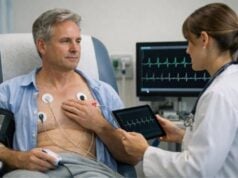
- ECG: prior heart attack patterns, conduction delays, rhythm issues, and QT changes.
- Blood tests: anemia, kidney function, electrolytes, thyroid function, and heart failure markers when appropriate.
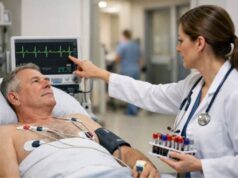
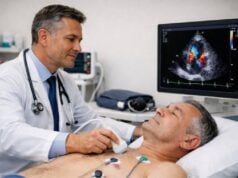
- Echocardiography: ejection fraction, regional wall-motion abnormalities, valve function (especially mitral regurgitation), and pulmonary pressures.
These steps clarify severity and help determine what kind of viability test is most informative.
Viability testing: what it tries to answer
A good viability assessment answers two practical questions:
- How much scar is present?
More scar generally means less functional recovery potential. - Does the dysfunctional region have preserved metabolism, perfusion, or contractile reserve?
These are different “signatures” of living tissue.
Common modalities include:
- Cardiac MRI with late gadolinium enhancement: often used to quantify scar. Lower scar burden in a segment generally predicts better recovery potential.
- Dobutamine stress echocardiography: assesses contractile reserve—whether a weak segment can contract better when stimulated.
- PET (FDG) imaging: evaluates metabolic activity (a signal the cells are alive), often paired with perfusion information.
- SPECT perfusion imaging: can support viability assessment in some settings, though spatial resolution differs by technique.
How results are interpreted in real decision-making
Viability testing is helpful, but it is not magic. Modern evidence has challenged the idea that “viability automatically means revascularization improves survival.” Clinicians increasingly use viability as one input among several:
- Coronary anatomy (which vessels are involved, and whether revascularization is technically feasible)
- Symptom burden (especially angina despite strong medical therapy)
- Degree of LV remodeling (a very enlarged ventricle may recover less)
- Scar extent and distribution
- Procedure risk (age, kidney function, frailty, lung disease)
- Alternatives and patient priorities
A practical insight: the most useful viability reports are specific. They describe where viability exists, how much scar is present, and whether findings match the territory of a treatable coronary lesion. Vague reports (“viable myocardium present”) are less actionable.
Treatment, revascularization, and medications
Treatment has two goals: protect the heart from ongoing injury and improve function and symptoms as much as possible. For many patients, success comes from combining modern medical therapy with carefully selected procedures when the expected benefit outweighs risk.
1) Guideline-based medical therapy
Even when revascularization is considered, medication is foundational. Common pillars (chosen and dosed based on blood pressure, kidney function, and potassium levels) include:
- Beta blockers to reduce heart workload and help rhythm stability.
- ACE inhibitors/ARBs/ARNI to improve remodeling and outcomes in reduced ejection fraction.
- Mineralocorticoid receptor antagonists for symptom control and outcome improvement in appropriate patients.
- SGLT2 inhibitors to reduce heart failure hospitalizations and improve outcomes in many patients with reduced ejection fraction.
- Diuretics to control congestion (swelling and breathlessness), adjusted carefully to avoid dehydration and kidney injury.
- Statins and antiplatelet therapy when coronary disease is present, based on individualized bleeding risk and clinical context.
A practical point: symptom improvement from optimized medical therapy can be dramatic and may occur even without revascularization. Many clinicians reassess function after a period of stable, optimized therapy before concluding the heart is “non-recoverable.”
2) Revascularization (restoring blood flow)
Revascularization may be done with:
- PCI (stents) for selected coronary lesions, or
- CABG surgery in more complex multivessel disease or left main disease, depending on anatomy and overall risk.
How decisions are typically made:
- If angina is limiting despite medications, restoring flow can improve quality of life.
- If large areas are jeopardized and anatomy favors surgery, CABG may be considered to improve long-term outcomes in selected patients.
- If scar burden is high and the ventricle is severely remodeled, the expected gain in function may be smaller, shifting focus toward symptom management and device therapy.
3) Devices and advanced therapies
When LV dysfunction is significant, clinicians may consider:
- ICD for protection against life-threatening arrhythmias in eligible patients.
- Cardiac resynchronization therapy (CRT) when conduction delays contribute to inefficient pumping.
- Valve interventions if secondary mitral regurgitation is a major driver of symptoms.
- Advanced heart failure therapies (specialty referral) when symptoms remain severe despite best therapy.
A practical insight: recovery of hibernating myocardium can reduce symptoms and sometimes improve ejection fraction enough to change device eligibility, but device decisions should not be delayed if a patient is clearly at high arrhythmia risk.
Living with it, prevention, and when to seek care
Living with hibernating myocardium is largely the same as living with chronic coronary disease and heart failure: consistency beats intensity. Small daily choices—medication adherence, salt awareness, and early response to warning signs—often prevent the hospitalizations that set people back.
Day-to-day management that pays off
- Medication routine: take medicines as prescribed and avoid abrupt stops, especially beta blockers and heart failure therapies.
- Daily weights (for people with fluid issues): a gain of roughly 1–2 kg over a few days can signal fluid retention before breathing worsens.
- Sodium awareness: many patients do better when they limit high-salt processed foods rather than trying to “eat less” overall.
- Activity pacing: regular, moderate activity (as approved by your clinician) often improves stamina and mood more than sporadic intense exercise.
- Risk factor control: stop smoking, manage diabetes, control blood pressure, and keep LDL cholesterol at target.
- Vaccines and infection prevention: infections increase heart workload and can trigger decompensation.
Follow-up and monitoring
Many care plans include:
- Repeat echocardiography after therapy optimization or after revascularization (often months later) to assess recovery.
- Lab monitoring (kidney function, electrolytes) after medication changes.
- Rhythm monitoring if palpitations or fainting occur.
- Cardiac rehabilitation when available, which can improve functional capacity and confidence.
When to seek urgent care
Call emergency services immediately for:
- Chest pain or pressure at rest, especially with sweating, nausea, or shortness of breath
- Severe breathlessness, frothy cough, or inability to lie flat
- Fainting, sudden confusion, or one-sided weakness/speech trouble
- A very fast, irregular heartbeat with dizziness or breathlessness
Seek same-day medical advice for:
- Rapid weight gain with swelling or worsening breathlessness
- New or worsening angina with activity
- Markedly reduced urine output, severe dizziness, or persistent vomiting/diarrhea (risk of dehydration and kidney injury)
- Palpitations that are new, frequent, or associated with lightheadedness
A practical mindset helps: aim to prevent “big swings.” Hibernating myocardium often means your heart has less reserve. Catching problems early—fluid retention, infection, anemia, uncontrolled blood pressure—can keep you stable while longer-term treatments do their work.
References
- 2024 ESC Guidelines for the management of chronic coronary syndromes 2024 (Guideline)
- The Complex Role of Cardiovascular Imaging in Viability Testing 2025 (Review)
- Assessment of Myocardial Viability in Ischemic Cardiomyopathy With Reduced Left Ventricular Function Undergoing Coronary Artery Bypass Grafting 2024 (Systematic Review and Meta-analysis)
- Myocardial Viability: Evolving Insights and Challenges in Revascularization and Functional Recovery 2025 (Review)
- Viability and Outcomes With Revascularization or Medical Therapy in Ischemic Ventricular Dysfunction: A Prespecified Secondary Analysis of the REVIVED-BCIS2 Trial 2023 (RCT Secondary Analysis)
Disclaimer
This article is for educational purposes and does not replace medical advice, diagnosis, or treatment from a licensed clinician. Hibernating myocardium is usually related to coronary artery disease and heart failure, and care must be individualized based on symptoms, coronary anatomy, kidney function, and overall risk. If you develop chest pain at rest, severe shortness of breath, fainting, signs of stroke, or a dangerously fast or irregular heartbeat, seek emergency care immediately.
If you found this article helpful, please share it on Facebook, X (formerly Twitter), or any platform you prefer, and follow us on social media. Your support through sharing helps our team continue producing clear, reliable health content.