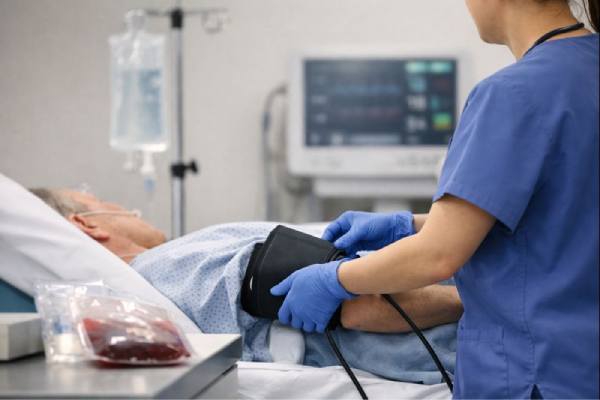
Hemorrhagic shock happens when a person loses so much blood that the body can’t deliver enough oxygen to the brain, heart, and other organs. It can develop in minutes after a major injury, or more quietly over hours with internal bleeding. Either way, it is a true medical emergency—because once organs are starved of oxygen for too long, damage becomes harder to reverse.
This article explains what hemorrhagic shock is, what causes it, who is most at risk, and the early warning signs people often miss. You’ll also learn how clinicians diagnose it quickly, what treatment looks like in the emergency department and ICU, and what practical steps matter most while waiting for help. The goal is clarity: what to look for, what to do, and what to expect.
Table of Contents
- What hemorrhagic shock does to the body
- Common causes of dangerous blood loss
- Who is at higher risk
- Early symptoms and life-threatening complications
- How hemorrhagic shock is diagnosed fast
- Treatment what happens in the ER and ICU
- Recovery prevention and when to seek urgent care
What hemorrhagic shock does to the body
Your blood does more than “carry oxygen.” It is also the body’s delivery system for fuel, clotting factors, and immune cells—and it helps maintain pressure so blood can reach every tissue. In hemorrhagic shock, the problem is not just low blood volume; it is a downward spiral where the body can’t keep circulation stable.
Here’s what typically happens, step by step:
- Volume drops. With less blood returning to the heart, each heartbeat pumps out less blood.
- The body compensates. The nervous system releases stress hormones that speed up the heart rate and tighten blood vessels to preserve flow to the brain and heart.
- Compensation fails. If bleeding continues, blood pressure falls, the pulse becomes weak, and organs begin to starve of oxygen.
- Clotting breaks down. Severe bleeding can dilute clotting factors (especially after large volumes of IV fluids) and can trigger abnormal clot breakdown. The result is “bleeding that won’t stop” even when the source is controlled.
- Temperature and chemistry shift. Blood loss and exposure can cool the body. Poor circulation also leads to acid buildup. Cold and acid both make clotting work worse.
Clinicians often worry about a dangerous cluster sometimes called the “lethal triad” (hypothermia, acidosis, and impaired clotting). A modern version also highlights low calcium, because calcium is essential for normal clotting and heart muscle function.
A key practical point: hemorrhagic shock can exist before the blood pressure looks low. Some people—especially young, fit adults—can maintain near-normal pressure until they suddenly crash. That is why trends matter: rising heart rate, worsening confusion, colder skin, and falling urine output can be early clues even when a single vital sign seems “okay.”
Common causes of dangerous blood loss
Hemorrhagic shock is a result, not a diagnosis by itself. The first lifesaving task is always the same: find and stop the bleeding source. Causes tend to fall into three buckets—external bleeding you can see, internal bleeding you can’t, and slow bleeding that quietly becomes critical.
Common causes include:
1) Trauma (most common in emergency settings)
- Motor vehicle crashes, falls, industrial injuries
- Penetrating wounds (stabbing, gunshot)
- Major fractures (especially pelvis and femur) that can bleed heavily into deep tissue
- Crush injuries and amputations
2) Internal bleeding not caused by injury
- Gastrointestinal bleeding: ulcers, varices (enlarged veins in the esophagus or stomach), diverticular bleeding
- Ruptured aneurysm: especially abdominal aortic aneurysm; often sudden back/abdominal pain with collapse
- Ectopic pregnancy rupture: early pregnancy with severe abdominal pain, dizziness, fainting
- Postpartum hemorrhage: heavy bleeding after delivery
- Surgical complications: bleeding after an operation or procedure
3) Medication and medical-condition contributors (they don’t “cause” blood loss alone, but they make it worse)
- Blood thinners (anticoagulants) and antiplatelet drugs
- Liver disease or inherited bleeding disorders
- Low platelet count from illness or chemotherapy
A useful way to think about severity is not “how much blood is on the floor,” but how fast the loss is happening and whether it is ongoing. A brisk arterial bleed can become fatal in minutes. Internal bleeding may be just as rapid, but hidden—blood pools in the abdomen, chest, pelvis, or retroperitoneal space without obvious external loss.
One more nuance: vomiting blood or passing black stools can look dramatic, but the biggest danger is usually the circulation problem that follows. If someone with suspected bleeding becomes faint, confused, cold, or unusually sleepy, treat it as an emergency even if the visible blood seems “not that much.”
Who is at higher risk
Anyone can develop hemorrhagic shock if bleeding is severe enough, but certain situations raise risk in predictable ways—either by increasing the chance of major bleeding or by making the body less able to compensate.
Higher-risk situations and groups include:
- Older adults. They often have less cardiovascular “reserve,” and they may take medications that affect clotting. They can also appear deceptively stable early on.
- People taking blood thinners or antiplatelet drugs. Examples include anticoagulants for atrial fibrillation or blood clots, and antiplatelet therapy after stents. Bleeding may be heavier and harder to control.
- Pregnancy and the postpartum period. Blood volume is higher in pregnancy, so major blood loss can be underestimated at first. After delivery, uterine bleeding can become severe quickly.
- People with liver disease, kidney disease, or cancer. These conditions can affect clotting, platelet function, or blood vessel health.
- Bleeding disorders or low platelet count. Even a moderate bleed can become dangerous if clotting is impaired.
- High-energy injuries. Motorcycle crashes, major falls, or blunt abdominal trauma increase the chance of internal bleeding.
- Alcohol or substance intoxication. This can mask symptoms, delay care, and increase injury risk.
Risk is also shaped by environment:
- Remote locations (long time to emergency care)
- Limited access to rapid blood transfusion
- Delayed recognition (for example, internal bleeding without obvious wounds)
A practical “risk + symptoms” concept can help families and first responders: a high-risk event plus any signs of poor circulation should trigger urgent action. For example, an older person on blood thinners who falls and becomes pale and confused deserves emergency evaluation even if there is no large visible wound.
Finally, children deserve special mention: they can maintain blood pressure until late stages, so fast heart rate, sleepiness, cool skin, or reduced urine output can be more useful early clues than blood pressure alone.
Early symptoms and life-threatening complications
Hemorrhagic shock often starts with signals that are easy to misread as “stress,” “pain,” or “just dehydration.” The most important skill is noticing a pattern: signs of blood loss plus signs the brain and organs are not getting enough flow.
Early symptoms and signs (may appear before low blood pressure):
- Fast heart rate or pounding pulse
- Pale, cool, or clammy skin
- Thirst, dry mouth, nausea
- Anxiety, restlessness, or a sense of “impending doom”
- Lightheadedness, especially when sitting or standing
- Rapid breathing
Worsening signs (more urgent red flags):
- Confusion, unusual sleepiness, difficulty staying awake
- Very weak pulse, cold hands and feet, mottled skin
- Little or no urine output
- Chest pain, severe shortness of breath
- Fainting or collapse
Visible bleeding is not required. Internal bleeding can show up as:
- Belly swelling or severe abdominal pain
- Back pain (possible retroperitoneal bleeding or aneurysm)
- Bruising around the abdomen/flanks in later stages
- Vomiting blood, coughing blood, black/tarry stools, or heavy vaginal bleeding
Major complications clinicians try to prevent:
- Organ failure: kidneys, liver, lungs, and brain are especially vulnerable to low oxygen delivery.
- Abnormal clotting: severe shock can cause a state where the blood both bleeds and clots unpredictably.
- Hypothermia: blood loss and exposure cool the body; cold worsens bleeding.
- Cardiac arrest: when circulation can no longer support the heart and brain.
A useful mental model is “minutes matter.” If someone is bleeding and becomes confused, faint, or very cold/clammy, the danger is not just the blood loss—it’s the loss of oxygen delivery. That is why emergency teams focus on rapid bleeding control, warming, and early blood products rather than “waiting to see if it improves.”
How hemorrhagic shock is diagnosed fast
Diagnosis is both clinical (based on what the team sees) and data-driven (using rapid tests to confirm severity and guide treatment). In emergencies, clinicians work on two tracks at the same time: identify shock and locate the bleeding source.
1) Rapid bedside assessment
- Vital signs: heart rate, blood pressure, breathing rate, oxygen level, temperature
- Mental status: alertness and confusion can change quickly
- Skin findings: cool, clammy, pale, delayed capillary refill
- Urine output: a key marker of organ perfusion over time
Many teams use quick pattern tools:
- Shock index (heart rate divided by systolic blood pressure). A rising value suggests worsening circulation even if the blood pressure looks “acceptable.”
- Response to initial resuscitation: improvement, partial improvement, or no response helps determine how urgently bleeding control is needed.
2) Point-of-care imaging to find bleeding
- FAST ultrasound (Focused Assessment with Sonography in Trauma) can detect free fluid in the abdomen or around the heart within minutes.
- Chest and pelvic X-rays may help identify major injuries (collapsed lung, pelvic fractures).
- CT scans can precisely locate internal bleeding, but only if the patient is stable enough to leave the resuscitation bay.
3) Blood tests that guide resuscitation
- Hemoglobin/hematocrit can be misleading early (it may not drop immediately), so trends matter.
- Lactate and base deficit help estimate how severe the oxygen shortage is.
- Coagulation tests (INR/PT, aPTT) and platelet count evaluate clotting capacity.
- Viscoelastic tests (such as TEG/ROTEM) in some hospitals provide faster, more practical clotting guidance during massive transfusion.
- Electrolytes and calcium are monitored closely; low calcium can worsen bleeding and heart function.
4) Ongoing reassessment
Hemorrhagic shock is dynamic. A single “normal” number does not clear it. Teams repeatedly reassess: heart rate trend, skin warmth, mental clarity, urine output, and lab trends. The goal is to stay ahead of deterioration, not chase it.
In real-world practice, the diagnosis is confirmed when the overall picture fits: suspected blood loss plus signs of poor circulation plus objective markers (imaging or labs) that support ongoing bleeding or inadequate oxygen delivery.
Treatment what happens in the ER and ICU
Treatment is built around a simple priority: stop the bleeding, restore circulation, and prevent secondary damage. In severe cases, this happens in parallel with a coordinated team (emergency, trauma surgery, anesthesia, transfusion services, and ICU).
1) Immediate stabilization
- Airway and breathing support if needed (oxygen, ventilation)
- Warming measures (blankets, warmed fluids) because cold worsens clotting
- Large-bore IV access or rapid infusion devices for fast delivery of blood products
2) Bleeding control (source control)
Depending on the cause, this may involve:
- Direct pressure, wound packing, tourniquet for life-threatening limb bleeding
- Emergency surgery for internal bleeding (abdomen, chest, pelvis)
- Interventional radiology (angiographic embolization) to block bleeding vessels
- Obstetric interventions for postpartum hemorrhage
- Endoscopy for certain gastrointestinal bleeds
3) Fluids and blood products
Modern care aims to avoid flooding the patient with large volumes of clear IV fluids, because that can dilute clotting factors and worsen bleeding. Instead, many hospitals move early to balanced blood-product resuscitation, often using a structured massive transfusion protocol that delivers red blood cells, plasma, and platelets in planned ratios.
Some centers use whole blood in specific settings. Teams also treat:
- Low calcium during transfusion (because stored blood products can lower ionized calcium)
- Clotting problems with targeted products when indicated (for example, fibrinogen replacement)
4) Permissive hypotension (in selected patients)
If bleeding is uncontrolled, some patients are managed with a lower-than-normal blood pressure target to reduce further bleeding until definitive control is achieved. This is not appropriate for everyone (for example, certain brain injuries may require higher pressures), so clinicians individualize it.
5) Medications that may be used
- Tranexamic acid (TXA) may be used early in major bleeding when appropriate, especially in trauma or obstetric hemorrhage.
- Vasopressors (blood pressure–raising drugs) are generally not first-line in pure hemorrhagic shock; if used, they are typically a bridge while bleeding control and transfusion are underway.
6) ICU care and monitoring
After initial rescue, ICU teams focus on preventing complications: lung injury, kidney failure, infections, and ongoing bleeding. Recovery often depends as much on temperature control, careful transfusion strategy, and early definitive repair as it does on the initial minutes of resuscitation.
Recovery prevention and when to seek urgent care
Recovery depends on the cause, how quickly bleeding was controlled, and how long organs were under strain. Some people stabilize quickly after surgery or transfusion; others need days in the ICU with careful monitoring.
What recovery can look like
- Fatigue, weakness, and shortness of breath with activity are common for weeks, especially if anemia persists.
- Some people need iron therapy, diet adjustments, or additional evaluation for hidden bleeding sources.
- After major trauma, rehabilitation may include physical therapy, pain control, and monitoring for blood clots.
Practical prevention (when relevant confirmation is possible with your clinician)
- If you take blood thinners, ask about:
- What injuries or symptoms should trigger emergency evaluation
- Whether you need periodic dose checks or kidney-function monitoring
- Drug interactions (including over-the-counter anti-inflammatories that increase bleeding risk)
- Address modifiable bleeding risks:
- Treat ulcers and reflux conditions appropriately
- Follow up on unexplained anemia
- Avoid mixing alcohol with medications that raise bleeding risk
- For pregnancy and postpartum care:
- Know what “too much bleeding” looks like after delivery
- Seek help quickly for heavy bleeding, dizziness, or fainting
What to do while waiting for emergency help
If you suspect severe bleeding or shock:
- Call emergency services immediately.
- If external bleeding is present, apply firm direct pressure; use a tourniquet for life-threatening limb bleeding if trained.
- Lay the person flat if possible; elevate legs only if it does not worsen pain or injury.
- Keep them warm. Do not give food or drink if surgery may be needed.
- Watch for worsening confusion, fainting, or trouble breathing.
When to seek urgent care (do not “wait it out”)
- Fainting, confusion, severe weakness, or gray/pale clammy skin
- Rapid heartbeat with dizziness after injury or heavy bleeding
- Vomiting blood, passing black/tarry stools, or heavy vaginal bleeding
- Severe abdominal/back pain with collapse or near-collapse
- Any concerning symptoms after a fall or crash in someone on blood thinners
The most important principle is speed: early recognition and rapid bleeding control save lives.
References
- The European guideline on management of major bleeding and coagulopathy following trauma: sixth edition 2023 (Guideline)
- WHO recommendations on the assessment of postpartum blood loss and use of a treatment bundle for postpartum haemorrhage 2023 (Guideline)
- Management of Hemorrhagic Shock: Physiology Approach, Timing and Strategies 2022 (Review)
- Damage control resuscitation: how it’s done and where we can improve. A view of the Brazilian reality according to trauma professionals 2024 (Review)
Disclaimer
This article is for general educational purposes and does not replace medical advice, diagnosis, or treatment. Hemorrhagic shock is a life-threatening emergency. If you suspect severe bleeding or shock—especially with fainting, confusion, cold clammy skin, or difficulty breathing—seek emergency care immediately or call your local emergency number. Treatment choices depend on the cause of bleeding, a person’s medications and medical history, and real-time vital signs and lab results.
If you found this article helpful, please consider sharing it on Facebook, X (formerly Twitter), or any platform you prefer, and follow us on social media. Your support through sharing helps our team keep producing clear, reliable health content.