Hemopericardium means blood has collected in the sac around the heart. The sac is normally a thin, slippery space; when blood fills it, the heart can struggle to expand and pump. This can become dangerous quickly if pressure builds and “squeezes” the heart, a condition called cardiac tamponade (heart compressed by fluid). Hemopericardium most often happens after chest trauma or a medical procedure, but it can also occur with a tear of the aorta, certain cancers, or bleeding disorders. Because the early signs can look like anxiety, indigestion, or a respiratory illness, the condition is sometimes missed until the person becomes unstable. This article explains what hemopericardium is, what causes it, who is most at risk, what symptoms should raise alarm, how clinicians confirm the diagnosis, and what treatment and recovery typically involve.
Table of Contents
- What hemopericardium is and why it can turn urgent
- What causes bleeding into the pericardium?
- Risk factors and high-risk scenarios
- Symptoms and warning signs to act on
- How it is diagnosed in the clinic and ER
- Treatment: what happens first and what fixes the cause
- Recovery, follow-up, and preventing recurrence
What hemopericardium is and why it can turn urgent
The heart sits inside a protective sac called the pericardium. Between the heart and that sac is a thin lubricating layer of fluid—just enough to reduce friction as the heart beats. Hemopericardium occurs when blood enters this space. The most important clinical issue is not simply the presence of blood, but how much accumulates and how fast.
The pericardium is not very stretchy in the short term. If blood collects rapidly, even a modest volume can raise pressure around the heart. That pressure prevents the heart chambers from filling properly between beats, which reduces forward blood flow. When this happens, the body may show signs of shock: low blood pressure, fast heart rate, confusion, and cool clammy skin. This is the pathway to cardiac tamponade, where the heart is mechanically constrained.
When blood accumulates slowly, the pericardium can adapt somewhat and hold more fluid before pressure rises. That does not make it harmless—it can still progress to tamponade, and it often signals a serious underlying cause (such as cancer-related bleeding or an aortic problem). But it can change the pace and the symptoms.
Clinicians think about hemopericardium through three practical lenses:
- Rate: fast accumulation is more likely to cause sudden collapse.
- Volume and pressure: pressure matters more than the exact fluid amount.
- Cause: trauma and procedural complications require different solutions than cancer or aortic disease.
Hemopericardium can also complicate recovery after heart procedures. After surgery or catheter-based interventions, small amounts of blood may collect and then stop. But if bleeding continues, the person can deteriorate over minutes to hours.
Because the heart is central to oxygen delivery, a failing pump affects everything quickly. That is why hemopericardium is treated as an emergency pattern when symptoms suggest tamponade or hemodynamic instability. The safest approach is to treat new chest discomfort, unexplained fainting, or worsening breathlessness—especially after trauma or a cardiac procedure—as reasons to seek immediate medical evaluation rather than waiting to see if it passes.
What causes bleeding into the pericardium?
Blood can enter the pericardial space from direct injury to the heart or nearby blood vessels, from bleeding disorders, or from disease processes that cause fragile, abnormal tissue. Causes are often grouped into traumatic, iatrogenic (procedure-related), vascular, malignant, and coagulation-related categories.
Common causes include:
- Chest trauma
- Penetrating injuries (stab or gunshot wounds)
- Blunt trauma (car crashes, falls) that can tear heart muscle or vessels
- Rib fractures that injure nearby structures
- Procedure-related bleeding
- Cardiac catheterization or coronary interventions
- Pacemaker/defibrillator lead placement
- Ablation procedures for arrhythmias
- Central line placement in the chest/neck region
- Heart surgery (early postoperative bleeding or delayed effusion)
- Aortic disease
- Aortic dissection or rupture can bleed into the pericardium, especially when the tear is near the heart.
- This scenario is particularly dangerous because bleeding can be rapid and recurrent.
- Heart attack complications
- In rare cases, a tear in the heart wall after a major heart attack can cause hemopericardium with sudden collapse.
- Cancer and pericardial involvement
- Some cancers can invade or inflame the pericardium, making it prone to bleeding.
- Cancer-related effusions can be mixed fluid and blood, and they may recur.
- Bleeding and clotting disorders
- Low platelets, certain blood cancers, or severe liver disease
- Use of anticoagulants (blood thinners) or, less commonly, over-anticoagulation
- Rare medication reactions or severe inflammation
- Inflammation (pericarditis) with bleeding tendency
- Inflammation alone typically causes non-bloody fluid, but bleeding risk rises with anticoagulation, malignancy, or specific infectious causes.
In many emergency evaluations, clinicians prioritize the most time-sensitive causes first: trauma and aortic disease. That priority is based on the probability of rapid deterioration and the need for immediate procedural or surgical management.
A practical patient-facing insight: context matters as much as symptoms. Chest pain and breathlessness mean something very different if they occur after a car crash, within days of a heart procedure, or in a person on blood thinners who recently fell. When seeking help, mentioning that context early can speed diagnosis and treatment.
Risk factors and high-risk scenarios
Hemopericardium is uncommon in the general population. Risk increases sharply in specific scenarios, especially when bleeding risk and mechanical vulnerability overlap. Knowing these risk factors helps clinicians and patients recognize when symptoms should be treated as urgent.
Major risk factors include:
- Recent cardiac or chest procedure
- Catheter-based heart procedures, pacemaker placement, ablations, or heart surgery
- The first hours to days are highest risk, but delayed bleeding can still occur, particularly with anticoagulation.
- Chest trauma
- High-speed accidents, falls from height, direct blows to the chest
- Even “minor” trauma can be serious in older adults or those on blood thinners.
- Use of anticoagulants or antiplatelet medications
- Blood thinners increase the chance that a small injury becomes a significant bleed.
- The highest concern is when medication intensity is high or when combined therapies are used.
- Aortic disease risk
- Long-standing uncontrolled high blood pressure
- Known aortic aneurysm or prior aortic surgery
- Certain inherited connective tissue conditions that weaken the aortic wall
- Cancer history
- Cancers that can involve the chest or spread to the pericardium raise risk of pericardial effusion, sometimes hemorrhagic.
- Bleeding disorders and low platelets
- Blood cancers, chemotherapy effects, advanced liver disease, or severe clotting disorders.
High-risk symptom contexts—situations where even mild symptoms matter more—include:
- Chest discomfort, faintness, or breathlessness after a heart procedure
- Sudden weakness, dizziness, or low blood pressure after trauma
- New chest pain with collapse in someone with known aortic aneurysm or severe hypertension
- Progressive shortness of breath with weight loss or known cancer history
Risk also depends on how quickly a person can compensate. Older adults, people with heart failure, and those with severe lung disease may deteriorate faster because they have less physiologic reserve.
A useful practical tip: if you have had a recent cardiac procedure or are taking blood thinners, treat new unexplained chest pressure, breathlessness, or fainting as “not normal.” Even if symptoms come and go, they can reflect intermittent tamponade physiology, where pressure around the heart fluctuates with breathing and position. Early evaluation is far safer than waiting for a dramatic collapse.
Symptoms and warning signs to act on
Symptoms of hemopericardium vary with the rate of bleeding and whether tamponade is developing. Some people feel only chest discomfort and fatigue at first. Others decline quickly with signs of shock. Because the condition can evolve over minutes to hours, the safest mindset is to watch for progression and red-flag combinations.
Common symptoms include:
- Chest pain or pressure
- Often central, sometimes worse with deep breathing or lying flat
- May feel like heaviness rather than sharp pain
- Shortness of breath
- May worsen when lying flat
- Can be accompanied by rapid breathing
- Lightheadedness or fainting
- Especially when standing or walking
- Palpitations or an unusually fast heartbeat
- Marked fatigue or sudden weakness
- Anxiety-like sensation (often driven by low perfusion and breathlessness)
Signs that suggest tamponade physiology (pressure limiting heart filling) include:
- Low blood pressure or a sudden drop from baseline
- Fast heart rate that does not settle with rest
- Cold, clammy skin and poor capillary refill
- Neck vein distension (not always present)
- Confusion or reduced alertness
- Low urine output if instability persists
Symptoms after specific triggers should raise urgency:
- After a cardiac procedure: worsening breathlessness, chest pressure, dizziness, or new hypotension
- After trauma: chest pain, breathlessness, fainting, or rapidly increasing fatigue
- On blood thinners: new weakness after a fall, unexplained low blood pressure, or persistent chest symptoms
Red flags that should prompt emergency evaluation include:
- Fainting, near-fainting, or collapse
- Chest pressure with severe breathlessness
- Rapid breathing with confusion or extreme weakness
- Very low blood pressure, especially with a fast heart rate
- Sudden severe chest or upper back pain (possible aortic event)
A subtle but important point: you do not need all classic signs to be in danger. Tamponade can present atypically, especially in older adults or in people with chronic effusions. If symptoms are escalating—breathing is getting harder, dizziness is worsening, or blood pressure is trending down—treat it as urgent.
If you are with someone who may be unstable, keep them seated or lying down, avoid exertion, and seek emergency care. Home treatments cannot relieve the mechanical pressure around the heart. Definitive care requires imaging, monitoring, and often drainage or surgery.
How it is diagnosed in the clinic and ER
Diagnosis is built around speed: confirm whether there is fluid around the heart, determine if it is affecting heart function, and identify the likely cause. Clinicians typically work on stabilization and diagnosis at the same time.
Key diagnostic steps include:
- Immediate assessment of stability
- Blood pressure trend, heart rate, oxygen level, mental status, urine output cues
- Signs of shock prompt rapid escalation.
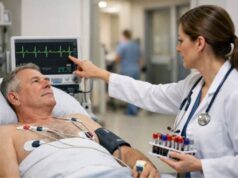
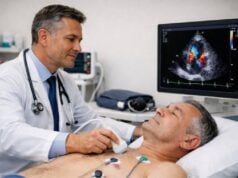
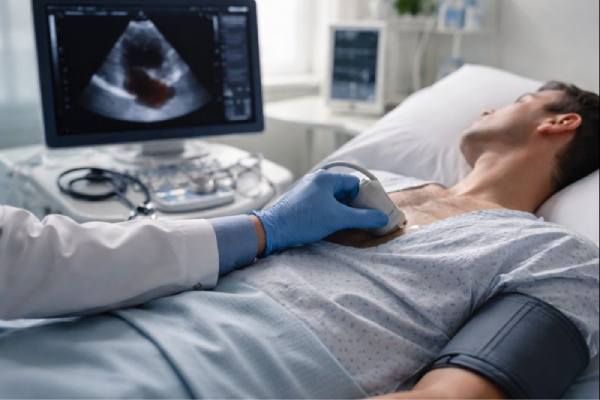
- Bedside echocardiography (heart ultrasound)
- The most important test for suspected hemopericardium/tamponade.
- It can show pericardial fluid and whether heart chambers are collapsing during filling, a strong sign of tamponade.
- It can also give clues about heart function and alternative causes of shock.
- Electrocardiogram (ECG)
- Helps assess rhythm problems and signs of heart attack.
- In large effusions, some ECG patterns can suggest pericardial fluid, but ECG alone cannot confirm diagnosis.
- Chest imaging
- A chest X-ray may show an enlarged heart silhouette in slower-developing effusions, but it can be normal in acute bleeding.
- CT scanning can help define traumatic injuries, aortic dissection, or associated chest bleeding when the patient is stable enough for transport.
- Laboratory tests
- Blood count to assess anemia and bleeding severity
- Coagulation studies if blood thinners or clotting problems are suspected
- Metabolic panel and lactate to assess organ stress
- Cardiac biomarkers when heart attack is on the differential
- Pericardial fluid analysis (after drainage, when appropriate)
- If fluid is drained, clinicians may analyze it for blood, infection markers, and malignancy clues.
- In a true hemopericardium emergency, drainage is performed for life-saving pressure relief first; detailed analysis follows.
Clinicians also look for the source. In trauma or after procedures, the question is “where is the bleeding coming from, and is it continuing?” In suspected aortic dissection, clinicians prioritize rapid confirmation and surgical consultation because recurrent bleeding can occur even after initial stabilization.
A practical diagnostic insight: the team is not only looking for fluid—they are looking for hemodynamic impact. A small but rapidly accumulating hemopericardium can be more dangerous than a large but slowly accumulating effusion. That is why ultrasound findings and the patient’s clinical trajectory matter as much as the volume estimate.
If you are a patient or caregiver, the most helpful information to volunteer quickly is context: recent chest trauma, recent cardiac procedures, current blood thinner use, known aortic aneurysm, or known cancer. Those details immediately reshape the diagnostic pathway.
Treatment: what happens first and what fixes the cause
Treatment for hemopericardium depends on urgency. If tamponade is present or the patient is unstable, clinicians treat it as a life-threatening emergency: restore circulation while relieving pressure on the heart and stopping the bleeding source.
What happens first
- Stabilization
- Oxygen as needed, IV access, continuous monitoring
- Careful fluid resuscitation may help temporarily by improving heart filling, but it is not definitive treatment.
- If bleeding is suspected, clinicians prepare blood products and correct clotting problems.
- Urgent pericardial decompression
- Pericardiocentesis (needle drainage of the pericardial space) may be performed to relieve pressure quickly, often guided by ultrasound.
- In some cases, especially trauma or postoperative bleeding, a surgical pericardial window or direct surgical exploration is preferred because it can allow ongoing drainage and better control of bleeding.
Fixing the cause
Cause-directed treatment varies:
- Trauma
- Surgical repair may be needed if there is heart wall or major vessel injury.
- Ongoing bleeding requires operative control; drainage alone may not be enough.
- Procedure-related perforation
- Management depends on the procedure and the injury site.
- Options include catheter-based repair in selected scenarios or urgent surgery, plus reversal of anticoagulation if safe.
- Aortic dissection or rupture
- Requires emergent surgical or endovascular management depending on location and type.
- Blood pressure control is handled carefully; overly aggressive lowering without controlling the source can be dangerous, and individualized management is essential.
- Anticoagulation-related bleeding
- Reversal agents may be used when clinically appropriate.
- Clinicians balance stopping bleeding against clot risks, especially in patients with mechanical valves or recent clots.
- Malignancy-related effusion
- Drainage relieves symptoms and supports diagnosis.
- Ongoing management may include repeat drainage, catheter-based drainage, or therapies targeting the cancer; recurrence risk can be significant.
What to expect after acute treatment
After stabilization, the focus shifts to:
- Monitoring for re-accumulation of blood
- Managing complications (arrhythmias, low blood pressure episodes, anemia)
- Identifying and addressing the bleeding source definitively
- Planning safe re-initiation of blood thinners if they are necessary
A key insight for readers: pericardiocentesis can be life-saving, but it is often only the bridge. Durable recovery requires controlling the underlying source of bleeding, especially when trauma or aortic disease is involved.
Recovery, follow-up, and preventing recurrence
Recovery depends on the cause and on whether the event included tamponade or shock. Some patients recover quickly after drainage and correction of a procedural complication. Others need prolonged hospital care, especially after trauma, surgery, or aortic dissection.
What recovery may involve
- Repeat imaging
- Follow-up echocardiograms check for re-accumulation and confirm that heart filling has normalized.
- Monitoring blood counts and clotting
- Hemoglobin trends and coagulation parameters help ensure bleeding has stopped and guide decisions about restarting anticoagulants.
- Activity progression
- Fatigue is common after an unstable event. Gradual activity increases are often recommended, especially after surgery.
- Cause-specific follow-up
- Trauma follow-up may include surgical review and rehabilitation.
- Aortic disease follow-up often includes strict blood pressure management and imaging surveillance.
- Malignancy-related effusions may involve oncology-directed treatment and planning for recurrence prevention.
Preventing recurrence
Prevention is mainly about reducing avoidable triggers and improving early detection:
- Medication safety
- If you take blood thinners, understand your dosing plan and the signs of over-anticoagulation (unusual bruising, black stools, persistent bleeding).
- Avoid adding over-the-counter medications that increase bleeding risk without checking with a clinician.
- Blood pressure control
- Especially important for people with known aortic enlargement or dissection risk.
- Post-procedure awareness
- After cardiac procedures, follow discharge instructions carefully.
- Do not ignore new breathlessness, chest pressure, or dizziness—even if it feels mild.
- Cancer care coordination
- If an effusion was malignancy-related, discuss recurrence risk and what symptoms should trigger early imaging.
When to seek urgent care after discharge
Seek immediate evaluation for:
- New or worsening shortness of breath
- Chest pressure, fainting, or near-fainting
- Rapid heart rate that persists at rest
- New confusion, extreme weakness, or a sudden blood pressure drop
- Return of symptoms similar to the original event
Hemopericardium can be frightening because it is sudden and mechanical. But many patients do well when the cause is identified quickly and treated definitively. The most protective habit is simple: if you have a relevant risk context—recent procedure, trauma, blood thinners, aortic disease—treat new chest symptoms or unexplained breathlessness as “time-sensitive,” not as something to watch for a few days.
References
- 2021 ESC Guidelines for the diagnosis and management of acute and chronic heart failure 2021 (Guideline)
- 2022 ACC/AHA Guideline for the Diagnosis and Management of Aortic Disease 2022 (Guideline)
- 2021 AHA/ACC Guideline for the Diagnosis and Treatment of Patients With Hypertrophic Cardiomyopathy 2021 (Guideline)
- Cardiac tamponade: a clinical challenge 2022 (Review)
Disclaimer
This article is for general educational purposes and does not diagnose, treat, or replace care from a licensed clinician. Hemopericardium can rapidly become life-threatening, especially when it causes cardiac tamponade or shock. Seek emergency medical care immediately for fainting, severe or worsening shortness of breath, chest pressure, confusion, or signs of major bleeding—particularly after chest trauma, after a heart procedure, or while taking blood thinners. Treatment decisions, including drainage procedures and anticoagulation management, must be individualized by a medical team based on your risks and the underlying cause.
If you found this guide helpful, please share it on Facebook, X (formerly Twitter), or any platform you prefer, and follow us on social media. Your support helps our team continue producing clear, reliable health content.