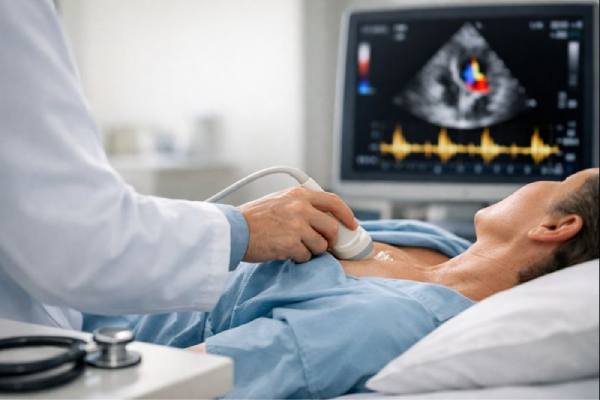
Heart valve prolapse means a valve leaflet bows backward more than it should when the heart squeezes. Most people hear about it after a routine exam or an echocardiogram (heart ultrasound) done for palpitations or a murmur. In many cases, prolapse causes little or no trouble and stays stable for years. In others, the valve becomes leaky over time, which can lead to shortness of breath, tiredness, or abnormal heart rhythms. Because the word “prolapse” sounds alarming, it helps to separate what’s common and low-risk from the smaller group that needs closer follow-up or treatment. This article explains what heart valve prolapse is, why it happens, who is more likely to develop symptoms, how clinicians confirm it, and what modern care looks like—from watchful monitoring to medication, valve repair, and long-term self-management.
Table of Contents
- What heart valve prolapse means
- What causes valve prolapse?
- Risk factors: who gets it and why
- Symptoms: what you might notice
- Complications and warning signs
- How it is diagnosed and graded
- Treatment and long-term management
What heart valve prolapse means
“Valve prolapse” describes motion: the valve leaflet bulges backward instead of meeting neatly in the middle. Most often, this refers to mitral valve prolapse (MVP), involving the valve between the left atrium and left ventricle. Less commonly, other valves can prolapse, but MVP drives most symptoms, testing, and treatment decisions.
To picture it, think of the mitral valve as two thin doors (leaflets) attached by string-like supports (chordae) to the heart muscle. When the left ventricle contracts, the doors should close and hold firm. With prolapse, part of a leaflet bows into the left atrium during contraction. Prolapse can be mild and harmless, or it can stretch the closing line enough to cause mitral regurgitation (a leak where blood moves backward).
A few practical points help readers interpret the diagnosis:
- Prolapse is not the same as a dangerous leak. You can have prolapse with little or no regurgitation. In that situation, the heart often functions normally.
- A “click” can be a clue. Some people have a distinctive mid-systolic click on exam. The click reflects valve tissue snapping tight as the heart beats.
- Not all prolapse is the same. Some people have thicker, more redundant valve tissue (often called myxomatous change), which can raise the chance of a meaningful leak over time. Others have very subtle prolapse with minimal changes.
Symptoms, when they happen, usually come from one of two paths: (1) the leak becomes significant and the heart chambers enlarge or pressures rise, or (2) the valve’s structure is linked to rhythm irritability in a small subset of patients. Many people fall into a third category: they feel palpitations or chest discomfort, but the valve leak remains mild and the overall outlook is good.
The core message is reassuring but specific: heart valve prolapse is often a “monitor and maintain” condition. The medical work is in measuring whether there is regurgitation, how severe it is, and whether the heart is adapting normally.
What causes valve prolapse?
Heart valve prolapse usually develops because the valve’s supporting structure becomes slightly “too long,” “too loose,” or “too stretchy” for the job it needs to do. In MVP, the key players are the leaflets, the chordae (thin cords), and the ring-like base of the valve (the annulus). If any part becomes altered, the leaflet edge may bow backward.
Common underlying causes include:
- Degenerative (myxomatous) valve change. Over time, valve tissue can thicken and become more flexible than normal. The leaflets may billow, and chordae can stretch or, rarely, tear. This is the most frequent pathway in many adults diagnosed by echo.
- Inherited connective tissue tendencies. Some families have a pattern of MVP. In certain connective tissue disorders, the body’s supportive fibers are more elastic, which can affect valve strength and shape.
- Congenital anatomy. Some people are born with subtle differences in valve shape or chordae attachments that predispose to prolapse.
- Secondary changes related to the heart’s geometry. If the left ventricle changes shape due to other heart problems, the valve can lose its usual alignment. (This is less about classic “prolapse” and more about functional leakage, but it can look similar on imaging and still matters clinically.)
Prolapse can worsen when the valve’s “closing system” is under strain. For example, if chordae weaken and one ruptures, a leaflet segment can flip more dramatically, causing a sudden jump in regurgitation. This situation is more likely to produce abrupt breathlessness and requires urgent evaluation.
Clinicians also talk about patterns such as:
- Single-leaflet vs bileaflet prolapse. Bileaflet prolapse involves both leaflets bulging backward. It often remains mild, but some configurations are linked to rhythm issues.
- Valve thickening and redundancy. A thicker, more billowy valve may be more prone to progressive leak.
- Annular changes. If the valve’s base stretches, the leaflets have a harder time meeting, which can intensify regurgitation even without dramatic prolapse.
What is not a typical cause: lifestyle alone. Exercise, stress, caffeine, or body position do not “create” prolapse. They may influence symptoms like palpitations, but the underlying valve structure is usually driven by anatomy, aging changes, or inherited tendencies.
If you have valve prolapse, the practical question is not only “why did it happen?” but “what is it doing now?”—specifically, whether it is causing a leak, chamber enlargement, or rhythm instability. Those factors guide follow-up and treatment far more than the label itself.
Risk factors: who gets it and why
Heart valve prolapse is relatively common, and many people never develop symptoms. Still, certain features make prolapse more likely to be diagnosed or more likely to matter clinically. Risk factors fall into three buckets: who is more likely to have it, who is more likely to develop a significant leak, and who is more likely to experience rhythm-related symptoms.
Factors linked with having prolapse or being diagnosed include:
- Family history. If close relatives have MVP or needed mitral valve repair, your likelihood rises.
- Connective tissue traits. Some people have features like unusually flexible joints, long limbs, or certain skeletal patterns, which can overlap with inherited connective tissue conditions.
- Body build and imaging patterns. MVP is often detected during echocardiograms done for murmurs, palpitations, or chest symptoms. Increased access to imaging has also increased diagnosis.
Factors linked with developing more significant regurgitation over time include:
- Thicker, redundant valve leaflets on echocardiogram
- Annular enlargement (a stretched valve base)
- Chordal elongation or rupture (the “strings” supporting the valve weaken or snap)
- Higher initial regurgitation grade at diagnosis
- Aging-related degenerative change, which can slowly alter leaflet strength and closure
A separate risk discussion involves rhythm problems. Most people with MVP do not have dangerous arrhythmias, but a smaller subset has more frequent ventricular ectopy (extra beats from the lower chambers) or more complex rhythm patterns. Features that can raise suspicion for a higher arrhythmic tendency include:
- Frequent palpitations plus documented ventricular premature beats on monitoring
- A history of fainting that is not explained by dehydration, low blood sugar, or anxiety
- Echocardiogram findings such as bileaflet prolapse or certain annular motion patterns
- Evidence of scarring in specific heart muscle regions on advanced imaging (used selectively)
People also ask about infection risk. MVP with mild or no regurgitation is not typically considered a high-risk category for preventive antibiotics before routine dental work. However, good oral health is still important, because gum disease can seed bacteria into the bloodstream during everyday activities like brushing.
If you have MVP, a helpful self-advocacy step is to know your “summary sentence,” such as: “Mitral valve prolapse with mild regurgitation,” or “Mitral valve prolapse with moderate-to-severe regurgitation.” That single detail changes what clinicians recommend for follow-up timing, symptom monitoring, and whether you should see a valve specialist.
Symptoms: what you might notice
Many people with heart valve prolapse feel completely normal. When symptoms occur, they usually fall into two categories: symptoms related to a valve leak and symptoms related to the nervous system or heart rhythm sensitivity.
Common symptoms people report include:
- Palpitations (a fluttering, pounding, or “skipped beat” feeling)
- Atypical chest discomfort that is sharp, brief, or not tied to exertion
- Shortness of breath during activity, especially if regurgitation becomes moderate or severe
- Fatigue or reduced stamina that feels new or persistent
- Lightheadedness (sometimes related to hydration, posture, or anxiety, but worth checking)
- Exercise intolerance (you “hit a wall” sooner than expected)
It helps to know what symptom patterns are more suggestive of valve-related progression:
- Breathlessness that is steadily worsening over months
- Shortness of breath when lying flat, or waking at night gasping
- A new drop in exercise capacity compared with your baseline
- Swelling in the legs, rapid weight gain from fluid, or persistent cough with exertion
Those patterns can occur when regurgitation increases and the left atrium and left ventricle begin to enlarge to handle extra volume. Over time, pressure can rise in the lungs, and symptoms become more noticeable.
Palpitations deserve a balanced approach. They are common in the general population and often benign. With MVP, many palpitations come from extra beats that are uncomfortable but not dangerous. Still, clinicians take them seriously when they are frequent, prolonged, or paired with warning signs.
Symptom features that should prompt timely medical evaluation include:
- Palpitations with fainting or near-fainting
- Palpitations with chest pressure, marked breathlessness, or a racing heartbeat that does not settle
- New neurologic symptoms (weakness, speech difficulty, severe headache)
- Sudden onset of severe breathlessness (possible sudden worsening of regurgitation)
One subtle challenge is that symptoms can be influenced by stress, sleep deprivation, dehydration, alcohol, and stimulants. That does not mean symptoms are “in your head.” It means the same underlying valve condition can feel quiet for months and then flare when your body is under strain.
A practical symptom strategy is to track three things for two to four weeks: (1) what you feel, (2) what you were doing and consuming (caffeine, alcohol, poor sleep), and (3) what your pulse seems to be during episodes. This record makes clinic visits far more productive and helps decide whether you need rhythm monitoring, medication, or simply reassurance.
Complications and warning signs
Most people with heart valve prolapse never experience major complications. When complications do happen, they usually stem from progressive regurgitation or, less commonly, from rhythm disturbances. Knowing the possibilities helps you focus on the warning signs that truly matter.
Potential complications include:
- Progressive valve leakage (regurgitation). This is the most important long-term issue. A larger leak can enlarge the left atrium and left ventricle and, over years, contribute to heart failure symptoms if untreated.
- Atrial fibrillation. An enlarged left atrium can make atrial fibrillation more likely. This rhythm can cause palpitations, fatigue, breathlessness, and it can raise stroke risk in some patients.
- Chordal rupture and sudden worsening of symptoms. If a supporting chord snaps, regurgitation can jump quickly. People may develop abrupt shortness of breath, cough, or a sense of “can’t catch my breath,” especially with activity.
- Infective endocarditis (valve infection). The absolute risk is low, but it is higher when there is significant regurgitation, thickened valve tissue, or certain high-risk heart histories.
- Ventricular arrhythmias in a small subset. Most MVP-related extra beats are benign. Rarely, more complex arrhythmias occur and require specialist evaluation and targeted treatment.
The most useful warning signs—symptoms that should trigger urgent or prompt assessment—include:
- Sudden, severe shortness of breath, especially after a “pop” sensation in the chest or after an episode of intense palpitations
- Fainting or near-fainting, particularly during exertion or with palpitations
- Rapidly worsening exercise tolerance over weeks to months
- New swelling in the legs, new need to sleep propped up, or waking breathless at night
- Neurologic symptoms such as facial droop, weakness, difficulty speaking, or severe new headache
- Persistent fever without a clear cause, especially if you have known moderate-to-severe regurgitation or a prior valve procedure
It is also important to recognize “false alarms” without dismissing yourself. Sharp, brief chest pains that come and go at rest are common and often not dangerous, but they still deserve evaluation if they are new, severe, or accompanied by breathlessness, sweating, or faintness. Similarly, mild dizziness can come from dehydration or anxiety, yet it should be checked if it is recurrent or paired with palpitations.
The goal is to stay steady: most MVP is low-risk, but MVP with significant regurgitation is a condition that benefits from planned follow-up. Catching progression early allows clinicians to time treatment—especially valve repair—before the heart muscle becomes strained.
How it is diagnosed and graded
Diagnosis starts with a careful history and physical exam, but echocardiography is the key test. Clinicians use it to confirm whether prolapse is truly present, measure any regurgitation, and assess how the heart is responding.
Common steps in evaluation include:
- Physical exam
- A murmur can suggest regurgitation.
- A mid-systolic click can suggest MVP.
- Exam findings alone do not tell severity reliably, but they guide next testing.
- Transthoracic echocardiogram (TTE)
- This standard heart ultrasound confirms the valve’s motion.
- It estimates the amount of regurgitation (none, mild, moderate, severe).
- It checks left atrial size, left ventricular size, and pumping function.
- Transesophageal echocardiogram (TEE)
- Used when images from TTE are not clear or when clinicians need detailed valve anatomy (for example, when planning repair).
- It can better show leaflet segments, chordae, and the exact source of the leak.
- Electrocardiogram (ECG)
- A quick snapshot of rhythm and conduction.
- Helpful if you report palpitations, chest symptoms, or faintness.
- Rhythm monitoring
- A Holter monitor (often 24–48 hours) or longer patch monitoring can capture intermittent palpitations.
- The goal is to identify whether symptoms match benign extra beats, atrial fibrillation, or more complex rhythms.
- Exercise testing
- Useful when symptoms are unclear or when clinicians want to see how blood pressure, rhythm, and breathlessness behave with exertion.
- Can help differentiate deconditioning from valve-related limitation.
- Cardiac MRI (selected cases)
- Not needed for most people.
- Considered when clinicians suspect a higher arrhythmic risk pattern or need refined assessment of heart muscle and scarring.
Grading is not only about the leak. Clinicians pay attention to how the heart is adapting. A person with “moderate” regurgitation but enlarging chambers or declining function may need closer follow-up than someone with the same grade and stable measurements.
A practical follow-up idea: ask your clinician to write down three numbers from your echocardiogram report—regurgitation severity, left ventricular ejection fraction (pumping strength), and a measure of chamber size. Tracking those over time makes it easier to understand whether your condition is stable or changing.
If you have symptoms that do not match the echo findings—such as severe breathlessness with a mild leak—clinicians broaden the search. Lung disease, anemia, thyroid imbalance, and anxiety can overlap with MVP symptoms, and good care takes all of them seriously.
Treatment and long-term management
Treatment depends on two questions: how much regurgitation is present and how the heart is coping. Many people need no medication and only periodic monitoring. Others benefit from symptom-focused therapy, and a smaller group needs valve repair or replacement.
Common management paths include:
- Watchful monitoring (no or mild regurgitation)
- Regular clinical visits and repeat echocardiograms at intervals based on severity and stability.
- Focus on lifestyle habits that support heart health rather than “treating” the prolapse itself.
- Medication for symptoms
- For palpitations or trembly, racing-heart sensations, clinicians often consider beta-blockers, especially when symptoms correlate with benign extra beats.
- If atrial fibrillation develops, treatment may include rate or rhythm control medicines and, in some cases, blood thinners based on stroke-risk scoring.
- If heart failure symptoms appear due to significant regurgitation, medications may help, but they usually do not “fix” the mechanical leak.
- Valve repair or replacement (moderate-to-severe regurgitation with concerning features)
- Repair is often preferred when anatomy allows because it preserves native valve tissue and can provide excellent long-term results.
- Timing matters. Clinicians often recommend intervention before prolonged strain weakens the left ventricle.
- Replacement is considered when repair is not feasible or durable.
- Transcatheter options (selected patients)
- For people who are not good candidates for open surgery, certain catheter-based approaches can reduce regurgitation. These decisions are individualized and usually made by a multidisciplinary valve team.
Daily-life strategies that often reduce symptoms and support long-term stability:
- Exercise: Most people with MVP can exercise normally. Aim for at least 150 minutes per week of moderate activity, adjusted to your baseline and symptoms. If you have significant regurgitation or complex arrhythmias, ask for individualized guidance.
- Hydration and sleep: Dehydration and poor sleep can amplify palpitations. Many people notice fewer symptoms when they prioritize both.
- Stimulant awareness: Caffeine affects people differently. Rather than banning it, notice whether it reliably triggers palpitations and adjust accordingly.
- Dental and skin care: Good hygiene reduces bloodstream bacterial exposure. This is especially important if you have significant regurgitation or a history of valve procedures.
When to seek care promptly:
- New or worsening breathlessness, reduced exercise tolerance, swelling, or persistent cough
- Palpitations with fainting, chest pressure, or prolonged rapid heart rate
- Persistent fever without a clear cause
- Any sudden change that feels distinctly different from your usual symptom pattern
Long-term management works best when you treat MVP like a measurable condition, not a vague label. Your goal is steady follow-up, early recognition of change, and maintaining the habits that reduce symptom “noise” so true progression is easier to spot.
References
- 2025 ESC/EACTS Guidelines for the management of valvular heart disease 2025 (Guideline)
- 2021 ESC/EACTS Guidelines for the management of valvular heart disease 2022 (Guideline)
- Arrhythmic mitral valve prolapse in 2023: Evidence-based update 2023 (Review)
- EHRA expert consensus statement on arrhythmic mitral valve prolapse and mitral annular disjunction complex in collaboration with the ESC Council on valvular heart disease and the European Association of Cardiovascular Imaging endorsed cby the Heart Rhythm Society, by the Asia Pacific Heart Rhythm Society, and by the Latin American Heart Rhythm Society 2022 (Consensus Statement)
Disclaimer
This article is for general education and does not provide a medical diagnosis or replace care from a licensed clinician. Heart valve prolapse is often benign, but it can be associated with worsening valve leakage or heart rhythm problems in some people. Seek urgent medical care for severe or sudden shortness of breath, chest pressure, fainting, stroke-like symptoms, or a rapid heartbeat that does not settle. For personalized advice on exercise, pregnancy, medications, and follow-up testing, consult your clinician, especially if you have moderate-to-severe regurgitation or new symptoms.
If this guide helped you, please consider sharing it on Facebook, X (formerly Twitter), or any platform you prefer, and follow us on social media. Your support helps our team continue producing clear, reliable health content.