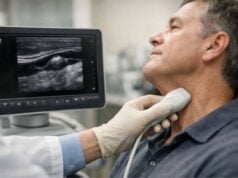
An intracardiac shunt is an opening or pathway that lets blood move between the right and left sides of the heart when it normally should not. Sometimes that extra pathway is small and harmless; other times it changes how much oxygen reaches the body or overloads the lungs and heart. The impact depends on the size of the opening, the direction of flow, and how long it has been present. Many shunts are found in infancy or childhood, but some are discovered later—often after a murmur, shortness of breath, migraine-like symptoms, or a stroke with no obvious cause. The good news is that modern imaging can define the problem clearly, and treatment ranges from watchful follow-up to catheter-based closure or surgery, with excellent outcomes in carefully selected patients.
Table of Contents
- What an intracardiac shunt means
- What causes intracardiac shunts?
- Risk factors and why shunts can be dangerous
- Symptoms and warning signs
- How intracardiac shunts are diagnosed
- Treatment and long-term management
What an intracardiac shunt means
At its core, an intracardiac shunt is a “shortcut” between heart chambers (or great vessels) that allows blood to cross from one circulation to the other. To understand why that matters, it helps to picture the heart as a two-pump system:
- The right side sends low-oxygen blood to the lungs to pick up oxygen.
- The left side sends oxygen-rich blood to the body.
A shunt can send blood the “wrong way” in one of two main patterns:
Left-to-right shunt
This is the most common pattern early in life for many congenital openings. Oxygen-rich blood from the left side flows back to the right side and recirculates through the lungs. In the short term, oxygen levels may stay normal, so people can feel surprisingly well. Over time, the lungs and right heart can be asked to handle too much flow and pressure. The result can be:
- Enlargement of right-sided chambers
- Increased lung blood flow (pulmonary overcirculation)
- Heart failure symptoms in infants if the shunt is large
- Long-term risk of lung vessel damage if untreated
Right-to-left shunt
Here, low-oxygen blood bypasses the lungs and reaches the body. This can lower oxygen saturation and cause bluish lips or fingertips (cyanosis), especially with exertion. Right-to-left flow may be constant (in certain complex congenital heart conditions) or intermittent—triggered by coughing, straining, dehydration, or changes in chest pressure. This pattern also matters because it can allow a clot from the veins to cross to the arterial side, increasing the risk of a “paradoxical” stroke.
Common shunt locations
- Atrial level: atrial septal defect (ASD) or patent foramen ovale (PFO)
- Ventricular level: ventricular septal defect (VSD)
- Great vessel connections: patent ductus arteriosus (PDA) or complex congenital anatomy
- Post-surgical pathways: residual leaks or baffles in repaired congenital heart disease
Two practical ideas guide most decisions: how big the shunt is (how much blood is crossing) and what it is doing to the heart, lungs, and oxygen levels. Those answers come from imaging and, sometimes, catheter-based measurements.
What causes intracardiac shunts?
Most intracardiac shunts are congenital, meaning the opening formed during fetal development and persisted after birth. Others are acquired, developing later due to injury, infection, or medical procedures. Knowing the cause helps predict whether the shunt might close on its own, remain stable, or progress.
Congenital causes
1) Patent foramen ovale (PFO)
Before birth, the foramen ovale is a normal flap-like opening between the atria. It usually seals after birth as pressures shift. In some adults it remains “potentially open,” often functioning like a one-way flap that opens under certain conditions. Many people never have symptoms, but it can matter in specific situations (for example, cryptogenic stroke in carefully selected patients).
2) Atrial septal defects (ASDs)
ASDs are true holes in the atrial septum. They vary by type and location. Some small ASDs cause little trouble; moderate or large defects can lead to right heart enlargement and arrhythmias over time.
3) Ventricular septal defects (VSDs)
VSDs vary from tiny “restrictive” openings (often a loud murmur but little strain on the heart) to large defects that can cause early heart failure and poor growth in infants. Some small VSDs close spontaneously, especially in childhood.
4) Patent ductus arteriosus (PDA)
A normal fetal vessel that should close soon after birth. If it remains open, it can create a left-to-right shunt from the aorta to the pulmonary artery.
5) Complex congenital heart disease
Some conditions require blood to mix to sustain life, especially before repair. After surgery, there may be intentional pathways or unintended residual shunts.
Acquired causes
- After a heart attack: a rupture in the ventricular septum can create an acute VSD, often causing sudden heart failure and shock.
- After cardiac surgery or catheter procedures: small residual leaks may remain or develop (for example, around a patch or device).
- Infection (endocarditis): rare, but infection can damage structures and create abnormal communications.
- Trauma: penetrating injury can disrupt the septum or valves.
Why “cause” is not the same as “severity”
A small congenital opening can be less risky than a newly acquired defect of the same size because the body has not had time to adapt. Conversely, a long-standing moderate shunt may quietly enlarge the right heart over years. The cause is the first clue; the next step is measuring impact.
Risk factors and why shunts can be dangerous
An intracardiac shunt becomes clinically important when it changes pressures, stretches heart chambers, lowers oxygen delivery, or raises the risk of clot-related events. The main “risk factors” are often not lifestyle traits alone, but features of the shunt and the person’s physiology.
Shunt-related risk factors
- Size and direction of flow: larger defects generally create larger volume shifts.
- Chamber enlargement: right atrial or right ventricular enlargement suggests chronic overload.
- Pressure in the lungs: higher pulmonary artery pressures raise the stakes; in advanced cases, the shunt can reverse direction (right-to-left).
- Associated valve disease: for example, significant mitral regurgitation can increase left atrial pressure and magnify left-to-right flow at the atrial level.
- Multiple defects: more than one communication can amplify total shunt volume.
Person-related risk factors
- Age at diagnosis: decades of extra flow can lead to rhythm problems and reduced exercise tolerance.
- Pregnancy: blood volume rises substantially during pregnancy, which can unmask symptoms or worsen known shunts.
- High-intensity diving or frequent Valsalva strain: in people with PFO, pressure shifts may encourage intermittent right-to-left flow.
- Atrial arrhythmias: atrial flutter or atrial fibrillation becomes more likely with atrial enlargement and age.
- Clot risk factors: prolonged immobility, prior deep vein thrombosis, inherited thrombophilia, or certain cancers raise concern when a right-to-left pathway exists.
Key complications to understand
1) Heart failure and pulmonary overcirculation
Large left-to-right shunts can overwhelm the lungs and heart, especially in infants. In adults, a moderate ASD may cause subtle symptoms for years, then present with fatigue, breathlessness, and swelling.
2) Pulmonary hypertension and shunt reversal
When lung vessels are exposed to high flow/pressure for long periods, they can remodel and stiffen. If resistance rises enough, blood may preferentially flow from right to left, lowering oxygen levels and changing treatment options. This is one reason timely evaluation matters.
3) Rhythm problems
Stretched atrial tissue can become electrically unstable. People may notice palpitations, reduced exercise tolerance, or episodic dizziness.
4) Stroke or systemic embolism
A right-to-left pathway can allow a venous clot to bypass lung filtering and reach the brain. In selected patients with certain stroke patterns and no other cause, closing a PFO can reduce recurrent events.
The practical takeaway: the danger of a shunt is not just that it exists, but what it is doing to oxygen levels, the right heart, and lung pressures—and whether it creates a pathway for clots to cross.
Symptoms and warning signs
Symptoms depend on shunt size, location, direction of flow, and age. Some people have no symptoms for years; others develop clear signs early. A useful way to think about symptoms is to separate too much flow (volume overload) from too little oxygen (right-to-left mixing), while remembering that rhythm issues can appear in either case.
Symptoms in babies and children
Large left-to-right shunts can show up within weeks to months after birth as lung resistance naturally falls:
- Fast breathing or working hard to breathe
- Sweating with feeds, tiring before finishing a bottle
- Poor weight gain or slow growth
- Frequent respiratory infections
- Irritability or poor feeding endurance
Parents often describe a baby who “can’t keep up” with feeding the way other babies do. In complex congenital disease with right-to-left shunting, cyanosis may be present early, sometimes noticed as blue lips or dusky nail beds.
Symptoms in teens and adults
Moderate atrial-level shunts may be quiet until adulthood, then present as:
- Shortness of breath with exertion
- Unusual fatigue or reduced stamina compared with peers
- Palpitations (sometimes from atrial flutter/fibrillation)
- Reduced exercise recovery
- Leg swelling later in the course
If right-to-left shunting occurs (constant or intermittent), symptoms may include:
- Low oxygen saturation, especially with activity
- Headaches, lightheadedness, or “brain fog” after exertion
- Worsening symptoms with straining, coughing, or lifting
Clot-related warning signs
Seek urgent evaluation for symptoms that could indicate stroke or embolism:
- Sudden facial droop, arm weakness, speech difficulty
- New vision loss or severe imbalance
- One-sided numbness that does not resolve quickly
- Chest pain with shortness of breath (possible pulmonary embolism)
While many strokes have other causes, a shunt becomes especially relevant when a stroke occurs without an identified source or when there are signs of venous clotting.
Physical exam clues (what clinicians listen and look for)
- A heart murmur (not always present, especially with some ASDs or PFO)
- A “fixed split” second heart sound in certain ASDs
- Signs of right heart strain (neck vein distension, swelling) in advanced cases
- Cyanosis or clubbing in longstanding right-to-left conditions
A final nuance: symptoms can come from the shunt itself or from consequences such as arrhythmia, anemia, lung disease, or deconditioning. Good evaluation sorts out which factor is driving what you feel—and which interventions will actually help.
How intracardiac shunts are diagnosed
Diagnosis usually follows a clear sequence: confirm that a shunt exists, identify its type and size, measure how much blood is crossing, and assess impact on chambers, valves, and lung pressures. Many people start with a simple test and only move to advanced imaging if decisions depend on it.
First-line tests
1) Transthoracic echocardiogram (TTE)
This ultrasound of the heart is the workhorse test. It can show chamber sizes, estimate pressures, assess valve function, and often visualize ASD, VSD, or PDA flow. Doppler measurement helps estimate direction and speed of flow.
2) “Bubble study” (contrast echocardiography)
A saline contrast injection can highlight right-to-left shunting if microbubbles cross to the left side. Timing matters: bubbles appearing early suggests an intracardiac pathway; later appearance may suggest a lung-level shunt. The test is especially useful when PFO is suspected.
3) Electrocardiogram (ECG) and rhythm monitoring
An ECG can show conduction patterns or chamber strain. If palpitations occur, a Holter monitor or event recorder may capture intermittent arrhythmias that change management.
More detailed imaging when needed
Transesophageal echocardiogram (TEE)
TEE uses an ultrasound probe in the esophagus to get close-up views, often clarifying anatomy and suitability for device closure. It is commonly used for PFO/ASD closure planning.
Cardiac MRI
MRI can quantify shunt flow (often described as Qp:Qs, the ratio of lung to body blood flow) and evaluate right ventricular volumes with high accuracy. It is especially helpful when echocardiographic windows are limited or when precise measurement will drive the closure decision.
Cardiac CT
CT provides detailed anatomy quickly and can help define complex structures, surgical history, or associated vessel anomalies. It is often complementary rather than the sole shunt test.
Cardiac catheterization
Catheterization is used when pressure measurement is essential—particularly if pulmonary hypertension is suspected or if surgery/closure decisions are high-stakes. It can measure:
- Pulmonary artery pressure and resistance
- Oxygen “step-ups” between chambers suggesting a left-to-right shunt
- Response to oxygen or vasodilators in advanced lung vessel disease
What clinicians aim to answer
- Where is the shunt and what type is it?
- How big is it (structurally and functionally)?
- Is the right heart enlarged or strained?
- Are lung pressures elevated, and is closure safe?
- Is there an arrhythmia or clot risk that changes the plan?
A careful diagnostic plan prevents two common mistakes: closing a defect that is not causing harm, or delaying closure until the heart and lungs have already been significantly affected.
Treatment and long-term management
Treatment depends on shunt type, size, symptoms, chamber effects, and lung pressures. The best plan often combines (1) deciding whether closure is beneficial and safe and (2) managing consequences such as arrhythmia or pulmonary hypertension.
When monitoring is enough
Some shunts are small and stable. Monitoring may be appropriate when:
- The defect is small and does not enlarge chambers
- Oxygen levels are normal and symptoms are absent
- Lung pressures are normal
- There is no history suggesting paradoxical embolism
Follow-up usually includes periodic echocardiography and symptom review. The interval varies; what matters is detecting changes in chamber size, pressures, or rhythm.
Medications: treating effects, not “closing” the hole
Medicines do not close most intracardiac defects, but they can treat consequences:
- Diuretics for fluid overload or heart failure symptoms
- Rate/rhythm control medicines for atrial arrhythmias
- Anticoagulation or antiplatelet therapy in selected patients (for example, atrial fibrillation, venous clot risk, or post-closure regimens)
- Pulmonary hypertension therapies when elevated pulmonary vascular resistance is present and a specialized team determines benefit
The key is matching medication to the problem the shunt has created, not assuming every shunt needs a pill.
Catheter-based closure
For suitable ASDs, some VSDs, PDAs, and many PFO closures, a device can be placed via catheter through a vein (or artery for PDA). Advantages include shorter recovery and avoiding open-heart surgery. Closure is most strongly considered when there is evidence of meaningful shunt burden (such as right heart enlargement) or specific indications (such as selected stroke prevention scenarios for PFO).
After closure, typical elements of care include:
- Short-term antiplatelet therapy (sometimes anticoagulation depending on context)
- Follow-up imaging to confirm position and seal
- Monitoring for arrhythmias in the months after closure
Surgical repair
Surgery is preferred when anatomy is not suitable for a device, when defects are large or complex, or when other repairs are needed at the same time (valve repair, complex congenital reconstruction). Surgical outcomes are generally excellent in experienced centers, especially when performed before advanced pulmonary vascular disease develops.
Living well with a shunt (or after repair)
Practical steps that often help:
- Exercise: aim for regular aerobic activity within clinician guidance; avoid sudden extreme exertion if you have cyanosis, significant pulmonary hypertension, or uncontrolled arrhythmias.
- Hydration and clot prevention: stay hydrated on long trips, move regularly, and address venous clot risks—especially if a right-to-left pathway is present.
- Pregnancy planning: seek pre-pregnancy counseling with a congenital heart specialist when relevant; some shunt conditions carry higher maternal risk if pulmonary hypertension exists.
- Dental and infection care: ask your clinician whether endocarditis prevention steps apply to your specific anatomy or repair.
When to seek urgent care
Get immediate medical attention for:
- Stroke-like symptoms (face droop, weakness, speech or vision changes)
- Severe shortness of breath, fainting, or chest pain
- New cyanosis or oxygen levels significantly lower than usual
- Rapid, persistent palpitations with dizziness or near-fainting
The overall outlook is often very good—especially when a significant shunt is recognized early and managed in a center experienced with congenital and structural heart disease.
References
- 2025 ACC/AHA/HRS/ISACHD/SCAI Guideline for the Management of Adults With Congenital Heart Disease: A Report of the American College of Cardiology/American Heart Association Joint Committee on Clinical Practice Guidelines 2025 (Guideline) ([PubMed][1])
- SCAI Guidelines for the Management of Patent Foramen Ovale 2022 (Guideline) ([PMC][2])
- 2022 ESC/ERS Guidelines for the diagnosis and treatment of pulmonary hypertension 2023 (Guideline) ([PubMed][3])
- Assessment of 4D flow MRI for quantification of left-to-right shunt: a pilot study 2024 (Clinical Study) ([PMC][4])
Disclaimer
This article is for educational purposes and does not replace individualized medical care. Intracardiac shunts range from incidental findings to urgent, life-threatening conditions, and the right evaluation depends on symptoms, oxygen levels, heart chamber size, and lung pressures. If you have chest pain, severe shortness of breath, fainting, blue discoloration of lips or fingertips, or symptoms of stroke (sudden weakness, facial droop, speech or vision changes), seek emergency care immediately. For diagnosis and treatment decisions—especially about closure devices, surgery, anticoagulation, or pregnancy planning—consult a qualified clinician, ideally one experienced in congenital and structural heart disease.
If you found this helpful, please consider sharing it on Facebook, X (formerly Twitter), or any platform you prefer, and follow us on social media. Your support through sharing helps our team continue producing high-quality health content.