Ultraviolet (UV) light is easy to underestimate because you cannot feel it the way you feel heat. Yet the eyes and the thin skin around them absorb UV every time you step outside, and the effects add up quietly over years. Some damage is immediate, like a painful sunburn of the cornea after intense reflection from snow or water. Other changes are slow and cumulative, contributing to conditions such as pterygium, cataracts, and eyelid skin cancers. The encouraging part is that UV risk is highly modifiable. With the right sunglasses, smart hat use, and a few habit changes, you can meaningfully reduce lifetime exposure without turning daily life into a checklist.
This guide explains how UV affects eye tissues, why pterygium and cataracts are closely linked to long-term exposure, and how to choose practical protection strategies that work across seasons, locations, and outdoor routines.
Top Highlights for UV-Smart Eyes
- Consistent UV protection helps lower the lifetime risk of UV-linked eye surface damage and cataract formation.
- Pterygium risk rises with chronic sun, wind, and dust exposure, especially with reflective surfaces and outdoor work.
- UV damage can occur on cloudy days and increases at altitude and near water or snow.
- Sunglasses should block UVA and UVB up to 400 nm and fit closely enough to reduce side and top light leak.
- Combine sunglasses with a brimmed hat during peak sun hours for the most reliable reduction in exposure.
Table of Contents
- How UV reaches and stresses the eye
- Pterygium: what it is and why UV matters
- Cataracts and the long game of UV exposure
- Acute UV injury: photokeratitis and early warning signs
- Who is at higher risk and why
- Protection tips that hold up in real life
- When to get checked and what to ask
How UV reaches and stresses the eye
UV exposure is not a single event; it is a repeated, low-level stress that accumulates. The eye is designed to work in bright environments, but UV adds a unique burden because it can trigger chemical reactions in tissues, generating oxidative stress and inflammation. The damage pattern depends on wavelength, duration, and how much UV is reflected into the eye from the environment.
What the eye absorbs
Most UV does not reach the retina in adults because the cornea and lens absorb it first. That sounds protective, but it means the front of the eye and the lens take the hit:
- Cornea and conjunctiva: these surface tissues can become inflamed from UV and can develop degenerative changes over time.
- Lens: the lens absorbs UV, and long-term exposure is associated with structural changes that can contribute to cataracts.
- Eyelid skin: thin and frequently exposed, it is vulnerable to UV-related skin damage.
Why you can be exposed without feeling it
Heat and brightness are not reliable markers of UV intensity. You can have meaningful UV exposure when it is cool, windy, or hazy. UV can also be high when the sky is partly cloudy because clouds do not block all UV, and scattered light arrives from multiple angles.
Reflection changes everything
A major reason people underestimate UV risk is that exposure is not only “from above.” UV reflects upward and sideways from surfaces such as:
- water and wet pavement
- sand and pale stone
- fresh snow and ice
- glass buildings and light-colored concrete
This reflected UV can enter the eye from below the frame, from the sides, and from gaps between the frame and the face.
Why sunglasses shape exposure patterns
Sunglasses work in two ways:
- Filtering: blocking UVA and UVB from passing through the lens
- Shielding: reducing off-angle UV that slips around the lens
A perfectly filtering lens paired with a small fashion frame can still allow significant UV exposure through gaps. That is why fit and coverage matter as much as lens labels.
If you remember one useful principle, make it this: UV risk rises when you combine strong ambient UV with reflective environments and long time outdoors. Protection is about reducing that repeated dose, not about avoiding the sun entirely.
Pterygium: what it is and why UV matters
A pterygium is a wedge-shaped growth of tissue that starts on the conjunctiva and can extend onto the cornea. People often describe it as a “fleshy” or “wing-like” growth, commonly on the side closest to the nose. It can be subtle at first—just a raised area and redness that comes and goes—then slowly becomes more visible and persistent.
Why UV is closely linked to pterygium
Pterygium is strongly associated with chronic exposure to sunlight, wind, dust, and dryness. UV contributes to tissue changes by driving inflammation and altering the surface environment, while wind and dust add mechanical irritation. Over years, the combination can remodel the conjunctiva and corneal surface.
This is why pterygium is more common in people who:
- work outdoors for many years
- spend significant time near water, sand, or snow
- live in high-UV regions or at higher altitude
- have chronic dry eye symptoms or ocular surface irritation
Symptoms that suggest a pterygium is becoming clinically important
A small pterygium may be mostly cosmetic, but it can become symptomatic. Common complaints include:
- chronic redness in one area that does not fully clear
- burning or gritty sensation, often worse in wind
- a “pulling” feeling when moving the eye
- increased light sensitivity
- blurred vision if it changes the corneal shape
Pterygium can induce astigmatism by altering corneal curvature, which can affect visual clarity even before the growth reaches the central cornea.
Why recurrence prevention matters after treatment
When pterygium is surgically removed, recurrence risk becomes a key concern. UV exposure after surgery can increase inflammation and may contribute to regrowth, which is why protection strategies are not optional in the long term. The goal is to reduce the environmental drivers that helped it form in the first place.
Practical protection priorities for pterygium-prone eyes
- Wide coverage sunglasses that reduce side and top exposure
- Consistent UV-blocking lenses with clear labeling
- A brimmed hat for additional shielding in high-glare environments
- Surface comfort support, especially in windy or dusty settings
Pterygium is a classic example of how slow, cumulative UV exposure can create a visible, structural change. The earlier you build protection habits, the more you can shift the long-term trajectory.
Cataracts and the long game of UV exposure
A cataract is a clouding of the eye’s natural lens. Most cataracts are age-related, but age is not the only factor. Long-term UV exposure is associated with changes in lens proteins and lens structure, and those changes can contribute to cataract development over time. You cannot “feel” that process as it happens; cataracts usually reveal themselves gradually.
How cataracts tend to show up
Early cataract symptoms are often described as lifestyle inconveniences:
- glare from headlights or low sun feels increasingly intense
- halos around lights become more noticeable
- colors look slightly muted or more yellow
- you need more light to read
- vision feels hazy, especially in bright conditions
People often assume these changes are a new glasses problem, and sometimes they are. But persistent glare sensitivity, especially when it worsens year over year, deserves an eye exam.
Why UV matters even if cataracts are common
Because cataracts are so common, it is easy to shrug and think prevention is pointless. In reality, the goal is not to guarantee you never develop cataracts. It is to reduce the cumulative stress that can:
- shift cataracts earlier in life
- increase glare and functional symptoms sooner
- add to other eye surface problems that make vision less comfortable
UV protection is one of the few modifiable environmental factors that can influence the lens over decades.
What is realistic protection for lens health
- Consistent UVA and UVB blocking sunglasses outdoors
- A brimmed hat during extended midday exposure
- Extra caution in high-reflection environments such as snow or water
- Protecting children early, since lifetime exposure accumulates from youth
Why very dark lenses are not the goal
For cataract prevention, you want UV blocking, not maximum darkness. A lens can be relatively light and still block UV effectively. Overly dark lenses can reduce visibility in shade and can be unsafe for driving, especially when entering tunnels or scanning into darker areas. The safest approach is verified UV protection plus a tint appropriate for the activity.
If you think of cataracts as a “long game,” sunglasses and hats are small daily moves that change the lifetime exposure curve. You may not notice the benefit tomorrow, but it is one of the clearest examples of prevention that compounds.
Acute UV injury: photokeratitis and early warning signs
Not all UV harm is slow. In intense conditions, UV can cause photokeratitis, a painful injury sometimes described as a sunburn of the cornea. It can happen after a day on snow without eye protection, time on water, high-altitude exposure, or exposure to artificial UV sources. The dangerous part is the delay: symptoms often start hours after the exposure, when you are already home and unsure what went wrong.
How photokeratitis feels
Symptoms can include:
- severe eye pain or burning
- gritty, foreign body sensation in both eyes
- tearing and redness
- significant light sensitivity
- eyelid swelling and difficulty opening the eyes
- blurred vision that feels like “looking through sand”
Because the cornea is densely innervated, photokeratitis can be intensely painful even though it usually heals with supportive care.
Common scenarios that trigger it
- skiing, snowboarding, or winter hiking without proper eye protection
- boating or long beach exposure without sunglasses
- high-altitude travel with strong sun and reflection
- certain occupational exposures, including welding without appropriate eye shields
What to do if you suspect acute UV injury
Supportive care often includes:
- staying in a dim environment
- cool compresses for comfort
- lubricating drops for surface relief
- avoiding contact lenses until fully recovered
- seeking professional evaluation if pain is severe or vision is significantly affected
Do not attempt to self-treat with leftover prescription drops. Some drops can worsen the surface or mask symptoms that require assessment.
Warning signs that need prompt evaluation
Photokeratitis typically improves over 24–48 hours, but seek care promptly if you have:
- severe pain that is not improving
- one-sided symptoms that are markedly worse
- significant vision loss
- thick discharge or concern for infection
- a history of eye surgery or immune compromise
Acute UV injury is an important reminder: UV is not only a future risk. In the right setting, it can cause immediate harm that is preventable with consistent protective eyewear.
Who is at higher risk and why
UV risk is not evenly distributed. Two people can live in the same city but have very different lifetime exposure based on work, hobbies, and even facial anatomy. Identifying your risk profile helps you choose protection habits that are proportional and sustainable.
Higher risk profiles
You may be at higher risk of UV-linked eye problems if you:
- work outdoors, especially for many years
- participate in water sports, fishing, sailing, or frequent beach activity
- spend time in snow environments or high altitude
- live in regions with high ambient UV
- have chronic dry eye, blepharitis, or ocular surface irritation
- have had pterygium before or have a family history
- take medications that increase photosensitivity
Children deserve special mention. Because they often spend more time outside and because lifetime exposure accumulates from early years, protective habits started in childhood can have an outsized benefit.
Why environment and timing matter
- Altitude: UV increases as you go higher because there is less atmosphere to absorb it.
- Reflection: water and snow can sharply increase UV reaching the eyes from below.
- Peak sun hours: midday exposure tends to be strongest, but low sun angles can be more uncomfortable due to glare.
- Wind and dust: these increase irritation, which can magnify UV-related surface changes.
Fit and anatomy are part of risk
If your sunglasses sit far from your face or you choose small lenses, UV can enter from the sides and from above. This off-angle exposure is common and is one reason a hat can be such an effective partner to sunglasses.
When symptoms should raise suspicion
People at higher risk should pay attention to:
- persistent redness in one area of the eye
- chronic irritation that flares outdoors or in wind
- increasing glare sensitivity, especially when driving
- changes in the appearance of the eye surface near the cornea
These symptoms do not automatically mean UV damage, but they justify a proactive approach: better protection now and an eye exam if changes persist.
Risk awareness is not about fear. It is about matching your protection strategy to the reality of your life so you are not relying on occasional sunglasses use to counter years of high exposure.
Protection tips that hold up in real life
The most effective UV protection plan is the one you will actually follow. Instead of aiming for perfection, aim for high consistency with a few key tools.
Choose sunglasses that provide real UV protection
Look for lenses labeled to block UVA and UVB up to 400 nm. Lens color does not determine UV protection, so prioritize verified UV blocking first, then choose a tint that matches your activities.
Practical tint guidance:
- gray for accurate color perception and general use
- brown or copper for contrast in variable light
- avoid extremely dark lenses for driving or variable light transitions
Prioritize coverage, not just style
Coverage reduces UV entry from the sides and above:
- larger lens height and width
- wraparound shape when appropriate
- close fit with minimal gaps
- wide temples to reduce side light
If your sunglasses slip down your nose, you lose shielding. Fit is not cosmetic; it is functional.
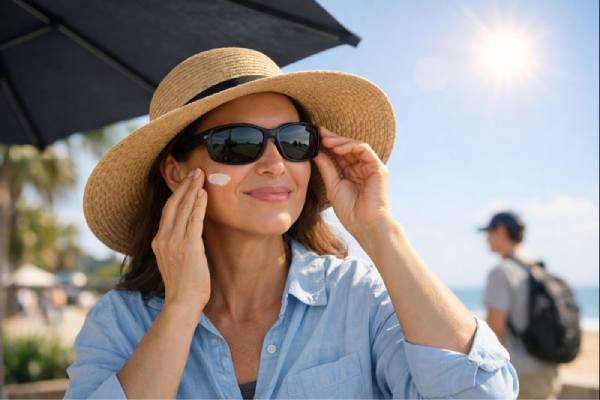
Add a hat when exposure is prolonged
A brimmed hat significantly reduces UV reaching the eyes from above and can reduce the load even if your sunglasses are not perfect. Hats are especially useful:
- at the beach or on water
- during hiking and outdoor work
- in snow environments
- during midday sun hours
Protect in “sneaky” UV situations
- cloudy bright days
- driving with side sun exposure for long stretches
- near reflective buildings and light pavement
- winter days with snow even when temperatures are low
Do not forget surface comfort
Wind and dryness increase irritation and may amplify surface changes. If you have chronic dryness, wraparound styles and consistent lubrication can improve comfort and reduce rubbing, which is an exposure amplifier.
Think in layers
The most reliable protection is layered:
- UV-blocking sunglasses
- brimmed hat
- shade breaks during prolonged exposure
- extra caution around water and snow
You do not need to avoid the outdoors to protect your eyes. You need a routine that reduces UV dose while allowing you to live normally.
When to get checked and what to ask
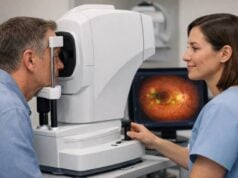
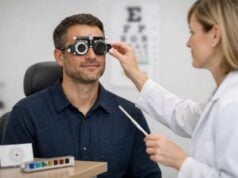
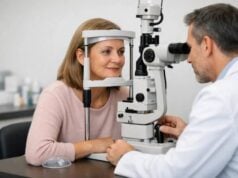
Because UV damage can be gradual, regular eye care is an important part of prevention. An eye exam can detect early surface changes, measure vision shifts, and identify lens changes that may affect safety and comfort, especially with night driving glare.
Seek prompt evaluation if you have
- sudden significant vision change or persistent blur
- severe light sensitivity with a very red, painful eye
- intense pain after sun exposure, especially after snow or water reflection
- a new growth on the eye surface or persistent localized redness
- a rapidly enlarging lesion on the eyelid skin or a non-healing scab
These symptoms should not be written off as normal irritation.
Schedule a routine exam if
- you notice increasing glare sensitivity over months
- you need brighter light to read or see fine detail
- your vision feels hazy in bright settings
- you have chronic outdoor exposure or a history of pterygium
- you have dry eye that worsens outdoors
Questions that make the visit more useful
- Do you see any early lens changes that could explain glare?
- Are there signs of ocular surface damage or pterygium development?
- Do my eyelids and meibomian glands look inflamed or blocked?
- What type of sunglass coverage is best for my facial anatomy and activities?
- If I have a pterygium, what are the signs that it is affecting vision?
Why eyelid skin matters
The eyelids receive a lot of sun, and many people do not apply sunscreen close to the lash line. Sunglasses and hats are especially important here. If you notice a persistent bump, scaly patch, or non-healing sore on the eyelid, early evaluation is wise.
Ultimately, UV protection and eye exams work together. Protection reduces future exposure; exams detect changes early so you can respond before vision and comfort are significantly affected.
References
- Ultraviolet radiation 2022 (Fact Sheet)
- Protecting your eyes from the sun’s UV light | National Eye Institute 2022 (Government Health Guidance)
- Ultraviolet radiation exposure and cataract: a systematic review 2023 (Systematic Review)
- Pterygium: epidemiology, pathogenesis, and clinical features 2022 (Review)
- ISO 12312-1:2022 – Eye and face protection — Sunglasses and related eyewear — Part 1: Sunglasses for general use 2022 (Standard)
Disclaimer
This article is for educational purposes and does not replace individualized medical advice, diagnosis, or treatment from a qualified clinician. UV protection guidance is general and may not account for your personal health conditions, medications that increase light sensitivity, or recent eye surgery. Seek prompt medical evaluation for severe eye pain, sudden vision changes, intense light sensitivity with a very red eye, or new growths on the eye surface or eyelid skin.
If you found this guide useful, please consider sharing it on Facebook, X (formerly Twitter), or any platform you prefer.