Eye herpes is a viral infection that can affect the eyelids, the clear front window of the eye (cornea), and sometimes deeper structures. It matters because it is both treatable and prone to returning: the virus can become dormant in nerve tissue and reactivate later, sometimes years after the first episode. Early recognition and the right medication can shorten flare-ups, lower the risk of scarring, and protect vision. Just as important, knowing what not to do—such as using steroid eye drops without antiviral coverage—can prevent a mild episode from becoming a serious one.
This article explains the key symptoms that suggest eye herpes, the difference between herpes simplex and shingles-related eye disease, why recurrences happen, and what treatment options typically involve. You will also find practical guidance for reducing reactivation risk, caring for your eye safely while you heal, and knowing when symptoms require urgent medical attention.
Essential Insights
- Prompt antiviral treatment can shorten symptoms and reduce the chance of corneal damage and long-term vision changes.
- Recurrences are common because the virus can remain dormant and reactivate with stressors such as illness, UV exposure, and immune suppression.
- Steroid eye drops can be harmful if used at the wrong time or without antiviral coverage, so avoid self-treating with leftover prescriptions.
- During active infection, pause contact lens wear and avoid touching or rubbing the eye to reduce irritation and spread.
- If you develop eye pain, light sensitivity, or a new vision change, arrange same-day eye evaluation rather than waiting for symptoms to “run their course.”
Table of Contents
- What eye herpes is and why it keeps coming back
- Symptoms that suggest herpes in the eye
- Types of eye herpes and what they affect
- Recurrence, triggers, and your personal risk
- Treatment options and what each one does
- How to care for your eye during a flare
- When to see a doctor urgently
What eye herpes is and why it keeps coming back
“Herpes in the eye” usually refers to infection caused by one of two related viruses:
- Herpes simplex virus (HSV), most often HSV-1, the same virus commonly associated with cold sores.
- Varicella-zoster virus (VZV), the chickenpox virus that can reactivate later as shingles, including shingles involving the eye (herpes zoster ophthalmicus).
Both viruses share a key feature: after an initial infection, they can enter a latent (sleeping) state within nerve tissue. For HSV, the trigeminal nerve region is a common reservoir. For VZV, the virus can reactivate along sensory nerves, including the ophthalmic branch that supplies the forehead, eyelids, and eye. This latency is the reason eye herpes can recur even if you have not had symptoms for a long time.
Why recurrences matter is not just discomfort. The cornea must remain clear and smooth to transmit light accurately. In HSV eye disease, repeated inflammation can lead to corneal scarring, thinning, and irregular astigmatism, all of which can reduce vision quality. In VZV eye disease, inflammation can involve not only the cornea but also deeper structures, sometimes causing prolonged irritation, elevated eye pressure, or nerve-related surface problems that heal slowly.
One of the most important practical distinctions is that not every eye herpes episode is an “infection on the surface.” Some episodes are driven more by the immune system’s inflammatory response than by active viral replication. That is why treatment sometimes requires a careful combination of antivirals and anti-inflammatory medication. Timing matters: steroids can be vision-saving in certain deeper inflammatory forms, yet risky in active surface disease if used incorrectly.
Another reason eye herpes can be confusing is that symptoms overlap with common conditions like pink eye, dry eye, allergy, or a scratched cornea. Many people delay care, expecting it to resolve on its own. With eye herpes, early evaluation helps clinicians identify the specific layer involved and start the right therapy before the cornea is compromised.
The goal of care is usually threefold: control the active episode, protect the cornea while it heals, and reduce the chance of recurrence when risk is high. Understanding the pattern of your symptoms is the first step in choosing the safest path.
Symptoms that suggest herpes in the eye
Eye herpes does not have a single “signature” sensation. Some people have a mild, gritty irritation. Others develop significant pain and light sensitivity. What raises suspicion is the combination of symptoms, the pattern (often one eye), and whether there is a history of prior episodes.
Common symptoms that can occur with HSV or VZV eye disease include:
- Redness, often more pronounced in one eye
- Watery tearing (sometimes with minimal discharge)
- Foreign body sensation (grit, scratchiness)
- Eye pain that can range from mild ache to sharp discomfort
- Light sensitivity (photophobia), which often signals corneal or deeper inflammation
- Blurred vision, especially if the cornea is involved
- Swollen eyelids or tenderness around the eye
Symptoms that suggest the cornea may be involved, and that the situation is more urgent, include:
- Light sensitivity that makes it difficult to keep the eye open comfortably
- A new, persistent blur or hazy vision
- Pain that increases over hours rather than improving
- A feeling that something is stuck in the eye that does not improve with rinsing or lubrication
There are also clues that point more strongly toward one virus or the other.
HSV-related clues
- A history of cold sores or prior “herpetic keratitis”
- Recurrent episodes in the same eye
- Eyelid blisters can occur, but HSV eye disease can also appear without obvious skin lesions
VZV-related clues (shingles involving the eye)
- A painful, tingling, or burning sensation on the forehead or scalp followed by a rash
- Skin lesions on the forehead and eyelid, usually on one side
- Significant facial tenderness, headache, or nerve-like pain
- Ongoing nerve pain that lingers even after the rash improves
It is important not to rely on discharge to decide. Viral eye disease often causes watery tearing rather than thick, sticky discharge. A heavy pus-like discharge suggests other diagnoses, but mixed infections can occur, and any worsening pain or vision change still needs evaluation.
One more nuance: in some herpes-related corneal disease, pain can be surprisingly mild even when the cornea is not healthy, because corneal nerves may be affected. That is one reason clinicians look closely at the corneal surface rather than judging severity by pain alone.
If you have a red eye plus light sensitivity, new vision change, or moderate pain—especially if it is mainly in one eye—treat it as a reason for same-day eye assessment. Waiting it out is the most common way a manageable episode becomes a prolonged recovery.
Types of eye herpes and what they affect
Eye herpes can involve different tissues, and the layer affected strongly influences both symptoms and treatment. Clinicians often describe HSV eye disease by corneal layer and immune activity, while VZV eye disease is framed around shingles involvement and resulting ocular inflammation.
HSV eye disease patterns
Epithelial keratitis (surface cornea)
This is active viral involvement of the corneal surface layer. It often causes redness, tearing, light sensitivity, and blur. It is typically treated with antiviral therapy. A key caution: steroids are generally avoided in active epithelial disease unless an eye specialist is directing treatment for a specific reason.
Stromal keratitis (deeper cornea)
This involves the supportive middle layer of the cornea and may be more immune-driven than purely viral. It can cause more significant haze and blur and carries a higher risk of scarring. Treatment often requires a balanced plan, commonly including antiviral coverage and carefully monitored anti-inflammatory therapy.
Endothelial keratitis and uveitis (inner cornea and inside the eye)
Inflammation can affect the innermost corneal layer or the front chamber of the eye. Symptoms often include light sensitivity, deeper aching pain, and blurred vision. Management may involve systemic antivirals and anti-inflammatory medication under close supervision.
Neurotrophic keratopathy (reduced corneal sensation)
Some people develop reduced corneal sensation after repeated episodes. The surface can become vulnerable, slow to heal, and prone to persistent epithelial defects. This can look like “dry eye that does not respond,” but it is actually a nerve-healing problem layered onto surface dryness.
VZV eye disease patterns (herpes zoster ophthalmicus)
VZV reactivation along the ophthalmic nerve can affect:
- Eyelids and the skin around the eye
- The conjunctiva (surface lining)
- The cornea (including surface and deeper inflammation)
- The uvea (iritis), which can cause significant light sensitivity
- Eye pressure regulation, sometimes leading to elevated pressure during inflammation
- The corneal nerves, increasing risk of neurotrophic surface problems
With VZV, timing of antiviral therapy is especially important. Early systemic antiviral treatment is generally used to limit viral replication and reduce complications. Some patients have prolonged or recurrent inflammatory episodes after the initial rash resolves, which is one reason longer-term suppressive strategies have been studied.
Why the layer matters to you
From a patient perspective, the practical takeaway is this: eye herpes is not always one medication for everyone. Surface disease, deeper corneal inflammation, uveitis, and nerve-related surface damage each behave differently. Two people can both say “I have herpes in my eye” and require very different treatment plans.
If you have had a prior episode, ask which tissue was involved and whether there was stromal disease or uveitis. Those details help predict recurrence risk, guide follow-up intervals, and inform whether preventive medication is worth discussing.
Recurrence, triggers, and your personal risk
Recurrence is a defining feature of ocular herpes, especially HSV. The virus can reactivate when local or systemic conditions shift in ways that favor viral replication or disrupt immune balance. Some triggers are predictable; others are personal and only become clear after you track a few episodes.
Commonly reported triggers and risk factors include:
- Fever or systemic illness, including respiratory infections
- Psychological stress and sleep disruption
- UV exposure, such as intense sunlight or tanning beds
- Eye trauma or surgery, including procedures that disturb the corneal surface
- Steroid exposure, particularly steroid eye drops and injections around the eye, and sometimes systemic steroids
- Immune suppression, including certain medical conditions and medications
- Contact lens over-wear or significant ocular surface irritation
Not everyone has obvious triggers. Some people experience recurrences with no clear precipitant, which can feel frustrating. In that situation, it helps to focus on modifiable risk: reducing UV exposure with sunglasses, protecting the ocular surface, and avoiding unnecessary steroid use.
VZV behaves differently. Shingles is more strongly tied to age-related immune changes and immune suppression. After herpes zoster ophthalmicus, some patients experience prolonged inflammation or later flares. Recurrence in the strict sense is less frequent than HSV recurrence, but late complications and inflammatory relapses can still occur and may require ongoing care.
When clinicians consider preventive antiviral therapy, they usually weigh:
- The severity of prior episodes (especially stromal keratitis or uveitis)
- The frequency of recurrences
- The presence of risk-enhancing factors such as immune suppression
- Planned eye procedures, where prophylaxis may be considered to reduce reactivation risk
A practical approach to understanding your personal risk is to keep a short log for two to three months:
- Any cold sore outbreaks or facial tingling episodes
- Periods of high stress or poor sleep
- Intense outdoor exposure without UV protection
- New medications, especially steroids
- Eye symptoms with dates, eye affected, and whether vision changed
Patterns often emerge faster than expected. For example, some people notice flares after a respiratory illness, others after a week of heavy screen use and poor sleep, and others in late summer when UV exposure is high.
Finally, if you have repeated episodes, it is reasonable to discuss whether the diagnosis is always the same. A red, painful eye can have multiple causes, and a person can have HSV history and still develop unrelated surface disease, allergy, or dry eye that mimics early symptoms. Clear documentation of each episode’s findings helps future treatment decisions and reduces the chance of overtreatment or undertreatment.
Recurrence risk is not a moral failing or a sign you did something wrong. It is a reflection of viral biology, nerve latency, and immune dynamics. The goal is to reduce avoidable triggers and have a plan you can initiate quickly when symptoms return.
Treatment options and what each one does
Treatment for eye herpes is usually organized around four goals: suppress viral replication, control inflammation safely, protect the cornea while it heals, and reduce recurrence risk in selected patients. The exact regimen depends on whether HSV or VZV is involved and which eye structures are affected.
Antiviral therapy
Antivirals are foundational. They help limit viral replication and shorten active disease. Depending on the situation, treatment may involve:
- Oral antivirals (often used for VZV eye disease and for many HSV presentations, especially deeper involvement)
- Topical antiviral gels or drops (used in some HSV surface disease patterns)
Oral antivirals are often favored when deeper corneal layers or internal inflammation are involved, and they are also frequently used when topical treatments are poorly tolerated or when there is concern for resistance or broader ocular involvement.
In shingles-related eye disease, early systemic antiviral therapy is a standard pillar because it can reduce complications and the intensity and duration of symptoms. In certain higher-risk situations, longer-term suppressive antiviral strategies may be considered after the acute phase, especially when recurrent inflammatory episodes occur.
Anti-inflammatory treatment
Inflammation can be a major driver of vision-threatening complications, particularly in stromal keratitis and uveitis. Anti-inflammatory therapy may include:
- Topical corticosteroids, carefully dosed and tapered under supervision
- Sometimes additional anti-inflammatory strategies tailored to the individual case
The caution is critical: steroids can worsen active surface viral disease if used at the wrong time or without antiviral coverage. This is why self-treating with leftover steroid drops is risky. If you have a red, painful eye and you suspect recurrence, it is safer to seek evaluation than to “test” a steroid drop.
Supportive and protective therapies
Because the cornea can be vulnerable during and after infection, clinicians may recommend:
- Lubricating drops or gels to reduce friction
- Strategies to protect the corneal surface if healing is slow
- Temporary discontinuation of contact lenses
- Management of elevated eye pressure if it rises during inflammation or steroid use
Preventive antiviral therapy for recurrence
Prevention is individualized. For people with frequent HSV recurrences or a history of stromal disease, long-term suppressive antiviral therapy may reduce future episodes. For VZV eye disease, emerging evidence supports consideration of extended suppressive therapy in selected patients with prior ocular involvement and ongoing risk of inflammatory flares.
Resistance and special situations
Antiviral resistance is uncommon in otherwise healthy people but can be more likely in immunocompromised patients or those with repeated antiviral exposure. When resistance is suspected, treatment plans may shift to alternative antivirals, different delivery routes, or additional diagnostic confirmation.
The most important patient-facing takeaway is that treatment is not just about “killing the virus.” It is about matching therapy to the eye layer involved and managing inflammation without exposing the cornea to unnecessary risk. If you have had eye herpes before, consider asking your clinician two practical questions: “Which layer was involved?” and “Do I need antiviral coverage if a steroid is prescribed?” Those answers help you understand your plan and reduce preventable complications.
How to care for your eye during a flare
Medical treatment matters most, but day-to-day choices can either support healing or prolong irritation. The goal is to reduce surface stress, prevent secondary problems, and avoid spreading the virus to other skin areas or to other people.
Do these during active symptoms
- Stop contact lens wear until an eye clinician confirms it is safe to resume. Wearing contacts on an inflamed or infected surface increases risk and can slow healing.
- Wash hands frequently and avoid rubbing the eye. Rubbing increases inflammation and can disrupt the corneal surface.
- Use clean compresses for comfort. A cool compress can ease irritation and swelling. If crusting is present on eyelids, gentle cleaning of the lid skin can help, but avoid aggressive scrubbing.
- Use lubricating drops if your clinician approves. Preservative-free artificial tears often feel gentler when the surface is irritated.
- Protect from bright light with sunglasses, especially if light sensitivity is prominent.
Avoid common mistakes
- Do not use leftover steroid eye drops unless specifically directed for the current episode with appropriate antiviral coverage. Steroids can be helpful in the right scenario and harmful in the wrong one.
- Do not share towels, pillowcases, cosmetics, or eye drops. Replace eye makeup used during the flare to reduce reinoculation and irritation.
- Avoid “redness relief” drops unless your clinician recommends them. Some can worsen dryness and do not address the underlying problem.
- Do not patch the eye unless directed. Patching can create a warm, moist environment that is not ideal in some infections and can delay recognition of worsening symptoms.
Pain control and daily function
Mild to moderate discomfort can often be managed with:
- Cool compresses
- Lubrication if appropriate
- Adjusting screen brightness and taking frequent breaks
- Over-the-counter pain relief as advised by your clinician, considering your medical history
If pain is severe, if light sensitivity is intense, or if you cannot keep the eye open comfortably, that is a signal to escalate evaluation rather than trying to manage at home.
Preventing future flares
Once the acute episode resolves, preventive habits can reduce surface stress that may contribute to reactivation or prolonged healing:
- Consistent UV protection outdoors
- Treating dry eye and eyelid inflammation if present
- Avoiding contact lens over-wear and maintaining meticulous lens hygiene
- Discussing prophylactic antivirals if you have frequent recurrences or high-risk prior disease
Recovery is often gradual. Even when active viral replication is controlled, the corneal surface and nerves may take longer to normalize, and vision can fluctuate during healing. If symptoms are improving but not fully resolved, follow the plan and keep scheduled follow-up, because premature stopping of therapy or steroid taper changes can trigger rebound inflammation.
When in doubt, prioritize safety: a brief check-in and exam is far preferable to guessing with eye medications that carry meaningful risk when misused.
When to see a doctor urgently
Eye herpes ranges from mild to vision-threatening. The safest approach is to treat certain symptom patterns as urgent, especially because early treatment can prevent complications.
Seek same-day eye evaluation if you have
- Eye pain that is moderate to severe, especially if it is worsening over hours
- Light sensitivity that is new or significant
- A new vision change, including blur, haze, or reduced contrast that does not clear with blinking
- A red eye that is mainly in one eye, particularly if you have a history of herpes eye disease
- New eyelid blisters or facial rash near the eye, especially with eye discomfort
Seek urgent care immediately if you have
- Rapidly worsening vision or a “gray curtain” effect
- Severe headache with eye pain, nausea, or vomiting
- A markedly swollen eyelid with fever or inability to move the eye normally
- Symptoms after eye trauma, chemical exposure, or metal grinding
- Contact lens wear with severe pain, significant redness, and light sensitivity (this can indicate a corneal infection, which is an emergency)
Special situations that raise urgency
- Immune suppression: If you are on immune-suppressing medications, have undergone transplant, or have uncontrolled immune-related conditions, infections can progress faster and require more aggressive therapy.
- Pregnancy: Medication choices require tailored guidance, so prompt evaluation helps clinicians balance fetal and maternal safety.
- History of stromal keratitis or uveitis: Prior deeper involvement increases the importance of rapid assessment and careful anti-inflammatory management.
What to expect at an urgent visit
An eye clinician may:
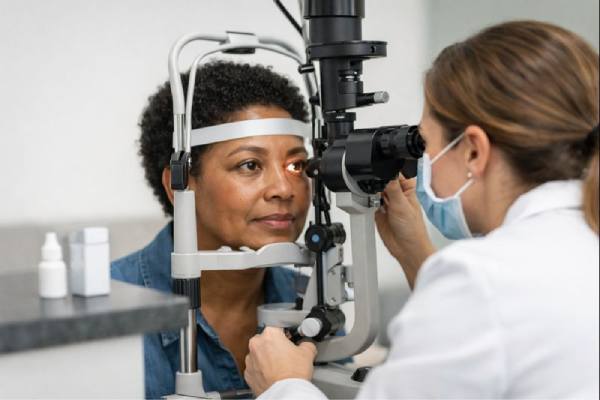
- Examine the cornea under magnification and staining to identify typical lesion patterns
- Assess the front chamber for inflammation
- Measure eye pressure, especially if inflammation is significant or steroids are being considered
- Consider diagnostic testing in atypical, severe, or recurrent cases, particularly if response to standard therapy is poor
If shingles involving the eye is suspected, prompt systemic antiviral therapy is often time-sensitive. Even if the skin rash seems “manageable,” eye involvement changes the risk profile, and early treatment can reduce the chance of ongoing ocular complications.
A final practical note: if you have had eye herpes before, do not assume every red eye is the same, and do not assume you can safely reuse old prescriptions. The safest shortcut is an exam, because the difference between surface disease and deeper inflammation can be subtle to the naked eye but crucial for treatment choice.
References
- Herpes simplex keratitis: A brief clinical overview 2024 (Review)
- Overcoming Resistance: A Comprehensive Review and Treatment Approach for Acyclovir-Resistant Herpes Simplex Keratitis 2025 (Review)
- Herpes Zoster Ophthalmicus: Presentation, Complications, Treatment, and Prevention 2024 (Review)
- Low-Dose Valacyclovir in Herpes Zoster Ophthalmicus: The Zoster Eye Disease Randomized Clinical Trial 2025 (RCT)
Disclaimer
This article is for educational purposes only and does not provide medical advice, diagnosis, or treatment. Eye herpes can involve the cornea and internal eye structures and may threaten vision if not treated promptly. Do not self-treat a red or painful eye with leftover prescription drops, especially steroid eye drops. Seek urgent medical evaluation for eye pain, significant light sensitivity, a new vision change, a rapidly worsening red eye, facial rash near the eye, or symptoms after contact lens wear, trauma, or chemical exposure. For individualized care, consult a licensed eye care professional.
If you found this article helpful, please consider sharing it on Facebook, X (formerly Twitter), or any platform you prefer.