Eye pain during COVID-19 can be surprisingly intense—ranging from a scratchy burn to a deep ache behind the eye that makes light feel harsh. In many cases, the explanation is straightforward: a disrupted tear film, inflamed eyelid margins, sinus congestion, or screen-related strain during recovery. The benefit of understanding the most common causes is that you can often reduce symptoms quickly with targeted home care and avoid choices that worsen the surface, such as overusing redness-relief drops or returning to contact lenses too soon.
At the same time, eye pain is one symptom clinicians treat with respect because a small subset of cases signals urgent conditions that threaten vision or reflect broader neurologic illness. This guide explains what typically causes eye pain with COVID-19, how to tell surface irritation from deeper inflammation, and which warning signs should prompt urgent care. You will also learn what an eye exam usually includes and what recovery tends to look like.
Essential Insights
- Most COVID-related eye pain comes from surface dryness, eyelid inflammation, or congestion and improves with consistent care over several days to a few weeks.
- Sharp pain with marked light sensitivity, worsening vision, or a contact lens–related red eye needs urgent evaluation to protect the cornea.
- Severe one-sided pain with nausea, rainbow halos, and a hard red eye can be an emergency from sudden eye-pressure rise.
- Use preservative-free lubricating drops 4–6 times daily and take structured screen breaks every 20 minutes to reduce strain while recovering.
Table of Contents
- What Eye Pain With COVID-19 Can Feel Like
- Dryness, Screen Strain, and Mask Airflow
- Eyelid Inflammation, Styes, and Gritty Burning
- Sinus Pressure, Headache, and Nerve Sensitivity
- Viral Conjunctivitis and Surface Infection Risks
- Warning Signs That Need Urgent Care
- What Clinicians Check and How Treatment Helps
What Eye Pain With COVID-19 Can Feel Like
“Eye pain” is not one sensation, and the quality of pain is often the first clue to the cause. During COVID-19, people commonly report one of three patterns:
- Surface irritation pain: burning, stinging, scratchiness, or the feeling that sand is in the eye. This often fluctuates, worsens on screens, and improves with blinking or lubricating drops.
- Deep ache or pressure: a dull, sore feeling behind or around the eye, sometimes paired with sinus congestion or headache. This may worsen when you bend over, cough, or strain.
- Pain with eye movement: discomfort when looking left, right, up, or down. Mild soreness can occur with viral illness and fatigue, but pronounced pain with eye movement—especially with new vision changes—deserves prompt assessment.
Another key distinction is whether pain comes with redness and discharge. A watery, irritated red eye can occur with viral conjunctivitis, while thick discharge and eyelids stuck shut in the morning can suggest bacterial overgrowth (often secondary) or significant eyelid inflammation. COVID-19 can also coincide with allergies or dry indoor air, making it easy to mislabel the trigger.
Pay attention to light sensitivity. Mild sensitivity is common when the surface is dry or inflamed. However, strong light sensitivity that makes you want to keep the eye closed can signal corneal or internal eye inflammation that should not be managed at home.
If you wear contact lenses, pain is treated more urgently because even a small surface injury can progress quickly. A contact lens wearer with a painful red eye should assume higher risk until proven otherwise.
A practical self-check is to rate pain and function. If pain is mild but annoying, and you can read, blink comfortably, and symptoms improve with drops, surface causes are likely. If pain is escalating, associated with worsening vision, marked sensitivity to light, nausea, or swelling around the eye, the risk profile changes. COVID-19 can be the backdrop, but your eye still deserves its own focused assessment when symptoms are severe or atypical.
Dryness, Screen Strain, and Mask Airflow
The most common reason for eye pain during and after COVID-19 is a stressed tear film. Illness changes routines: more time indoors, more screens, less blinking, disrupted sleep, dehydration, and medications that dry mucous membranes. Together, these factors make tears break up faster, exposing sensitive corneal nerves and creating burning or aching discomfort.
Signs that dryness and exposure are central include:
- Pain that worsens late day or after long screen sessions
- Fluctuating blur that clears with blinking
- Grittiness that improves with lubricating drops
- Symptoms that flare in air-conditioning, heating, wind, or fans
Mask airflow can add to this. If air escapes upward, it passes over the eyes and increases evaporation. A common clue is glasses fogging or feeling a stream of air toward the lower eyelids. Small adjustments—improving the top seal or using a better-fitting mask—can make a noticeable difference.
A simple recovery routine focuses on tear stability:
- Use preservative-free artificial tears 4–6 times daily for several days, then taper as comfort improves. If you need drops more often than every 2–3 hours, preservative-free matters even more.
- Take structured screen breaks. A practical pattern is a 20-second distance break every 20 minutes, plus 10 slow, complete blinks. Incomplete blinking is a common hidden driver of COVID-era eye discomfort.
- Reduce evaporation triggers. Aim vents away from your face, avoid direct fan airflow, and consider a humidifier near your work area if indoor air feels dry.
Avoid common missteps. “Redness-relief” drops that constrict blood vessels can worsen dryness if used repeatedly. Also, do not use leftover steroid eye drops without guidance; they can worsen infections and delay corneal healing.
Most dryness-driven pain improves within 3–10 days with consistent care, though full recovery may take longer if symptoms were present before COVID-19 or if screen demands remain high. If pain is worsening rather than stabilizing, or if vision is declining, move from home care to evaluation.
Eyelid Inflammation, Styes, and Gritty Burning
Another frequent contributor is eyelid margin inflammation—often called blepharitis or meibomian gland dysfunction. The meibomian glands release oils that slow tear evaporation. When these glands clog or become inflamed, the tear film becomes unstable and the surface burns. COVID-19 does not have to directly infect the eyelids for this to happen; fatigue, immune shifts, changes in hygiene routines, and more screen time can all aggravate the lid margin.
Clues that eyelids are a major driver include:
- Burning and grittiness paired with oily lid margins or flakes at the lashes
- Recurrent styes or tender bumps on the lid
- Symptoms that improve briefly after washing the face, then return
- A “heavy eyelid” sensation and morning irritation
Home care is often effective and safe when done gently:
- Warm compresses for 5–10 minutes once or twice daily. The goal is sustained warmth, not heat that irritates skin.
- Lid hygiene focused on the lash line using a gentle, non-stinging cleanser designed for eyelids (or a clinician-recommended routine).
- Light lid massage toward the lash line after warming to help express thickened oils.
If you suspect a stye, avoid squeezing it. Warm compresses and time are usually the first step. Persistent, enlarging, or very painful lid swelling can require medical treatment.
It is also common to feel eye pain from surface inflammation caused by rubbing. When eyes sting, people rub without realizing it. Rubbing increases inflammation, disrupts the tear film, and can worsen eyelid swelling. A practical substitute is to use lubricating drops, apply a cool compress for itch, and treat underlying allergy if itching is prominent.
If eyelid inflammation is the main trigger, improvement typically begins within 1–2 weeks of consistent warm compresses and hygiene, with continued gains over 6–8 weeks. If symptoms are severe, one-sided, or associated with fever, marked redness, or pain with eye movement, do not assume it is routine blepharitis—those features raise concern for deeper infection around the eye.
Sinus Pressure, Headache, and Nerve Sensitivity
COVID-19 often involves congestion, inflammation of the upper airway, and headache—each of which can be felt as “eye pain.” The eye sits in a bony socket adjacent to sinus cavities, and swelling in these spaces can create pressure sensations around the brow, cheek, and behind the eye.
This pattern often has recognizable features:
- A dull ache that worsens when bending forward
- Pressure around the brow and cheek, often paired with nasal congestion
- Pain that changes with coughing, sneezing, or straining
- Tenderness around the sinus areas rather than on the eye surface itself
Headache disorders can also present as eye pain. Migraine may feel like deep orbital pain with light sensitivity and nausea. Cluster headache can cause severe one-sided pain around one eye with tearing or nasal symptoms on the same side. Viral illness and disrupted sleep can lower the threshold for these conditions.
COVID-19 can also heighten nerve sensitivity. The cornea and face are richly innervated, and systemic inflammation can make normal sensations feel amplified. People sometimes describe a burning “nerve pain” quality even when the eye looks relatively normal. This is one reason why treating only the redness can fail; the goal is to calm triggers (dryness, strain, congestion) while the nervous system settles.
What you can do at home depends on the most likely driver:
- For congestion-related pain, prioritize hydration, gentle saline rinses if you already tolerate them, and rest.
- For headache patterns, limit screen glare, maintain regular meals and sleep, and use clinician-approved pain relief.
- For mixed patterns, combine lubrication with environmental changes and structured screen breaks.
When should you worry? Sinus-related discomfort should gradually improve as congestion resolves. Escalating one-sided pain with fever, swelling around the eye, worsening redness, or pain with eye movement can signal infection spreading beyond the sinuses and needs urgent evaluation. Similarly, severe new headache with neurologic symptoms is not a “just wait it out” situation.
Viral Conjunctivitis and Surface Infection Risks
COVID-19 can coincide with conjunctivitis—an inflamed, irritated conjunctiva that makes the eye red, watery, and uncomfortable. Viral conjunctivitis often causes a gritty sensation and tearing rather than thick discharge. The discomfort is usually surface-level, and vision is typically intact aside from mild blur from tearing.
Common features include:
- Redness in one or both eyes
- Tearing and irritation, sometimes with a mild burning quality
- Eyelid puffiness and a “sticky” feeling, but usually not heavy pus
- Associated cold-like symptoms
Supportive care is often appropriate when symptoms are mild:
- Preservative-free lubricating drops
- Cool compresses for comfort
- Careful hand hygiene and avoiding eye rubbing
- Avoiding contact lenses until the eye is comfortable and no longer red
However, COVID-era eye pain has an important caution: not every painful red eye is viral conjunctivitis. The conditions most likely to be mistaken for “just pink eye” include corneal injury, infectious keratitis (especially in contact lens wearers), and internal eye inflammation. These conditions are more likely when pain is sharp, light sensitivity is strong, or vision is affected.
A practical warning sign is pain severity. Viral conjunctivitis is irritating, but it is usually not sharply painful. Another warning sign is a new foreign-body sensation that does not improve with lubrication—this can reflect a corneal epithelial defect that needs fluorescein staining in an exam.
If you are tempted to use old antibiotic drops, pause. Unnecessary antibiotics do not treat viral conjunctivitis and can irritate the surface. More importantly, self-treating can delay diagnosis of corneal infection that needs urgent, targeted therapy.
Finally, remember that during COVID-19 recovery, the eye surface may already be dry and reactive. Viral conjunctivitis layered on top of dryness can feel more painful than expected. That does not automatically mean a dangerous infection, but it does justify a lower threshold for evaluation—especially if symptoms are worsening after 24–48 hours instead of slowly improving.
Warning Signs That Need Urgent Care
Eye pain is a symptom where “wait and see” is sometimes reasonable—and sometimes risky. The goal is not alarm, but clarity: certain combinations of symptoms raise the chance of a vision-threatening or neurologically urgent condition.
Seek emergency evaluation immediately if you have eye pain with any of the following:
- Sudden severe pain with nausea or vomiting, a red eye, and blurry vision or rainbow halos
- Rapidly worsening vision, a gray curtain effect, or new central blur that does not clear with blinking
- Severe light sensitivity that makes it hard to keep the eye open
- A painful red eye in a contact lens wearer, especially if pain is sharp or worsening
- Swelling around the eye with fever, worsening redness, or pain with eye movement
- New neurologic symptoms such as weakness, facial droop, slurred speech, confusion, severe imbalance, or a sudden “worst headache”
Seek same-day urgent care or urgent eye evaluation if:
- Pain is moderate to severe and worsening over hours to a day
- You notice a white spot on the cornea, significant discharge, or eyelids stuck shut repeatedly
- You have eye pain with pain on eye movement plus new color dulling or blurred vision
- Symptoms are one-sided and intense, even if the eye does not look dramatically red
- You recently had eye surgery or have an immune-compromising condition and develop new eye pain
These warning signs matter because they can indicate conditions such as acute angle-closure glaucoma, corneal infection, uveitis, optic nerve inflammation, or orbital infection—problems where rapid treatment helps preserve vision.
If none of the urgent signs apply and symptoms behave like dryness or mild conjunctivitis, short-term home care is reasonable. A helpful rule is the “trajectory test”: if your pain is improving day by day, continue supportive care. If it is stable but not improving after several days, schedule an eye exam. If it is worsening or paired with vision changes, escalate sooner.
What Clinicians Check and How Treatment Helps
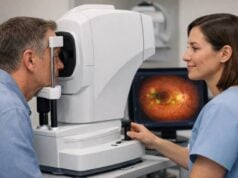
When you seek care for eye pain during or after COVID-19, clinicians are trying to answer two questions quickly: Is the problem on the surface or deeper? and Is anything time-sensitive or vision-threatening? The exam is usually focused and efficient.
Common elements include:
- Visual acuity and symptom pattern: whether vision is reduced and whether blur clears with blinking
- External inspection: eyelid swelling, styes, skin irritation, and lash-line inflammation
- Slit-lamp exam: a magnified look at the cornea, conjunctiva, and tear film
- Fluorescein staining: highlights corneal abrasions, dry spots, and ulcers
- Pupil and light response: helps assess deeper inflammation and neurologic pathways
- Eye pressure measurement: important when symptoms suggest pressure-related disease
- Dilated exam when indicated: evaluates the optic nerve and retina if vision symptoms or neurologic patterns are present
Treatment depends on the cause, but a few principles are consistent:
- Protect the cornea first. If the surface is compromised, clinicians focus on lubrication, infection control when needed, and eliminating triggers like contact lenses.
- Reduce inflammation safely. Inflammation can be treated in different ways depending on whether infection is present. This is why self-starting steroid drops is risky; steroids can worsen certain infections.
- Address lid margin drivers. If blepharitis or gland dysfunction is prominent, eyelid care becomes a central part of pain relief, not an optional add-on.
- Treat urgent causes without delay. Sudden eye-pressure rise, corneal ulcer, and orbital infection require immediate action because hours and days matter.
If your exam suggests a routine cause such as dryness or mild conjunctivitis, clinicians often recommend a structured plan for 1–2 weeks, then reassessment if symptoms persist. If pain is tied to headache patterns, the plan may include minimizing glare, protecting sleep, and coordinating care with your primary clinician when needed.
The most helpful thing you can bring to the visit is a concise description: when symptoms started, whether one or both eyes are involved, whether light sensitivity is mild or strong, whether vision is affected, contact lens use, and what makes symptoms better or worse. That information helps match the exam findings to the right diagnosis and avoids unnecessary delays.
References
- Ocular manifestations of COVID-19: A systematic review of current evidence 2024 (Systematic Review)
- Ocular manifestations of COVID-19: systematic review and meta-analysis 2024 (Systematic Review and Meta-Analysis)
- Conjunctivitis Preferred Practice Pattern 2024 (Guideline)
- Bacterial Keratitis Preferred Practice Pattern® 2024 (Guideline)
- Glaucoma 2025 (Patient Guidance)
Disclaimer
This article is for educational purposes and does not replace personalized medical advice, diagnosis, or treatment. Eye pain during or after COVID-19 is often related to dryness, strain, or surface irritation, but it can also signal urgent conditions that threaten vision or reflect neurologic illness. Seek emergency care for sudden severe eye pain with nausea, rapidly worsening vision, strong light sensitivity, swelling around the eye with fever, a painful red eye in a contact lens wearer, or any stroke-like symptoms. If symptoms are persistent or worsening, arrange prompt evaluation with an eye care professional.
If you found this helpful, consider sharing it on Facebook, X (formerly Twitter), or any platform you prefer so others can recognize eye pain warning signs and seek timely care.