Eye allergies can make ordinary days feel distracting: itching that demands rubbing, watery eyes that blur your vision, and lids that look puffy even when you are well-rested. The core issue is not an infection or “weak eyes,” but an overactive immune response on the conjunctiva—the thin membrane covering the white of the eye and lining the eyelids. With the right plan, most people can get meaningful relief quickly and prevent repeated flare-ups. Modern allergy eye drops act fast, many are safe for regular seasonal use, and simple prevention habits can reduce how much medication you need. This article breaks down what symptoms mean, which treatments work best, how to choose drops without guesswork, and when to seek care for red flags or stubborn cases—so you can protect comfort and clarity through allergy season and beyond.
Core Points
- Cooling the eyes (cold compresses and chilled preservative-free tears) can reduce itch and swelling within minutes.
- Dual-action allergy drops used consistently during exposure periods often prevent symptoms better than “rescue-only” dosing.
- Avoid rubbing: it can intensify inflammation and prolong symptoms even when drops are effective.
- Seek prompt care for significant pain, light sensitivity, vision changes, or thick discharge, especially with contact lens wear.
- A practical routine is twice-daily allergy drops during peak season plus preservative-free artificial tears as needed for comfort.
Table of Contents
- What eye allergies look like
- Why your eyes itch and water
- Best eye drops for fast relief
- When you need prescription treatment
- Prevention tips that really work
- When to see an eye clinician
What eye allergies look like
Most “eye allergies” are forms of allergic conjunctivitis, meaning the surface tissues of the eye react to allergens such as pollen, pet dander, dust mites, or mold. The hallmark symptom is itching. If itch is not a major feature, the problem may be dry eye, irritation from smoke or chemicals, infection, or another eye surface condition.
Common allergy symptoms include:
- Itching (often intense, often bilateral)
- Watery tearing that can blur vision
- Redness, especially on the white of the eye
- Swelling (puffy lids or conjunctival chemosis)
- Stringy or watery mucus
- Burning or gritty sensation, particularly later in the day
Seasonal vs perennial patterns
- Seasonal allergic conjunctivitis typically flares during pollen seasons. Symptoms often spike outdoors, after windy days, or after opening windows.
- Perennial allergic conjunctivitis occurs year-round, commonly tied to indoor allergens (dust mites, pets, mold). Symptoms may be worse at home, in bedrooms, or after cleaning.
Allergy, dry eye, and irritation can overlap
Allergies can destabilize the tear film, and dry eye can make the surface more reactive. A clue that dryness is also involved is fluctuating blur that briefly clears after a blink and a gritty feeling that is worse in heated or air-conditioned rooms. Many people benefit from treating both: an anti-allergy drop for itch and preservative-free artificial tears for surface comfort.
Symptoms that should not be ignored
Allergic conjunctivitis is usually uncomfortable rather than dangerous, but certain symptoms are not typical and deserve prompt evaluation:
- Moderate to severe pain (allergies usually itch more than they hurt)
- Marked light sensitivity
- Sudden, persistent vision changes
- Thick yellow-green discharge or eyelids stuck shut in the morning
- A single red, painful eye (especially with contact lens wear)
If you wear contact lenses, treat new pain, redness, light sensitivity, or discharge as urgent. Allergies can coexist with infection, but you do not want to assume it is “just allergies” when the cornea might be involved.
The goal is to match your symptoms to the most likely cause. When itch leads the story and both eyes behave similarly, allergy-focused treatment is usually the right starting point.
Why your eyes itch and water
Eye allergies are a surface immune reaction. The conjunctiva contains immune cells designed to protect the eye, but in allergic individuals, harmless particles can trigger an outsized response.
The fast phase: histamine and itch
When allergens land on the conjunctiva, they can bind to IgE antibodies on mast cells (immune cells that sit near the surface). Mast cells release histamine, which drives:
- Itching (the hallmark symptom)
- Redness from blood vessel dilation
- Watery tearing
- Swelling of conjunctiva and eyelids
This is why the most effective quick-relief drops target histamine signaling.
The slower phase: inflammation that lingers
Several hours after exposure, additional inflammatory cells can arrive, including eosinophils. This “late phase” explains why you might feel worse later in the day even if pollen exposure happened in the morning. It also explains why prevention strategies matter: once the inflammatory cycle is established, quick fixes help but may not fully reset the surface.
Why rubbing feels good and makes things worse
Rubbing temporarily distracts from itch, but it also:
- Physically pushes allergens deeper into the tissues
- Triggers more mast cell degranulation (more histamine release)
- Irritates the corneal surface and destabilizes the tear film
- Can worsen eyelid inflammation and contribute to puffiness
A useful substitute is cooling: chilled artificial tears, cold compresses, and gentle rinsing can reduce itch without escalating inflammation.
Why allergies can blur vision
Blur during allergies is often not a change in prescription. It is usually:
- A tear film issue (excess tearing mixed with mucus, surface irregularity)
- Swelling that slightly changes the smoothness of the cornea
- Temporary focusing fatigue from squinting and blinking more
If blur is persistent, one-sided, or associated with pain or light sensitivity, treat it as a sign to get checked rather than as a routine allergy symptom.
Triggers you might overlook
Not all “allergy eyes” are airborne pollen. Common overlooked triggers include:
- Pet dander carried on clothing and bedding
- Dust mites in pillows and upholstered furniture
- Mold in damp areas or humidifiers that are not cleaned regularly
- Contact lens deposits and lens solutions
- Eye makeup and lash products that trap allergens at the lid margin
Understanding the mechanism is empowering: the best plan reduces allergen load, calms histamine-driven itch quickly, and prevents late-phase inflammation from taking over the rest of your day.
Best eye drops for fast relief
The best drop depends on your main symptom (itch vs dryness vs swelling), how often you need it, and whether you wear contact lenses. A simple rule: itch needs anti-allergy drops, while surface irritation needs lubrication—and many people need both.
First choice for most people: dual-action allergy drops
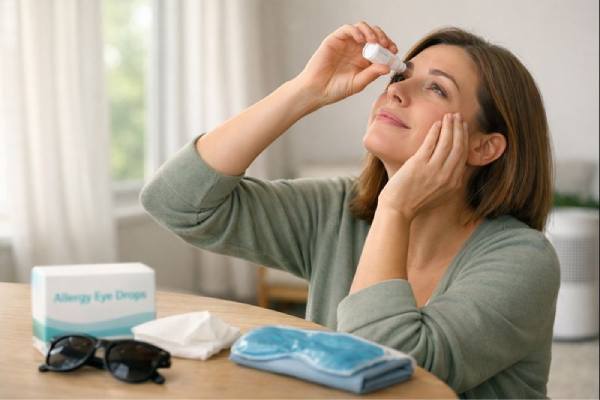
Many modern allergy drops combine an antihistamine (fast itch relief) with a mast cell stabilizer (prevents future mast cell activation). This dual action is why they often work better than older “one-purpose” products.
How to use them effectively:
- If symptoms are daily during a season, use them consistently during exposure periods rather than only when you feel miserable.
- If you can predict high exposure (outdoor work, windy day), dosing earlier can reduce the severity of the flare.
Supportive relief: preservative-free artificial tears
Artificial tears do not treat allergy mechanisms, but they help in three practical ways:
- Dilute and rinse allergens off the surface
- Reduce gritty burning that often coexists with allergy
- Improve visual clarity by smoothing the tear film
If you use drops frequently, preservative-free options are often gentler.
Cooling is an underrated “treatment”
Cold compresses reduce swelling and calm itch by narrowing surface blood vessels and lowering nerve sensitivity. Practical tip:
- Use a clean, cool compress for 5–10 minutes, up to a few times daily during flares.
- Chilled preservative-free tears can offer a similar effect on the go.
Be cautious with redness-relief drops
Drops marketed mainly to “get the red out” often use vasoconstrictors that temporarily shrink surface vessels. They can:
- Wear off and cause rebound redness
- Mask worsening inflammation
- Increase dryness in some people
If redness is accompanied by itch, treat the allergy rather than chasing redness alone.
Contact lenses and allergy drops
Allergies and contacts can be a difficult combination because lenses can trap allergens and deposits.
- Follow product guidance about whether a drop is safe with lenses in place.
- Many people do better by dosing when lenses are out, then waiting before inserting lenses.
- If you have frequent itching with contacts, consider reducing wear time during peak season or switching lens type with clinician guidance.
A good baseline approach is: a dual-action allergy drop during the season, artificial tears for comfort, and cooling strategies during flares. If you still need “rescue” drops repeatedly each day, it is a sign that prevention or prescription options may be needed.
When you need prescription treatment
Over-the-counter options handle many mild-to-moderate cases, but prescription therapy becomes important when symptoms are severe, persistent, or tied to more complex forms of ocular allergy. The goal is not stronger medication forever—it is better control with less day-to-day struggle.
When OTC is not enough
Consider stepping up care if:
- Symptoms disrupt work, driving, or sleep despite consistent OTC use
- You have frequent eyelid swelling, significant redness, or recurring flares
- You rely on multiple doses of quick-relief products daily
- You have eczema, asthma, or allergic rhinitis that is poorly controlled
- You have contact lens intolerance during allergy season
Prescription eye drops: what they are used for
Clinicians may recommend:
- Stronger anti-allergy drops or alternative formulations if OTC options are not controlling itch
- Short, supervised courses of topical steroid drops for significant inflammation (especially when swelling and redness are prominent). These are effective but require monitoring because prolonged steroid use can raise eye pressure and increase cataract risk.
- Immunomodulating drops in selected chronic or severe cases, particularly in conditions such as vernal keratoconjunctivitis or atopic keratoconjunctivitis. These conditions can involve the cornea and may threaten comfort and vision if undertreated.
Do not forget the nose
Many “eye allergy” patients also have nasal allergy. Better nasal control can reduce overall allergic load and eye symptoms:
- Nasal steroid sprays can lower inflammatory signaling upstream.
- Treating allergic rhinitis consistently often reduces how much the eyes flare.
Allergen immunotherapy and longer-term control
If your symptoms recur every year, you may be a candidate for allergen immunotherapy (allergy shots or other clinician-directed formats). The idea is long-term immune retraining rather than symptom suppression. It is not instant, but for the right patient it can reduce seasonal severity and the need for medication over time.
Severe subtypes need careful management
Most people have seasonal or perennial allergic conjunctivitis. A smaller group has more severe forms that may involve the cornea:
- Vernal keratoconjunctivitis often affects children and teens and can be intense and recurrent.
- Atopic keratoconjunctivitis can be chronic and is often associated with eczema.
These conditions can require layered therapy and close follow-up. If you or your child has repeated severe episodes, marked light sensitivity, or vision changes, do not treat it as routine seasonal allergy.
Prescription therapy is not a failure of self-care. It is simply the right tool when inflammation is too strong, too frequent, or too risky to manage with OTC strategies alone.
Prevention tips that really work
Prevention is not about avoiding the outdoors forever. It is about reducing allergen load on the eye surface so medication works better and flares are less intense.
Reduce exposure where it matters most
Start with the places you spend hours:
- Keep windows closed during peak pollen periods when possible.
- Shower and wash hair after heavy outdoor exposure to remove pollen that would otherwise transfer to pillows.
- Change pillowcases regularly during peak season.
- If dust mites are a trigger, focus on bedroom hygiene and washing bedding in hot water.
Practice “no-rub” substitution
Because rubbing amplifies allergic inflammation, build a replacement habit:
- Cold compress for 5–10 minutes
- Chilled preservative-free artificial tears
- Gentle rinsing (without aggressive rubbing at the lids)
If itch is intense, it usually means histamine is active. Treat the cause rather than negotiating with the symptom.
Time your routines around pollen
A practical approach during seasonal peaks:
- Do outdoor exercise after rain or later in the day when pollen counts are lower in many regions.
- Wear wraparound sunglasses outdoors to reduce particles landing directly on the eyes.
- In the car, aim vents toward the torso rather than the face to reduce surface drying and irritation.
Makeup and eyelid hygiene matter
Eye makeup can trap allergens and irritate the lid margin:
- Replace eye makeup regularly and avoid sharing products.
- Remove makeup gently and completely.
- If your lids are flaky, crusted, or prone to styes, add gentle lid hygiene. Healthier lids support a more stable tear film, which makes the surface less reactive during allergy season.
Use medication preventively when appropriate
If your allergy season is predictable, many people do best by starting a dual-action allergy drop before symptoms peak. This can reduce late-phase inflammation and the feeling that you are always catching up.
Prevention is the quiet multiplier: fewer allergens on the surface means less itch, less swelling, fewer drops, and less risk of rubbing-related irritation. Even small changes—cold compresses instead of rubbing, washing hair before bed, and consistent drops during peak weeks—can noticeably change your season.
When to see an eye clinician
Many eye allergies can be managed well with OTC drops and prevention, but there are clear situations where an eye clinician visit is the safest and fastest route to relief. The main reasons are: ruling out infection or corneal involvement, identifying severe subtypes, and tailoring treatment when symptoms do not match the “typical” pattern.
Seek urgent evaluation for warning signs
Get prompt care if you have:
- Moderate to severe pain (not just itch)
- Strong light sensitivity
- Sudden, persistent vision changes
- A very red eye with thick discharge
- Eye injury or chemical exposure
- Any concerning symptoms with contact lens use
These signs can indicate keratitis (corneal inflammation or infection), uveitis, or other conditions that require immediate treatment.
Book a routine visit if symptoms persist
Consider an appointment if:
- You have symptoms most days for more than 3–4 weeks despite consistent OTC treatment
- One eye is consistently worse than the other
- You wake with recurrent “scratch” sensations
- You have frequent eyelid swelling or recurrent styes
- You need drops many times per day to function
What clinicians typically check
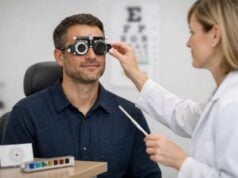
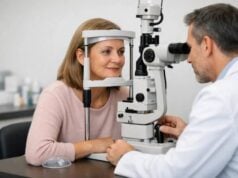
A focused evaluation often includes:
- Inspection of the conjunctiva and eyelids for allergic patterns and lid-margin inflammation
- Corneal surface assessment to ensure there is no damage driving pain or blur
- Review of contact lens habits and solutions, which can trigger or worsen symptoms
- Assessment for comorbid dry eye, which frequently overlaps and changes drop choice
- Questions about asthma, eczema, and nasal allergy, which can guide a more complete plan
Why “the right diagnosis” matters
The biggest practical difference is identifying whether you have:
- Routine seasonal or perennial allergic conjunctivitis
- A more severe keratoconjunctivitis subtype that needs closer monitoring
- A non-allergic cause of redness and irritation (dry eye, irritant exposure, infection)
When the diagnosis is clear, treatment becomes simpler: fewer products, more predictable control, and less temptation to rub or overuse quick-fix drops. If you are struggling every season, a short visit can replace months of trial and error with a targeted plan.
References
- Allergic Conjunctivitis: Review of Current Types, Treatments, and Trends – PMC 2024 (Review)
- Allergic Conjunctivitis Management: Update on Ophthalmic Solutions – PMC 2024 (Review)
- Ophthalmic Formulations for the Treatment of Allergic Conjunctivitis and Their Effect on the Ocular Surface: A Review of Safety and Tolerability Assessments in Clinical Trials – PMC 2024 (Review)
- Comparison of olopatadine with ketotifen for allergic conjunctivitis: a meta-analysis study – PMC 2023 (Meta-analysis)
- Executive summary: Japanese guidelines for allergic conjunctival diseases 2021 – PubMed 2022 (Guideline)
Disclaimer
This article is for general educational purposes and does not provide medical advice, diagnosis, or treatment. Eye allergy symptoms can overlap with infections, corneal inflammation, medication reactions, and other conditions that require an in-person eye exam. Seek urgent care for significant eye pain, marked light sensitivity, sudden or persistent vision changes, a very red eye with discharge, eye injury, or any concerning symptoms if you wear contact lenses. If you are pregnant, immunocompromised, or using prescription medications, consult a qualified eye care professional before starting new eye drops or changing your routine.
If this guide was useful, please consider sharing it on Facebook, X (formerly Twitter), or any platform you prefer. Your support through sharing helps our team continue producing clear, practical health content.