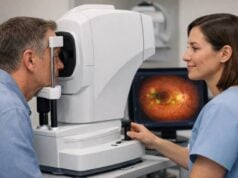
Dry eye after LASIK is common, and for most people it is temporary—but it can still feel surprisingly intense. LASIK changes the cornea in a way that can reduce surface sensation and disrupt the tear film during healing. That often leads to burning, scratchiness, light sensitivity, and fluctuating vision that comes and goes with blinking. The encouraging news is that symptoms usually improve as corneal nerves recover and the ocular surface settles, especially when dryness is treated early and consistently. The more important news is that persistent dryness is not something you should simply “push through,” because ongoing inflammation or eyelid gland problems can prolong recovery and affect visual comfort. This article explains what causes post-LASIK dry eye, what timelines are typical, how to identify risk factors and warning signs, and which at-home and in-office treatments are most likely to help you feel better while your eyes heal.
Quick Summary
- Most post-LASIK dry eye improves over weeks to months as corneal sensation and tear stability recover.
- Pre-existing dryness or meibomian gland dysfunction can make symptoms stronger and longer-lasting unless treated directly.
- Frequent preservative-free lubrication and airflow control are often the fastest early wins.
- Severe pain, sudden vision drop, heavy redness, or discharge after LASIK is not “normal dryness” and needs urgent evaluation.
- A practical approach is a structured 2–4 week plan: scheduled lubrication, eyelid care if needed, and a follow-up check if symptoms are not clearly improving.
Table of Contents
- Why dry eye is common after LASIK
- How long does dry eye last after LASIK
- Who is most likely to get it
- Symptoms that are normal and symptoms that are not
- Treatments that actually help
- How to speed recovery and prevent flare-ups
Why dry eye is common after LASIK
Dry eye after LASIK is best understood as a temporary mismatch between what your eye surface needs and what your healing cornea can provide. LASIK reshapes the cornea by creating a thin flap and applying laser energy beneath it. Even when surgery goes perfectly, those steps can affect the “tear system” in a few predictable ways.
Corneal nerves are part of tear control
Your cornea is densely innervated. Those nerves do more than provide sensation; they also help regulate tearing and blinking through reflex pathways. After LASIK, some of these nerves are cut or disrupted. For a period of time, the cornea may feel less sensitive, and the brain may receive weaker signals that normally trigger:
- Baseline tear production
- Protective reflex tearing
- Natural, complete blinking
That reduced signaling can leave the tear film thinner or more unstable, especially in dry environments or during screen use.
The tear film becomes less stable during healing
Tears are not just “water.” They are a layered film that includes oils from the eyelid glands, a watery component, and mucins that help tears spread evenly. After LASIK, the ocular surface can be slightly irregular while it heals, and blinking patterns may change. Together, those factors can make tears break up faster, which creates:
- Burning or stinging
- A gritty “sand in the eye” feeling
- Reflex watering (watery eyes that paradoxically still feel dry)
- Fluctuating blur that briefly improves after blinking
Inflammation and dryness can reinforce each other
Dryness is not only a comfort issue; it can trigger inflammation at the surface. Inflammation can then reduce tear quality further. This “loop” is why early treatment matters: reducing evaporation and stabilizing tears can prevent irritation from becoming a longer-term problem.
LASIK is not the same for every eye
The amount of nerve disruption can vary based on surgical technique, flap characteristics, and how much tissue is treated. People also start with different baselines: someone with robust tear film and healthy eyelid glands may only notice mild dryness, while someone with borderline dry eye before surgery may experience stronger symptoms.
The key takeaway is that post-LASIK dry eye usually has a real mechanical and neurologic basis. It is common, it is explainable, and it is often manageable—especially when you address tear stability and eyelid health rather than relying on “more drops” alone.
How long does dry eye last after LASIK
The most searched question is also the hardest to answer with a single number, because post-LASIK dryness varies by baseline tear health, healing patterns, environment, and treatment consistency. Still, most people follow a recognizable timeline.
A typical symptom timeline
Many patients notice dryness in the first days after surgery, then experience a peak during the early healing window when the ocular surface is adjusting:
- First week: Dryness often feels noticeable but can be masked by post-op drops and reduced activity. Vision may fluctuate, especially late in the day.
- Weeks 2–6: This is a common “dryness peak” period. Screen time returns, blinking decreases during work, and the tear film may feel unstable.
- Months 2–3: Many people begin to notice steadier comfort and clearer vision, with fewer “bad days.”
- Months 3–6: For most, symptoms continue trending down. If dryness persists, it often reflects an underlying contributor such as meibomian gland dysfunction or pre-existing dry eye that needs targeted therapy.
- Beyond 6–12 months: A smaller subset experiences ongoing symptoms. This can still improve, but it deserves a structured evaluation so treatment matches the cause.
Why recovery can take months
Corneal nerve regeneration and normalization of surface sensitivity is not immediate. As sensation gradually returns, reflex tearing and blink patterns often improve. The tear film also becomes more stable as the surface heals and inflammation quiets.
It is also common to have nonlinear recovery. You might feel better for two weeks, then have a flare after:
- A dry-air flight or long car trip
- A heavy screen workload
- Seasonal allergies
- Poor sleep or dehydration
- Overuse of preserved drops that irritate the surface
A flare does not necessarily mean something is wrong, but it is a sign you may need a more consistent plan.
What “lasting too long” usually means
If symptoms are not clearly improving by the time your surgeon expects them to, the most common explanations are:
- The eyes were drier than expected before surgery
- Eyelid oil glands are not supporting the tear film
- Ocular surface inflammation is continuing
- Environmental factors are overwhelming tear stability
- The problem is not classic dryness but a surface pain sensitivity pattern that needs specialized care
A practical approach is to judge by trend, not perfection. If each month is slightly easier than the last, you are likely on a normal trajectory. If symptoms plateau, worsen, or continue to interfere with vision quality, it is time to move from “self-care mode” to a targeted dry eye evaluation and treatment plan.
Who is most likely to get it
Most people have at least mild dryness after LASIK, but some are much more likely to experience significant symptoms or prolonged recovery. Knowing risk factors helps you make sense of your experience and guides which fixes are most likely to work.
The strongest predictor is your pre-LASIK baseline
The biggest risk factor is often dry eye that existed before surgery—sometimes obvious, sometimes subtle. Pre-existing dryness does not always feel like “dryness.” It can look like:
- Burning that appears late in the day
- Contact lens discomfort or shortened wear time
- Frequent watering outdoors
- Blurry vision that clears after blinking
- Red eyelid margins or crusting around lashes
If your eye surface was already compensating, LASIK can temporarily tip it into symptomatic territory.
Eyelid oil gland issues are common and underrecognized
Meibomian gland dysfunction (MGD) reduces the oil layer that slows evaporation. Without enough oil, tears evaporate quickly—especially in heated or air-conditioned air. People with MGD often report:
- Morning irritation that improves then returns later
- Greasy lids, flaky lashes, or frequent styes
- Symptoms that worsen with fans, vents, or screen work
Treating MGD is not optional if it is driving your symptoms; it is often the difference between slow recovery and steady improvement.
Other common risk factors
You may be at higher risk if you have:
- A history of allergies that affect the eyes
- Autoimmune conditions that can involve the tear glands
- Thyroid eye disease or systemic inflammatory conditions
- Hormonal factors (dry eye symptoms are more common in many women, especially with hormonal shifts)
- Higher refractive corrections, which may involve deeper treatment
- Long daily screen time (reduced blinking and incomplete blinks)
- Medications that dry mucous membranes (some antidepressants, antihistamines, acne medications, and others)
Procedure type and technique can matter
Different refractive procedures affect the cornea differently. Some techniques may preserve corneal nerves better than others, which can influence dryness risk. That does not mean LASIK is “bad,” but it helps explain why two people with similar prescriptions can have very different dry eye experiences afterward.
A useful mindset: risk factors are not a verdict; they are a map. If you recognize yourself in this list, it usually means you need a more deliberate plan—scheduled lubrication, eyelid support, and environmental control—rather than waiting for time alone to fix symptoms.
Symptoms that are normal and symptoms that are not
After LASIK, some discomfort and visual fluctuation is expected. The challenge is distinguishing “normal healing dryness” from problems that require prompt attention. Use the patterns below as a practical guide, not a replacement for your surgeon’s instructions.
Common symptoms that can be normal during recovery
These symptoms are often part of the post-LASIK dry eye pattern, especially in the first weeks to months:
- Mild to moderate burning, scratchiness, or foreign-body sensation
- Intermittent watering, especially outdoors or in wind
- Vision that fluctuates and improves after blinking
- Light sensitivity that is mild and gradually improving
- Increased awareness of air movement (fans, vents, car air)
- Symptoms that are worse late in the day or after screen time
A typical “dryness signature” is that symptoms improve briefly with lubrication or a few slow, complete blinks.
Signs that suggest you should contact your surgeon soon
These issues are not automatically emergencies, but they are worth prompt guidance:
- Symptoms that are not improving week by week
- Worsening redness rather than gradual calming
- Persistent significant light sensitivity
- One eye clearly worse than the other
- Pain that feels sharp, localized, or increasing
- Continued major blur that does not respond to blinking or drops
Sometimes these patterns indicate dryness that needs prescription anti-inflammatory treatment, eyelid therapy, or closer follow-up to ensure the surface is healing normally.
Red flags that need urgent evaluation
Seek urgent eye care if you develop:
- Severe eye pain, especially with light sensitivity
- A sudden drop in vision or a dramatic increase in blur
- Significant discharge, crusting, or swelling suggestive of infection
- A rapidly worsening red eye
- New “curtain,” flashes, or a shower of floaters (not typical dryness symptoms)
Also treat a painful red eye as urgent if you wear contact lenses and have resumed them (only when cleared), because infections can progress quickly.
Dryness can also present as “too much sensation”
A small subset of people experience burning or pain out of proportion to surface findings. This can reflect heightened corneal nerve sensitivity during abnormal regeneration. It does not mean the pain is “in your head,” but it may need a different management approach than lubrication alone.
When in doubt, use a simple rule: dryness usually fluctuates and responds to blinking and lubrication; dangerous problems often escalate, become one-sided, or come with major vision change, discharge, or intense light sensitivity. If you are unsure, it is safer to ask promptly than to wait.
Treatments that actually help
Post-LASIK dry eye is often most manageable when treated in layers: stabilize tears, reduce inflammation, and support eyelid oil function. The best plan is personalized, but the options below are commonly used because they target the main drivers of symptoms.
First-line: stabilize the tear film
- Preservative-free artificial tears: Often the core tool, especially if you need drops more than a few times daily. Preservatives can irritate the surface when used frequently.
- Gels or ointments at night: Useful if you wake with dry, sticky, or irritated eyes. Night lubrication reduces overnight evaporation and surface stress.
- Environmental control: Avoid direct airflow (fans and vents), and consider moderate indoor humidity. These changes can reduce evaporation as much as drops do.
If symptoms persist: treat inflammation and tear dysfunction
When dryness is more than mild, clinicians often consider prescription therapies that address inflammation and tear production. Depending on your exam findings, options may include:
- Anti-inflammatory prescription drops: These can reduce surface inflammation that perpetuates dryness. Some require consistent daily use for weeks to show benefit.
- Short-course steroid drops: Sometimes used under supervision to calm inflammation quickly, then transitioned to longer-term options as needed.
- Punctal plugs: These reduce tear drainage so tears stay on the eye longer. They can be helpful when tear volume is low or when tears evaporate quickly despite good eyelid oil support.
Eyelid-focused treatment when MGD is present
If the oil layer is weak, tears evaporate quickly, and drops may feel like they “don’t last.” Eyelid support may include:
- Warm compresses or heated masks used consistently and safely
- Lid hygiene if there is eyelid margin buildup
- In-office gland therapies in selected cases
The goal is to restore a more stable oil layer so the tear film stays smooth between blinks.
Advanced options for stubborn cases
When symptoms remain significant despite standard treatment, clinicians may consider:
- Autologous serum or biologic tear substitutes (specialized drops made from blood-derived components)
- Specialty contact lenses (such as scleral lenses) that create a protected fluid reservoir over the cornea
- Evaluation for neuropathic ocular pain when discomfort is severe and surface signs are minimal
A helpful reality check: “More drops” is not always better. If you are using drops constantly and still uncomfortable, you may need a different type of therapy—often anti-inflammatory treatment, eyelid gland support, or both—so the tear film becomes stable rather than temporarily wet.
How to speed recovery and prevent flare-ups
You cannot force healing, but you can reduce the stresses that keep dry eye active. The goal is to lower evaporation, improve blink quality, and protect the ocular surface while corneal nerves recover.
A practical 2–4 week “recovery support” plan
If your surgeon has cleared you for standard dry eye care, this type of structured plan is often more effective than random, reactive fixes:
- Use scheduled lubrication, not only as needed: For example, use preservative-free tears at set times during the day, then adjust as symptoms improve. Consistency prevents the surface from dipping into irritation.
- Control airflow: Redirect vents away from your face, avoid sleeping with a fan blowing toward you, and be cautious with car vents.
- Lower your evaporation load at screens: Place the monitor slightly below eye level and do short blink resets (several slow, complete blinks) during long tasks.
- Support eyelids if needed: If you have oily lids, crusting, frequent styes, or morning irritation, build in eyelid care rather than treating dryness as “only a tear problem.”
- Protect sleep: Poor sleep increases pain sensitivity and inflammation. Many people notice their eyes feel worse after short or disrupted nights.
Common mistakes that slow improvement
- Using preserved drops too frequently: This can irritate the surface over time.
- Ignoring eyelid gland dysfunction: Evaporative dry eye will keep returning if the oil layer is not addressed.
- Staying in constant “wind”: Fans, vents, and low-humidity heating can overwhelm even good drops.
- Assuming fluctuating blur is always refractive regression: After LASIK, blur that improves with blinking often points to tear instability, not a permanent change.
How to decide if you need a follow-up
Consider scheduling a dry-eye-focused assessment if:
- You are not seeing a clear improvement trend by 4–6 weeks
- You still avoid screens or driving because of discomfort
- Vision remains highly variable through the day
- One eye is consistently much worse than the other
Most importantly, do not frame persistent dry eye as a personal failure. It is usually a solvable mismatch between tear stability, eyelid function, and environment. With a targeted plan, many people who struggle early after LASIK end up comfortable—and glad they treated the problem proactively rather than waiting it out.
References
- Post-LASIK dry eye disease: A comprehensive review of management and current treatment options 2023 (Review)
- Refractive surgery and dry eye – An update 2023 (Review)
- Post-refractive Surgery Dry Eye: A Systematic Review Exploring Pathophysiology, Risk Factors, and Novel Management Strategies 2024 (Systematic Review)
- Dry Eye Syndrome Preferred Practice Pattern® 2024 (Guideline)
- ASCRS Preoperative OSD Algorithm 2024 (Guideline and Tool)
Disclaimer
This article is for educational purposes only and does not provide medical advice, diagnosis, or treatment. Dry eye symptoms are common after LASIK and often improve over time, but persistent or severe symptoms can indicate dry eye disease, ocular surface inflammation, infection, or other conditions that require professional evaluation. Seek urgent care for severe eye pain, a sudden drop in vision, marked redness, significant light sensitivity, discharge, or rapidly worsening one-sided symptoms—especially in the weeks after surgery. For ongoing discomfort or fluctuating vision that does not steadily improve, follow up with a qualified eye care professional for an individualized assessment and treatment plan.
If you found this article helpful, please consider sharing it on Facebook, X (formerly Twitter), or any platform you prefer. Your support helps our team continue producing high-quality, reader-focused health content.