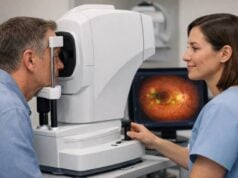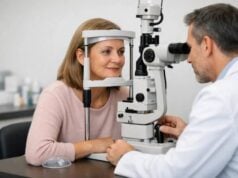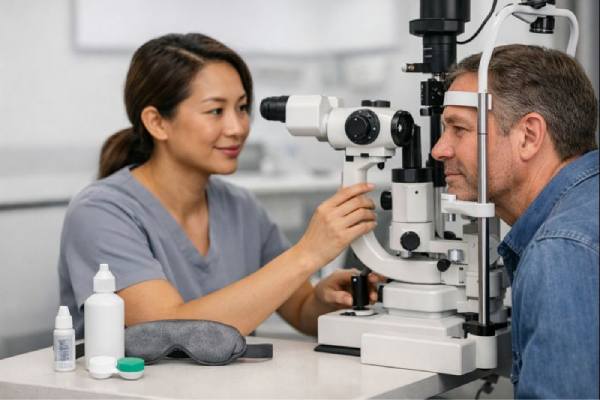
The cornea is the clear “front window” of the eye, and it depends on a stable tear film and a healthy surface to stay comfortable and sharp. After COVID-19, many people notice gritty discomfort, burning, light sensitivity, or fluctuating vision—symptoms that often trace back to dryness and surface inflammation rather than permanent damage. The challenge is that a dry, irritated cornea can also be more vulnerable to complications, especially in contact lens wearers or anyone tempted to rub their eyes while recovering.
Most post-COVID corneal symptoms improve with targeted home care and time. Still, it helps to understand why they happen, what a normal recovery curve looks like, and which warning signs suggest infection or deeper inflammation. This guide breaks down common causes, practical ways to protect your cornea, and clear thresholds for when an eye exam is the safest next step.
Essential Insights for Corneal Comfort After COVID-19
- Early lubrication and blink breaks can reduce dryness-driven blur and irritation within days.
- Most post-viral corneal discomfort is temporary, but persistent light sensitivity and pain deserve evaluation.
- Contact lenses can raise corneal infection risk during recovery, especially if hygiene slips.
- Worsening pain, a white spot on the cornea, and rapidly reduced vision should be treated as urgent.
- A simple routine of preservative-free tears, eyelid care, and screen-time limits often restores stability over 1–3 weeks.
Table of Contents
- Why COVID-19 can affect the cornea
- Post-COVID dryness and tear-film disruption
- Irritation, erosions, and surface inflammation
- Infection risk and contact lens realities
- When corneal symptoms need urgent care
- Practical care and clinician treatment options
Why COVID-19 can affect the cornea
COVID-19 is best known for respiratory symptoms, yet the eyes can be involved during infection or in the weeks afterward. Corneal problems after COVID-19 usually do not come from the virus “eating away” at the cornea. More often, they develop because COVID-19 shifts the conditions the cornea needs to stay calm: steady tears, normal blinking, and a balanced surface immune response.
The cornea has no blood vessels, so it relies heavily on the tear film and the eyelids for protection. When you are sick, several changes can disrupt that system at once. Fever and reduced fluid intake can lead to dehydration, and tears become less stable. Nasal congestion often causes mouth breathing, which increases evaporation across the ocular surface. Many people also spend more time on screens while isolating, and screen use reduces blink rate. Fewer complete blinks mean the tear film breaks up faster, leaving the cornea exposed in tiny patches that sting and blur vision.
Inflammation plays a role as well. Viral illnesses can trigger a short-term inflammatory response on the ocular surface, even if you do not have obvious “pink eye.” That inflammation can make the tear film more salty and irritating, and it can sensitize corneal nerves. When corneal nerves are sensitized, normal exposures—wind, indoor heat, or a bright room—can feel disproportionately uncomfortable.
There is also an indirect pathway: medication and environment. Decongestants and antihistamines (common cold remedies) can worsen dryness. A dry bedroom, heating vents, and fans used during recovery add more evaporation. Even mask use can contribute if airflow is directed upward toward the eyes, creating a drying draft that leads to burning and fluctuating blur.
A helpful way to interpret symptoms is to notice whether they fluctuate. Dryness-driven corneal symptoms often come and go: blinking or using lubricating drops clears vision briefly, then it smears again. In contrast, severe infection or deep inflammation tends to cause persistent pain and a steady decline in comfort and clarity. Keeping this distinction in mind will make the next sections easier to apply to your own situation.
Post-COVID dryness and tear-film disruption
Dryness is the most common corneal-related complaint after COVID-19, and it is easy to underestimate because it can present as more than “dry.” People often describe burning, stinging, a gritty sensation, watery eyes, or blurry vision that changes during the day. Paradoxically, watery eyes can still mean dryness: when the corneal surface becomes irritated, reflex tearing can flood the eye, but those tears may not have the right oil and mucus balance to stay stable.
Post-COVID dryness tends to come from a few overlapping mechanisms:
- Evaporation increases. Mouth breathing, indoor heating, and reduced blink rate let tears evaporate faster than usual.
- Oil layer changes. The eyelid glands that provide the tear film’s oily layer can become sluggish during illness, making tears “break up” quickly.
- Inflammation shifts tear quality. Even mild ocular surface inflammation can make tears less protective and more irritating.
- Routine changes compound the problem. More screen time, less outdoor time, and irregular sleep can all worsen symptoms.
A practical clue is the “blink test.” If your vision clears for a moment after blinking, then blurs again within seconds, the tear film is likely breaking up too fast. Another clue is timing: many people feel okay in the morning and worse by late afternoon, especially after screens or dry indoor air.
Not everyone experiences dryness the same way. Some people feel obvious discomfort, while others mainly notice visual effects: halos at night, difficulty focusing, or a sense that glasses “are not doing their job.” This happens because the cornea’s optical quality depends on a smooth tear layer. When that layer becomes patchy, light scatters and vision loses crispness.
The encouraging part is that dryness often responds quickly to consistent care. Many eyes improve within several days when you stabilize the surface early, especially if the trigger is dehydration and screen-heavy recovery. However, if dryness persists beyond a few weeks, it may reveal pre-existing dry eye tendencies that were simply pushed over a threshold by illness. In those cases, targeted lid care and anti-inflammatory treatments can be more effective than simply “more drops.”
If you want to track progress, measure function rather than perfection: fewer episodes of burning, longer periods of clear vision between blinks, and less end-of-day fatigue are meaningful signs that the cornea is re-stabilizing.
Irritation, erosions, and surface inflammation
Dryness does not only cause discomfort—it can also lead to small surface injuries and inflammatory flare-ups that make the cornea feel unusually sensitive. When the tear film repeatedly breaks up, tiny patches of the corneal surface can become stressed. Over time, this can create superficial damage that feels like persistent scratchiness, increased light sensitivity, or a “sand in the eye” sensation that does not match how the eye looks in the mirror.
One common pattern after viral illness is episodic sharp pain on waking. If the corneal surface is dry overnight, the eyelid can stick slightly to the cornea. When you open your eye, the surface may pull and sting sharply for a few seconds to minutes. People sometimes assume this must be an infection because it is intense, but the pattern is often dryness-related. The key is whether the pain settles with lubrication and whether symptoms steadily trend better over days.
Another issue is surface inflammation that behaves like a lingering post-viral “echo.” Even after fever and congestion are gone, the ocular surface can remain reactive. Bright light may feel harsher than usual, wind may sting, and screen time may trigger burning faster. This is not a sign that the cornea is fragile forever, but it may mean the nerves and surface immune system are still recalibrating.
In some patients, corneal discomfort feels out of proportion to exam findings. This can happen when corneal nerves are sensitized. The cornea is one of the most densely innervated tissues in the body, and when nerves are irritated—by dryness, inflammation, or surface damage—symptoms can linger even after the surface looks improved. A practical implication is that “toughing it out” often backfires. The more you rub or keep lenses in despite discomfort, the longer the surface can stay inflamed.
Situations that raise the likelihood of erosions or prolonged irritation include:
- significant nighttime dryness (sleeping with a fan, dry indoor heat)
- eyelid inflammation or debris along the lash line
- allergy-related itching and frequent rubbing
- contact lens wear during recovery
- recent eye surgery or a history of recurrent erosions
If irritation is persistent, it is worth focusing on the eyelids as much as the eye itself. The lids shape the tear film with each blink. When eyelids are inflamed or oil glands are blocked, tears become unstable and the cornea pays the price. A consistent lid routine can be a turning point for stubborn post-COVID symptoms.
Infection risk and contact lens realities
Most corneal symptoms after COVID-19 are not infections. Still, infection risk matters because a dry, irritated cornea is less tolerant of stress, and contact lens habits can slip when you are fatigued. The cornea’s surface is a protective barrier. When it is compromised—by dryness, micro-erosions, or inflammation—microbes have an easier time gaining a foothold.
If you wear contact lenses, the risk equation changes for three reasons. First, lenses increase hand-to-eye contact during insertion, removal, and adjustments. Second, lenses can trap debris against the cornea, especially when tears are unstable. Third, storage cases and solutions add additional contamination points. None of this means contact lenses are “forbidden,” but it does mean illness and recovery are times to be stricter than usual.
A smart post-COVID contact lens approach is conservative:
- Consider glasses during active illness and early recovery if your eyes feel dry or irritated.
- If you must wear lenses, favor shorter wear times and avoid any overnight wear.
- Do not “stretch” replacement schedules because you are staying home.
- Be especially careful with water exposure. Showering, swimming, or rinsing lenses with water can introduce organisms that are risky for the cornea.
It is also important to recognize that infection does not always look dramatic on day one. Early microbial keratitis can start as what feels like “extra dryness,” then progress to increasing pain, light sensitivity, and worsening vision. That progression is the red flag: dryness tends to fluctuate and slowly improve with lubrication, while infection tends to worsen over hours to days.
COVID-19 recovery can also create indirect infection risk by encouraging rubbing. Itching from allergies, irritated eyes from screen time, and mask-directed airflow can make you touch your eyes more. Rubbing is not just a contamination issue; it can also create microtrauma on the surface, leaving the cornea more vulnerable.
Not every infection risk comes from contact lenses. People who were hospitalized, received oxygen support, or experienced prolonged exposure (eyes not fully closing, reduced blinking, or intensive care conditions) may have higher risk for surface breakdown and secondary infection. Those cases are less common, but they highlight the same principle: protect the surface barrier, and take worsening symptoms seriously.
If you want one practical rule, use this: if you are thinking, “I can probably wear my lenses even though my eyes feel off,” that is the moment to switch to glasses and stabilize the cornea first. Prevention is far easier than treating a corneal infection.
When corneal symptoms need urgent care
Corneal symptoms can be intensely uncomfortable even when they are not dangerous, so the goal is not to panic—it is to recognize the patterns that deserve same-day evaluation. The cornea can deteriorate quickly when infection is present, and early treatment is the best way to protect vision.
Seek urgent eye care (same day if possible) if you notice any of the following:
- Worsening pain, especially if it increases after an initial improvement
- Marked light sensitivity that makes it hard to keep the eye open
- A new white or gray spot on the clear front surface of the eye
- A noticeable drop in vision that does not clear with blinking or lubricating drops
- Thick discharge or eyelids stuck shut, especially if one eye is much worse
- A contact lens wearer with red eye and pain, even if symptoms started mildly
If you are unsure whether there is a “spot,” look in a well-lit mirror without forcing the lids open. You are not trying to diagnose yourself; you are looking for a clear change from your normal appearance.
Some symptoms suggest urgent evaluation because they may signal deeper inflammation:
- pain that feels deep and aching rather than gritty
- redness concentrated around the colored part of the eye
- headache with nausea alongside eye pain
- reduced vision paired with severe light sensitivity
In contrast, symptoms that are often appropriate for careful home treatment for 24–72 hours include:
- mild gritty sensation without significant redness
- intermittent blur that improves after blinking
- mild tearing and irritation that gradually improves day to day
- dryness that is worse with screens and better with rest
Timing matters. A typical dryness flare improves in small increments: less burning by day three, fewer “bad stretches” by day five, and clearer vision between blinks over a week or two. If your symptoms are moving the opposite direction, do not keep waiting for a turning point.
Also consider your personal risk profile. If you have immune suppression, diabetes with poor control, a history of corneal infection, or a recent eye surgery, your threshold for evaluation should be lower. The same applies if you used steroid eye drops without supervision, because steroids can worsen certain infections if used at the wrong time.
If you decide to seek care, bring details that help triage quickly: whether you wear contacts, when symptoms started, whether pain is worsening, and whether vision is reduced. Those specifics often determine how urgently you are seen and what tests are done first.
Practical care and clinician treatment options
Most post-COVID corneal issues respond best to a structured, steady plan rather than occasional “rescue” measures. Think in layers: stabilize the tear film, reduce inflammation triggers, then escalate to medical therapies if symptoms persist.
At-home steps that often help within days
- Preservative-free artificial tears 4–6 times per day, plus extra doses during screens or dry environments. If you need drops more than 6 times daily, preservative-free options are gentler for frequent use.
- Blink training during screens. Every 20 minutes, look across the room for 20 seconds and do several slow, complete blinks. This restores the tear film’s oil layer.
- Warm compresses and eyelid hygiene once daily if lids feel oily, crusty, or irritated. A stable tear film depends on healthy eyelid glands.
- Nighttime protection if you wake with sharp pain or dryness: a thicker lubricating gel or ointment (as advised by your clinician) and a humidifier can reduce overnight surface stress.
- Stop rubbing. If itching is the trigger, treat allergies and use a cool compress instead of fingers.
If you wear contact lenses, consider a temporary switch to glasses until symptoms resolve. If you continue lens wear, shorten wear time and stop at the first sign of redness, pain, or light sensitivity.
When clinicians escalate treatment
If symptoms persist beyond 1–3 weeks, or if exams show significant surface staining or inflammation, clinicians may recommend:
- prescription anti-inflammatory drops for ocular surface inflammation
- targeted treatment for eyelid gland dysfunction
- short-term antibiotic drops if infection is suspected
- antiviral therapy if herpes-related disease is a concern
- specialty lubricants or tear conservation strategies for more severe dryness
For people whose symptoms feel severe despite minimal surface findings, an eye clinician may assess for nerve-related pain patterns and tailor treatment accordingly. The goal is not only symptom relief, but also restoring corneal resilience so flare-ups become less frequent.
A simple recovery plan you can follow
- Commit to consistent lubrication for one week.
- Reduce triggers: screens, dry air, and rubbing.
- Add eyelid support if dryness is persistent or oily lids are present.
- If you are not clearly improving within 7–10 days, schedule an eye exam—especially if one eye is worse.
Most corneas recover well after viral illness, but they recover best when the surface is protected early. Treat the eye like healing skin: gentle care, fewer irritants, and prompt attention if symptoms intensify rather than fade.
References
- Ocular manifestations of COVID-19: A systematic review of current evidence – PubMed 2024 (Systematic Review)
- The Review of Ophthalmic Symptoms in COVID-19 – PubMed 2024 (Review)
- Microbial Keratitis Before, During and After the COVID-19 Pandemic, and the Role of Contact Lens Wear and Hand Hygiene – PubMed 2025 (Observational Study)
- Preventing Eye Infections When Wearing Contacts | Healthy Contact Lens Wear and Care | CDC 2025 (Guidance)
Disclaimer
This article is for general educational purposes and does not replace personalized medical advice, diagnosis, or treatment. Corneal symptoms can overlap between dryness, inflammation, and infections that may threaten vision if not treated promptly. If you develop worsening eye pain, significant light sensitivity, a white or gray spot on the eye, thick discharge, or a noticeable drop in vision—especially if you wear contact lenses—seek urgent evaluation from an eye care professional or emergency services as appropriate. Always follow medical guidance for medications, including eye drops, and do not use leftover prescription drops unless directed by a clinician.
If you found this article helpful, please consider sharing it on Facebook, X (formerly Twitter), or any platform you prefer.