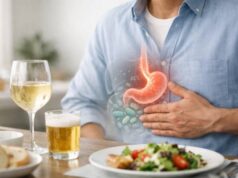
A short walk after eating is one of the simplest digestion-friendly habits that can deliver outsized benefits. It gently nudges the stomach and intestines forward, supports a steadier post-meal rhythm, and can noticeably reduce that heavy, tight “food baby” feeling that many people label as bloating. Just as importantly, walking uses large muscle groups in a way that helps pull glucose out of the bloodstream after meals, which can soften post-meal blood sugar spikes without requiring intense workouts. This matters whether you are aiming for better energy, calmer digestion, or metabolic support alongside nutrition changes. The best part is how adaptable it is: the “dose” can be small, the intensity can be comfortable, and the habit can fit real life. This guide explains how post-meal walking works, who benefits most, and how to do it safely.
Top Highlights
- Short post-meal walks can reduce bloating pressure by supporting gut motility and gas clearance.
- Walking after carbohydrate-heavy meals can blunt post-meal blood sugar peaks and improve glucose handling.
- Benefits are dose-responsive, but very vigorous activity immediately after large meals can worsen reflux or cramps.
- Aim to start within 10–30 minutes after eating and walk 10–20 minutes at an easy, talkable pace.
Table of Contents
- Why post-meal walking changes digestion
- Walking after meals and bloating relief
- Blood sugar benefits and best timing
- How to walk duration pace and routines
- Who should be cautious and how to adjust
- Common mistakes and making it a habit
Why post-meal walking changes digestion
Digestion is not only chemical. It is also mechanical. After you eat, your stomach needs to grind and empty, your small intestine needs to mix food with enzymes and bile, and your colon responds to signals that can either move things along or slow them down. Walking supports that whole process in three practical ways.
It encourages motility without “shaking things up”
Gentle movement increases overall gut activity for many people. Walking is low impact, so it can stimulate intestinal contractions without the bouncing that sometimes triggers urgency or cramps. If you tend to feel sluggish after meals, a walk can act like a mild nudge that helps food progress in a steady, predictable way.
It recruits the diaphragm and abdominal wall
Your diaphragm and core muscles are involved in breathing mechanics and pressure management. Walking naturally deepens breathing and encourages rhythmic abdominal movement. That can help with comfort after meals, particularly if you are prone to feeling “stuck,” overly full, or tight under the ribcage.
It shifts the nervous system toward “rest and digest”
Digestion functions best when the body is not stuck in a stressed, fight-or-flight state. A calm walk can reduce stress signaling and support a more balanced nervous system tone. This is one reason a post-meal walk can feel like it “settles” the stomach even when the meal itself was not unusual.
It changes what happens to nutrients after the meal
As your leg and hip muscles contract, they use glucose for energy and become more receptive to glucose uptake. This helps the body handle the post-meal surge of nutrients more smoothly. For many people, that means fewer energy crashes, less post-meal sleepiness, and steadier appetite later in the day.
A useful mindset is to see post-meal walking as a tool that improves the trajectory of digestion and metabolism rather than a fix for a single symptom. When it works well, it makes meals feel easier to tolerate and helps the body “process” them with less turbulence.
Walking after meals and bloating relief
Bloating is not one thing. It can be a mix of gas, fluid shifts, slowed transit, constipation, food sensitivities, and heightened gut sensitivity. That is why two people can eat the same meal and feel completely different. Post-meal walking helps with several common bloating pathways, but it is especially useful for “pressure bloating” and bloating tied to slow movement through the gut.
How walking can reduce the “balloon” feeling
A comfortable walk may help by:
- Encouraging gas to move through the intestines rather than pooling in one segment
- Supporting stomach emptying so the upper abdomen feels less tight
- Reducing constipation pressure over time by improving overall transit
- Lowering stress-related gut sensitivity that makes normal sensations feel intense
If your bloating tends to build as the day goes on, a brief walk after lunch and dinner is often more effective than saving movement for a single long workout later.
What to expect and when it helps most
Many people notice a difference within 15–30 minutes: less pressure, fewer painful “stabs” of trapped gas, and a softer feeling in the abdomen. The effect is often strongest when bloating is driven by:
- Large meals eaten quickly
- High-fat meals that sit heavily
- Constipation or irregular bowel patterns
- Stress, rushed eating, or frequent swallowing of air
It may be less dramatic when bloating is driven primarily by specific intolerances that cause fermentation. Even then, walking can improve comfort by helping gas move along, but it does not remove the trigger.
A digestion-friendly walking style for bloating
If bloating is your main goal, prioritize ease over intensity:
- Pace: easy enough to hold a full conversation
- Posture: upright, relaxed shoulders, gentle arm swing
- Breathing: slow nasal breathing if possible, with long exhales
- Duration: 10–15 minutes can be enough, especially after dinner
When walking might worsen bloating
Walking may backfire if:
- You start too fast right after a very large meal
- You have significant reflux and the walk includes frequent bending
- You push into a “jog” intensity that increases abdominal jostling
If you feel worse, do not assume walking “does not work.” More often, the fix is to shorten the walk, slow the pace, or wait 10–15 minutes after eating before you start.
Over time, post-meal walking is less about forcing your gut to behave and more about creating consistent conditions where your body can digest with less friction.
Blood sugar benefits and best timing
Blood sugar naturally rises after meals, usually peaking within about 60–90 minutes for many people, depending on meal composition and individual metabolism. The goal is not to eliminate the rise, but to prevent sharp spikes and steep drops that can leave you tired, hungry, and foggy later. Walking after meals helps because it changes how muscles and the liver handle glucose during the period when blood sugar is most likely to climb.
Why post-meal walking is uniquely effective
Muscle contractions stimulate glucose uptake through pathways that do not rely entirely on insulin. In practical terms, that means your body can clear glucose more efficiently during and after a walk, even if you have insulin resistance. Post-meal walking also reduces how long blood sugar stays elevated after a meal, which matters for long-term metabolic health.
Timing: when to start for the biggest impact
For blood sugar support, the most useful window is usually soon after finishing a meal:
- Start within 10–30 minutes if you can
- If you missed that window, walking later can still help, but the effect may be smaller because the glucose peak may already be passing
- If your meal is very large, waiting 10–15 minutes before starting can improve comfort without losing much benefit
Duration: what actually works in real life
You do not need an hour. Many people see measurable benefits from:
- 10 minutes after one or two daily meals as a minimum “starter dose”
- 15–20 minutes for a stronger, more consistent effect
- A few short bouts (for example, two 10-minute walks) when a single longer walk is inconvenient
Consistency often matters more than perfection. A short walk after dinner most days can outperform a longer walk that happens only occasionally.
Meal context: when walking matters most
Post-meal walks tend to be most helpful after meals that are:
- Higher in refined carbohydrates
- Larger than your usual portion
- Eaten later in the evening, when many people are more insulin resistant
If you use a continuous glucose monitor or occasional finger checks, you can personalize the strategy. Walk after the meals that create your biggest spikes, rather than trying to walk after every snack.
What about weight loss?
Walking after meals can support appetite regulation and reduce energy crashes, which indirectly helps weight goals. But its clearest immediate value is improving post-meal glucose handling and digestion comfort. Think of it as a metabolic “smoother,” not a punishment walk to “burn off” a meal.
If blood sugar stability is a priority, post-meal walking is one of the rare habits that is both gentle and physiologically targeted to the problem.
How to walk duration pace and routines
The best post-meal walk is the one you will actually do—often, in normal clothes, with minimal planning. The goal is to create enough movement to support digestion and glucose handling without provoking reflux, cramps, or fatigue.
Pick the right intensity
Use simple cues:
- Talk test: you should be able to speak in full sentences
- Perceived effort: about 2–4 out of 10 (easy to moderate)
- Breathing: slightly deeper than resting, but not gasping
Very vigorous activity immediately after eating can be uncomfortable and is not necessary for most benefits.
Choose a duration that matches your goal
A practical starting framework:
- For bloating relief: 10–15 minutes after lunch or dinner
- For blood sugar support: 10–20 minutes after your highest-carb or largest meal
- For overall routine building: 5–10 minutes after one meal daily for two weeks, then increase
If you prefer structure, aim for a weekly “minimum” rather than daily perfection: for example, walk after dinner at least 4 days per week.
Three sample routines that work for busy schedules
- The 10-minute anchor: Walk 10 minutes after dinner, every day you eat at home.
- The two-walk split: Walk 10 minutes after lunch and 10 minutes after dinner on workdays; skip weekends if needed.
- The spike-focused plan: Walk 15–20 minutes only after meals that reliably cause symptoms or sugar spikes (often dinner or restaurant meals).
Terrain and posture matter more than people think
- Flat routes reduce reflux risk and keep intensity steady.
- A slight incline can increase glucose uptake, but it also increases effort. Consider it only if you tolerate it well.
- Stay upright; avoid slouching over your phone, which can compress the abdomen and worsen upper stomach discomfort.
If you cannot walk outdoors
You can still get benefits indoors:
- Walk loops in your home or hallway
- March in place while listening to a podcast
- Use stairs gently if reflux is not an issue
The physiology comes from muscle contraction and movement, not from distance or scenery.
A post-meal walk is small enough to be realistic, but specific enough to be meaningful. Once it feels easy, you can keep it as a baseline habit and add other exercise elsewhere in your day without losing the digestion-focused advantages.
Who should be cautious and how to adjust
Walking after meals is generally low risk, but there are situations where the “standard” advice needs a smarter, safer version. The best approach is to adjust timing, intensity, and monitoring rather than abandoning the habit.
If you have reflux, gastritis, or a hiatal hernia
Walking can help digestion, but certain choices can worsen symptoms:
- Avoid brisk walking that makes you breathe hard immediately after a large meal
- Choose flat terrain and upright posture
- Consider waiting 10–20 minutes after eating before you start
- If nighttime reflux is a problem, keep the walk easy and avoid bending or core-intensive movements afterward
If you use insulin or medications that can cause low blood sugar
For some people, post-meal walking can lower glucose enough to increase hypoglycemia risk, especially if medication doses are high or meal carbohydrate is lower than usual. Safer strategies include:
- Start with 10 minutes at an easy pace until you see how your body responds
- Carry fast-acting glucose if you are prone to lows
- Watch for symptoms such as shakiness, sweating, confusion, or sudden fatigue
- Discuss medication timing adjustments with a clinician if lows occur repeatedly
If you have dizziness after meals
Some people experience post-meal lightheadedness due to blood flow shifts and blood pressure changes. If that sounds familiar:
- Sit upright for 5–10 minutes after eating
- Start with a very gentle, short walk inside
- Hydrate earlier in the day and avoid sudden standing
- Seek medical evaluation if episodes are frequent or severe
If you are pregnant or postpartum
A calm walk after meals can be a comfortable way to support digestion and glucose handling during pregnancy. Adjust for pelvic comfort, fatigue, and balance changes. Choose stable shoes, flat routes, and shorter durations when needed.
If you have chronic gut symptoms
For people with frequent bloating, constipation, or irritable bowel symptoms, walking is often helpful, but intensity matters. If urgency or cramps are triggered by movement:
- Keep the pace slow and the route close to home
- Walk shorter distances more often
- Avoid bouncing and sudden speed changes
When to pause and seek evaluation
Do not use walking as a workaround for severe symptoms. Seek medical care if you have persistent vomiting, unintentional weight loss, blood in stool, severe abdominal pain, fainting, fever, or symptoms that progressively worsen.
The goal is not to prove you can walk after any meal. The goal is to make walking a tool that reliably helps you feel better and supports health without creating new problems.
Common mistakes and making it a habit
Many people try post-meal walking once, feel uncomfortable, and decide it is not for them. In reality, small adjustments usually fix the problem. The most common mistakes are intensity mismatches, poor timing after very large meals, and treating walking as an all-or-nothing rule.
Mistake one: walking too fast, too soon
If you rush out the door immediately after a heavy meal at a brisk pace, nausea, reflux, or side stitches are more likely. Instead:
- Wait 10–15 minutes after very large meals
- Start slow for the first 2–3 minutes
- Keep the intensity conversational
A gentle warm-up matters even for “easy” movement.
Mistake two: aiming for distance instead of effect
For digestion and blood sugar, the key is timing and consistency, not step count records. A short walk that happens often is more useful than a long walk that feels too hard to repeat. If motivation is low, choose a “minimum viable walk,” such as 5 minutes.
Mistake three: only walking when you feel bad
Walking can relieve bloating in the moment, but it works best as a routine that prevents symptoms from building. Try linking it to a consistent meal (often dinner) so it becomes automatic.
Make it frictionless with simple cues
Pick one cue and one reward:
- Cue ideas: start the dishwasher, put leftovers away, then walk; or walk while you take a call
- Reward ideas: listen to a favorite playlist, walk with someone, or save a podcast for post-meal time
A two-week habit plan
- Days 1–4: 5–10 minutes after one meal daily
- Days 5–10: 10 minutes after that same meal, with a relaxed pace
- Days 11–14: add 5 minutes or add a second post-meal walk on two days
Track one thing only: bloating comfort (0–10) or post-meal energy. Small wins reinforce the habit.
If results are subtle
If you are not noticing much change, adjust one variable at a time:
- Move the walk earlier (closer to the end of the meal)
- Add 5 minutes
- Choose flatter terrain if reflux is limiting intensity
- Focus on your highest-carb meal, not every meal
Walking after meals is not a magic trick, but it is a rare strategy that is low cost, low complexity, and highly adaptable. When you tailor timing and pace to your body, it becomes an easy habit with benefits you can feel.
References
- After Dinner Rest a While, After Supper Walk a Mile? A Systematic Review with Meta-analysis on the Acute Postprandial Glycemic Response to Exercise Before and After Meal Ingestion in Healthy Subjects and Patients with Impaired Glucose Tolerance – PMC 2023 (Systematic Review and Meta-analysis)
- The effect of preprandial versus postprandial physical activity on glycaemia: Meta-analysis of human intervention studies – PubMed 2024 (Meta-analysis)
- Exercise/Physical Activity in Individuals with Type 2 Diabetes: A Consensus Statement from the American College of Sports Medicine – PMC 2022 (Consensus Statement)
- Physical activity for treatment of irritable bowel syndrome – PMC 2022 (Systematic Review)
Disclaimer
This article is for educational purposes only and does not provide medical advice, diagnosis, or treatment. Digestive symptoms and blood sugar responses can have many causes, and what is safe and effective depends on your medical history, medications, and current symptoms. Seek urgent medical care for severe abdominal pain, fainting, chest pain, bloody or black stools, persistent vomiting, fever, or signs of dehydration. If you have diabetes and use insulin or medications that can lower blood sugar, discuss post-meal activity and monitoring with your clinician to reduce hypoglycemia risk.
If you found this article helpful, please consider sharing it on Facebook, X (formerly Twitter), or any platform you prefer.