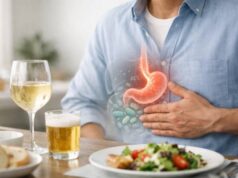
Upper left abdominal pain can be unsettling because it sits near organs people associate with “serious” problems: the stomach, spleen, pancreas, and even the heart and left lung. In reality, many cases come from less dangerous sources such as indigestion, trapped gas, constipation, or muscle strain—especially when pain follows meals, improves with movement, or comes and goes. Still, this area can also reflect conditions that need prompt attention, including pancreatitis, a spleen injury after trauma, or a kidney stone.
The goal is not to self-diagnose from a list—it is to recognize patterns that point toward a likely source, choose reasonable first steps, and know when not to wait. This guide walks you through practical clues (timing, triggers, and “paired symptoms”), and it highlights clear warning signs that should move you from observation to evaluation.
Quick Overview
- Match the pain pattern to likely causes by tracking timing (after meals, with movement, at night) and paired symptoms (nausea, reflux, urinary changes).
- Many common causes improve with targeted steps: smaller meals, reduced carbonation, constipation care, and gentle movement.
- Sudden severe pain, fever, persistent vomiting, black stools, chest symptoms, or pain after injury should be treated as urgent.
- Use a 7–14 day symptom log to make any clinician visit more efficient and avoid unnecessary testing.
Table of Contents
- Where left upper pain comes from
- Stomach and esophagus causes
- Pancreas and spleen red flags
- Colon and trapped gas patterns
- Left kidney and urinary causes
- When to worry and what happens next
Where left upper pain comes from
“Upper left abdomen” is a neighborhood, not a single structure. Pain there can originate from the stomach and upper small intestine, the spleen, the tail of the pancreas, the splenic flexure of the colon, the left kidney (often felt more in the flank), the diaphragm, or the abdominal wall. It can also be referred pain—meaning the problem is elsewhere, but nerves “report” it in this area (for example, a lower lung problem or heart-related pain).
A useful starting point is to sort the pain by four features:
- Onset: sudden versus gradual
- Timing: constant versus intermittent; related to meals, bowel movements, urination, or movement
- Quality: burning, cramping, sharp, pressure-like, or deep aching
- Accompanying symptoms: nausea, bloating, reflux, diarrhea, constipation, urinary symptoms, fever, or shortness of breath
Here are common patterns that often point in the right direction:
- Burning or gnawing pain just below the left ribs, worse when hungry or after trigger foods: stomach irritation, reflux, ulcer-like symptoms.
- Crampy pain with bloating, relief after passing gas or stool: colon gas and constipation patterns.
- Deep, severe pain with nausea that does not ease with position changes: pancreas-related concerns rise on the list.
- Sharp pain linked to movement, coughing, or twisting and tender to touch: muscle strain, rib cartilage irritation, or abdominal wall pain.
- Pain that starts in the flank and travels toward the groin with urinary urgency or blood in urine: kidney stone patterns.
Also note what you were doing when it started. Upper left pain after a very heavy meal, alcohol intake, or a bout of vomiting may behave differently than pain that began after lifting boxes, long travel, or an intense workout.
If you remember only one practical point: timing and paired symptoms are usually more informative than location alone. A short symptom log (even 3–5 days) can clarify what is happening faster than repeated “trial and error.”
Stomach and esophagus causes
Stomach and esophagus issues are among the most common explanations for upper left discomfort, especially when pain clusters around meals, belching, heartburn, or nausea. The sensation may be described as pressure, burning, or a “raw” feeling under the left ribcage.
Common stomach and reflux patterns
- Reflux-type symptoms: burning behind the breastbone, sour taste, regurgitation, worse after large meals or lying down. Pain may be midline but can be felt slightly left.
- Gastritis-like irritation: aching or burning in the upper abdomen, nausea, poor appetite, and sensitivity to alcohol, nonsteroidal anti-inflammatory drugs (such as ibuprofen), or very spicy meals.
- Functional dyspepsia: bothersome fullness after eating, early satiety (getting full quickly), or upper abdominal discomfort without a clear structural cause.
- Ulcer-type symptoms: gnawing pain that may improve briefly with food and return later, or pain that wakes you at night. Not all ulcers follow a classic pattern, and many people have overlapping reflux and dyspepsia features.
Low-risk steps that often help
If your symptoms fit a stomach/reflux pattern and you have no warning signs, try a 10–14 day “foundational reset”:
- Smaller meals, especially dinner: aim for a 20–30% reduction in volume for one to two weeks.
- Meal timing: finish eating at least 3 hours before lying down.
- Carbonation and gum pause: both can increase swallowed air and distension.
- Post-meal posture: stay upright after eating; a gentle 10–15 minute walk can reduce pressure.
- Trigger review: temporarily reduce alcohol, very fatty meals, chocolate, and peppermint if reflux is prominent.
When stomach-type pain should not be brushed off
Seek prompt evaluation if upper left pain is paired with any of the following:
- Black, tarry stools or vomit that looks like coffee grounds
- Ongoing vomiting or inability to keep fluids down
- Unintentional weight loss, progressive loss of appetite, or worsening early satiety
- New symptoms later in life (especially persistent dyspepsia)
- Pain with fainting, severe weakness, or signs of dehydration
Over-the-counter antacids or acid-reducing products can be helpful for short trials, but frequent reliance can mask a problem that deserves evaluation. If you need symptom control most days, that is a reason to discuss the pattern with a clinician rather than escalating on your own.
Pancreas and spleen red flags
Upper left pain sometimes involves the pancreas or spleen—organs that deserve extra respect because their problems can escalate quickly. These causes are less common than reflux or gas, but the cost of missing them is higher, so pattern recognition matters.
Pancreas-related pain patterns
Pain from the pancreas often feels deep and steady rather than crampy. Clues that raise suspicion include:
- Severe, persistent upper abdominal pain that may radiate to the back
- Significant nausea or vomiting, often out of proportion to the abdominal tenderness
- Pain that worsens after eating, especially heavy or high-fat meals
- Recent heavy alcohol use, certain medication changes, or known gallstone history
Acute pancreatitis is typically not subtle. People often describe it as “the worst upper abdominal pain I have had,” and the discomfort tends to persist rather than come in brief waves. If severe pain is paired with repeated vomiting, fever, confusion, or signs of dehydration, urgent evaluation is appropriate.
Spleen-related pain patterns
The spleen sits high on the left side under the ribs. Pain in this region can occur with:
- Injury after trauma: falls, sports impacts, car accidents, or a hard blow to the left ribs. Pain can begin immediately or build over hours. Left shoulder tip pain can occur because the diaphragm shares nerve pathways (a referred pain pattern).
- Spleen enlargement: sometimes linked to infections or blood disorders. People may notice fullness under the left ribs and early satiety.
- Splenic infarct or clot-related issues: typically causes sudden, sharp or deep pain and may be paired with fever or a known clotting risk.
When to treat spleen concerns as urgent
Do not wait at home if upper left pain occurs after trauma and any of the following are present:
- Dizziness, fainting, unusual weakness, or rapid heartbeat
- Increasing abdominal tenderness or swelling
- Shoulder pain paired with abdominal pain after injury
- Signs of internal bleeding (pale, clammy skin; confusion; low blood pressure symptoms)
Even a “minor” injury can be meaningful if pain is escalating. Likewise, if upper left pain appears with fever, shortness of breath, or a new rash and bruising pattern, evaluation is reasonable because the spleen can be involved in systemic illnesses.
The takeaway: pancreas and spleen problems usually create pain that is persistent, intense, or linked to systemic symptoms (vomiting, fever, faintness) or injury. Those are not “wait it out” scenarios.
Colon and trapped gas patterns
A surprising amount of “upper left” discomfort comes from the colon, specifically the splenic flexure—the bend where the colon turns downward on the left side under the ribs. Gas can pool there, and when the colon is sensitive or sluggish, that pressure can feel sharp, stabbing, or tight.
How colon gas pain often behaves
Colon-related pain tends to be:
- Crampy, pressure-like, or stabbing, sometimes shifting locations
- Paired with bloating, gurgling, and relief after passing gas or stool
- Worse after large meals or foods that ferment quickly
- Variable day to day, often influenced by stress and sleep
Many people notice that the discomfort is worse when they sit slumped or after a long car ride, and improves with walking, stretching, or a warm shower.
Constipation as an upstream driver
Even if the pain feels “high,” constipation can be the root cause. Common clues include hard stools, straining, going fewer than three times weekly, or feeling incompletely emptied. When stool builds up, the colon holds more gas and becomes more reactive. A colon under tension can “broadcast” discomfort to the upper abdomen.
Helpful first steps include:
- Hydration that is consistent, not just “catch up” at night
- A predictable morning routine (a warm drink and breakfast can trigger the gastrocolic reflex)
- Gentle daily movement to stimulate motility
- If you use fiber, increase slowly; sudden large increases can worsen gas
Food triggers that often matter
If bloating and upper left pressure occur 1–4 hours after meals, consider a brief, structured swap rather than a permanent restriction. Common triggers include:
- Large servings of onions, garlic, wheat-based products, beans
- Sugar alcohols (often in “sugar-free” gum and candies)
- Ultra-processed “high-fiber” snacks with added inulin or chicory root
A short 7–10 day trial of reducing these items can reveal whether fermentation is a key driver. If symptoms improve, you can reintroduce strategically and find your personal threshold.
When colon-related pain needs evaluation
Seek medical advice promptly if you have:
- Fever with worsening abdominal pain
- Persistent diarrhea with dehydration signs
- Blood in stool or black stools
- New, progressive change in bowel habits that persists
- Pain that becomes constant and severe rather than crampy
Most gas and constipation patterns are manageable, but significant systemic symptoms, bleeding, or persistent change deserves a clinician’s input.
Left kidney and urinary causes
Left kidney issues often produce flank pain—discomfort on the side of the body between the ribs and hip—yet many people interpret it as upper abdominal pain. Because urinary causes can become urgent (especially infection with obstruction), it helps to recognize the classic patterns.
Kidney stone patterns
Kidney stone pain is often:
- Sudden and intense, coming in waves
- Located in the flank or back, but it can wrap toward the abdomen
- Sometimes radiating toward the groin
- Paired with urinary urgency, burning, or visible blood in urine
- Associated with restlessness (people often cannot find a comfortable position)
Not every stone causes classic symptoms, but the “wave-like, severe, cannot-get-comfortable” profile is a strong clue.
Urinary infection patterns
A bladder infection typically causes burning and urgency, but infection involving the kidney (pyelonephritis) can add:
- Fever and chills
- Flank pain and significant fatigue
- Nausea or vomiting
Fever plus flank pain should be taken seriously. If vomiting prevents hydration, or if you suspect a kidney infection during pregnancy or with immune suppression, evaluation should be prompt.
Practical differentiators
Consider urinary causes if any of these are true:
- Pain is more lateral than central and is noticeable when you tap the area gently
- You have new urinary frequency, burning, foul-smelling urine, or blood
- Pain intensity comes in spikes or waves rather than steady discomfort
- The pain is not clearly linked to meals or bowel habits
Self-care while you arrange evaluation
If you suspect a stone and you are not vomiting, not feverish, and can drink fluids, hydration and pain control advice from a clinician can be helpful. However, avoid assuming it is “just a stone” if you have fever, severe weakness, or persistent vomiting—those situations can signal infection or dehydration and may need urgent treatment.
The key “do not wait” combination is urinary symptoms plus fever, or severe pain plus inability to keep fluids down.
When to worry and what happens next
Upper left abdominal pain is one of those symptoms where knowing the warning signs can prevent both extremes: dangerous delay and unnecessary panic. The right response depends on severity, duration, and associated symptoms.
Go to urgent care or emergency care now if
- Pain is severe, sudden, and persistent (especially with repeated vomiting)
- You have fever with worsening abdominal pain
- You have black stools, vomiting blood, or fainting symptoms
- Pain occurs after trauma (fall, sports impact, car accident), especially with dizziness or shoulder pain
- You have chest pain, shortness of breath, sweating, or pain radiating to the arm, jaw, or back
- You are unable to keep fluids down for more than 6–8 hours, or you show signs of dehydration
Schedule a timely medical visit if
- Pain persists most days for more than 1–2 weeks
- Symptoms are gradually worsening or changing in character
- You have progressive early satiety, loss of appetite, or unintentional weight loss
- You have recurring episodes that disrupt sleep or daily function
- Over-the-counter medications are needed most days to control symptoms
What clinicians typically do first
A good evaluation often starts with targeted questions rather than extensive testing:
- Exactly where the pain is, and whether it moves
- Relationship to meals, bowel movements, movement, and urination
- Medication and alcohol history (including recent changes)
- Recent infection, travel, or injury history
From there, common next steps may include:
- Basic blood tests to check inflammation, anemia, liver markers, and pancreatic enzymes when appropriate
- Urinalysis if urinary causes are possible
- Ultrasound or other imaging if gallbladder, kidney stones, or spleen issues are suspected
- Upper GI testing if persistent reflux-like or ulcer-like symptoms or warning signs are present
A simple 7-day log that helps diagnosis
For one week, note:
- Meal times, meal size, and major triggers (fatty meals, alcohol, carbonation)
- Stool pattern (frequency, consistency, straining)
- Urinary symptoms (burning, urgency, blood)
- Pain severity (0–10), duration, and what improves it
- Fever, vomiting, or sleep disruption
This information often points directly to the most likely system involved and helps avoid shotgun testing.
Safe, supportive steps while monitoring mild symptoms
If your pain is mild, stable, and without warning signs, consider:
- Smaller meals and a 3-hour buffer before lying down
- Hydration and regular movement
- Carbonation pause and slower eating
- Constipation support if relevant
- Avoiding heavy alcohol use until symptoms resolve
If symptoms do not improve with sensible steps in 10–14 days, or if they escalate at any point, it is reasonable to move from self-care to evaluation.
References
- American College of Gastroenterology Guidelines: Management of Acute Pancreatitis – PubMed 2024 (Guideline)
- ACG Clinical Guideline for the Diagnosis and Management of Gastroesophageal Reflux Disease – PubMed 2022 (Guideline)
- Evidence-based clinical practice guidelines for functional dyspepsia 2021 – PMC 2022 (Guideline)
- Follow-up strategies for patients with splenic trauma managed non-operatively: the 2022 World Society of Emergency Surgery consensus document – PubMed 2022 (Consensus Statement)
- Urological Guidelines for Kidney Stones: Overview and Comprehensive Update – PMC 2024 (Guideline Overview)
Disclaimer
This article is for educational purposes only and does not provide medical diagnosis or individualized treatment. Upper left abdominal pain can have many causes, ranging from benign digestive issues to conditions that require urgent care. Seek immediate medical attention for severe or rapidly worsening pain, chest pain or shortness of breath, fainting, fever with worsening abdominal pain, black or bloody stools, vomiting blood, pain after injury, or vomiting that prevents you from staying hydrated. If you are pregnant, immunocompromised, or have significant chronic illness, contact a qualified clinician early for guidance.
If you found this article useful, please consider sharing it on Facebook, X (formerly Twitter), or any platform you prefer.