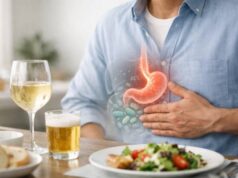
Irritable bowel syndrome (IBS) can make eating feel unpredictable: a snack that seems harmless can lead to bloating, cramps, urgency, or a full day of discomfort. Ultra-processed foods add another layer of complexity because they often combine several common IBS triggers in one convenient package—sweeteners, emulsifiers, thickeners, flavor enhancers, and highly refined carbohydrates. The goal is not to fear ingredients or eliminate convenience forever. It is to understand which additives and formulations are most likely to provoke symptoms, and how to build satisfying swaps that protect your gut without shrinking your life.
This guide will help you connect patterns between label ingredients and your symptoms, prioritize the highest-impact changes, and make practical replacements you can keep up long term—whether your IBS leans toward constipation, diarrhea, or a mix of both.
Core Points for Calmer Digestion
- Reducing ultra-processed foods often lowers “stacked triggers” like high fermentable carbs, sugar alcohols, and emulsifiers in one step.
- Many IBS flares come from dose and combination, not a single ingredient—small exposures can add up across a day.
- Evidence on specific additives varies, and individual tolerance differs; a structured trial beats blanket avoidance.
- Use a two-week swap strategy: replace one daily ultra-processed “anchor food” at a time and track symptoms.
Table of Contents
- Why ultra-processed foods can flare IBS
- Additives most often linked to symptoms
- Sweeteners and fibers that commonly backfire
- Label reading to pinpoint your personal triggers
- Better swaps for snacks, meals, and drinks
- A two-week plan and what to do if you flare
Why ultra-processed foods can flare IBS
Ultra-processed foods are not just “more processed.” They are typically engineered for intense flavor, long shelf life, and specific textures—often by combining refined starches, added sugars, fats, salt, and functional additives. For someone with IBS, that formulation matters because symptoms frequently reflect how the gut handles water movement, fermentation, motility, and sensitivity.
A useful way to think about IBS is that your gut can be reactive in multiple lanes at once. Ultra-processed foods tend to press on several lanes simultaneously:
- Osmotic load: Certain sugars and sweeteners draw water into the intestines. If your IBS includes urgency or loose stools, this can push you in the wrong direction—especially when combined with caffeine or carbonation.
- Rapid fermentation: Some fibers and bulking agents ferment quickly, producing gas. In a gut that is more sensitive to stretching, normal gas can feel like pain, pressure, or visible bloating.
- High fat and “fast delivery”: Many ultra-processed meals are high in fat and low in intact plant structure. Fat can stimulate gut contractions, and a low-structure meal can move through differently than a plate built from whole foods.
- Additives that may affect the gut barrier or microbiome: The science is still evolving, but certain emulsifiers and some non-nutritive sweeteners are being studied for their potential to shift gut bacteria and intestinal barrier function. Even when the effect is subtle, a sensitive gut may notice.
There is also a behavioral factor that rarely gets mentioned: ultra-processed foods are easy to eat quickly. Fast eating increases swallowed air and can outpace digestion, making post-meal bloating more likely. Add a busy travel day, stress, or poor sleep, and the same food can land harder than usual.
The most practical insight is this: IBS flares from ultra-processed foods are often dose-dependent and cumulative. A single protein bar may be fine, but a day that includes a bar, “sugar-free” gum, a flavored yogurt, and a packaged sauce can create a stack of polyols, added fibers, and emulsifiers. You are not failing your gut—your gut is responding to a heavy load of triggers layered together.
The aim is not perfection. The aim is to lower the trigger “pile-up” so your baseline becomes steadier, and then test specific ingredients from a calmer starting point.
Additives most often linked to symptoms
Not every additive is a problem, and many are well tolerated. But certain categories show up repeatedly in IBS food diaries because they can influence fermentation, water balance, or gut sensitivity. If you are trying to reduce symptoms without over-restricting, start with the additives that most often create noticeable reactions.
Emulsifiers and texture agents
Emulsifiers help oil and water mix and keep foods smooth. They are common in creamy dressings, ice creams, packaged baked goods, flavored nut butters, and many dairy alternatives. Some people with IBS report more bloating, discomfort, or looser stools with heavy emulsifier exposure.
Ingredients to recognize:
- Polysorbate 80
- Carboxymethylcellulose (sometimes listed as cellulose gum)
- Lecithins (often tolerated, but still worth noting if you are sensitive)
- Mono- and diglycerides
Thickeners and stabilizers can also matter, especially when combined:
- Xanthan gum
- Guar gum
- Carrageenan
- Gellan gum
These ingredients do not automatically cause symptoms. The pattern to watch is “many of them in one product,” especially in ultra-creamy items that also contain sweeteners or added fibers.
Preservatives and reactive ingredients
Some preservatives are more likely to bother certain people—not because they are inherently dangerous, but because they can irritate an already sensitive gut or because the foods they preserve are common triggers (high-fat, spicy, heavily seasoned).
Examples to note:
- Sulfites (more common in certain drinks and some preserved foods)
- Benzoates and sorbates (varied tolerance)
IBS reactions are highly individual here, so the most reliable approach is tracking: if one brand of packaged food consistently causes symptoms and another does not, the preservative blend may be part of the difference.
Flavor systems that hide complexity
Ultra-processed foods often rely on “flavor systems” that bundle multiple ingredients. You may see:
- “Natural flavors” (a broad term)
- “Spices” (also broad)
- Yeast extract (often fine, but can be intense in savory snacks)
If you have IBS plus reflux or upper-GI sensitivity, intensely flavored chips, instant noodles, and seasoning packets can provoke symptoms through spice, acidity, or fat content even when the ingredient list looks short.
A practical way to prioritize
Instead of trying to avoid everything, focus on the additives most likely to create gut effects:
- Sugar alcohols (polyols) and certain sweeteners
- Added fermentable fibers in bars, shakes, and “high fiber” snacks
- Emulsifier-heavy creamy products and processed desserts
- Highly seasoned, high-fat convenience foods
This prioritization keeps your plan realistic. You are choosing a strategy, not a food fight.
Sweeteners and fibers that commonly backfire
For IBS, the biggest “additive trap” is not always an obscure chemical—it is the combination of sweeteners and fibers used to make products taste good, feel filling, and still fit modern nutrition claims like “sugar-free,” “keto,” or “high protein.”
Sugar alcohols and polyols
Sugar alcohols are common in sugar-free candy, gums, mints, protein bars, and “no sugar added” desserts. They can draw water into the gut and are also fermented by bacteria, which can mean gas plus urgency.
Look for:
- Sorbitol
- Mannitol
- Xylitol
- Maltitol
- Isomalt
- Erythritol (often better tolerated than others, but not always)
If your IBS includes diarrhea, urgency, or unpredictable stools, these are often a high-impact place to start. For constipation-predominant IBS, they may still cause bloating and cramps even if they do not loosen stools.
Non-nutritive sweeteners
Sweeteners such as sucralose, acesulfame potassium, saccharin, and aspartame show up in diet drinks, flavored yogurts, low-calorie desserts, and protein powders. Some people tolerate them well; others notice bloating, altered stools, or a “wired gut” feeling.
A helpful mindset: do not assume the sweetener is the culprit if the product also contains added fibers, gums, or lactose. Treat the product as a package of exposures. If you suspect sweeteners, test them in a simple form (for example, a beverage with minimal other additives) rather than in a bar loaded with multiple ingredients.
Added fibers that ferment fast
Fiber can be beneficial for IBS when it is the right type and dose. The issue is that many ultra-processed foods use fibers chosen for texture, sweetness, or “net carb” math—not for gentle digestion.
Added fibers that may provoke gas and bloating in some people:
- Inulin and chicory root fiber
- Fructooligosaccharides (FOS)
- Galactooligosaccharides (GOS)
- Resistant dextrin and soluble corn fiber
- Large “fiber blends” in bars and cereals
These fibers can be especially rough when you go from low fiber to high fiber quickly. IBS symptoms often respond better to slow titration (gradually increasing fiber) than sudden jumps.
Where these ingredients hide
Common IBS trouble spots include:
- Protein bars, shakes, and powders
- “Healthy” cereals and granolas with added fibers
- Sugar-free chocolates and candies
- Low-carb tortillas and breads
- Flavored dairy and dairy alternatives with gum blends
If you only make one change, consider swapping your most frequent “health snack” first. Many people are surprised that their daily bar or shake is the biggest source of polyols and rapidly fermentable fibers.
The goal is not to avoid fiber or sweetness forever. It is to choose forms your gut can handle—and to keep the dose aligned with your current tolerance.
Label reading to pinpoint your personal triggers
If you have IBS, the most frustrating advice is “just avoid trigger foods.” A more useful plan is to learn your triggers with enough precision that you can eat confidently again. Label reading is one of the fastest ways to reduce symptom chaos—because it helps you spot patterns you cannot see from calories or macros alone.
The 20-second label scan
When you pick up a packaged food, scan in this order:
- Sweeteners: Do you see sorbitol, maltitol, xylitol, or other sugar alcohols? If yes and you are symptomatic, this is a strong red flag.
- Added fibers: Look for inulin, chicory root, FOS, GOS, soluble corn fiber, resistant dextrin, and “fiber blends.” If the serving size is small but the fiber number is high, it often means added fibers rather than intact plants.
- Emulsifiers and gums: Polysorbate 80, cellulose gum, xanthan, guar, carrageenan, and similar stabilizers can be fine—but multiple together can be a clue if creamy products consistently bother you.
- Stacking: Count how many of the above categories appear in the same product. The more categories stacked, the more likely your gut will react.
Beware of marketing labels that hide IBS triggers
“High protein,” “low sugar,” “keto,” and “high fiber” can each signal common IBS pitfalls:
- “High protein” products often contain sweeteners, gums, and lactose-containing ingredients.
- “Low sugar” can mean sugar alcohols.
- “Keto” often uses fiber additions and sugar alcohols for texture.
- “High fiber” may rely on inulin or other rapidly fermentable fibers rather than gentle sources.
How to run a clean personal experiment
To learn what truly affects you, change one variable at a time.
- Pick one symptom target (bloating, stool looseness, cramps).
- Choose one ultra-processed item you eat most days (a bar, cereal, creamer, diet soda, frozen meal).
- Swap it for a simple alternative for 10–14 days.
- Keep the rest of your routine as steady as possible: meal timing, caffeine, and sleep matter.
Track:
- Timing of symptoms (within 1–2 hours vs later that day)
- Stool form and urgency
- Bloating severity (mild, moderate, severe)
- Stress and menstrual cycle notes if relevant
If symptoms improve, you have identified a likely trigger cluster. If nothing changes, that food may not be the driver—or the swap may still contain the same additive category.
When you should not self-experiment
If you have unexplained weight loss, blood in stool, fever, persistent nighttime symptoms, or new severe symptoms, do not rely on dietary tinkering alone. These signs need medical evaluation.
For everyone else, label-based experiments can turn IBS from “random” into “predictable,” which is often the biggest relief of all.
Better swaps for snacks, meals, and drinks
Swaps work best when they are specific, satisfying, and realistic. The goal is not a perfectly unprocessed diet. It is to replace the highest-impact ultra-processed items with options that reduce additive load and common IBS triggers—without leaving you hungry or inconvenienced.
Snack swaps that reduce additive stacking
Instead of protein bars with polyols and fiber blends, consider:
- A banana or citrus fruit with a small handful of nuts (adjust portion sizes to your tolerance)
- Oats made with water or lactose-free milk, flavored with cinnamon
- Rice cakes or oat cakes with peanut butter made from simple ingredients
- Lactose-free yogurt or a simple dairy alternative with minimal additives
If you need a packaged snack, look for shorter ingredient lists and avoid sugar alcohols first. A “boring” snack that you tolerate is often more valuable than a “perfect” snack that triggers symptoms.
Breakfast swaps that set a calmer baseline
Breakfast is a common IBS tipping point because it often includes coffee, sweeteners, and fast-digesting carbs. Consider:
- Plain oatmeal topped with tolerated fruit
- Eggs with sourdough or a tolerated bread and a side of fruit
- A simple smoothie you build yourself (single fruit, lactose-free or tolerated liquid, optional oats) rather than a bottled version with gums and sweeteners
If coffee triggers you, try reducing dose before removing it entirely: smaller serving, food first, or spacing it away from an empty stomach.
Lunch and dinner swaps that still feel convenient
Ultra-processed meals often combine high fat, heavy seasoning, and multiple additives. Easy “semi-prepped” alternatives:
- Rotisserie chicken with microwavable rice and a simple vegetable you tolerate
- A quick stir-fry using plain protein, rice noodles or rice, and a simple sauce (olive oil, salt, herbs)
- Soup you make in a larger batch using basic ingredients (and freeze portions)
If sauces are your weak point, focus there: many bottled sauces contain sweeteners, gums, and concentrated seasonings. A simpler sauce can reduce symptoms without changing the entire meal.
Drink swaps for urgency and bloating
Common beverage triggers include carbonation, high caffeine, and sugar alcohols in “diet” products. Consider:
- Still water infused with citrus or cucumber
- Peppermint or ginger tea if tolerated
- Oral rehydration solutions when you have diarrhea, rather than sugary sports drinks (choose products without sugar alcohols if possible)
“Better ultra-processed” choices when life requires it
Sometimes you need packaged foods—travel, work, or limited options. In that case, choose items that avoid the biggest IBS pitfalls:
- Avoid sugar alcohols and heavy fiber blends first
- Prefer simpler starches (rice-based, oat-based) over “keto” engineered products
- Choose plain versions (plain chips over heavily seasoned)
- Keep portions moderate and avoid stacking multiple processed snacks in one sitting
A strong IBS strategy is not strictness—it is consistency with the highest-return swaps. Once your baseline improves, you can test flexibility with much more confidence.
A two-week plan and what to do if you flare
A two-week plan works because it is long enough to see patterns, but short enough to feel doable. It also avoids the “all-or-nothing” trap that makes IBS diets hard to sustain.
Days 1–3: Choose your anchor swap
Pick one daily ultra-processed “anchor” food—something you eat or drink almost every day. Common anchors:
- A protein bar or shake
- Diet soda or sweetened coffee creamer
- Packaged breakfast cereal
- Frozen meal lunches
Swap it for a simpler alternative. Keep everything else stable. This is your baseline reset.
Days 4–7: Remove the biggest additive trigger category
Now target the additive category most likely to cause IBS symptoms:
- If you have diarrhea or urgency: remove sugar alcohols and limit carbonation.
- If you have bloating and pain: reduce fiber blends and “functional” fibers (inulin, chicory root) that ferment fast.
- If creamy foods consistently bother you: trial a week with fewer emulsifier-heavy products (dressings, ice creams, creamy dairy alternatives).
You are not labeling these additives as “bad.” You are testing whether your gut responds better with a lower load.
Days 8–14: Add structure and re-check tolerance
Build simple structure:
- Eat at roughly consistent times.
- Aim for regular hydration.
- Include a gentle, steady fiber source if tolerated (often from oats, kiwi, chia in small amounts, or cooked vegetables) rather than sudden high-fiber processed products.
- Keep a symptom note each evening.
If symptoms improve, you have a clearer baseline. At that point, you can reintroduce one item to confirm the pattern—ideally in a controlled way (one serving, not multiple new foods in one day).
What to do if you flare during the plan
If a flare happens, do not throw out the experiment. Flares are information.
- Return to the last “safe” day for 24–48 hours.
- Keep meals bland but nourishing: simple starch + tolerated protein + gentle cooked vegetables.
- Avoid stacking: skip sugar-free candies, high-fiber bars, and heavy creamy sauces until symptoms settle.
- For diarrhea: prioritize hydration and electrolytes.
- For constipation: emphasize fluids, gentle movement, and consistent meal timing; avoid abruptly doubling fiber.
When to seek help
Consider medical or dietitian support if:
- Symptoms are severe or escalating
- You have frequent flares despite reasonable changes
- Restriction is affecting your nutrition, mood, or relationship with food
- You suspect multiple triggers and need a structured plan such as a short, guided low fermentable carbohydrate approach
The long-term win is not a perfect ingredient list. It is a repeatable way of eating that keeps symptoms quieter most days—and gives you a clear plan when they are not.
References
- Ultra-Processed Food Consumption and Irritable Bowel Syndrome: Current Evidence and Clinical Implications – PMC 2025 (Narrative Review)
- ACG Clinical Guideline: Management of Irritable Bowel Syndrome – PubMed 2021 (Guideline)
- Randomized Controlled-Feeding Study of Dietary Emulsifier Carboxymethylcellulose Reveals Detrimental Impacts on the Gut Microbiota and Metabolome – PMC 2022 (RCT)
- Effect of Non-Nutritive Sweeteners on the Gut Microbiota – PMC 2023 (Review)
Disclaimer
This article is for educational purposes only and does not provide medical advice, diagnosis, or treatment. IBS symptoms can overlap with other gastrointestinal conditions that require medical evaluation. Seek prompt care if you have blood in stool, unexplained weight loss, persistent fever, severe dehydration, anemia, new symptoms after age 50, or symptoms that wake you at night. If you are pregnant, managing a chronic condition, taking prescription medications, or have a history of disordered eating, consult a qualified clinician or registered dietitian before making major dietary changes.
If you found this guide helpful, consider sharing it on Facebook, X (formerly Twitter), or any platform you prefer so others can benefit.