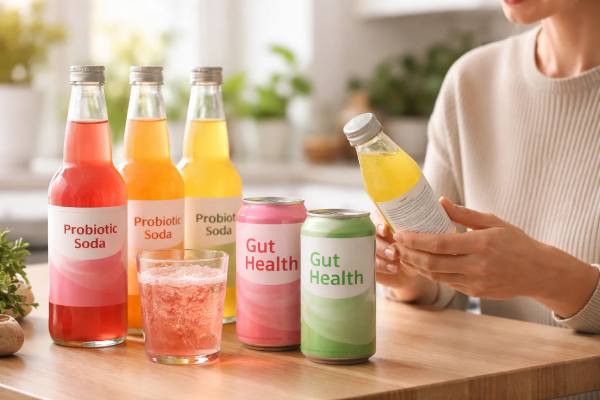
Probiotic sodas and “gut drinks” promise a simple upgrade: something fizzy and convenient that also supports digestion and the microbiome. For many people, that appeal is real—especially if the drink replaces a higher-sugar soda, helps you stay hydrated, or offers a gentler way to experiment with probiotics than capsules. But the category is messy. Some products contain live probiotic strains in meaningful amounts, others rely on prebiotic fibers, and some use heat-treated microbes or fermentation byproducts that are not the same as live probiotics.
To make an informed choice, you need to read beyond the front label and understand what the drink actually contains, how stable it is, and whether its ingredients fit your health situation. This guide breaks down the main formulas, what to look for on labels, realistic benefits, and the groups who should be cautious or avoid these drinks altogether.
Quick Overview
- A “probiotic soda” may contain live strains, prebiotic fiber, or non-living postbiotic ingredients—these are not interchangeable.
- Benefits, when they occur, tend to be modest and depend on strain, dose, and consistent use over weeks.
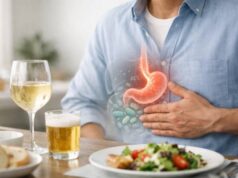
- Many gut drinks are acidic and carbonated, which can worsen reflux, bloating, or diarrhea in sensitive people.
- Avoid or get medical guidance first if you are severely immunocompromised, critically ill, or have a central line.
- Treat gut drinks as a supplement to a fiber-forward diet; start with small servings for 1–2 weeks to gauge tolerance.
Table of Contents
- What counts as a probiotic soda
- What is inside a gut drink
- How much benefit is realistic
- Viability, labels, and shelf life
- Who should avoid probiotic sodas
- Common side effects and triggers
- How to choose and use them well
What counts as a probiotic soda
“Probiotic soda” sounds specific, but it is often a marketing umbrella for several different products. The first step is distinguishing what type of “gut drink” you are actually buying, because the expected effects—and the safety considerations—depend on the formula.
1) Drinks with live probiotic strains (true probiotics)
These contain live microorganisms intended to reach the gut in meaningful amounts. Some use lactic acid bacteria (often associated with fermented foods), while others use spore-forming probiotics (commonly from Bacillus species) because spores tolerate heat, oxygen, and shipping better. The stability advantage is real, but health effects are still strain-specific.
2) Fermented “living” beverages (traditional-style)
Examples include kombucha, water kefir, and some cultured juices. These drinks may contain live microbes from fermentation, but “live” is not the same as “probiotic.” A drink can be alive and still not have strains or doses shown to produce a health benefit. Fermentation also produces acids, small amounts of alcohol in some products, and bioactive compounds that may affect symptoms even when probiotics are not clearly defined.
3) Prebiotic sodas (fiber-forward, not probiotic)
Many modern gut sodas emphasize prebiotic fibers—ingredients that feed existing gut microbes. These can support stool regularity and microbiome metabolism in some people, but they can also trigger gas and bloating if the dose is high or introduced too quickly.
4) Postbiotic drinks (non-living microbial ingredients)
Some beverages include heat-treated microbes or microbial fragments and metabolites. These can still have biological effects, but they should not be assumed to behave like live probiotics.
A practical way to read the category: probiotic sodas are not a single intervention. They are a spectrum of microbiome-adjacent drinks that range from “a supplement in a can” to “a flavored fiber drink” to “a fermented beverage with complex chemistry.” When you know which bucket a product sits in, you can set expectations and choose more safely.
What is inside a gut drink
A gut drink’s label can look clean and modern while still hiding important details. To understand what you are consuming, it helps to break the can down into functional parts.
The biotic ingredient (the headline claim)
This may be one of the following:
- Named probiotic strains (best-case clarity): ideally listed by genus, species, and strain identifier.
- A general probiotic listing (“Lactobacillus,” “Bifidobacterium,” “bacillus probiotic blend”): less informative because benefits are often strain-specific.
- A prebiotic fiber (inulin, chicory root fiber, fructooligosaccharides, resistant dextrin, partially hydrolyzed guar gum): helpful for some people, problematic for others.
- A postbiotic (heat-treated microbes or “fermentation products”): potentially useful, but you should not assume it delivers live organisms.
Acids and carbonation (often overlooked)
Most gut sodas are acidic to taste bright and stay shelf-stable. Combined with carbonation, acidity can aggravate reflux, burping, and upper-abdominal pressure. People who feel “puffed up” after sparkling drinks often notice the same issue with gut sodas, even if the ingredients are otherwise gentle.
Sweeteners and sugar substitutes
Many products reduce sugar with stevia, monk fruit, erythritol, allulose, or blends. Some people tolerate these well; others develop bloating or loose stools. Sugar alcohols are a common trigger for diarrhea in sensitive guts, especially at higher doses.
Added functional extras
You may see electrolytes, botanicals, vitamins, or minerals layered in. These can be fine, but they also increase the odds that the drink contains something your gut dislikes (for example, certain herbal extracts, high magnesium, or concentrated fruit acids). More “functional” is not always more tolerable.
Preservation and processing cues
If a drink is shelf-stable at room temperature and marketed as probiotic, it often relies on spore-formers, robust strains, or non-living ingredients. If it must be refrigerated, it may contain more delicate live cultures—though refrigeration alone does not guarantee effectiveness.
If you want one quick label habit: look for a clear statement of what the biotic is (strain or fiber type) and how much you get per serving. If the label cannot tell you those basics, treat the gut-health claim as uncertain.
How much benefit is realistic
The microbiome is responsive, but it is not easily “fixed” by a single product. With probiotic sodas and gut drinks, realistic expectations protect you from disappointment and from using a beverage as a substitute for more effective habits.
What benefits are most plausible
For many people, the biggest upside is not a dramatic microbiome makeover. It is one of these practical outcomes:
- Replacing a higher-sugar soda with a lower-sugar option, which may improve energy stability and reduce gut irritation from large sugar loads.
- Gentle support for bowel regularity when the drink contains an appropriate type and dose of prebiotic fiber.
- Short-term symptom shifts (less discomfort, better stool form) if the drink delivers a probiotic strain that fits your specific issue and you use it consistently.
What is less likely
Be cautious with broad promises like “detox,” “reset,” “heals the gut,” or “balances hormones.” Even in strong probiotic research, benefits are typically specific and modest, and they do not apply to everyone. Many probiotics do not permanently colonize; they act while you are taking them. That means effects, if they occur, tend to fade when you stop.
The strain and goal mismatch problem
A common reason people feel “nothing” is that they are consuming a strain chosen for shelf stability, not for their symptom pattern. Another reason is dose: some drinks contain an impressive number on the label but require daily intake for weeks to see change. If you only have one can occasionally, you may never reach an exposure that makes a measurable difference.
How to evaluate benefit without overthinking it
Pick one or two outcomes you can actually track:
- Stool frequency or stool consistency
- Bloating score (0–10) at the end of the day
- Reflux frequency
- Abdominal pain episodes
If a drink is going to help, many people notice a change within 2–4 weeks of consistent use, assuming the drink is a good match and not creating new triggers. If you feel worse, that is still useful data—often pointing to the fiber type, sweetener, acidity, or carbonation rather than the concept of “probiotics” itself.
The most honest way to frame gut drinks: they can be a supportive tool, especially for substitution and gentle consistency, but they are rarely a primary solution. Foundations—fiber variety, meal regularity, sleep, and stress management—usually have a larger influence on gut comfort over time.
Viability, labels, and shelf life
Even when a gut drink contains a probiotic strain, the next question is whether that organism is still viable when you drink it. With beverages, survival depends on processing, storage, and the drink’s own chemistry.
Why beverages are tricky carriers
Live microbes face a hostile environment in many drinks: low pH (acidic), oxygen exposure, and time. Refrigeration helps, but it does not eliminate viability loss. Shelf-stable products solve this in different ways:
- Spore-forming strains that tolerate stress and may “activate” later in the gut.
- Very robust strains designed for acidic conditions.
- Postbiotic approaches where live viability is not required.
Label details that matter
If you want a drink for probiotic effects, look for:
- Strain identification (not only a genus name)
- CFU per serving
- Whether CFU is listed at end of shelf life (more meaningful) or only at time of manufacture (less reliable)
- Storage instructions that match the claim (refrigerated products should stay cold; shelf-stable products should still have a best-by date and handling guidance)
A common misunderstanding: “refrigerated” does not equal “effective”
Some refrigerated drinks contain live cultures used for flavor or fermentation, without evidence they confer a health benefit at the dose provided. Others are well-formulated probiotics. The difference is rarely visible on the front label; it is usually visible in the strain and CFU details.
What about the stomach—will anything survive?
The digestive tract is selective. Acid, bile, and digestive enzymes reduce survival for many organisms. This is one reason certain strains and delivery systems perform better in studies than others. It is also why some products use encapsulation or spore-formers. Still, survival is not a guarantee of benefit. The organism must reach the gut and do something useful there.
A practical interpretation
If a brand is serious about probiotic function, it tends to be transparent: strain names, meaningful CFU, and clear storage guidance. If the label stays vague, you are often paying for a health halo. That does not mean the drink is “bad”—only that you should treat it as a flavored beverage with uncertain microbiome impact.
When in doubt, use the most conservative assumption: if you cannot confirm strain and dose, enjoy it for taste and substitution value, not as a clinical-grade gut intervention.
Who should avoid probiotic sodas
Most healthy people can try gut drinks with relatively low risk, especially when they are food-like products from reputable manufacturers. The caution is not because probiotics are inherently dangerous—it is because, in certain medical situations, even small risks matter more.
Avoid or seek medical guidance first if you are in a high-risk group
These situations warrant extra caution with live-microbe products (including probiotic beverages and some fermented drinks):
- Severe immunosuppression (for example, intensive chemotherapy, profound neutropenia, certain transplant regimens, advanced immune deficiency)
- Critical illness or recent major surgery, especially with complications
- Central venous catheter or implanted vascular access, where bloodstream infection risk is higher
- Severe pancreatitis or complex gastrointestinal conditions with compromised gut barrier
- History of recurrent bloodstream infections or endocarditis risk factors, where your clinician has advised caution
In these settings, the decision is not automatically “never,” but it should be intentional and clinician-informed.
People who may want to avoid certain gut drinks even if they are otherwise healthy
- Those with significant reflux or gastritis symptoms: carbonated, acidic drinks can worsen burning and regurgitation.
- People prone to diarrhea: prebiotic fibers, sugar alcohols, and carbonation can accelerate transit.
- People with highly sensitive IBS patterns: some fibers and sweeteners are common triggers, even when “natural.”
- Those who react to histamine-related foods: some fermented beverages can be symptom triggers, depending on individual sensitivity and product composition.
- Anyone with a history of disordered eating: “gut health” marketing can intensify food anxiety; a neutral plan may be safer than daily functional-drink rules.
Pregnancy and children
Many fermented foods are routinely consumed during pregnancy, and many probiotics have reassuring safety records in general populations. Still, pregnancy is not the moment for aggressive experimentation with high doses of unfamiliar strains, especially if you have complications. For infants and medically fragile children, probiotic decisions should be clinician-guided.
If you are unsure where you fall, use a simple rule: if your immune system is medically compromised or your gut barrier is medically fragile, treat probiotic beverages like a supplement, not like a casual soda. Safety should be the priority.
Common side effects and triggers
Many people stop gut drinks not because they “don’t work,” but because they create new symptoms. The good news is that side effects are often predictable once you know the usual triggers.
Gas, bloating, and abdominal pressure
Common causes include:
- Prebiotic fibers introduced too quickly or at too high a dose
- Carbonation, which increases belching and a sense of fullness
- Certain sweeteners, especially sugar alcohols, which can ferment and pull water into the gut
If you feel worse within hours of drinking one, the fiber and sweetener profile is often the main suspect—not the concept of probiotics.
Loose stools or urgency
This can happen when:
- The drink contains sugar alcohols or high doses of certain fibers
- You are already prone to rapid transit (stress, travel, high caffeine intake, menstruation-related shifts)
- You drink it on an empty stomach
For diarrhea-prone people, a lower-fiber version or a smaller serving is usually a better first step.
Reflux and throat symptoms
Acidic, carbonated drinks can aggravate reflux. Some gut sodas also include citrus, ginger, or botanical blends that are perfectly safe but irritating for some people. If reflux is your main issue, a non-carbonated probiotic food or a capsule (if appropriate) may be easier to tolerate than a sparkling drink.
Headaches or “wired” feelings
Some functional beverages layer in caffeine, tea extracts, or large doses of B vitamins. Even when those ingredients are not dangerous, they can be uncomfortable if you are sensitive or if you drink them late in the day.
Dental considerations
Frequent acidic sipping can contribute to enamel stress over time. This is not unique to gut drinks—it applies to most acidic beverages. If you use them regularly, consider drinking them with meals, not grazing all day.
A simple way to reduce side effects is to change how you drink them: smaller servings, slower intake, with food, and not as a daily all-at-once “gut reset.” Most tolerance improves when you treat these drinks as concentrated ingredients rather than free-flowing hydration.
How to choose and use them well
If you want to try probiotic sodas or gut drinks without wasting money or upsetting your gut, use a structured approach. Think of it as a short, low-stakes experiment.
Step 1: Match the drink to your goal
- If your goal is substitution (less sugar than soda), focus on taste, sugar content, and whether the sweeteners agree with you.
- If your goal is regularity, look for a clearly stated prebiotic fiber type and amount and start small.
- If your goal is probiotic effects, look for strain identification and CFU per serving.
Step 2: Start low and go slow
For the first week, consider half a serving (or a few ounces) every other day. If you tolerate it, increase gradually. This is especially important for fiber-containing drinks, where jumping to a full dose can cause avoidable gas and cramping.
Step 3: Give it a fair window
If the product is a good match, many people can judge tolerance within days, but benefit—if it occurs—often takes 2–4 weeks of consistent use. Avoid testing multiple new gut drinks at once; you will not know which ingredient is helping or harming.
Step 4: Use smart timing
- Drink it with meals if you are reflux-prone or if sweeteners upset your stomach.
- Avoid late-day functional drinks with stimulants if sleep is an issue.
- If you are using a probiotic beverage alongside antibiotics, separate timing so the drink is not immediately “washed out,” and prioritize medical guidance in high-risk situations.
Step 5: Keep the basics doing the heavy lifting
Gut drinks work best as a small add-on to a supportive diet pattern. Two habits outperform most “functional” beverages over time:
- Fiber variety (a wider range of plant foods each week)
- Regular meals and hydration (which influence motility and symptom swings)
If you find a gut drink you enjoy and tolerate, it can be a helpful part of your routine. Just keep it in its proper role: an optional tool, not a requirement for gut health.
References
- The International Scientific Association of Probiotics and Prebiotics (ISAPP) consensus statement on the definition and scope of postbiotics 2021 (Consensus Statement)
- Emerging issues in probiotic safety: 2023 perspectives 2023 (Review)
- Progress in Probiotic Science: Prospects of Functional Probiotic-Based Foods and Beverages 2025 (Review)
- Probiotics – Health Professional Fact Sheet 2025 (Government Resource)
Disclaimer
This article is for educational purposes only and does not provide medical advice. Probiotic beverages, fermented drinks, and fiber-fortified “gut sodas” can affect people differently and are not appropriate for every health situation. If you are immunocompromised, critically ill, pregnant with medical complications, have a central venous catheter, or have persistent digestive symptoms such as blood in stool, unexplained weight loss, fever, dehydration, or severe abdominal pain, consult a qualified healthcare professional before using probiotic products regularly.
If you found this article helpful, please consider sharing it on Facebook, X (formerly Twitter), or any platform you prefer.