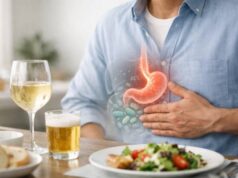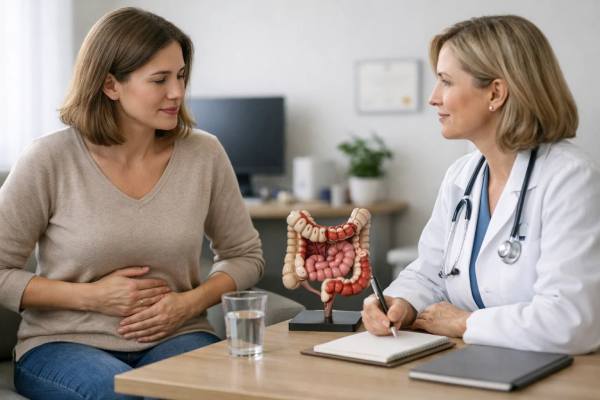
Food poisoning can feel like a short, intense storm: a day or two of cramps, diarrhea, and fatigue, followed by the relief of “getting back to normal.” But for some people, the gut does not fully reset. Weeks later, meals may trigger urgency, the abdomen may stay tender, and bowel habits may swing without warning. This pattern is often called post-infectious irritable bowel syndrome (post-infectious IBS, or PI-IBS). It is a form of IBS that begins after an episode of infectious gastroenteritis, when the infection is gone but the digestive system remains overly reactive.
Understanding PI-IBS matters because it is common, disruptive, and often treatable with a targeted plan. When you know what is typical, what is not, and what steps actually move the needle, you can reduce uncertainty and make steady progress.
Essential Insights
- PI-IBS often reflects a “sensitized” gut after infection, not an ongoing infection.
- Symptoms typically cluster around abdominal pain, urgency, and stool changes that persist beyond the usual recovery window.
- Red flags (blood in stool, fever, weight loss, anemia, nighttime symptoms) warrant medical evaluation rather than self-treatment.
- A structured 2–4 week plan (meal timing, soluble fiber, and one targeted therapy) is usually more effective than trying many changes at once.
Table of Contents
- What post-infectious IBS really means
- Symptoms that separate PI-IBS from recovery
- How long PI-IBS lasts and why
- Risk factors and early damage control
- Tests and red flags to not miss
- Treatment plan that matches your pattern
What post-infectious IBS really means
Post-infectious IBS (PI-IBS) is IBS that starts after an episode of infectious gastroenteritis—often described as food poisoning, traveler’s diarrhea, or a “stomach bug.” The key idea is timing: you had a clear infection first (typically diarrhea and sometimes fever or vomiting), and then you developed ongoing IBS-type symptoms afterward.
How PI-IBS differs from a slow recovery
Many people have a “soft landing” after gastroenteritis: appetite returns in steps, stools may be loose for a week or two, and the gut feels slightly fragile. PI-IBS becomes more likely when symptoms persist beyond the expected recovery window and take on an IBS pattern—recurrent abdominal pain tied to bowel movements, plus a consistent change in stool form or frequency.
A useful mental model is that the infection can flip several switches at once:
- Nerve sensitivity increases. The gut becomes more reactive to stretching and movement, so normal gas or a normal meal can feel painful.
- Motility becomes less predictable. Transit may speed up (urgency and diarrhea), slow down (constipation), or alternate.
- Barrier and immune signals stay “on.” Even after the pathogen clears, low-grade inflammation and permeability changes can persist in some people.
- Microbial balance shifts. After diarrhea (and sometimes antibiotics), the microbiome may temporarily lose diversity or change in function, altering fermentation and gas patterns.
Why the label can be helpful
PI-IBS is not a moral judgment and it is not “all in your head.” It is a practical diagnosis that:
- explains why symptoms can feel intense despite normal standard tests,
- supports a plan that targets gut sensitivity and motility (not repeated infection treatment),
- and helps you watch for the few situations where symptoms mean something else.
A final nuance: PI-IBS can overlap with other post-infection problems (like temporary lactose intolerance, bile acid diarrhea, or lingering gut inflammation). The best care keeps PI-IBS on the table while still checking for treatable lookalikes when the story does not fit.
Symptoms that separate PI-IBS from recovery
PI-IBS symptoms tend to cluster in a recognizable pattern. People often describe feeling “fine between meals” or “fine until I eat,” followed by urgency, cramping, or a sudden change in stool. Others notice a daily rhythm—mornings are the worst, or symptoms flare during stress even when food seems unchanged.
The most common symptom profile
PI-IBS often presents as diarrhea-predominant IBS (IBS-D) or mixed IBS (IBS-M). Common features include:
- Recurrent abdominal pain or cramping that improves after a bowel movement (not always completely, but noticeably).
- Urgency—the feeling that you must find a bathroom quickly.
- Loose stools (often Bristol types 6–7) or alternating loose and hard stools.
- Bloating and gas that feels out of proportion to what you ate.
- A “sensitive gut” response to foods that never used to be a problem, especially higher-fat meals, very large meals, and highly fermentable foods.
Clues that point to PI-IBS specifically
The “post-infectious” pattern has a few tells:
- A clear start date. Symptoms begin after an identifiable infection, rather than slowly over years.
- A heightened gastrocolic response. The normal reflex that moves the colon after eating can become exaggerated. That can look like needing the bathroom within 5–30 minutes after meals.
- Food fear and anticipatory symptoms. After weeks of urgency, your nervous system may start to brace before meals or before leaving home. This is common and treatable, but it can intensify symptoms if it becomes a daily loop.
Symptoms that should change the plan
Some complaints sound like PI-IBS but suggest a different driver:
- Greasy, oily, floating stools or difficult-to-flush stools can point toward fat malabsorption.
- Watery diarrhea that is frequent and persistent, especially with nocturnal episodes, can fit bile acid diarrhea, microscopic colitis, or infection persistence.
- Symptoms that worsen steadily instead of fluctuating deserve closer evaluation.
It helps to track three simple data points for 10–14 days: stool form (Bristol type), urgency (none, mild, severe), and pain (0–10). This creates a pattern you can treat, rather than a blur of “good and bad days.”
How long PI-IBS lasts and why
The hardest part of PI-IBS is uncertainty. People often ask, “Is this permanent?” The honest answer is that recovery timelines vary—but most cases improve, and many resolve.
A realistic timeline
Think in phases rather than a single deadline:
- 0–4 weeks after infection: The gut is recovering. Loose stools, mild cramps, and food sensitivity can still be “normal recovery,” especially after severe diarrhea.
- 1–3 months: If symptoms remain frequent—especially pain plus stool changes—PI-IBS becomes more likely. This is the window where early, structured management can prevent a long drift.
- 3–12 months: Many people improve gradually, with longer stretches of normal stools and fewer urgent episodes. Progress often looks uneven: two steps forward, one step back.
- Beyond 12 months: A subset continue to have persistent IBS symptoms, but even long-standing PI-IBS can improve with the right combination of diet strategy, symptom-targeted therapy, and nervous-system support.
Why symptoms can linger after the infection is gone
Several mechanisms can keep the gut “turned up”:
- Visceral hypersensitivity: The nerves in the gut send stronger signals to the brain for the same level of stimulation.
- Motility changes: The coordination of intestinal contractions may remain altered, leading to urgency or incomplete emptying.
- Post-infection immune activation: Low-grade inflammation can persist, especially after more severe infections.
- Microbial function shifts: Even if the microbiome “looks normal” over time, its fermentation patterns may change, influencing gas, bloating, and stool water content.
- Learned gut-brain patterns: After repeated urgent episodes, the brain starts to predict danger around meals, travel, or stress. That prediction alone can speed transit and tighten abdominal muscles, amplifying symptoms.
What recovery usually looks like
Recovery often shows up first as less urgency rather than perfect stools. Many people notice they can wait longer after the first urge, or that the “panic” feeling fades. Next, pain decreases, and stools become more formed. Last, food tolerance widens.
A helpful goal is not “zero symptoms,” but “predictable symptoms.” Once you can predict flares, you can prevent many of them—and prevention is what tends to shorten the overall course.
Risk factors and early damage control
Not everyone who gets food poisoning develops PI-IBS. Risk is shaped by the infection itself and the host (your body’s response, baseline gut sensitivity, and stress physiology). Knowing the risk factors helps you avoid preventable pitfalls, especially in the first weeks after gastroenteritis.
Factors that raise risk
The strongest predictors tend to relate to infection severity:
- Longer duration of diarrhea, especially if it lasts more than a week.
- High symptom burden, such as fever, significant abdominal pain, dehydration, or weight loss during the acute illness.
- Blood in stool during the infection (even if it later resolves).
- Antibiotic exposure (when not clearly needed), which can shift the microbiome and sometimes prolong diarrhea.
- High stress, anxiety, or sleep disruption around the illness—partly because stress hormones affect motility and gut sensitivity.
Other contributors include a history of functional gut symptoms, a tendency toward motion sensitivity (nausea with stress or travel), and major life stressors during recovery.
Early damage control you can actually do
If you are still in the recovery window (first 2–6 weeks), small choices can matter:
- Rebuild gently, not restrict aggressively. Extreme restriction can reduce calorie intake and increase anxiety around eating. Instead, use a “low irritation” menu for a short period: simple proteins, cooked starches, soups, bananas, oats, yogurt if tolerated, and cooked vegetables.
- Avoid repeated “reset” attempts. Rotating multiple supplements, cleanses, or harsh laxatives/antidiarrheals can keep the gut unstable. Pick one main strategy for 2 weeks and track results.
- Hydrate with intention. If stools are loose, include electrolytes. A practical cue: aim for pale yellow urine most of the day.
- Protect sleep. Even a few nights of poor sleep can increase visceral sensitivity and pain perception.
- Move daily, lightly. A 10–20 minute walk after meals can improve motility coordination and reduce bloating without stressing the system.
What to avoid in the “fragile gut” phase
- heavy alcohol intake,
- very high-fat meals,
- large boluses of caffeine,
- and unnecessary antibiotics or anti-inflammatory medications unless advised.
The goal is not perfection. It is to reduce repeated jolts to a gut that is trying to recalibrate.
Tests and red flags to not miss
PI-IBS is a diagnosis made from a consistent history and symptom pattern, supported by the absence of warning signs. You do not need exhaustive testing, but you do need the right testing when the story suggests another condition.
Red flags that need medical assessment
Seek prompt evaluation if you have any of the following:
- blood in the stool that persists or recurs,
- fever, chills, or signs of systemic infection,
- unintentional weight loss,
- anemia or unusual fatigue,
- symptoms that wake you from sleep (especially diarrhea),
- a strong family history of inflammatory bowel disease, celiac disease, or colorectal cancer,
- or new symptoms starting after age 50.
These signs do not automatically mean something dangerous, but they change the “assume IBS” approach.
Common lookalikes after food poisoning
Several conditions can follow gastroenteritis and mimic PI-IBS:
- Persistent infection, especially Giardia or other parasites (more likely after travel, camping, or contaminated water).
- Temporary lactose intolerance due to injury of the small-intestinal lining.
- Bile acid diarrhea, which can cause urgent watery stools, often soon after meals.
- Microscopic colitis, especially in older adults or those with frequent watery diarrhea.
- Inflammatory bowel disease, particularly if there is blood, nocturnal symptoms, or elevated inflammation markers.
- Celiac disease, which can become more noticeable after a gut insult.
What an efficient evaluation often includes
Depending on your symptoms and risk factors, a clinician may recommend:
- basic bloodwork (to screen for anemia, inflammation, thyroid issues),
- celiac screening if diarrhea or mixed symptoms are present,
- stool tests if infection persistence is plausible (culture, ova and parasites, or pathogen PCR),
- and sometimes fecal inflammation markers to help distinguish IBS from inflammatory conditions.
If diarrhea is the dominant issue and is persistent, discussing bile acid diarrhea testing—or a therapeutic trial under medical guidance—can be worthwhile.
A good evaluation should leave you with two outcomes: confidence that red flags are addressed and a clear treatment direction for the pattern you actually have.
Treatment plan that matches your pattern
PI-IBS responds best to a plan that matches the dominant pattern—urgency and diarrhea, constipation and incomplete emptying, or mixed symptoms—while also addressing gut sensitivity. The most effective approach is usually layered, but not complicated.
Step 1: stabilize the basics for 2 weeks
Start with foundations that reduce volatility:
- Regular meal timing (3 meals, optional snack; avoid large late-night meals).
- Moderate fat per meal. High-fat meals often amplify urgency.
- Soluble fiber (not bran). Options include psyllium or partially hydrolyzed guar gum. Start low (for example, a small daily dose) and increase every 4–7 days as tolerated.
- A simple symptom diary (stool form, urgency, pain). This helps you measure progress.
Step 2: choose one targeted strategy
Pick the option that best fits your main symptoms:
- For urgency and diarrhea: loperamide as needed for predictable triggers (travel, meetings), peppermint oil for cramping, and discussion of bile acid binders if watery diarrhea is frequent and urgent.
- For bloating and gas: a short, structured low-FODMAP trial (typically 2–4 weeks) followed by systematic reintroduction, rather than long-term avoidance.
- For pain and gut sensitivity: antispasmodics, peppermint oil, and gut-directed behavioral approaches (like CBT for IBS or gut-directed hypnotherapy) can reduce the “alarm response” that keeps symptoms looping.
- For mixed patterns: focus on fiber, meal rhythm, and stress-sleep support first, then add a medication based on which direction (diarrhea or constipation) is most disruptive.
Step 3: consider microbiome and post-infection tools
Some people benefit from therapies aimed at microbial function, especially when bloating and diarrhea are prominent. Options may include specific probiotics (strain matters), or a non-absorbed antibiotic under medical guidance in selected cases. The key is to avoid stacking multiple microbiome products at once; otherwise you cannot tell what helped.
When to expect meaningful change
- Urgency can improve within 1–3 weeks with the right stabilizers.
- Pain and sensitivity often take 4–8 weeks of consistent work.
- Food tolerance typically expands after symptoms become more predictable.
If you have made a clean, consistent effort for 4 weeks with no improvement, that is not a personal failure—it is a signal to reassess the diagnosis, the dominant driver (bile acids, inflammation, persistent infection), or the treatment match.
References
- Prevalence of irritable bowel syndrome and functional dyspepsia after acute gastroenteritis: systematic review and meta-analysis – PubMed 2024 (Systematic Review and Meta-Analysis)
- Postinfection Irritable Bowel Syndrome – PMC 2022 (Review)
- Post-infection Irritable Bowel Syndrome – PMC 2021 (Review)
- ACG Clinical Guideline: Management of Irritable Bowel Syndrome – PubMed 2021 (Guideline)
- Emerging role of the gut microbiome in post-infectious irritable bowel syndrome: A literature review – PMC 2023 (Review)
Disclaimer
This article is for general educational purposes and is not a substitute for personalized medical advice, diagnosis, or treatment. Digestive symptoms after food poisoning can overlap with conditions that require specific testing or prescription therapy. If you have blood in your stool, fever, unintentional weight loss, anemia, nighttime diarrhea, severe dehydration, or symptoms that are worsening rather than fluctuating, seek prompt evaluation from a qualified clinician. If you have persistent symptoms, work with a healthcare professional to confirm the diagnosis and choose a treatment plan that fits your symptom pattern, medical history, and current medications.
If you found this article helpful, consider sharing it on Facebook, X (formerly Twitter), or any platform you prefer so others can benefit from it too.
Post-Infectious IBS: Symptoms After Food Poisoning and How Long It Lasts
Food poisoning can feel like a short, intense storm: a day or two of cramps, diarrhea, and fatigue, followed by the relief of “getting back to normal.” But for some people, the gut does not fully reset. Weeks later, meals may trigger urgency, the abdomen may stay tender, and bowel habits may swing without warning. This pattern is often called post-infectious irritable bowel syndrome (post-infectious IBS, or PI-IBS). It is a form of IBS that begins after an episode of infectious gastroenteritis, when the infection is gone but the digestive system remains overly reactive.
Understanding PI-IBS matters because it is common, disruptive, and often treatable with a targeted plan. When you know what is typical, what is not, and what steps actually move the needle, you can reduce uncertainty and make steady progress.
Essential Insights
- PI-IBS often reflects a “sensitized” gut after infection, not an ongoing infection.
- Symptoms typically cluster around abdominal pain, urgency, and stool changes that persist beyond the usual recovery window.
- Red flags (blood in stool, fever, weight loss, anemia, nighttime symptoms) warrant medical evaluation rather than self-treatment.
- A structured 2–4 week plan (meal timing, soluble fiber, and one targeted therapy) is usually more effective than trying many changes at once.
Table of Contents
- What post-infectious IBS really means
- Symptoms that separate PI-IBS from recovery
- How long PI-IBS lasts and why
- Risk factors and early damage control
- Tests and red flags to not miss
- Treatment plan that matches your pattern
What post-infectious IBS really means
Post-infectious IBS (PI-IBS) is IBS that starts after an episode of infectious gastroenteritis—often described as food poisoning, traveler’s diarrhea, or a “stomach bug.” The key idea is timing: you had a clear infection first (typically diarrhea and sometimes fever or vomiting), and then you developed ongoing IBS-type symptoms afterward.
How PI-IBS differs from a slow recovery
Many people have a “soft landing” after gastroenteritis: appetite returns in steps, stools may be loose for a week or two, and the gut feels slightly fragile. PI-IBS becomes more likely when symptoms persist beyond the expected recovery window and take on an IBS pattern—recurrent abdominal pain tied to bowel movements, plus a consistent change in stool form or frequency.
A useful mental model is that the infection can flip several switches at once:
- Nerve sensitivity increases. The gut becomes more reactive to stretching and movement, so normal gas or a normal meal can feel painful.
- Motility becomes less predictable. Transit may speed up (urgency and diarrhea), slow down (constipation), or alternate.
- Barrier and immune signals stay “on.” Even after the pathogen clears, low-grade inflammation and permeability changes can persist in some people.
- Microbial balance shifts. After diarrhea (and sometimes antibiotics), the microbiome may temporarily lose diversity or change in function, altering fermentation and gas patterns.
Why the label can be helpful
PI-IBS is not a moral judgment and it is not “all in your head.” It is a practical diagnosis that:
- explains why symptoms can feel intense despite normal standard tests,
- supports a plan that targets gut sensitivity and motility (not repeated infection treatment),
- and helps you watch for the few situations where symptoms mean something else.
A final nuance: PI-IBS can overlap with other post-infection problems (like temporary lactose intolerance, bile acid diarrhea, or lingering gut inflammation). The best care keeps PI-IBS on the table while still checking for treatable lookalikes when the story does not fit.
Symptoms that separate PI-IBS from recovery
PI-IBS symptoms tend to cluster in a recognizable pattern. People often describe feeling “fine between meals” or “fine until I eat,” followed by urgency, cramping, or a sudden change in stool. Others notice a daily rhythm—mornings are the worst, or symptoms flare during stress even when food seems unchanged.
The most common symptom profile
PI-IBS often presents as diarrhea-predominant IBS (IBS-D) or mixed IBS (IBS-M). Common features include:
- Recurrent abdominal pain or cramping that improves after a bowel movement (not always completely, but noticeably).
- Urgency—the feeling that you must find a bathroom quickly.
- Loose stools (often Bristol types 6–7) or alternating loose and hard stools.
- Bloating and gas that feels out of proportion to what you ate.
- A “sensitive gut” response to foods that never used to be a problem, especially higher-fat meals, very large meals, and highly fermentable foods.
Clues that point to PI-IBS specifically
The “post-infectious” pattern has a few tells:
- A clear start date. Symptoms begin after an identifiable infection, rather than slowly over years.
- A heightened gastrocolic response. The normal reflex that moves the colon after eating can become exaggerated. That can look like needing the bathroom within 5–30 minutes after meals.
- Food fear and anticipatory symptoms. After weeks of urgency, your nervous system may start to brace before meals or before leaving home. This is common and treatable, but it can intensify symptoms if it becomes a daily loop.
Symptoms that should change the plan
Some complaints sound like PI-IBS but suggest a different driver:
- Greasy, oily, floating stools or difficult-to-flush stools can point toward fat malabsorption.
- Watery diarrhea that is frequent and persistent, especially with nocturnal episodes, can fit bile acid diarrhea, microscopic colitis, or infection persistence.
- Symptoms that worsen steadily instead of fluctuating deserve closer evaluation.
It helps to track three simple data points for 10–14 days: stool form (Bristol type), urgency (none, mild, severe), and pain (0–10). This creates a pattern you can treat, rather than a blur of “good and bad days.”
How long PI-IBS lasts and why
The hardest part of PI-IBS is uncertainty. People often ask, “Is this permanent?” The honest answer is that recovery timelines vary—but most cases improve, and many resolve.
A realistic timeline
Think in phases rather than a single deadline:
- 0–4 weeks after infection: The gut is recovering. Loose stools, mild cramps, and food sensitivity can still be “normal recovery,” especially after severe diarrhea.
- 1–3 months: If symptoms remain frequent—especially pain plus stool changes—PI-IBS becomes more likely. This is the window where early, structured management can prevent a long drift.
- 3–12 months: Many people improve gradually, with longer stretches of normal stools and fewer urgent episodes. Progress often looks uneven: two steps forward, one step back.
- Beyond 12 months: A subset continue to have persistent IBS symptoms, but even long-standing PI-IBS can improve with the right combination of diet strategy, symptom-targeted therapy, and nervous-system support.
Why symptoms can linger after the infection is gone
Several mechanisms can keep the gut “turned up”:
- Visceral hypersensitivity: The nerves in the gut send stronger signals to the brain for the same level of stimulation.
- Motility changes: The coordination of intestinal contractions may remain altered, leading to urgency or incomplete emptying.
- Post-infection immune activation: Low-grade inflammation can persist, especially after more severe infections.
- Microbial function shifts: Even if the microbiome “looks normal” over time, its fermentation patterns may change, influencing gas, bloating, and stool water content.
- Learned gut-brain patterns: After repeated urgent episodes, the brain starts to predict danger around meals, travel, or stress. That prediction alone can speed transit and tighten abdominal muscles, amplifying symptoms.
What recovery usually looks like
Recovery often shows up first as less urgency rather than perfect stools. Many people notice they can wait longer after the first urge, or that the “panic” feeling fades. Next, pain decreases, and stools become more formed. Last, food tolerance widens.
A helpful goal is not “zero symptoms,” but “predictable symptoms.” Once you can predict flares, you can prevent many of them—and prevention is what tends to shorten the overall course.
Risk factors and early damage control
Not everyone who gets food poisoning develops PI-IBS. Risk is shaped by the infection itself and the host (your body’s response, baseline gut sensitivity, and stress physiology). Knowing the risk factors helps you avoid preventable pitfalls, especially in the first weeks after gastroenteritis.
Factors that raise risk
The strongest predictors tend to relate to infection severity:
- Longer duration of diarrhea, especially if it lasts more than a week.
- High symptom burden, such as fever, significant abdominal pain, dehydration, or weight loss during the acute illness.
- Blood in stool during the infection (even if it later resolves).
- Antibiotic exposure (when not clearly needed), which can shift the microbiome and sometimes prolong diarrhea.
- High stress, anxiety, or sleep disruption around the illness—partly because stress hormones affect motility and gut sensitivity.
Other contributors include a history of functional gut symptoms, a tendency toward motion sensitivity (nausea with stress or travel), and major life stressors during recovery.
Early damage control you can actually do
If you are still in the recovery window (first 2–6 weeks), small choices can matter:
- Rebuild gently, not restrict aggressively. Extreme restriction can reduce calorie intake and increase anxiety around eating. Instead, use a “low irritation” menu for a short period: simple proteins, cooked starches, soups, bananas, oats, yogurt if tolerated, and cooked vegetables.
- Avoid repeated “reset” attempts. Rotating multiple supplements, cleanses, or harsh laxatives/antidiarrheals can keep the gut unstable. Pick one main strategy for 2 weeks and track results.
- Hydrate with intention. If stools are loose, include electrolytes. A practical cue: aim for pale yellow urine most of the day.
- Protect sleep. Even a few nights of poor sleep can increase visceral sensitivity and pain perception.
- Move daily, lightly. A 10–20 minute walk after meals can improve motility coordination and reduce bloating without stressing the system.
What to avoid in the “fragile gut” phase
- heavy alcohol intake,
- very high-fat meals,
- large boluses of caffeine,
- and unnecessary antibiotics or anti-inflammatory medications unless advised.
The goal is not perfection. It is to reduce repeated jolts to a gut that is trying to recalibrate.
Tests and red flags to not miss
PI-IBS is a diagnosis made from a consistent history and symptom pattern, supported by the absence of warning signs. You do not need exhaustive testing, but you do need the right testing when the story suggests another condition.
Red flags that need medical assessment
Seek prompt evaluation if you have any of the following:
- blood in the stool that persists or recurs,
- fever, chills, or signs of systemic infection,
- unintentional weight loss,
- anemia or unusual fatigue,
- symptoms that wake you from sleep (especially diarrhea),
- a strong family history of inflammatory bowel disease, celiac disease, or colorectal cancer,
- or new symptoms starting after age 50.
These signs do not automatically mean something dangerous, but they change the “assume IBS” approach.
Common lookalikes after food poisoning
Several conditions can follow gastroenteritis and mimic PI-IBS:
- Persistent infection, especially Giardia or other parasites (more likely after travel, camping, or contaminated water).
- Temporary lactose intolerance due to injury of the small-intestinal lining.
- Bile acid diarrhea, which can cause urgent watery stools, often soon after meals.
- Microscopic colitis, especially in older adults or those with frequent watery diarrhea.
- Inflammatory bowel disease, particularly if there is blood, nocturnal symptoms, or elevated inflammation markers.
- Celiac disease, which can become more noticeable after a gut insult.
What an efficient evaluation often includes
Depending on your symptoms and risk factors, a clinician may recommend:
- basic bloodwork (to screen for anemia, inflammation, thyroid issues),
- celiac screening if diarrhea or mixed symptoms are present,
- stool tests if infection persistence is plausible (culture, ova and parasites, or pathogen PCR),
- and sometimes fecal inflammation markers to help distinguish IBS from inflammatory conditions.
If diarrhea is the dominant issue and is persistent, discussing bile acid diarrhea testing—or a therapeutic trial under medical guidance—can be worthwhile.
A good evaluation should leave you with two outcomes: confidence that red flags are addressed and a clear treatment direction for the pattern you actually have.
Treatment plan that matches your pattern
PI-IBS responds best to a plan that matches the dominant pattern—urgency and diarrhea, constipation and incomplete emptying, or mixed symptoms—while also addressing gut sensitivity. The most effective approach is usually layered, but not complicated.
Step 1: stabilize the basics for 2 weeks
Start with foundations that reduce volatility:
- Regular meal timing (3 meals, optional snack; avoid large late-night meals).
- Moderate fat per meal. High-fat meals often amplify urgency.
- Soluble fiber (not bran). Options include psyllium or partially hydrolyzed guar gum. Start low (for example, a small daily dose) and increase every 4–7 days as tolerated.
- A simple symptom diary (stool form, urgency, pain). This helps you measure progress.
Step 2: choose one targeted strategy
Pick the option that best fits your main symptoms:
- For urgency and diarrhea: loperamide as needed for predictable triggers (travel, meetings), peppermint oil for cramping, and discussion of bile acid binders if watery diarrhea is frequent and urgent.
- For bloating and gas: a short, structured low-FODMAP trial (typically 2–4 weeks) followed by systematic reintroduction, rather than long-term avoidance.
- For pain and gut sensitivity: antispasmodics, peppermint oil, and gut-directed behavioral approaches (like CBT for IBS or gut-directed hypnotherapy) can reduce the “alarm response” that keeps symptoms looping.
- For mixed patterns: focus on fiber, meal rhythm, and stress-sleep support first, then add a medication based on which direction (diarrhea or constipation) is most disruptive.
Step 3: consider microbiome and post-infection tools
Some people benefit from therapies aimed at microbial function, especially when bloating and diarrhea are prominent. Options may include specific probiotics (strain matters), or a non-absorbed antibiotic under medical guidance in selected cases. The key is to avoid stacking multiple microbiome products at once; otherwise you cannot tell what helped.
When to expect meaningful change
- Urgency can improve within 1–3 weeks with the right stabilizers.
- Pain and sensitivity often take 4–8 weeks of consistent work.
- Food tolerance typically expands after symptoms become more predictable.
If you have made a clean, consistent effort for 4 weeks with no improvement, that is not a personal failure—it is a signal to reassess the diagnosis, the dominant driver (bile acids, inflammation, persistent infection), or the treatment match.
References
- Prevalence of irritable bowel syndrome and functional dyspepsia after acute gastroenteritis: systematic review and meta-analysis – PubMed 2024 (Systematic Review and Meta-Analysis)
- Postinfection Irritable Bowel Syndrome – PMC 2022 (Review)
- Post-infection Irritable Bowel Syndrome – PMC 2021 (Review)
- ACG Clinical Guideline: Management of Irritable Bowel Syndrome – PubMed 2021 (Guideline)
- Emerging role of the gut microbiome in post-infectious irritable bowel syndrome: A literature review – PMC 2023 (Review)
Disclaimer
This article is for general educational purposes and is not a substitute for personalized medical advice, diagnosis, or treatment. Digestive symptoms after food poisoning can overlap with conditions that require specific testing or prescription therapy. If you have blood in your stool, fever, unintentional weight loss, anemia, nighttime diarrhea, severe dehydration, or symptoms that are worsening rather than fluctuating, seek prompt evaluation from a qualified clinician. If you have persistent symptoms, work with a healthcare professional to confirm the diagnosis and choose a treatment plan that fits your symptom pattern, medical history, and current medications.
If you found this article helpful, consider sharing it on Facebook, X (formerly Twitter), or any platform you prefer so others can benefit from it too.