Diarrhea can feel deceptively simple—until it disrupts sleep, work, travel, and hydration in a single day. In that uncomfortable gap between “wait it out” and “I need real support,” pectin often comes up as a gentle, food-based option. Pectin is a gel-forming soluble fiber found naturally in apples and citrus. In the right situation, it can help thicken loose stools, calm urgency, and make reintroducing food feel less risky—especially when the gut is irritated after a brief infection, a medication change, or stress.
That said, diarrhea has many causes, and pectin is not a universal fix. The biggest win is knowing when it is likely to help, how to dose it without worsening bloating or constipation, and how to pair it with a microbiome-friendly eating plan that supports recovery rather than prolonging symptoms.
Essential Insights
- Pectin can help firm stools by forming a water-holding gel and slowing intestinal transit in some mild to moderate diarrhea patterns.
- It is most useful as an add-on to hydration and a simple diet plan, not a replacement for oral rehydration.
- Start low and increase gradually; too much too quickly can cause gas, cramping, or constipation.
- Separate pectin from medications and supplements by at least 2 hours to reduce absorption issues.
- Seek urgent care for red flags like blood in stool, severe dehydration, high fever, or intense abdominal pain.
Table of Contents
- Pectin stool-firming mechanisms
- Which diarrhea patterns respond best
- Apple pectin options and quality checks
- Dosing strategies for adults and kids
- Safety, interactions, and red flags
- Microbiome-friendly diarrhea diet plan
Pectin stool-firming mechanisms
Pectin is a type of soluble fiber concentrated in the cell walls of many fruits, especially apples and citrus. What makes it different from many other fibers is its ability to form a gel when mixed with water. That gel-like behavior is the reason people associate apple pectin with “binding” loose stool. The effect is not about stopping the gut completely; it is about changing the texture of what is moving through the intestines.
Gel formation and water binding
When stool is very loose, it contains a higher proportion of water. Pectin’s long carbohydrate chains can hold onto that water, thickening the intestinal contents. In practical terms, this can translate into:
- fewer watery stools,
- less “splashy” urgency,
- a stool consistency that feels easier to pass and easier to control.
The gel also increases viscosity, which may slow transit time slightly. That can be helpful when diarrhea is driven by speed—food and fluid moving through too fast for normal absorption.
Barrier support and fermentation effects
Pectin is not digested in the small intestine. Instead, much of it reaches the colon where gut microbes ferment it. Fermentation produces short-chain fatty acids, which can support the gut lining and influence fluid and electrolyte handling in the colon. This is one reason pectin is often described as “microbiome-friendly,” even though the experience is individual: some people feel calmer digestion, while others notice gas if they ramp up too quickly.
Why the source matters
Pectin is not a single uniform ingredient. Its gelling behavior depends on factors such as structure and degree of esterification. In everyday use, this shows up as differences between:
- pectin naturally present in foods (like applesauce), and
- isolated pectin powders or capsules (often from apple or citrus).
Both can be useful, but the best choice depends on your tolerance, the cause of diarrhea, and whether you need a very simple formula with minimal extra ingredients.
Which diarrhea patterns respond best
Diarrhea is a symptom, not a diagnosis. Pectin tends to work best when the main problem is excess water and rapid transit, and when there is no sign of a dangerous infection, significant inflammation, or severe dehydration. Think of it as a “stool texture tool” that can make recovery more comfortable while the underlying trigger resolves.
Situations where pectin is often a good fit
Pectin may be worth trying when diarrhea is:
- mild to moderate and watery, especially after a short-lived stomach bug, travel upset, or dietary mishap
- post-infectious, where stools stay loose for a week or two even after other symptoms fade
- functional or stress-linked, including some cases of diarrhea-predominant irritable bowel symptoms
- medication-associated, such as loose stools after antibiotics or magnesium-containing products (though you still need to address the cause)
- feeding-related, such as loose stools during tube feeding or liquid meal replacements (this is a specialized area and should be clinician-guided)
In these cases, pectin can help by thickening stool, reducing urgency, and making it easier to maintain hydration and nutrition.
Situations where pectin is unlikely to be enough
Pectin is not a reliable solution for diarrhea driven by:
- severe infection (especially with fever, dehydration, or significant weakness)
- inflammatory conditions (for example, a flare with blood, mucus, or severe pain)
- ongoing malabsorption (fatty, pale, floating stools; unintended weight loss; persistent nutrient issues)
- hormonal or secretory causes where the gut is actively secreting fluid faster than any fiber can manage
In these scenarios, pectin may still be tolerated, but it should not delay proper evaluation and targeted treatment.
A practical “check before you try” screen
Pectin is most reasonable to trial when you can answer “yes” to these:
- You can keep fluids down and urinate at least a few times per day.
- No blood in stool and no severe, worsening abdominal pain.
- Fever is absent or low-grade and improving.
- Symptoms are not rapidly escalating.
If that describes you, pectin can be a supportive add-on—especially when combined with a hydration plan and a gut-calming food routine.
Apple pectin options and quality checks
“Apple pectin” can mean anything from applesauce to a purified powder. For diarrhea, the best option is usually the one that is simple, low in trigger ingredients, and easy for you to tolerate when your gut is sensitive.
Food-first options
Food sources offer pectin along with other gentle carbohydrates that can be easier to stomach during recovery:
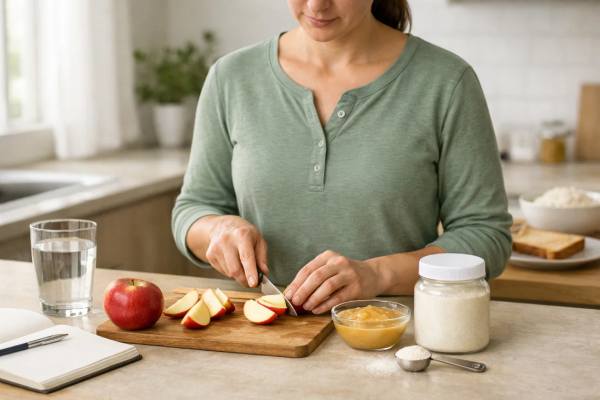
- Unsweetened applesauce (often better tolerated than raw apples)
- Cooked apples (peeled, stewed, or baked until soft)
- Bananas (contain different soluble fibers and starches that also help stool texture)
- Carrots and oats (not high-pectin, but helpful soluble fibers for a similar goal)
A key nuance: whole apples can be a problem for some people because of naturally occurring sugars that may worsen gas or loosen stool. If you tend to bloat or react to fruit sugars, applesauce or a purified supplement is often gentler than raw apple.
Supplement options
Supplements are useful when you need a more controlled, low-volume approach:
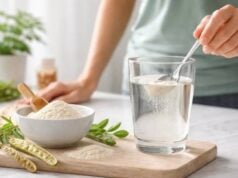
- Powder: flexible dosing, can be mixed into water or soft foods
- Capsules or tablets: convenient but often require multiple pills for meaningful grams of fiber
If diarrhea is active, powder can be easier to titrate (for example, half-dose for a day, then increase).
Label checks that matter for diarrhea
When the gut is already irritated, “extra” ingredients often cause more trouble than pectin itself. Look closely for:
- Sugar alcohols (often ending in “-ol,” such as sorbitol or xylitol), which can worsen diarrhea
- Inulin, chicory root, or large amounts of added prebiotics, which may trigger gas and urgency during a flare
- High-dose magnesium, vitamin C, or herbal laxative blends, which can counteract your goal
A simple ingredient list is a genuine advantage during diarrhea recovery.
Modified pectin and specialty blends
You may see modified citrus pectin marketed for unrelated purposes. For diarrhea-specific stool firming, it is usually better to focus on standard apple or citrus pectin unless your clinician recommends otherwise. If you choose a blended product (for example, pectin combined with other botanicals), prioritize predictable dosing and tolerability over “all-in-one” claims.
Dosing strategies for adults and kids
There is no single official dosing standard for pectin in diarrhea, because the best dose depends on stool volume, diet, and sensitivity to fiber. A useful approach is to start low, assess stool texture within 12 to 24 hours, and increase gradually until you reach a steady, comfortable result.
Adult dosing: a cautious and practical range
For many adults, a reasonable short-term trial looks like this:
- Start: 2.5 to 5 grams once daily (often easiest with a powder)
- If needed: increase to 5 grams twice daily
- Upper short-term range: 10 to 15 grams per day for a few days
If stool firms too much or you feel backed up, reduce the dose or pause. The goal is a formed stool that is easy to pass—not a hard stool that adds strain or cramps.
How to time pectin for best tolerance
- Mix thoroughly with water and drink promptly, then follow with more fluid. Avoid swallowing dry powder.
- Take with or after food if you get nausea from fiber on an empty stomach.
- Separate from medications by 2 hours (3 hours if the medication is critical and absorption-sensitive).
If diarrhea is frequent, you can also align dosing with the day’s pattern—for example, taking a dose after breakfast and another after the midday meal, when gut motility is often more active.
Food-based dosing ideas
If you prefer food over supplements:
- Unsweetened applesauce: start with 1/3 to 1/2 cup once daily, then increase to 1/2 cup up to 2 times daily if tolerated
- Stewed apple (peeled): a small bowl-sized portion once daily, watching for bloating or loose stool triggers
If you notice cramping, gas, or worsening diarrhea after apple-based foods, switch to a purified pectin supplement or choose other soluble fiber sources temporarily.
Children: use extra caution
For infants and children, diarrhea management priorities are hydration, monitoring for dehydration, and appropriate medical guidance. If you are considering pectin for a child:
- Use food-first approaches unless a clinician recommends a specific product.
- Avoid “adult-style” gram dosing without pediatric direction.
- Be especially cautious in very young infants and in any child with fever, lethargy, or reduced urination.
For kids, the safest “dosing strategy” is often not a number—it is a conservative trial with close observation, and a low threshold for medical review if symptoms persist.
Safety, interactions, and red flags
Pectin is generally considered a low-risk fiber for many people, but diarrhea is a context where small mistakes—like underhydration or ignoring warning signs—matter. Safety is less about pectin being “dangerous” and more about using it appropriately and not missing a more serious cause.
Common side effects
These are usually dose-related and improve when you lower the amount:
- gas and bloating
- cramping
- nausea (often from taking it without enough fluid)
- constipation or “overcorrection” of stool firmness
If your stool becomes hard, pellet-like, or difficult to pass, that is a sign to reduce or stop rather than pushing through.
Medication and supplement timing
As a gel-forming fiber, pectin can interfere with the absorption of some medications and supplements by trapping them or slowing their movement. A simple rule works well:
- Separate pectin from medications and supplements by at least 2 hours.
If you take thyroid medication, certain heart medicines, or narrow-therapeutic-index drugs, spacing and professional guidance are especially important.
Who should be more cautious
Consider extra caution or medical advice first if you:
- have swallowing difficulties (powders must be mixed carefully)
- have a history of bowel obstruction or severe motility disorders
- are pregnant or breastfeeding and considering high-dose supplements (food sources are usually the gentler choice)
- are immunocompromised, older, or medically fragile (diarrhea can escalate faster)
Red flags that need prompt medical care
Do not rely on pectin (or any home strategy) if you have:
- blood in stool, black stools, or significant mucus with severe pain
- high fever, confusion, fainting, or signs of severe dehydration (very dry mouth, minimal urination, dizziness)
- persistent vomiting that prevents hydration
- severe, localized abdominal pain or a rigid abdomen
- diarrhea lasting more than 3 days in an adult without clear improvement, or more than 24 to 48 hours in a child
- recent antibiotic use with worsening watery diarrhea, especially if accompanied by fever or significant weakness
In these cases, the priority is assessment, testing when appropriate, and targeted treatment—because the “right” solution depends on the cause.
Microbiome-friendly diarrhea diet plan
A microbiome-friendly approach to diarrhea is not about eating exotic fermented foods while your gut is in crisis. It is about stabilizing hydration, choosing calming carbohydrates and proteins, and reintroducing fiber in a way your microbes can handle without producing excessive gas. Pectin can fit nicely into that arc when it is used as a gentle bridge back to normal eating.
Step 1: Hydration first, always
Before focusing on stool texture, make sure your fluid plan is solid:
- sip fluids regularly (small, frequent amounts beat large gulps)
- use an oral rehydration-style drink if stools are frequent or very watery
- avoid large amounts of fruit juice, soda, or very sugary drinks, which can worsen diarrhea by pulling water into the gut
If you feel lightheaded when standing, your mouth is very dry, or you are urinating very little, prioritize hydration and medical evaluation over fiber.
Step 2: Eat early, but keep it simple
Once you can keep fluids down, gentle refeeding often helps recovery:
- soft starches: rice, potatoes, oats, pasta, toast
- lean protein: eggs, fish, chicken, tofu
- soups and broths with salt (helpful for replacing sodium)
If dairy worsens symptoms, pause it temporarily. If yogurt is usually tolerated, small amounts can be an easy protein option.
Step 3: Add pectin or other soluble fiber strategically
A helpful sequence for many people:
- Rehydrate for several hours.
- Eat a small bland meal.
- Add pectin at a low dose after that meal.
If pectin causes gas, reduce the dose and consider whether another soluble fiber (such as oats) is currently better tolerated. During active diarrhea, avoid suddenly adding large doses of aggressive prebiotics that commonly create gas.
A simple 24-hour food framework
Use this as a structure you can adjust:
- Breakfast: oatmeal cooked soft, banana slices, weak tea or water
- Midday: rice or potato, scrambled eggs or tofu, salted broth
- Afternoon: unsweetened applesauce or a small pectin dose mixed into water
- Evening: simple soup with rice, carrots, and chicken; toast if needed
Then, as stool stabilizes, expand variety: more vegetables, more protein choices, and eventually a broader range of fibers.
How to rebuild a resilient gut after diarrhea
When symptoms improve, the microbiome-friendly move is gradual diversity:
- rotate fiber sources rather than relying on one
- add legumes, whole grains, and vegetables back in slowly
- if you use fermented foods, start with small portions and monitor tolerance
Pectin can be tapered once stools normalize. Many people do best when they treat it as a short course—then transition to everyday fiber from foods.
References
- Use of pectin-supplemented enteral nutrition in intensive care: A systematic review and meta-analysis 2025 (Systematic Review)
- ACG Clinical Guideline: Management of Irritable Bowel Syndrome 2021 (Guideline)
- Acute gastroenteritis in adults 2025 (Clinical Review)
- The Potential of Pectins to Modulate the Human Gut Microbiota Evaluated by In Vitro Fermentation: A Systematic Review 2022 (Systematic Review)
- Clinical studies in persistent diarrhea: dietary management with green banana or pectin in Bangladeshi children 2001 (Randomized Controlled Trial)
Disclaimer
This article is for educational purposes only and does not provide medical advice, diagnosis, or treatment. Diarrhea can lead to dehydration and may signal an infection or other condition that requires urgent care, especially in infants, older adults, pregnant people, and those with chronic illness or immune suppression. Seek prompt medical attention for severe dehydration, blood in stool, high fever, significant or worsening abdominal pain, persistent vomiting, or symptoms that do not improve within a few days. Always consult a qualified clinician before using supplements if you take prescription medications, have significant medical conditions, or are considering use for a child.
If you found this article useful, consider sharing it on Facebook, X (formerly Twitter), or any platform you prefer so others can find practical, evidence-informed guidance.