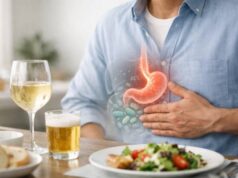
Ozempic can meaningfully improve blood sugar control and support weight loss by lowering appetite and changing how quickly food moves through the stomach. Those same effects can also trigger nausea—especially early in treatment or after dose increases—because digestion slows and fullness arrives sooner than expected. For many people, the nausea is temporary and responds well to a steady routine: smaller meals, gentle carbohydrates, lean protein in modest portions, and consistent hydration. The goal is not to “power through,” but to work with the medication’s timing and your stomach’s new pacing. When you match your food choices and eating rhythm to slower gastric emptying, nausea often becomes more manageable without sacrificing the benefits that brought you to treatment in the first place.
Quick Overview
- Nausea is often strongest during dose increases and improves when meals are smaller and lower in fat.
- Bland, low-odor foods and steady fluids can reduce queasiness without worsening fullness.
- Persistent vomiting, severe abdominal pain, or inability to keep fluids down warrants medical advice promptly.
- Use a “meal ladder” for 48–72 hours: liquids → soft foods → small balanced meals as symptoms settle.
Table of Contents
- Why Ozempic nausea happens
- When nausea starts and fades
- What to eat for nausea relief
- What to avoid when queasy
- Hydration and gentle coping tools
- Medication adjustments and anti-nausea options
- When to call your doctor
Why Ozempic nausea happens
Ozempic (semaglutide) belongs to a class of medications that activates GLP-1 receptors. This improves blood sugar control and reduces appetite signals, but it also changes the mechanics of digestion. The most common driver of nausea is slower gastric emptying—food stays in the stomach longer, and the “I am full” signal turns on earlier and more strongly.
The fullness threshold effect
Many people discover a new, smaller “volume limit.” Meals that used to feel normal can suddenly feel heavy, even if they are not large by typical standards. When that threshold is crossed, the stomach may respond with nausea, burping, reflux-like discomfort, or the feeling that food is “sitting there.”
Why fatty foods can feel especially rough
Fat naturally slows digestion, even without medication. On Ozempic, high-fat meals can double down on delayed emptying. The stomach stays full longer, and nausea is more likely—especially if the meal is also large, fried, creamy, or greasy.
Less food and fluid can unintentionally worsen nausea
It sounds counterintuitive, but eating too little can increase nausea for some people. A very empty stomach can feel acidic and unsettled, and dehydration can amplify queasiness and dizziness. Nausea often becomes a loop: nausea reduces intake, lower intake worsens nausea, and the cycle continues until you rebuild a gentler baseline.
Other contributors worth recognizing
- Constipation: slower transit can increase bloating and nausea.
- Reflux and belching: stomach contents lingering longer can aggravate symptoms.
- Low blood sugar (for some people): shakiness, sweating, and nausea can overlap.
- Dose sensitivity: nausea can rise with faster dose escalation or higher doses.
Nausea is common, but it should still feel “bounded.” A plan that reduces meal volume, lowers fat, and restores fluids often makes symptoms noticeably calmer within days.
When nausea starts and fades
Ozempic nausea has patterns. Knowing what is typical can reduce anxiety and help you decide whether you can manage at home or need medical guidance.
Common timing windows
Many people feel nausea most strongly in one of these situations:
- The first weeks of treatment: your body is adapting to slower digestion and altered appetite.
- The week after a dose increase: symptoms often spike, then settle as you adjust.
- Injection-day patterns: some people notice a predictable “tight stomach” day 1–2 after dosing.
If nausea is mild to moderate and you can still keep fluids down, it often improves with routine changes and time at a stable dose.
What “improving” usually looks like
Improvement is not always a straight line. You may notice:
- Nausea becomes shorter in duration (hours instead of days).
- The trigger threshold rises (you can eat a bit more without symptoms).
- Certain foods become tolerable again once your dose is stable.
- You rely less on “rescue” choices like crackers.
A useful metric is function: Can you hydrate, eat something small every few hours, and continue normal activities?
When nausea may be a sign to reassess
Nausea deserves a closer look if it is persistent, intensifying, or paired with symptoms that suggest more than typical adjustment. Examples include:
- Nausea that steadily worsens over weeks rather than improving.
- Repeated vomiting, especially if you cannot keep liquids down.
- Severe fullness after very small amounts of food for many days.
- Significant dehydration, dizziness, or fainting.
- New, severe abdominal pain.
A practical self-check
Ask yourself three questions each day:
- Hydration: Am I urinating normally, with pale to light-yellow urine?
- Intake: Can I tolerate small, low-fat foods in repeated mini-meals?
- Trend: Is today better, the same, or worse than yesterday?
If the trend is worsening or hydration is failing, do not wait it out. Early intervention can prevent a small side effect from turning into a medical problem.
What to eat for nausea relief
When nausea hits, the goal is to reduce stomach workload while still providing steady fuel and fluids. Many people do best with a short-term “meal ladder” that gradually returns them to normal eating.
The 48–72 hour meal ladder
Use these steps as needed, moving up only when your stomach feels calmer:
- Clear and light fluids (first 12–24 hours if needed):
Water in small sips, oral rehydration-style fluids, weak tea, diluted juice, broths. - Soft and bland foods:
Applesauce, oatmeal, rice, cream of wheat, mashed potatoes, bananas, plain toast, noodles, soups with soft grains. - Small balanced meals:
Add lean protein in modest portions and low-fat foods you digest easily.
Foods that often feel best on Ozempic nausea days
These choices tend to be lower in fat, lower in odor, and easier to portion:
- Plain toast, crackers, pretzels, rice cakes
- Oatmeal or overnight oats made with low-fat options
- Bananas, applesauce, peeled fruit, or a small smoothie (not overly rich)
- Low-fat yogurt or kefir in small servings (if you tolerate dairy)
- Chicken soup, lentil soup (small portions), miso-style broth with rice
- Eggs prepared simply, or tofu
- White rice, quinoa, or small servings of pasta with minimal oil
- Baked or air-cooked lean protein: chicken, turkey, white fish
How to structure portions
With slower gastric emptying, portion size matters as much as food choice.
- Aim for mini-meals every 2.5–4 hours rather than two large meals.
- Keep protein modest: think “a deck-of-cards portion” or less when nauseated.
- Pair starch with protein gently (toast plus yogurt, rice plus lean protein).
- Stop at “comfortably satisfied,” not “full.” One extra bite can be the difference between calm and queasy.
A sample gentle day
- Breakfast: oatmeal with a banana slice or applesauce
- Mid-morning: yogurt or a few crackers
- Lunch: soup with rice and a small amount of chicken
- Afternoon: toast with a thin spread, or a small smoothie
- Dinner: baked fish with rice and cooked carrots
The best plan is the one you can repeat. Consistency helps your gut find a new rhythm.
What to avoid when queasy
Avoidance is not about permanently restricting foods. It is about reducing triggers during vulnerable windows—especially right after dose increases or on days when nausea is prominent.
High-fat meals are the most common trigger
Fat slows digestion on its own, and Ozempic adds additional slowing. Foods that frequently worsen nausea include:
- Fried foods and fast food
- Creamy sauces, heavy cheese portions, and rich desserts
- Large portions of nuts, nut butters, or oily spreads
- Fatty cuts of meat and sausage
If you want fat in your diet, many people do better with small amounts spread across the day instead of a single high-fat meal.
Large, mixed, and late meals
A large meal that includes fat, fiber, and protein can sit heavily. Instead of “one big dinner,” consider earlier, smaller meals and a light evening option. Late meals can also worsen reflux-like symptoms when the stomach empties more slowly.
High-odor and spicy foods
Odor can trigger nausea even before you take a bite. Spices and strong aromas may also irritate a sensitive stomach. Common offenders:
- Garlic-heavy or onion-heavy dishes
- Very spicy foods
- Strong-smelling fish, reheated meats, or heavily seasoned leftovers
Cold or room-temperature foods can be easier because they release less aroma.
Carbonation, alcohol, and very sweet beverages
Carbonated drinks can increase bloating and belching. Alcohol can irritate the stomach and makes dehydration more likely. Very sweet drinks may cause swings in how you feel, especially if your intake is inconsistent.
Fiber overload on a slow stomach
Fiber is important, but when nausea is high, a sudden jump in rough, insoluble fiber can backfire. Large bowls of raw vegetables, bran-heavy foods, or big salads may increase fullness and gas. If you need fiber during nausea, gentle options (like oats or small portions of soft fruit) are often easier.
Your “avoid list” can be temporary. Many people reintroduce foods successfully once their dose is stable and they learn their new portion threshold.
Hydration and gentle coping tools
Nausea relief is not only about food. Hydration, posture, pacing, and a few practical techniques can reduce symptoms substantially—especially when you start early.
Hydration that your stomach can tolerate
If big gulps trigger nausea, switch to structured sipping:
- Take 2–4 sips every 5–10 minutes for an hour, then reassess.
- Use cool fluids if warm drinks feel heavy, or warm fluids if cold worsens nausea.
- If you are losing fluids through vomiting, consider electrolyte-style fluids in small amounts.
A simple goal is steady urination. If you are barely urinating or your urine is consistently dark, you are likely behind on fluids.
Timing tricks that reduce nausea
- Do not lie down right after eating. Staying upright for 30–60 minutes can reduce reflux and the “stuck” feeling.
- Short walks after meals (even 5–10 minutes) can ease fullness and nausea for some people.
- Keep meals quieter. Eating slowly, chewing well, and avoiding distractions can prevent accidental overeating.
Ginger and peppermint: helpful for some, not for all
Ginger (tea, chews, or small amounts in food) can reduce nausea for some people. Peppermint can feel soothing, but it may worsen reflux in people who are prone to heartburn. If reflux is part of your nausea, peppermint may not be your friend.
Manage constipation early
Constipation and nausea often travel together on Ozempic. If bowel movements slow, nausea can worsen because the whole system feels backed up. Gentle steps can include:
- Consistent fluids
- Soluble fiber in small, gradual amounts
- Regular light movement
- A clinician-approved stool-softening strategy if needed
A simple “nausea reset” routine
When nausea rises, try this for 20–30 minutes:
- Sit upright, loosen tight clothing, take slow breaths
- Sip fluid in small amounts
- Eat a small bland carbohydrate if your stomach is empty
- Pause, then decide whether you can tolerate a soft protein
These are small tools, but together they often reduce the severity and help you avoid a spiral.
Medication adjustments and anti-nausea options
If nausea is persistent, it is reasonable to discuss medication strategy with your prescriber. The goal is not necessarily to stop Ozempic, but to make treatment tolerable and safe.
Dose pacing is often the biggest lever
Nausea commonly worsens after dose increases. Many people improve with one of these prescriber-guided approaches:
- Staying at a lower dose longer before escalating
- Pausing escalation until nausea is controlled
- Temporarily stepping back to a prior dose if symptoms are severe
This is not “failure.” It is individualized dosing. Tolerability affects adherence, nutrition, and hydration—foundations that make the medication work better over time.
Injection timing and routine
Some people prefer injecting at a time that allows them to manage early side effects (for example, before a lighter day). The key is consistency. Also be careful with “celebration meals” around injection day; a large, rich meal can be a predictable nausea trigger.
Over-the-counter options that may help
Depending on your symptoms, these can be useful:
- Bismuth for unsettled stomach in some cases
- A clinician-approved approach for reflux symptoms if heartburn is a major contributor
- Oral rehydration solutions when intake is low
Avoid stacking many new products at once. Change one variable and evaluate for 24–48 hours.
Prescription anti-nausea medications
If nausea interferes with hydration or daily function, clinicians sometimes prescribe antiemetic medication. The right choice depends on your medical history, other medications, and whether constipation is part of the picture. Some antiemetics can worsen constipation or cause sedation, which is another reason to involve your prescriber rather than self-treat aggressively.
Do not ignore persistent “food sitting” symptoms
If you feel severe, prolonged fullness after small meals, frequent vomiting of undigested food, or inability to advance beyond liquids, that pattern may require medical evaluation. In those cases, pushing more food can worsen symptoms; you need a plan that prioritizes hydration and safety while your clinician assesses the cause.
When to call your doctor
Most Ozempic-related nausea is manageable at home, but some symptoms suggest dehydration, severe intolerance, or a complication that should be evaluated. Use these thresholds as a practical guide.
Call your doctor soon (same day or next business day) if
- Nausea is not improving after several days at a stable dose and is limiting normal eating.
- You vomit repeatedly or cannot keep down fluids for 8–12 hours.
- You have ongoing nausea with worsening constipation, significant bloating, or inability to pass stool comfortably.
- You feel lightheaded, weak, or are urinating much less than usual.
- Nausea is causing you to skip doses, avoid food all day, or lose weight too quickly to maintain basic nutrition.
Seek urgent care or emergency evaluation if
- You have severe, persistent abdominal pain, especially if it is accompanied by vomiting or feels different from typical nausea.
- You cannot keep fluids down and show signs of dehydration (fainting, confusion, very dark urine, minimal urination).
- Your abdomen becomes markedly swollen or you cannot pass gas, especially with vomiting.
- You vomit blood, have black tarry stools, or have severe weakness.
- You have fever with significant abdominal symptoms.
Symptoms that deserve extra caution
Certain symptom clusters should not be brushed off as “normal side effects”:
- Severe upper abdominal pain that may radiate to the back (especially with vomiting)
- Right upper abdominal pain after fatty meals, sometimes with fever or yellowing of eyes or skin
- Persistent vomiting and inability to progress beyond liquids
- New or worsening reflux-like symptoms with significant weight loss and poor intake
What to tell your clinician
A short, clear summary helps:
- When nausea started and whether it aligns with dose changes
- How often you vomit and whether you can keep fluids down
- What you ate and how much before symptoms worsened
- Any severe pain, fever, dehydration signs, or constipation pattern
- Your current dose and when you take it
You deserve relief and safety. If nausea is disrupting hydration and nutrition, early medical guidance can prevent complications and often allows you to continue treatment more comfortably.
References
- Clinical Recommendations to Manage Gastrointestinal Adverse Events in Patients Treated with Glp-1 Receptor Agonists: A Multidisciplinary Expert Consensus 2022 (Consensus)
- Comparative gastrointestinal adverse effects of GLP-1 receptor agonists and multi-target analogs in type 2 diabetes: a Bayesian network meta-analysis 2025 (Systematic Review)
- ACG Clinical Guideline: Gastroparesis 2022 (Guideline)
- OZEMPIC (semaglutide) injection, for subcutaneous use 2025 (Label)
Disclaimer
This article is for educational purposes only and does not provide medical advice, diagnosis, or treatment. Ozempic-related nausea can overlap with other conditions and may require individualized evaluation, especially if you have a history of pancreatitis, gallbladder disease, severe reflux, gastroparesis, kidney disease, or take other medications that affect digestion. Do not start, stop, or change prescription medications based on this article. Seek urgent medical care for severe or persistent abdominal pain, repeated vomiting with inability to keep fluids down, fainting, signs of dehydration, black or bloody stools, or significant abdominal swelling.
If you found this helpful, please consider sharing it on Facebook, X (formerly Twitter), or any platform you prefer.