
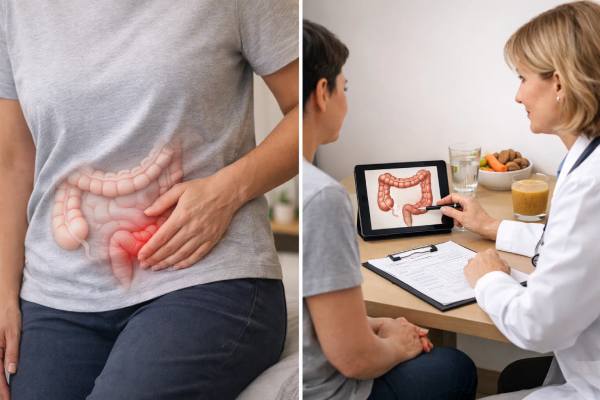
Lower left abdominal pain can be unsettling because it sits at the crossroads of several body systems: the lower colon, bladder and urinary tract, abdominal wall muscles, and—depending on anatomy—reproductive organs. Sometimes the cause is straightforward, like constipation stretching the colon or trapped gas after a change in diet. Other times it reflects inflammation in the colon, such as diverticulitis, where small pouches in the bowel wall become irritated or infected. The challenge is that very different conditions can feel surprisingly similar early on.
A practical approach is to treat this symptom as a pattern, not a single sensation. Where the pain starts, how it changes over hours, what relieves it (bowel movement, passing gas, urination), and whether you have fever, vomiting, or blood in stool can quickly narrow the possibilities. This guide will help you recognize common causes, try safe first steps, and know when evaluation is the safer choice.
Essential Insights
- Tracking pain timing, stool changes, fever, and urine output often clarifies whether this is constipation-related or an inflammatory process.
- Oral fluids, gentle meals, and addressing constipation early can reduce pain and prevent a mild issue from escalating.
- Severe or worsening pain with fever, vomiting, faintness, or blood in stool warrants urgent medical evaluation.
- Avoid “masking” severe pain with repeated NSAIDs or anti-diarrheals until you know the cause, especially if infection is possible.
- If symptoms persist beyond 24–48 hours or keep recurring, a structured workup can rule out diverticulitis, urinary, or gynecologic causes.
Table of Contents
- How to read lower left pain
- Diverticulitis and diverticular flare-ups
- Constipation gas and IBS clues
- Other causes that mimic gut pain
- Safe steps you can try today
- When to seek care and testing
How to read lower left pain
Lower left abdominal pain is a location, not a diagnosis. The left lower quadrant often reflects what is happening in the descending colon and sigmoid colon, but pain can also be “referred” from the urinary tract, abdominal wall, spine, or pelvic organs. The goal is to describe the pain in a way that points toward a system and a time course.
Start with the pain’s character and timeline
Use a few concrete descriptors:
- Crampy, comes in waves: often bowel-related (constipation, gas, IBS).
- Steady and worsening over hours: more concerning for inflammation (diverticulitis), obstruction, or sometimes kidney stone pain that cycles in intensity.
- Sharp with movement or pressing the abdominal wall: can be muscular strain, hernia, or a tender abdominal wall trigger point.
- Burning with urination or frequent urgency: points toward urinary tract irritation or infection.
Timeline matters. Pain that peaks quickly and then improves after passing stool or gas is usually less concerning than pain that escalates through the day, spreads, or becomes hard to tolerate.
Look for “side clues” that narrow the cause
A short symptom checklist can save time:
- Stool pattern: constipation (hard stools, straining, fewer bowel movements), diarrhea, mucus, or blood
- Fever or chills: suggests infection or significant inflammation
- Nausea and vomiting: can happen with infection, obstruction, severe constipation, or kidney stones
- Urine changes: burning, blood-tinged urine, flank pain, new frequency
- Appetite: complete loss of appetite can be a red flag when paired with worsening pain
- Reproductive clues (if relevant): late period, new pelvic pain, abnormal bleeding, pain during sex
If you are unsure whether the pain is “in the belly” or “in the abdominal wall,” try a simple observation: tighten your abdominal muscles (like a mini sit-up) and gently press the tender area. If pain worsens when the muscles are tensed, the source can be the abdominal wall rather than deeper organs.
Know the few patterns that deserve extra caution
Some combinations should move you toward urgent evaluation rather than home monitoring:
- Pain that becomes severe, rigid, or hard to touch
- Fever with localized lower left tenderness
- Persistent vomiting or inability to keep fluids down
- Dizziness, fainting, or confusion
- Significant blood in stool or black, tarry stool
- New, severe pelvic pain in pregnancy or possible pregnancy
When lower left pain is mild and you feel otherwise stable, the safest approach is often to support hydration, reduce gut irritation, and watch the trend over the next 12–24 hours—while staying alert to the warning signs above.
Diverticulitis and diverticular flare-ups
Diverticula are small pouches that can form in the colon wall over time, especially in the sigmoid colon on the left side. Many people have diverticulosis (pouches present) without symptoms. Diverticulitis refers to inflammation—and sometimes infection—of one or more pouches. It is a common reason for lower left abdominal pain that feels focal and persistent.
Typical diverticulitis symptoms
Not everyone reads the same script, but a common pattern includes:
- Localized lower left pain that is steady, often worsening over hours
- Tenderness when pressing the area
- Fever or feeling chilled and unwell
- Change in bowel habits (constipation is common, but diarrhea can occur)
- Bloating and low appetite
Some people notice pain that intensifies with walking or bumps (like riding in a car) because the inflamed area is sensitive to movement.
Uncomplicated vs complicated matters
Clinicians often divide diverticulitis into:
- Uncomplicated: inflammation without abscess, perforation, fistula, or obstruction
- Complicated: findings such as abscess, perforation, peritonitis, fistula, or significant blockage
You cannot reliably tell the difference at home, but certain signs raise the chance of complications: severe pain, high fever, persistent vomiting, increasing abdominal rigidity, or a person who is immunocompromised.
Why self-treatment can be tricky
Mild cases may improve with a structured home plan and medical guidance, while others need imaging and targeted treatment. Two common mistakes are:
- Under-replacing fluids and electrolytes when appetite is low (dehydration amplifies fatigue and pain sensitivity).
- Relying on repeated NSAIDs (like ibuprofen) to “push through.” These can irritate the GI tract and may increase bleeding risk in some people, especially at higher doses or with prolonged use.
If a clinician suspects diverticulitis, they may recommend specific dietary adjustments for comfort (often starting with low-residue, easy-to-digest foods), and in some cases antibiotics—especially for higher-risk presentations. Importantly, abdominal pain that looks like diverticulitis can sometimes mimic other problems, including colon inflammation from other causes.
Recurrence and prevention are not only about fiber
Many people think diverticulitis is purely a fiber story. Long-term risk is influenced by a broader lifestyle pattern: regular physical activity, maintaining a stable weight, not smoking, and minimizing avoidable gut irritants. Fiber often helps overall bowel function, but tolerance can vary. After an acute episode, the focus is usually on returning to steady, comfortable bowel movements and reducing constipation strain—because high pressure in the colon can aggravate symptoms.
If you have repeated episodes or ongoing left-sided pain between episodes, it is worth discussing whether the discomfort is truly recurrent diverticulitis or a different condition (such as IBS) that overlaps with diverticular disease.
Constipation gas and IBS clues
Constipation, gas buildup, and IBS are among the most common explanations for lower left abdominal pain—and they can also coexist with diverticular disease. The key is recognizing the “functional” pattern: symptoms that fluctuate, respond to bowel movements, and often worsen with stress, travel, or diet shifts.
Constipation pain tends to follow pressure and timing
Constipation can trigger lower left pain because stool often collects in the sigmoid colon. Clues include:
- Fewer bowel movements than your personal baseline
- Hard stools, straining, or a sensation of incomplete emptying
- Pain that improves after a bowel movement, passing gas, or using a gentle laxative
- Bloating that builds through the day
A helpful detail: constipation pain is often dull or crampy rather than sharply focal. It may spread across the lower abdomen and come in waves.
Gas and bloating can localize to the left
Gas does not always cause generalized discomfort. The colon’s bends and pockets can trap gas, and pain can feel surprisingly sharp. Consider gas as a leading possibility when:
- Pain shifts location or moves around
- You can hear or feel gurgling
- Symptoms worsen after large meals, carbonated drinks, sugar alcohols, or eating quickly
- Relief follows passing gas or a bowel movement
If bloating is prominent, note whether it is primarily upper or lower belly. Lower belly bloating often overlaps with constipation and pelvic floor tension patterns.
IBS patterns: pain plus bowel change, without dangerous features
IBS typically involves:
- Recurrent abdominal pain linked to bowel movements
- Changes in stool frequency and/or form (constipation, diarrhea, or both)
- Symptom flares with stress, poor sleep, travel, or certain foods
IBS pain often improves after a bowel movement—though not always completely. Many people notice a predictable daily rhythm (for example, worse in the morning or after meals). A key point: IBS does not cause fever, significant bleeding, unexplained weight loss, or progressively worsening pain. Those features should push you to consider other diagnoses.
Food triggers are real, but patterns beat single ingredients
People often blame one food, but the gut responds to combinations: meal size, fat content, fiber type, and fermentable carbohydrates. Practical triggers for left-sided cramping and bloating include:
- Very large meals after a light-eating day
- Rapid increases in fiber supplements
- Highly fermentable foods (certain legumes, onions, garlic, some wheat products)
- Sugar alcohols (often in “sugar-free” gum or candy)
- Excess carbonated drinks
If constipation and bloating are the main drivers, the most effective early change is often regularity, not restriction: consistent meal times, hydration, walking, and a stepwise constipation plan rather than abrupt dietary overhauls.
Other causes that mimic gut pain
Lower left abdominal pain can come from outside the colon, and the “missed” causes often have clues you can spot early. The goal is not self-diagnosis, but knowing when the picture does not fit constipation, IBS, or a mild stomach bug.
Urinary tract causes
- Kidney stones: pain can be severe and wave-like, sometimes starting in the flank or back and moving toward the lower abdomen or groin. Nausea is common, and urine may look pink or tea-colored.
- Urinary tract infection (UTI): burning with urination, urgency, frequent small voids, and lower pelvic discomfort. Fever and back pain raise concern for a kidney infection.
Urinary causes become more likely if bowel habits are unchanged while urinary symptoms are prominent.
Gynecologic and pelvic causes
For people with ovaries and a uterus, pelvic conditions can present as lower left abdominal pain:
- Ovarian cysts: dull ache or sudden pain if a cyst ruptures
- Ovarian torsion: sudden severe pain, often with nausea; this is an emergency
- Endometriosis: cyclical pain tied to periods, sometimes with bowel symptoms
- Ectopic pregnancy: pain with abnormal bleeding or faintness in someone who could be pregnant; this is an emergency
A simple safety rule: if pregnancy is possible and pain is new, sharp, or worsening, treat it as urgent until proven otherwise.
Inflammatory bowel disease and colitis
Ulcerative colitis and Crohn’s disease can cause lower abdominal pain, urgency, diarrhea, and sometimes blood or mucus in stool. Infectious colitis can look similar but tends to have a more abrupt onset. Ischemic colitis (reduced blood flow to the colon) can cause crampy pain and bloody diarrhea, often in older adults or those with vascular risk factors; it needs prompt evaluation.
Hernias and abdominal wall pain
A hernia can cause a localized ache or sharp pain, often worse with lifting, coughing, or standing. You may notice a bulge in the groin or lower abdomen. Abdominal wall pain can also come from muscle strain or nerve irritation and may worsen when you tense the abdominal muscles.
Obstruction and appendicitis variants
A bowel obstruction is uncommon but important: severe cramping, bloating, vomiting, and inability to pass gas or stool are classic clues. Appendicitis usually causes right-sided pain, but anatomy can vary, and any rapidly worsening abdominal pain with fever deserves attention regardless of side.
If your symptoms do not match a benign pattern—or if your pain is escalating rather than stabilizing—this is the section to take seriously. “Left-sided” does not automatically mean “colon only.”
Safe steps you can try today
If your pain is mild to moderate, you are not feverish, you can drink fluids, and you do not have red-flag symptoms, a structured 24-hour plan can often improve lower left abdominal pain—especially when constipation or gas is involved. Think of this as supportive care plus careful monitoring.
Step 1: Reset hydration and meal load
Aim for steady fluids throughout the day. Dehydration makes constipation harder and can intensify cramping. Practical options include water, diluted broth, or oral rehydration drinks if you have diarrhea.
For food, choose gentle, lower-fat meals for one day:
- Soups, rice, oatmeal, eggs, toast, bananas, yogurt if tolerated
- Avoid large salads, greasy meals, heavy alcohol, and very spicy foods for now
If you suspect constipation, a giant fiber “catch-up” meal can backfire. It is usually better to hydrate first and increase fiber gradually once stool is moving.
Step 2: Encourage movement and bowel mechanics
A short walk after meals can stimulate gut motility and help gas move. If you are constipated, consider posture: a footstool to elevate knees during a bowel movement can reduce straining.
Avoid prolonged straining. If nothing happens within a few minutes, pause and try again later.
Step 3: Use simple relief tools cautiously
Depending on symptoms:
- Heat: a warm pack to the lower abdomen can relax muscle tension and reduce cramping.
- Simethicone: can help some people with gas discomfort.
- Acetaminophen: often a safer first-line pain reliever for undiagnosed abdominal pain than repeated NSAIDs.
If constipation is likely and you have no severe pain, vomiting, or signs of obstruction, a gentle approach may include:
- Polyethylene glycol (PEG) osmotic laxative (often used once daily)
- A short trial of a glycerin suppository if stool is at the rectum and you feel “stuck”
If you have ongoing diarrhea, avoid routine anti-diarrheals until you are confident there is no fever, blood, or severe systemic illness.
Step 4: Run a brief “trend check” every few hours
Write down four items:
- Pain score (0–10) and location
- Temperature if you feel warm or chilled
- Bowel movements and stool appearance
- Urination frequency and color
Improvement usually looks like: pain stabilizes or eases, belly feels less tight, you pass stool or gas, appetite slowly returns, and urine remains steady.
If the trend is the opposite—pain is rising, fever appears, or intake drops—shift from home care to medical guidance sooner rather than later.
When to seek care and testing
Lower left abdominal pain is one of those symptoms where timing matters. Many causes are manageable, but the conditions that require treatment tend to declare themselves through progression: worsening pain, systemic symptoms, or inability to maintain hydration and normal function.
Get urgent or emergency care now
Seek immediate evaluation if you have any of the following:
- Severe or rapidly worsening pain, especially if the abdomen becomes rigid or extremely tender
- Fever with localized lower left tenderness and feeling ill
- Persistent vomiting or inability to keep fluids down
- Fainting, confusion, severe weakness, or signs of dehydration
- Significant blood in stool or black, tarry stools
- Inability to pass gas or stool with marked bloating and vomiting
- Possible pregnancy with new pelvic or lower abdominal pain, dizziness, or abnormal bleeding
These patterns can reflect complicated diverticulitis, obstruction, significant infection, torsion, or other emergencies.
Contact a clinician soon
Same-day or next-day advice is wise when:
- Pain persists beyond 24–48 hours without improvement
- Pain keeps returning in the same spot, even if it eases between episodes
- You are older, immunocompromised, or have significant chronic conditions
- You recently used antibiotics (which can change infection risks)
- You have new bowel changes such as persistent constipation, ongoing diarrhea, or unintended weight loss
What clinicians may do to identify the cause
A typical evaluation focuses on deciding whether the problem is primarily bowel, urinary, pelvic, or abdominal wall:
- History and exam: tenderness location, guarding, rebound pain, and abdominal wall testing
- Vitals: fever and heart rate help gauge severity
- Lab tests: blood counts (infection/inflammation), kidney function, sometimes electrolytes
- Urine testing: to assess infection or blood suggesting a stone
- Imaging: CT is commonly used when diverticulitis is suspected or diagnosis is uncertain; ultrasound may be used for gynecologic causes and in some situations to reduce radiation exposure
Clinicians often tailor testing based on risk. For example, a person with mild, improving symptoms may not need immediate imaging, while a person with persistent localized pain and fever may benefit from early CT to guide treatment.
How to prepare for the visit
Bring the basics that speed up care:
- When pain started and how it changed
- Temperature readings if you have them
- A list of medications (including NSAIDs, laxatives, antibiotics, and supplements)
- Bowel and urine changes, including blood
- Any prior history of diverticulosis, diverticulitis, IBS, kidney stones, or pelvic conditions
The simplest goal is clarity: identify who can be safely managed at home and who needs targeted treatment. If you are unsure where you fall, the presence of worsening symptoms or reduced urine output is a strong reason to escalate care.
References
- AGA Clinical Practice Update on Medical Management of Colonic Diverticulitis: Expert Review 2021 (Guideline)
- Diagnosis and Management of Acute Left-Sided Colonic Diverticulitis: A Clinical Guideline From the American College of Physicians 2022 (Guideline)
- American Gastroenterological Association-American College of Gastroenterology Clinical Practice Guideline: Pharmacological Management of Chronic Idiopathic Constipation 2023 (Guideline)
- ACR Appropriateness Criteria® Left Lower Quadrant Pain: 2023 Update 2023 (Guideline)
- ACG Clinical Guideline: Management of Irritable Bowel Syndrome 2021 (Guideline)
Disclaimer
This article is for general educational purposes and does not replace personalized medical advice, diagnosis, or treatment. Lower left abdominal pain can have many causes, ranging from constipation and IBS to infections, urinary stones, or conditions that require urgent care. Seek immediate medical attention for severe or worsening pain, fever with marked tenderness, persistent vomiting, fainting, confusion, significant blood in stool, inability to pass gas or stool with vomiting, or any concern for pregnancy-related complications. If you are unsure, contacting a qualified clinician promptly is the safest choice.
If you found this guide helpful, consider sharing it on Facebook, X (formerly Twitter), or any platform you prefer so others can recognize concerning symptoms and respond safely.





