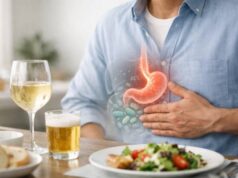
Long COVID can look like a respiratory problem, a fatigue problem, or a brain fog problem—yet for many people, the gut becomes one of the most disruptive “background” systems. Weeks after an infection, you might notice new diarrhea after ordinary meals, constipation that does not respond to your usual tricks, or reflux that shows up at night and makes sleep harder. These symptoms are not always severe, but they can be persistent, unpredictable, and emotionally draining because they interfere with food, routines, and social life.
The good news is that many long COVID digestive symptoms can be approached with the same practical, stepwise tools used for post-infectious gut changes—while keeping an eye out for signs that you need testing or targeted treatment. This guide explains common patterns, likely drivers, and what tends to help most, without overpromising quick fixes.
Core Points for Calmer Digestion
- Track symptoms and triggers for 2 weeks to spot repeatable patterns and avoid unnecessary restriction.
- Use a stepwise approach: hydration and meal timing first, then fiber type, then targeted medications if needed.
- Seek evaluation promptly for blood in stool, persistent fever, unintentional weight loss, dehydration, or trouble swallowing.
- Short trials work best: make one change at a time for 7–14 days before stacking multiple interventions.
- Consider reflux and bowel changes as part of a whole system that includes sleep, stress load, and pacing.
Table of Contents
- What long COVID can do to digestion
- Diarrhea after COVID: common patterns
- Constipation and slow motility after COVID
- Reflux and upper GI symptoms in long COVID
- Tests and red flags that matter
- What helps: a stepwise recovery plan
What long COVID can do to digestion
Long COVID is an umbrella term people use for symptoms that continue or appear after the acute infection phase. Digestive symptoms can be part of that picture even if you had mild initial illness. For some, the gut symptoms are a continuation of what started during infection. For others, they show up later—often alongside fatigue, sleep disruption, or changes in activity level.
Why the gut gets involved
Several overlapping mechanisms may help explain why digestion can feel “off” for weeks or months:
- Post-infectious sensitivity: After many infections, the intestine can become more reactive to normal stretching, gas, or certain carbohydrates. This can resemble irritable bowel patterns, even when tests are normal.
- Microbiome shifts: Viral illness, reduced appetite, antibiotics, and changes in routine can alter the gut microbiome. When the balance changes, gas patterns, stool form, and food tolerance may shift too.
- Immune and inflammatory signaling: The gut is a major immune organ. If immune signaling remains activated after infection, it can influence motility (how fast things move), permeability, and visceral sensitivity.
- Autonomic nervous system changes: Long COVID is often associated with dysautonomia-like symptoms (lightheadedness, heart rate swings, temperature sensitivity). The same autonomic pathways influence stomach emptying, intestinal contractions, and reflux.
- Medication and supplement effects: Nonsteroidal anti-inflammatory drugs, certain vitamins (especially magnesium), iron, and many common medications can create diarrhea, constipation, or reflux on their own.
Why symptoms fluctuate
A key feature people report is variability: “I was fine for three days, then it came back.” Fluctuations often track with sleep debt, stress load, activity spikes, meal timing, hydration, and hormonal cycles. That does not mean symptoms are “in your head.” It means the gut is a responsive organ, and long COVID can lower the threshold for reactions. The most helpful mindset is practical: focus on what is changeable (timing, hydration, fiber type, reflux positioning) while staying alert for warning signs that call for testing.
Diarrhea after COVID: common patterns
Diarrhea in long COVID can range from mildly loose stools to urgent, frequent bowel movements that make leaving the house stressful. The goal is not only to slow things down, but to figure out what pattern you are dealing with—because the best fix depends on the likely driver.
Patterns that show up often
- Post-infectious bowel changes: Stools may be looser, more frequent, and more sensitive to stress, coffee, and high-fat meals. Cramping and urgency can come and go.
- Food-triggered diarrhea: Lactose, sugar alcohols (sorbitol, xylitol), high-fructose drinks, and large amounts of raw vegetables can overwhelm a gut that is temporarily more sensitive.
- Medication-related diarrhea: Magnesium supplements, some antibiotics, metformin, certain antiviral or immune-modulating treatments, and even high-dose vitamin C can loosen stools.
- Bile acid-related diarrhea (possible): Some people develop watery diarrhea that worsens after fatty meals. This can be evaluated and treated, but it usually requires clinician-guided care.
- Inflammation or infection (less common but important): Persistent diarrhea with blood, fever, nighttime symptoms, or weight loss needs prompt evaluation.
First-line steps that are usually safe
- Prioritize hydration and electrolytes. If stools are frequent or watery, replace fluid and salts. Clear urine is not a perfect marker, but worsening dizziness, dry mouth, or reduced urination are red flags.
- Use a short “gut reset” menu for 48–72 hours. Think low-fat, lower-fiber, and gentle: rice, oats, bananas, eggs, yogurt if tolerated, soup, potatoes, and well-cooked vegetables. Then widen the diet again.
- Add soluble fiber, not rough fiber. Psyllium husk or oat-based soluble fiber can improve stool form by binding water. Start low and increase slowly.
- Limit high-sugar drinks and alcohol. Both can pull water into the intestine and worsen urgency.
- Consider short-term symptom relief. Over-the-counter anti-diarrheals can help some people for occasional urgency, but they are not a substitute for evaluation if you have fever, blood, severe pain, or significant dehydration.
Common mistakes
- Cutting too many foods at once. This can lead to poor nutrition and make it harder to identify the real trigger.
- Relying on raw salads or bran cereal for “health.” Insoluble fiber can worsen diarrhea and cramping in a sensitive gut.
- Ignoring nighttime symptoms. Diarrhea that wakes you from sleep deserves medical attention.
If diarrhea persists beyond a few weeks, you are not failing at “diet.” That is usually the point where it becomes worth discussing testing and targeted therapy.
Constipation and slow motility after COVID
Constipation after COVID is often underestimated because it can feel like a personal habit issue rather than a health consequence. In reality, it is a common post-illness pattern: less movement, less appetite, altered routines, and nervous system changes can all slow intestinal motility.
Why constipation may appear or worsen
- Reduced activity and deconditioning: The colon responds to movement. If you have been resting more, motility often slows.
- Hydration shifts: Some people drink less due to nausea, fatigue, or altered thirst signals.
- Dietary changes: Higher reliance on refined carbs, protein shakes, or low-fiber “safe foods” can reduce stool bulk.
- Autonomic changes: If long COVID affects autonomic balance, motility and pelvic floor coordination can be impacted.
- Constipating medications: Antihistamines, certain antidepressants, iron, opioid pain medicines, and some anti-nausea drugs can slow stools.
A practical constipation ladder
Try each step for about 7–14 days before moving to the next, unless symptoms are severe.
- Routine first: Pick a consistent time—often 20–30 minutes after breakfast—to sit on the toilet without rushing. The gastrocolic reflex is strongest after meals.
- Hydration with intention: If you tolerate it, start the day with a full glass of water. If you have diarrhea swings, keep hydration steady rather than alternating extremes.
- Choose the right fiber: Many people jump to high-bran cereal and get more bloating. Instead, try soluble fiber (psyllium, chia, oats). Start low, increase slowly, and pair it with adequate fluid.
- Gentle osmotic support: Polyethylene glycol-type products are commonly used to draw water into stool and can be easier on the gut than stimulant laxatives when used appropriately.
- Targeted therapies when needed: If constipation is persistent, painful, or associated with significant bloating, a clinician can assess for pelvic floor dysfunction, slow transit, thyroid issues, or medication contributors and recommend a tailored plan.
Constipation mistakes that backfire
- Too much fiber too fast: This can worsen bloating and discomfort, especially if motility is already slow.
- Skipping meals to avoid symptoms: Smaller, regular meals often support motility better than long fasting windows.
- Overusing stimulant laxatives: Occasional use may be appropriate for some, but frequent reliance can lead to cramping and can mask the need for evaluation.
Constipation that is new and persistent—especially with blood in the stool, anemia, severe pain, or unexplained weight loss—should be evaluated rather than managed only with supplements.
Reflux and upper GI symptoms in long COVID
Reflux, nausea, early fullness, and “food just sits there” sensations can be part of long COVID. Some people describe new heartburn; others notice throat clearing, a chronic cough, or a sour taste that appears at night. Upper GI symptoms are especially disruptive because they affect eating, sleep, and recovery energy.
What may be driving reflux and nausea
- Meal timing and reduced activity: More time lying down, irregular meals, or late-night snacking can increase reflux episodes.
- Heightened gut sensitivity: The esophagus can become more reactive to normal acid exposure, making mild reflux feel intense.
- Delayed stomach emptying (possible): If stomach emptying slows, fullness, nausea, and reflux can worsen—especially after high-fat meals.
- Stress physiology: Stress does not “cause” reflux, but it can amplify symptoms, tighten abdominal muscles, and worsen sleep, which then feeds back into symptom intensity.
- Medications and supplements: Some pills irritate the esophagus if taken without enough water or right before lying down.
A reflux plan that avoids overcomplication
- Adjust timing before restricting foods.
- Finish your last meal at least 2–3 hours before lying down.
- If nights are the worst, make dinner smaller and shift more calories earlier in the day.
- Use positioning strategies.
- Elevate the head of the bed if nighttime symptoms dominate.
- Sleep on your left side if that reduces symptoms.
- Simplify your triggers.
- Common triggers include alcohol, peppermint, large fatty meals, spicy foods, and carbonated drinks. Instead of cutting everything, pick one likely trigger to reduce for 10–14 days and reassess.
- Consider short-term medications thoughtfully.
- Some people do well with antacids or alginate-based products for occasional symptoms.
- If symptoms are frequent, clinicians often recommend a time-limited trial of acid suppression, followed by reassessment and a plan to step down when appropriate.
When reflux needs prompt evaluation
Seek medical care if you have trouble swallowing, food sticking, vomiting blood, black stools, persistent vomiting, chest pain that is not clearly reflux, or unintentional weight loss. Also consider evaluation if you need frequent acid-suppressing medications for more than a few weeks without a clear plan—especially if symptoms began suddenly after COVID and do not respond to basic measures.
Tests and red flags that matter
One of the hardest parts of long COVID digestive symptoms is uncertainty: “Is this still post-viral, or is it something else?” Both can be true. Post-infectious gut changes are real, but they should not become a blanket explanation that delays appropriate testing.
Red flags that should not wait
Contact a clinician promptly or seek urgent care depending on severity if you have:
- Blood in stool or black, tarry stools
- Persistent fever, severe or worsening abdominal pain, or repeated vomiting
- Signs of dehydration (very low urination, dizziness, fainting, confusion)
- Unintentional weight loss, loss of appetite that continues for weeks, or difficulty keeping food down
- Trouble swallowing, food sticking, or pain with swallowing
- Diarrhea that wakes you from sleep or persists beyond several weeks
- New constipation with severe pain, vomiting, or inability to pass gas
- A personal or strong family history of inflammatory bowel disease, celiac disease, or colon cancer combined with new symptoms
What clinicians often check
Testing is individualized, but common categories include:
- Basic blood work: anemia, inflammation markers, electrolyte balance, liver function, thyroid function, and signs of malabsorption.
- Stool tests (especially for diarrhea): infection testing when relevant, and sometimes markers of inflammation to help distinguish functional symptoms from inflammatory causes.
- Celiac disease screening: particularly when diarrhea, bloating, iron deficiency, or unexplained weight changes are present.
- Reflux evaluation: if symptoms are persistent, severe, or associated with alarm symptoms, endoscopic evaluation may be considered.
- Motility or pelvic floor assessment: for constipation that does not respond to first-line strategies, particularly when there is straining, incomplete emptying, or significant bloating.
A simple self-tracking method that helps your appointment
Before you see a clinician (or while you try a stepwise plan), track for 10–14 days:
- Stool frequency and form (use a simple 1–7 stool form scale)
- Presence of urgency, cramping, bloating, reflux episodes, and nausea
- Meal timing and the “top three” foods that repeatedly show up before symptoms
- Sleep duration and any major activity spikes
- New medications, supplements, and dose changes
This kind of tracking makes patterns visible and helps your clinician decide whether a post-infectious approach is appropriate or whether testing should move earlier in the plan.
What helps: a stepwise recovery plan
When long COVID digestive symptoms persist, people often swing between extremes: “ignore it and push through” or “restrict everything and hope it settles.” A middle path is usually more effective: a structured plan that protects nutrition, reduces symptom load, and escalates thoughtfully when needed.
Step 1: Stabilize the basics for 2 weeks
Focus on consistency rather than perfection:
- Regular meals: Aim for three meals or two meals plus a snack, keeping timing steady.
- Hydration baseline: Use a steady daily target that fits your body size and activity, and add electrolytes if diarrhea is frequent.
- Gentle movement: Short, frequent walks or light mobility work often support motility better than occasional big workouts—especially if post-exertional symptom flares are an issue.
- Sleep support: Reflux and gut sensitivity worsen with sleep disruption; prioritize reflux positioning and evening meal timing to protect sleep quality.
Step 2: Use “one-change trials” instead of full restriction
Pick one lever at a time:
- If diarrhea dominates: trial a lower-fat, lower-irritant pattern plus soluble fiber; limit high-sugar drinks and alcohol.
- If constipation dominates: trial soluble fiber plus hydration plus a morning toilet routine; avoid adding multiple harsh supplements at once.
- If reflux dominates: trial earlier dinner timing and head-of-bed elevation before eliminating many foods.
If you suspect FODMAP sensitivity (gas, bloating, urgent stools after certain carbs), consider a short and structured lower-FODMAP trial with planned reintroduction. The goal is not to “stay low FODMAP forever.” The goal is to identify which carbohydrate groups are triggers and broaden the diet again.
Step 3: Microbiome support, carefully and realistically
People often jump to probiotics immediately. Sometimes they help; sometimes they worsen bloating. A practical approach:
- Start with food-first options if tolerated: small servings of yogurt or fermented foods.
- If using a probiotic, try one product at a time for 2–4 weeks, watching for increased gas or discomfort.
- Remember that probiotics are not a substitute for evaluation when red flags are present.
Step 4: Targeted medical support when symptoms persist
If you have had 4–6 weeks of ongoing symptoms, or if symptoms significantly impair life, consider clinician-guided care. Helpful supports may include:
- Medications tailored to symptom pattern (diarrhea-predominant, constipation-predominant, reflux-focused)
- Pelvic floor physical therapy for outlet constipation
- Dietitian support to prevent unnecessary restriction and maintain protein, fiber quality, and micronutrients
- A plan for stepping down reflux medications when appropriate rather than staying on autopilot
Step 5: Treat the gut as part of the whole system
Long COVID symptoms often cluster. If your gut symptoms worsen after poor sleep, stress surges, or exertion spikes, that pattern is useful. Breathwork, pacing, and structured stress support do not replace medical evaluation, but they can lower symptom intensity by reducing autonomic volatility. The goal is steadier inputs to a sensitive system—so digestion has room to normalize.
References
- A Systematic Review of the Prevalence of Persistent Gastrointestinal Symptoms and Incidence of New Gastrointestinal Illness after Acute SARS-CoV-2 Infection 2023 (Systematic Review)
- Long-term gastrointestinal outcomes of COVID-19 2023 (Cohort Study)
- COVID-19 rapid guideline: managing the long-term effects of COVID-19 2024 (Guideline)
- ACG Clinical Guideline: Guidelines for the Diagnosis and Management of Gastroesophageal Reflux Disease 2022 (Guideline)
- American Gastroenterological Association-American College of Gastroenterology Clinical Practice Guideline: Pharmacological Management of Chronic Idiopathic Constipation 2023 (Guideline)
Disclaimer
This article is for educational purposes only and does not provide medical advice, diagnosis, or treatment. Long COVID symptoms can overlap with other conditions that require specific testing and care. If you have severe or worsening abdominal pain, blood in stool, black stools, persistent fever, repeated vomiting, dehydration, chest pain, trouble swallowing, or unintentional weight loss, seek urgent medical evaluation. For ongoing symptoms, discuss a personalized plan with a qualified clinician, especially if you are pregnant, immunocompromised, managing chronic disease, or taking prescription medications.
If you found this helpful, consider sharing it with others on Facebook, X (formerly Twitter), or any platform you prefer.