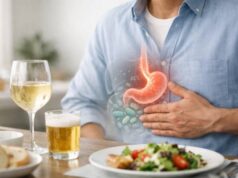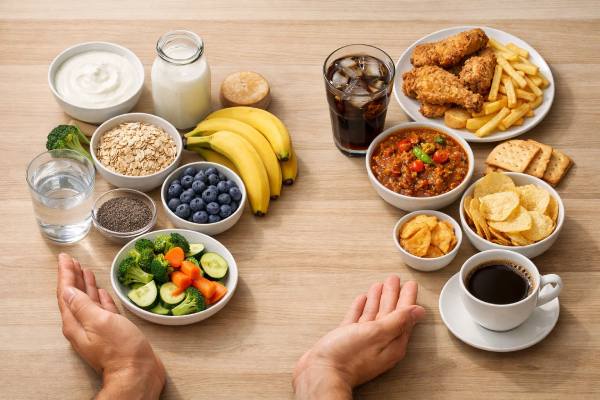
A “gut-friendly” diet is less about perfection and more about reducing friction: choosing foods and habits that your digestive system can break down smoothly, without excess gas, pain, reflux, urgency, or constipation. The same meal can feel soothing one day and irritating the next, because digestion is shaped by motility, stress, sleep, hormones, hydration, and even how fast you eat. Still, patterns are predictable. Certain foods consistently support the gut lining and microbiome, promote regular bowel movements, and calm inflammation. Others tend to ferment rapidly, pull water into the bowel, relax the valve that prevents reflux, or overwhelm digestion with fat, spice, and additives. This guide shows what typically helps and what commonly irritates—then gives you a practical way to personalize your choices without unnecessary restriction.
Core Points
- Favor gentle fiber sources (oats, chia, cooked vegetables, berries) to support regularity and a steadier microbiome.
- Use fermented foods and probiotics strategically—small amounts, consistent use, and realistic expectations.
- Treat common triggers (large fatty meals, sugar alcohols, onion and garlic, carbonated drinks) as “dose-dependent,” not automatically forbidden.
- Avoid long-term, highly restrictive eating patterns unless they are time-limited and followed by reintroduction.
- Apply a two-week symptom-and-meal check-in, then change one variable at a time to find your personal tolerances.
Table of Contents
- How digestion reacts to food
- Fiber and resistant starch for regularity
- Fermented foods and probiotics in practice
- FODMAPs and other gas triggers
- Fats, spices, and drink irritants
- A plan to personalize your plate
How digestion reacts to food
Digestion is not a single process—it is a relay race. Your mouth starts mechanical breakdown and signals the stomach to prepare acid. The stomach churns and releases food gradually into the small intestine, where bile and enzymes do most of the chemical work. What you do not absorb becomes food for your gut microbes in the colon. When any leg of this relay speeds up, slows down, or gets overloaded, symptoms appear.
Why “healthy” foods can still cause symptoms
Many gut complaints are not signs of harm; they are signs of fermentation, stretching, or sensitivity:
- Gas and bloating often reflect how much carbohydrate reaches the colon and how quickly microbes ferment it. A big serving of beans, apples, or wheat can produce more gas than your body can comfortably move along.
- Cramping can come from spasms as the bowel tries to push contents forward, or from the gut wall being more sensitive than average (common in irritable bowel patterns).
- Urgency or loose stools may happen when certain sugars pull water into the bowel or when caffeine and stress speed motility.
- Constipation can reflect slow transit, low fiber, low fluids, inconsistent eating, or not responding to the urge to go.
- Reflux and upper belly discomfort often relate to meal size, fat content, timing, and how tightly the lower esophageal valve stays closed.
Two overlooked factors: dose and context
The same food can be “gut-friendly” at one dose and irritating at another. Context matters too:
- A salad can be easy for someone with robust motility, but rough for someone recovering from a stomach virus or dealing with a constipation flare.
- A small serving of lentils may be fine, while a large bowl creates rapid fermentation and pressure.
- A rich meal late at night may trigger reflux even if the ingredients are otherwise nutritious.
When food is not the whole story
Diet is powerful, but it cannot substitute for evaluation when symptoms suggest something more serious. Consider medical advice if you have persistent vomiting, black or bloody stools, unexplained weight loss, anemia, progressive trouble swallowing, fevers, nighttime diarrhea, or new symptoms after age 50. These are not “food intolerance” patterns you should try to solve by restriction alone.
A gut-friendly approach works best when it respects biology: reduce overload, improve consistency, and use food choices as tools—not moral judgments.
Fiber and resistant starch for regularity
If you had to pick one dietary lever that helps the greatest number of digestive complaints, it would be fiber—applied thoughtfully. Fiber supports stool form, feeds beneficial microbes, and can make digestion feel “predictable.” But the type of fiber, the amount, and the speed of change matter as much as the headline.
Soluble, insoluble, and why “gentle” fiber wins
- Soluble fiber mixes with water and can form a gel. It often helps both constipation and loose stools by improving stool consistency. Examples include oats, barley, chia, flax, citrus pulp, and psyllium.
- Insoluble fiber adds bulk and can speed transit, which is helpful for some constipation patterns but too rough for others during flares. Examples include wheat bran, skins of some fruits, and many raw vegetables.
- Viscous fibers (a subset of soluble fibers) tend to be especially helpful for stool form and satiety.
If your gut is sensitive, start with soluble or viscous fibers first. Many people tolerate these better than coarse bran or large amounts of raw roughage.
Resistant starch: a quiet helper for the microbiome
Resistant starch is a starch that “resists” digestion in the small intestine and reaches the colon, where microbes ferment it into short-chain fatty acids that support the gut lining. Food examples include:
- Cooked and cooled potatoes or rice (reheating is fine)
- Slightly green bananas or banana flour (use cautiously if you bloat easily)
- Oats, legumes, and some whole grains
Because resistant starch is fermentable, it can cause gas in high doses. Think “small and steady,” especially at first.
How to increase fiber without getting gassy
A rapid jump in fiber is a classic cause of bloating. Use a gradual ramp:
- Add one fiber upgrade per day for one week (for example, oats at breakfast or chia in yogurt).
- Increase serving size slowly every three to four days if you feel comfortable.
- Match fiber with fluids. Fiber without enough water can worsen constipation.
- Prefer cooked over raw during sensitive periods; cooking softens fibers and reduces mechanical irritation.
- Use psyllium strategically if you need a predictable tool: start low and increase slowly.
Food examples that often feel gut-friendly
- Breakfast: oatmeal with chia and blueberries; or yogurt with oats and kiwi
- Lunch: lentil soup in a modest portion; or quinoa with roasted carrots and olive oil
- Dinner: baked salmon with cooked zucchini and rice; or tofu stir-fry with well-cooked greens
Fiber is one of the best long-game strategies for digestion, but it works best when it is increased gradually and chosen to match your current symptoms.
Fermented foods and probiotics in practice
Fermented foods and probiotics are often described as “good for gut health,” but the practical reality is more nuanced. Some people feel calmer digestion with consistent use, while others notice no change—or even more gas. The key is understanding what you are actually adding, and why.
Fermented foods versus probiotics
- Fermented foods are foods transformed by microbes. They may contain live cultures (depending on processing) and also contain fermentation byproducts that can influence digestion.
- Probiotics are defined strains of live microorganisms taken in a dose intended to confer a benefit. Foods and supplements can both be probiotic, but not all fermented foods deliver consistent strains and amounts.
A helpful mindset: fermented foods are “food first” options that can support variety and tolerance; probiotic supplements are more like a targeted trial.
Gut-friendly fermented choices
These are commonly tolerated when introduced gradually:
- Yogurt with live cultures (lactose-free versions can be easier)
- Kefir (often lower in lactose than milk, but still not for everyone)
- Sauerkraut or kimchi (start with a small forkful; watch spice and histamine sensitivity)
- Miso (a small amount in soup can be gentle)
- Tempeh (fermented soy that many people digest more easily than some other soy foods)
How to use them without triggering symptoms
Fermented foods can be high in acids, salt, spice, or biogenic amines. Start small:
- Begin with one to two tablespoons of a fermented vegetable, or half a cup of yogurt or kefir, several times per week.
- Keep the rest of the meal simple the first few times so you can read your response.
- Choose plain, unsweetened options when possible; high added sugar can worsen bloating and stool urgency for some people.
When probiotics may help and when to be cautious
A probiotic trial makes sense when symptoms are persistent and you want a structured experiment—especially for bloating, irregular stools, or after antibiotics. Keep expectations realistic: probiotics are not instant “microbiome fixes,” and responses vary by strain and individual.
Be cautious if you are immunocompromised, have a central line, are critically ill, or have severe pancreatitis history—these are situations where probiotics should be discussed with a clinician. Also, if fermented foods worsen flushing, itching, headaches, or reflux, you may have a histamine sensitivity pattern and might do better with non-fermented gut supports first.
A simple way to run a probiotic trial
- Choose one product, not a rotating shelf of options.
- Use it daily for four weeks unless symptoms clearly worsen.
- Track two or three outcomes (for example: bloating rating, stool form, urgency).
- If it helps, keep it. If not, stop—more is not always better.
Used carefully, fermented foods and probiotics can be supportive tools, not obligations.
FODMAPs and other gas triggers
If bloating, gas, and abdominal pressure are your main issues, the biggest dietary driver is often fermentation: how much rapidly fermentable carbohydrate reaches the colon. This is where FODMAPs enter the picture.
What FODMAPs are in plain language
FODMAPs are types of carbohydrates that are either poorly absorbed, rapidly fermented, or both. They can:
- Pull water into the intestine (leading to looser stools or urgency)
- Ferment quickly (leading to gas and bloating)
- Stretch the gut wall, which can feel painful if you are sensitive to distension
Common categories include lactose (in some dairy), excess fructose (in some fruits and sweeteners), fructans (in wheat, onion, and garlic), galacto-oligosaccharides (in many legumes), and polyols (sugar alcohols in some fruits and “sugar-free” products).
High-impact triggers to recognize
Some of the most common “why did that meal do this to me?” foods are:
- Onion and garlic (often the biggest culprits because they show up in sauces and seasoning blends)
- Wheat-heavy meals (especially large portions of pasta, bread, and pastries)
- Apples, pears, mango, and large servings of watermelon
- Beans and lentils in large portions
- Sugar alcohols like sorbitol, mannitol, xylitol, and maltitol (common in sugar-free gum, candies, protein bars, and some “diet” products)
Do you need a full low FODMAP diet?
Not always. A full low FODMAP approach is most useful for persistent symptoms that have not improved with simpler steps. It is also designed to be temporary, followed by structured reintroduction. If you jump into restriction and stay there, you may reduce dietary variety and make eating feel stressful.
Many people do well with a “targeted” strategy first:
- Reduce portion size of one suspected trigger
- Swap onion and garlic for infused oils, chives, or asafoetida
- Choose lower-fermentable fruits (berries, citrus, kiwi, grapes)
- Use canned lentils or smaller legume portions (rinsing helps)
A practical two-phase approach
If you suspect fermentable carbs are driving symptoms, try this:
- Two weeks of targeted swaps (not total restriction). Focus on the top triggers you eat most often.
- Reintroduce with intention. If symptoms calm, test one category at a time by portion size so you learn your real threshold.
The goal is not to “avoid FODMAPs forever.” The goal is to find which ones matter to you, at what dose, and in what context—so your diet stays varied and sustainable.
Fats, spices, and drink irritants
Some digestive symptoms are driven less by fermentation and more by irritation, reflux physiology, and meal load. Fat, spice, and certain drinks can be the difference between “comfortable” and “burning,” even when the meal is otherwise wholesome.
Fat: not the enemy, but the dose matters
Dietary fat slows stomach emptying. In practical terms, that means a very fatty meal sits longer, increases fullness, and can increase the chance of reflux in susceptible people. Large portions of fried foods, creamy sauces, rich desserts, and fatty cuts of meat are common triggers.
That does not mean you need low-fat eating. Many people tolerate moderate portions of healthy fats well, especially when spread through the day:
- Olive oil, avocado, nuts, and seeds (in reasonable portions)
- Fatty fish in a moderate serving
- Nut butters used as a thin layer rather than a heavy scoop
If reflux is your main issue, consider the combination of fat plus volume plus timing as the main driver: a big late meal is far more likely to cause symptoms than a moderate, earlier meal.
Spice, acid, and heat sensitivity
Spicy foods can irritate the upper digestive tract in some people and can also speed bowel movements. Common triggers include chili-heavy dishes, hot sauces, and heavily peppered meals. Tomatoes and citrus are often blamed because they are acidic, but tolerance varies widely; for some people, it is the overall meal pattern (late, large, fatty) that matters more than acidity alone.
If you love spice, you can often keep it with smarter dosing:
- Use smaller amounts of heat and add more aroma (ginger, cumin, coriander)
- Pair spicy elements with a starchy base that buffers intensity
- Avoid making a spicy meal also a very fatty meal
Drinks that commonly bother digestion
Beverages can be stealth triggers because they are easy to consume quickly:
- Carbonated drinks can increase belching and pressure, worsening reflux or bloating.
- Coffee and caffeinated energy drinks can increase motility and urgency in some people and may worsen reflux in others.
- Alcohol can irritate the gut lining, disrupt motility, and worsen reflux.
- Very sweet drinks (including some juices and “fitness” beverages) can pull water into the bowel and increase gas.
A useful experiment is to shift to still water, weak tea, or diluted juice for two weeks and see whether reflux, urgency, or bloating changes meaningfully.
Meal timing and posture count more than most people think
If reflux is recurring, two habits often matter as much as food choice:
- Avoid lying down soon after eating.
- Consider an earlier dinner with a smaller portion, especially if symptoms appear at night.
Irritants are rarely all-or-nothing. The goal is to reduce the combinations that overwhelm your system—then keep the foods you enjoy in portions and patterns you can handle.
A plan to personalize your plate
The most effective gut-friendly diet is personalized. Two people can eat the same “clean” menu and have opposite outcomes because their triggers differ: one struggles with reflux, another with constipation, another with fermentation, another with sensitivity after infections or antibiotics. The goal is to create a steady baseline, then learn your thresholds without turning food into a long list of fears.
Step 1: Name your pattern before you change your food
Start with the dominant symptom:
- Bloating and gas: focus on fermentable carbs, meal speed, and carbonated drinks
- Constipation: focus on gentle fiber, fluids, routine, and movement
- Loose stools or urgency: focus on soluble fiber, reducing sugar alcohols, and limiting very fatty meals
- Reflux or upper belly discomfort: focus on meal size, timing, fat load, and trigger drinks
You can have more than one pattern, but pick one as your starting point.
Step 2: Build a two-week “calm baseline”
A calm baseline is not a restrictive cleanse. It is a simple, repeatable plan with low volatility:
- Choose two breakfasts and two lunches you tolerate well and repeat them.
- Keep dinners simple: a protein, a cooked vegetable, and a starch you digest well.
- Limit the highest-likelihood triggers for your pattern (for example, late large meals for reflux, sugar alcohols for urgency, onion and garlic for bloating).
- Eat at consistent times and slow down: aim for meals that take at least 15 minutes.
Track just a few signals daily: bloating level, stool form, urgency, reflux intensity, and energy.
Step 3: Change one variable at a time
This is where most people fail: they change everything and cannot tell what helped. Use “single-variable” experiments:
- Keep meals mostly the same for three days.
- Change one thing (for example, swap wheat pasta for rice, or carbonated water for still water).
- Watch for a clear pattern, not a single day’s noise.
Step 4: Reintroduce for variety and nutrition
When symptoms improve, do not stop. The next step is to expand variety:
- Increase fiber sources slowly and rotate types.
- Re-test foods you miss in small portions with simple meals.
- Keep your “known safe” meals as backups for busy weeks.
Simple gut-friendly meal templates
- For constipation: oats with chia; kiwi; lentil soup in a modest portion; roasted vegetables; plenty of fluids
- For bloating: cooked vegetables over raw; smaller legume portions; lower-fermentable fruits; limit sugar alcohols
- For reflux: smaller dinners; moderate fat; avoid late meals; keep trigger drinks earlier in the day
If you feel stuck, a registered dietitian can help you avoid unnecessary restriction and keep nutrition strong while you identify triggers.
References
- AGA Clinical Practice Update on the Role of Diet in Irritable Bowel Syndrome: Expert Review 2022 (Guideline)
- Efficacy of a low FODMAP diet in irritable bowel syndrome: systematic review and network meta-analysis 2022 (Systematic Review)
- ACG Clinical Guideline: Guidelines for the Diagnosis and Management of Gastroesophageal Reflux Disease 2022 (Guideline)
- Efficacy and safety of probiotics in irritable bowel syndrome: A systematic review and meta-analysis 2024 (Systematic Review)
- Dietary Fiber Intake and Gut Microbiota in Human Health 2022 (Review)
Disclaimer
This article is for general educational purposes and is not a substitute for personalized medical advice, diagnosis, or treatment. Digestive symptoms can have many causes, and restrictive diets are not appropriate for everyone. If you have severe or persistent symptoms, blood in the stool, unexplained weight loss, anemia, trouble swallowing, ongoing vomiting, fever, or symptoms that wake you from sleep, seek medical care promptly. If you are pregnant, managing a chronic condition, immunocompromised, or considering a highly structured diet (such as a low FODMAP plan), consider guidance from a qualified clinician or registered dietitian.
If this guide helped you, consider sharing it on Facebook, X (formerly Twitter), or any platform you prefer.