Loose stool can turn an ordinary day into a careful negotiation with bathrooms, work, and meals. Food cannot fix every cause, but the right choices often make a noticeable difference within 24–72 hours by slowing intestinal transit, binding extra water, and supporting better fluid absorption. The most helpful approach is not “eat less” or “eat bland forever.” It is choosing foods that are easier to digest, using soluble fiber to gently thicken stool, and pairing fluids with enough salt to replace what you are losing. When you combine those steps with simple meal timing and a short list of foods to avoid, many episodes become more predictable and less disruptive. This article explains which foods typically firm stool, how to use them without triggering constipation, and how to build practical meals while your gut settles—whether you are dealing with a short-lived stomach bug, travel changes, stress, or an irritable bowel pattern.
Quick Overview
- Soluble fiber foods can thicken stool by forming a gel that holds excess water and slows transit.
- Starchy “binding” foods and lean proteins often reduce urgency while you reintroduce variety.
- Persistent diarrhea, dehydration, fever, blood in stool, or severe pain needs medical evaluation rather than food-only management.
- Pair fluids with salt (not plain water alone) to support absorption and reduce dizziness and fatigue.
Table of Contents
- Why Stool Gets Loose Quickly
- Soluble Fiber Foods That Thicken Stool
- Starches That Bind and Calm the Gut
- Salt and Fluids for Better Absorption
- Simple Meal Ideas for the Next 48 Hours
- Foods and Habits That Keep It Loose
Why Stool Gets Loose Quickly
Loose stool usually happens for one of three practical reasons: your gut is moving too fast, it is pulling extra water into the bowel, or it is irritated and secreting fluid. In real life, these can overlap.
Three common mechanisms that change stool consistency
- Fast transit: When the intestine moves contents along quickly, there is less time to absorb water. Stress, viral illnesses, some medications, and an irritable bowel pattern can all speed transit.
- Osmotic load: Certain sugars and poorly absorbed carbohydrates draw water into the intestine. Large servings of fruit juice, sugar alcohols (common in “sugar-free” products), and lactose (for people who do not digest it well) are frequent culprits.
- Irritation or inflammation: Infection, food intolerance, bile acid issues, or antibiotic-related changes can increase secretion and urgency.
When food can help the most
Food strategies work best when loose stool is mild to moderate and you can keep fluids down. The goal is to reduce triggers, choose easier-to-digest meals, and stabilize hydration while your gut recovers. Many people notice the biggest improvement when they combine three moves at once:
- Reduce very fatty, spicy, and sugary foods for a short period.
- Add stool-firming foods (soluble fiber and gentle starches).
- Replace fluids with something that includes sodium.
Red flags that should override dietary experiments
Seek medical care promptly if you have any of the following:
- Signs of dehydration: fainting, confusion, very dark urine, inability to urinate, or rapid heartbeat
- Fever that persists, severe abdominal pain, or a rigid abdomen
- Blood or black tar-like stool
- Diarrhea lasting more than 3 days without improvement, or repeated episodes over weeks
- High-risk situations: pregnancy, older age with frailty, immune suppression, recent hospitalization, or recent antibiotics with worsening diarrhea
If you are generally well and symptoms are settling, food can be a powerful “supportive therapy.” Think of it as helping the intestine do its basic job again: absorb water, move at a calmer pace, and give your body a break.
Soluble Fiber Foods That Thicken Stool
Soluble fiber is one of the most useful tools for firming loose stool because it can absorb water and form a gel-like texture in the gut. That gel can thicken stool, reduce “watery” urgency, and make bowel movements feel more complete instead of frequent and fragmented.
Soluble fiber versus insoluble fiber
- Soluble fiber dissolves or swells in water, forming a gel that can help stool hold shape.
- Insoluble fiber adds bulk and can speed movement through the gut. During active diarrhea, large amounts of insoluble fiber (especially from raw bran-heavy foods) can make symptoms worse for some people.
This is why “more fiber” is not always the right advice. The type and the dose matter.
Food sources that tend to firm stool
These foods are commonly well tolerated and naturally higher in soluble fiber:
- Oatmeal and oat bran
- Barley (as porridge or in soup)
- Applesauce and peeled apples (pectin is a key soluble fiber)
- Bananas (often best when ripe and easy to digest)
- Carrots, winter squash, and pumpkin (cooked until soft)
- Chia seeds (soaked to form a gel)
- Ground flaxseed (small amounts can help some people)
How to use soluble fiber without overshooting into constipation
A gentle starting point is to add one soluble-fiber food at a time and give it a full day to assess. Practical examples:
- Oatmeal: start with 1/2 cup cooked, once daily.
- Chia gel: 1 teaspoon chia mixed into yogurt alternative, porridge, or warm cereal (increase slowly).
- Applesauce: 1/2 cup as a snack instead of fruit juice.
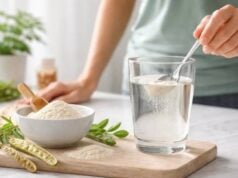
If you use a fiber supplement such as psyllium, treat it like a “measured ingredient,” not a free-pour. Many adults do well starting with about 1 teaspoon once daily mixed into a full glass of water, then adjusting every 3–4 days. Too much too fast can cause cramping or gas, and too little fluid can worsen constipation.
Safety notes that matter
- Always take gel-forming fibers with adequate fluid to reduce the risk of choking and to support safe movement through the gut.
- Separate fiber supplements from medications by about 2 hours unless your clinician advises otherwise.
- If you have swallowing problems, severe narrowing in the digestive tract, or unexplained weight loss, get medical guidance before using fiber supplements.
Used thoughtfully, soluble fiber is a “stool normalizer”: it can firm loose stool without pushing you toward harsh restriction.
Starches That Bind and Calm the Gut
Starchy foods get a bad reputation, but during loose stool they often become the backbone of symptom control. Gentle starches are easy to digest, provide steady energy, and tend to produce a more formed stool by slowing transit and giving the intestine time to reabsorb water.
Classic binding foods and modern upgrades
Many people know the “BRAT” idea (bananas, rice, applesauce, toast). It can be useful for a short window, but it is often too limited if used for days. A better approach is “BRAT plus protein and soup,” which supports recovery without overloading the gut.
Helpful starches include:
- White rice, rice porridge, and rice noodles
- Potatoes (boiled or baked, peeled if very sensitive)
- Toast, plain bagels, and crackers (choose simpler options first)
- Pasta with a small amount of olive oil and salt (avoid heavy cream sauces initially)
- Cream of rice or semolina-style cereals
- Pretzels or salted rice cakes as small snacks
Lean proteins that usually sit well
Protein helps stabilize blood sugar and reduces the “hollow, shaky” feeling that can follow repeated loose stools. Good options when your gut is unsettled:
- Poached or baked chicken or turkey
- Eggs (scrambled or soft-boiled)
- Tofu or tempeh (plain, lightly seasoned)
- White fish
- Clear broths with shredded meat or tofu
Keep portions moderate at first. Large, heavy meals can trigger a reflex that speeds bowel movement.
Vegetables and fruit: choose the gentlest forms
During active loose stool, the preparation method matters as much as the ingredient:
- Prefer cooked, soft vegetables (carrots, zucchini without skin, pumpkin, squash).
- Avoid large salads, cruciferous vegetables, and onions until stool is more formed.
- Choose whole fruit over juice, and keep portions modest. Applesauce is often easier than raw apples; ripe banana is often easier than large fruit mixes.
Simple snack pairings that reduce urgency
- Toast with a thin spread of nut butter (if fat is tolerated)
- Rice porridge with a pinch of salt
- Potato with salt and a small amount of olive oil
- Crackers with a hard-boiled egg
If you are hungry but nervous to eat, start with small servings every 3–4 hours. Consistency often improves when the gut receives a steady, gentle workload rather than long fasts followed by big meals.
Salt and Fluids for Better Absorption
With loose stool, hydration is not just “drink more.” You lose water and electrolytes—especially sodium—and replacing only water can leave you weak, dizzy, and still thirsty. Sodium helps the intestine absorb fluid more efficiently, which is why people often feel better when they sip a balanced rehydration drink rather than chugging plain water.
Why salt matters for rehydration
The small intestine absorbs water more effectively when sodium and glucose are present in the right balance. This is the logic behind oral rehydration solutions. You do not need a severe illness to benefit from this principle; even mild diarrhea can make you feel significantly better when fluids include some sodium.
Best fluid choices when stool is loose
Often well tolerated:
- Oral rehydration solution (commercial packets or ready-to-drink versions)
- Broth-based soups with rice or noodles
- Water with salted crackers or pretzels on the side
- Weak tea with a small snack (if caffeine is minimal)
- Diluted sports drink in a pinch (better than plain water alone, but not always ideal)
If you are drinking a lot of water and still feel lightheaded, consider switching part of your intake to a salted option.
A careful homemade option
If you cannot access a commercial oral rehydration solution, a commonly used home recipe is:
- 1 liter of clean water
- 6 level teaspoons of sugar
- 1/2 level teaspoon of table salt
Measurements matter. Too much salt can be harmful, and “eyeballing” is not recommended. If you have kidney disease, heart failure, uncontrolled high blood pressure, or you are on a strict sodium restriction, get medical guidance before using salt-based rehydration strategies.
How much to drink
A practical approach is frequent, smaller sips:
- Aim for 100–200 ml every 10–15 minutes if you are actively losing fluid.
- After each loose stool, many adults do well with an additional 250–500 ml of fluid, taken gradually.
If nausea is present, cold fluids and small sips are often easier than large gulps.
What to limit while rehydrating
- Alcohol
- Large amounts of caffeine
- Very sweet drinks and undiluted fruit juice
- Carbonated beverages if they worsen bloating
Rehydration supports stool-firming foods by giving your intestine the conditions it needs to absorb water again.
Simple Meal Ideas for the Next 48 Hours
When stool is loose, the most useful meal plan is not a rigid “diarrhea diet.” It is a short, structured reset that reduces triggers, uses soluble fiber and binding starches strategically, and gradually rebuilds variety. Below are templates you can repeat, mix, and adjust based on appetite.
Day 1: Calm and stabilize
Choose 3–4 small meals and 1–2 snacks.
- Breakfast: oatmeal made with water (or lactose-free milk), topped with sliced ripe banana
- Snack: applesauce or a few salted crackers
- Lunch: rice porridge with broth, plus shredded chicken or tofu
- Snack: toast or rice cakes with a thin spread of nut butter (if tolerated)
- Dinner: baked potato with salt, plus eggs or white fish; cooked carrots on the side
Flavor is allowed. Use salt, small amounts of olive oil, and gentle herbs. Avoid heavy spice blends and garlic-heavy sauces on day one.
Day 2: Build tolerance and reintroduce
If urgency is improving, expand cautiously:
- Add a second cooked vegetable (zucchini, pumpkin, or peeled cucumber)
- Increase protein portions slightly
- Try a small serving of yogurt if you tolerate dairy, or choose lactose-free yogurt
- Add a simple starch alternative (pasta with olive oil and salt, or rice noodles)
Vegetarian and gluten-free swaps
- Replace chicken with tofu, tempeh, or well-cooked lentils in small portions (lentils can be gassy for some, so start with 2–3 tablespoons)
- Choose rice, potatoes, corn tortillas, or gluten-free oats instead of wheat bread if wheat seems to worsen symptoms
Three “firming” meal formulas
- Soft starch + lean protein + cooked vegetable
Example: rice + eggs + carrots - Soup base + grain + salt
Example: broth + noodles + a pinch of salt - Soluble fiber anchor + gentle add-ons
Example: oatmeal + banana + small chia gel dose
When to broaden faster
If stool becomes formed and frequency normalizes, begin returning to your regular diet over 2–3 days. Keep the biggest triggers (very fatty meals, alcohol, sugar alcohols, and large fruit juice servings) out until you have had at least 24 hours of stable stools.
This approach keeps nutrition adequate while still being practical in real life—especially when you need meals you can assemble quickly.
Foods and Habits That Keep It Loose
Firming stool is easier when you also remove the most common “loose stool multipliers.” Many people focus only on what to add, but the bigger win is often what to pause briefly—then reintroduce thoughtfully.
High-impact food triggers to limit short term
- Sugar alcohols: sorbitol, mannitol, xylitol, maltitol, and similar sweeteners in “sugar-free” gum, candies, and many protein bars
- Very fatty meals: fried foods, heavy cream sauces, large portions of cheese, greasy takeout
- Large amounts of caffeine: especially on an empty stomach
- Alcohol: can increase secretion and speed transit
- Undiluted fruit juice and big smoothie loads: easy to overdo and can create an osmotic effect
- Spicy foods: can worsen urgency in sensitive people, even if they do not cause diarrhea for everyone
- Lactose-containing dairy: if you are lactose sensitive, milk and ice cream are frequent triggers
If your loose stool began after antibiotics, be extra cautious with rich foods and alcohol. In that situation, persistent watery diarrhea deserves prompt medical advice.
Common “healthy” patterns that backfire
- Switching suddenly to very high fiber, especially bran-heavy cereals and large raw salads
- Eating large servings of beans or lentils without a gradual buildup
- Over-relying on fruit as the main carbohydrate source
- Drinking large volumes of plain water while avoiding salt completely
Meal habits that support firmer stool
- Eat smaller meals for 1–2 days: large meals can trigger urgency via normal reflexes in the gut.
- Keep meal timing steady: long fasts followed by big meals often worsen symptoms.
- Use a simple symptom log: write down what you ate, portion size, and timing. Patterns show up quickly when the log is minimal and consistent.
Preventing repeat episodes
Once stool is stable, consider a “maintenance” approach:
- Keep one soluble fiber anchor daily (oats, chia gel, psyllium, or cooked pumpkin)
- Reintroduce vegetables cooked first, then raw later
- Identify your personal threshold for coffee, spicy foods, and dairy rather than eliminating them by default
If your loose stool is frequent, unpredictable, or paired with pain, consider medical evaluation for causes such as irritable bowel patterns, bile acid issues, malabsorption, or inflammatory conditions. Food can be supportive, but persistent symptoms deserve a clear diagnosis.
References
- ACG Clinical Guideline: Management of Irritable Bowel Syndrome 2021 (Guideline)
- The role and therapeutic effectiveness of Plantago ovata husk (psyllium husk) in the prevention and non-pharmacological treatment of gastrointestinal diseases. Part 2. Clinical use of psyllium husk in the treatment of constipation and diarrhea 2024 (Review)
- Relationship between dietary fiber intake and chronic diarrhea in adults 2024 (Observational Study)
- Acute gastroenteritis in adults 2025 (Review)
Disclaimer
This article is for educational purposes only and does not provide medical advice, diagnosis, or treatment. Loose stool can have many causes, ranging from short-lived infections to medication effects and chronic gastrointestinal conditions. If you have severe or persistent diarrhea, signs of dehydration, fever, blood in stool, black stools, significant abdominal pain, unexplained weight loss, or symptoms that worsen rather than improve, seek evaluation from a qualified healthcare professional promptly. If you have kidney disease, heart failure, or a medical reason to limit sodium or fluids, ask a clinician before using salt-based rehydration strategies.
If you found this article useful, please consider sharing it on Facebook, X (formerly Twitter), or any platform you prefer.