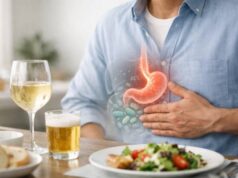
Fat malabsorption happens when your digestive system cannot break down or absorb enough dietary fat. The result can be steatorrhea—stools that look greasy, float, smell unusually strong, or leave an oily film. While the bathroom clues are often the first thing people notice, the bigger issue is what you do not see: fats carry calories and help your body absorb vitamins A, D, E, and K. When absorption falls, energy, weight, muscle, bone strength, and even blood clotting can be affected.
The good news is that fat malabsorption is usually detectable and treatable once the root cause is identified. This guide explains what steatorrhea really means, the most common causes, how clinicians confirm the diagnosis, and practical steps that can reduce symptoms and protect nutrition while you work toward a long-term fix.
Essential Insights
- Persistent greasy, floating, hard-to-flush stools can signal fat malabsorption and merit medical evaluation rather than repeated diet “reset” attempts.
- Identifying the cause matters: pancreatic, bile-related, and small-intestine conditions can look similar but require different treatments.
- Restricting fat aggressively can worsen weight loss and vitamin deficiencies; focus on targeted testing and structured nutrition instead.
- If symptoms last more than 2–3 weeks or include weight loss, anemia, or night-time diarrhea, schedule a prompt assessment.
- Keep a 7-day food and stool log (timing, fat content, stool appearance) to speed diagnosis and personalize treatment.
Table of Contents
- What fat malabsorption really means
- Steatorrhea and related warning signs
- Common causes behind greasy stools
- Tests that confirm fat malabsorption
- What helps and how to feel better
- Long-term nutrition and monitoring
What fat malabsorption really means
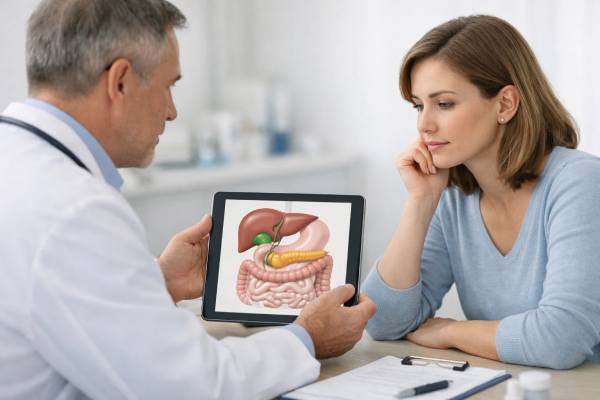
Fat digestion is a coordinated, multi-organ process. Your stomach starts mechanical mixing, but most fat handling happens in the small intestine. Bile (made by the liver and delivered through the bile ducts and gallbladder) helps “emulsify” fat into tiny droplets. Pancreatic enzymes, especially lipase, then break those droplets into absorbable molecules. Finally, the small-intestine lining absorbs the products and packages many of them into particles that travel through the lymph system before reaching the bloodstream.
Fat malabsorption can occur when any part of that chain fails. A useful way to think about it is “not enough bile, not enough enzymes, not enough absorptive surface, or not enough time.” Examples include:
- Not enough bile reaching the intestine (bile duct blockage, severe cholestasis, or impaired bile acid recycling)
- Not enough pancreatic enzymes (exocrine pancreatic insufficiency, pancreatic surgery, chronic pancreatitis)
- Damaged or shortened small intestine (celiac disease, Crohn’s affecting the small bowel, significant bowel resection)
- Faster-than-normal transit (food moves too quickly for digestion and absorption to keep up)
It also helps to separate maldigestion from malabsorption. Maldigestion means fat is not broken down properly (often enzyme-related). Malabsorption means fat is broken down but the intestine cannot absorb it well (often mucosal or structural). In real life, both can overlap.
A single greasy stool after a very high-fat meal does not automatically mean disease. Clinicians look for a pattern—recurring symptoms, nutritional consequences, and supporting test results—before concluding that fat malabsorption is present.
Steatorrhea and related warning signs
Steatorrhea is a symptom pattern rather than a diagnosis. People describe it differently, but common clues include stools that are:
- Greasy or shiny on the surface
- Pale or “clay-colored”
- Bulky, loose, and difficult to flush
- Floating, sometimes with visible oil droplets or an oily ring
- Unusually foul-smelling compared with baseline
Because stool appearance is subjective, it helps to notice what changes from your normal. For example, stools that suddenly become consistently buoyant and greasy after meals, especially high-fat meals, are more concerning than occasional floating stools.
Symptoms that often travel with steatorrhea
Fat malabsorption often comes with other digestive symptoms such as bloating, gassiness, abdominal discomfort, urgency, and diarrhea. Over time, the more important signs may be systemic:
- Unintentional weight loss or difficulty regaining weight
- Fatigue (from calorie deficit, anemia, or inflammation)
- Easy bruising or nosebleeds (possible vitamin K deficiency)
- Bone pain, muscle weakness, or frequent fractures (possible vitamin D and calcium issues)
- Dry skin, hair changes, or night-vision problems (possible vitamin A or essential fatty acid issues)
Red flags that should not wait
Seek urgent care (same day or emergency evaluation) if you have steatorrhea along with:
- Severe or worsening abdominal pain, fever, or persistent vomiting
- Black stools, maroon stools, or visible blood
- New jaundice (yellowing of the eyes/skin), very dark urine, or intense itching
- Rapid weight loss, dehydration, confusion, or fainting
- Symptoms in a person with known pancreatic disease, significant alcohol use history, or recent abdominal surgery
These features can suggest complications such as obstruction, acute inflammation, infection, or significant nutritional compromise.
Common causes behind greasy stools
When fat shows up in stool, clinicians usually sort causes into a few practical buckets. This approach matters because the “best next test” depends on the bucket you are most likely in.
Pancreatic causes: not enough enzymes
If the pancreas cannot deliver adequate digestive enzymes, fats are not broken down effectively. Common scenarios include chronic pancreatitis, pancreatic cancer, cystic fibrosis, advanced diabetes with pancreatic dysfunction, and pancreatic surgery. People may notice symptoms are worse after fatty meals and improve when fat intake drops—often unintentionally. Over time, weight loss and fat-soluble vitamin deficiencies may develop even if appetite is unchanged.
Bile-related causes: not enough bile reaching the gut
Bile is essential for forming micelles—tiny transport structures needed for fat absorption. Problems that reduce bile delivery include bile duct obstruction (for example, gallstones or strictures), cholestatic liver diseases, and some post-surgical anatomy changes. These conditions may come with itching, jaundice, pale stools, and dark urine, but digestive symptoms can precede obvious skin or eye color changes.
Small intestine causes: reduced absorption surface or damaged lining
If the intestinal lining is inflamed or structurally reduced, absorption suffers. Examples include celiac disease, Crohn’s disease affecting the small intestine, tropical sprue, radiation injury, intestinal infections (such as giardiasis), and short bowel syndrome after resection. Symptoms can include chronic diarrhea, abdominal pain, bloating, and nutrient deficiencies beyond the fat-soluble vitamins (iron, folate, B12, magnesium).
Medication and diet-related causes
Some causes are easier to miss because they are “non-disease” drivers:
- Fat-blocking weight-loss medications can directly cause oily stools.
- Certain oils or very high-dose sugar alcohols can mimic diarrhea patterns.
- Very high fat intake can exceed digestive capacity temporarily, especially during illness.
A careful medication list (including over-the-counter products and supplements) is often as important as the medical history.
Motility and microbiome factors
Faster transit can reduce absorption time. Small intestinal bacterial overgrowth may interfere with normal digestion and absorption and can be associated with bloating, gas, diarrhea, and sometimes steatorrhea—particularly in people with altered anatomy or reduced gut motility.
Tests that confirm fat malabsorption
Testing is usually aimed at two questions: Is fat malabsorption truly present? and What is causing it? In practice, clinicians often do both in parallel to reduce delay.
Stool-based tests
Stool testing can be used to screen or confirm excess fat:
- Qualitative stool fat tests look for fat droplets under a microscope. They can support suspicion but are not perfectly reliable.
- Quantitative fecal fat testing measures fat excretion over a timed collection. It can confirm steatorrhea but is inconvenient and sensitive to diet preparation and collection accuracy.
- Fecal elastase is commonly used when pancreatic enzyme deficiency is suspected. Low values can support pancreatic exocrine insufficiency, but results must be interpreted in context, especially if the stool is very watery.
Because collection-based testing can be burdensome, clinicians often choose the simplest test that answers the next decision point. If the story strongly suggests a pancreatic problem, fecal elastase may be prioritized. If the cause is unclear or symptoms are severe, broader stool testing may be considered.
Blood tests that map the consequences
Bloodwork can show whether malabsorption is affecting nutrition or whether another condition is contributing. A typical evaluation may include:
- Complete blood count and iron studies (anemia patterns)
- Metabolic panel (electrolytes, kidney function, albumin)
- Liver tests and bilirubin (bile flow and liver inflammation patterns)
- Fat-soluble vitamin markers (especially vitamin D; others as clinically indicated)
- In selected cases: clotting markers (for vitamin K status), magnesium, zinc, B12, folate
These tests do not prove fat malabsorption by themselves, but they help gauge urgency and guide replacement therapy.
Condition-focused testing
The “cause hunt” depends on symptoms and risk factors:
- If celiac disease is suspected, clinicians typically start with blood tests for celiac-related antibodies and proceed to endoscopy and biopsy when indicated.
- If pancreatic disease is suspected, imaging (such as ultrasound, CT, or MRI-based studies) may be used to evaluate structure, duct changes, or masses.
- If bile duct blockage is suspected, urgent imaging and specialist evaluation may be needed.
- If infection is suspected (travel exposure, daycare exposure, contaminated water), targeted stool tests may be ordered.
If your symptoms are ongoing, it is reasonable to ask your clinician: “What problem are we testing for first, and what will we do if it is positive or negative?” That keeps the workup efficient and focused.
What helps and how to feel better
Relief usually comes from combining two strategies: treat the underlying cause and reduce the digestive workload while protecting nutrition. The right plan depends on the cause, but several principles are broadly helpful.
Treat the root problem when possible
Examples of cause-targeted treatment include:
- Pancreatic enzyme replacement for pancreatic exocrine insufficiency
- A strict gluten-free diet for celiac disease (with professional guidance to avoid nutritional gaps)
- Targeted therapy for infections such as giardiasis
- Anti-inflammatory therapy for inflammatory small-bowel disease when present
- Bile-duct interventions when bile flow is blocked
When the cause is not immediately reversible, symptom control and nutrition support become even more important.
Use meal structure to reduce symptoms
These practical adjustments can reduce steatorrhea while you pursue evaluation:
- Split fat across the day: Instead of one high-fat meal, distribute fat more evenly across smaller meals.
- Avoid “all-or-nothing” fat restriction: Extremely low-fat diets can worsen weight loss and reduce vitamin intake. Aim for moderation unless a clinician advises otherwise.
- Pair fat with protein and complex carbohydrates: This can slow transit and improve tolerance.
- Trial a lower-fat cooking style for 2 weeks: Bake, grill, steam, or braise rather than deep-fry, then reassess symptoms.
If your clinician recommends pancreatic enzymes, timing often matters. Many people do best when enzymes are taken with the first bites of food, and sometimes the dose is split between the beginning and middle of the meal to match digestion time.
Consider medium-chain triglycerides carefully
Medium-chain triglycerides (MCTs) can be easier to absorb than long-chain fats because they rely less on bile and pancreatic lipase. They can be helpful in selected cases, but they are not a cure. They may cause cramping or diarrhea if introduced quickly. If you try them, start small (for example, a teaspoon) and increase gradually as tolerated, ideally with professional guidance.
Do not ignore hydration and electrolytes
Chronic loose stools can quietly dehydrate you. Signs of underhydration include dizziness, dry mouth, headaches, and dark urine. Oral rehydration solutions can be useful when diarrhea is frequent, especially during flares.
Long-term nutrition and monitoring
A common trap is focusing only on stool appearance while nutrition steadily declines. A durable plan protects calories, vitamins, and muscle, and sets clear checkpoints to confirm improvement.
Prioritize calories and protein while symptoms are active
If fat absorption is low, your body may be running an energy deficit even if you eat “normally.” Practical ways to protect intake include:
- Eat smaller, more frequent meals (for example, 4–6 per day)
- Include a protein source at each meal (eggs, fish, poultry, tofu, yogurt, legumes)
- Choose lower-grease calorie sources if fat triggers symptoms (starches, tolerated dairy, oral nutrition supplements recommended by a clinician)
Avoid self-imposed elimination diets that remove multiple food groups at once. They can make it harder to identify the cause and increase the risk of deficiencies.
Watch for fat-soluble vitamin and mineral deficits
Fat malabsorption increases risk for deficiencies of vitamins A, D, E, and K. The safest approach is test-and-replace, because excess supplementation—especially for vitamins A and D—can be harmful. Depending on your situation, clinicians may also monitor:
- Iron and folate (especially with small bowel disease)
- Vitamin B12 (especially with ileal disease or resection)
- Calcium and magnesium (especially with chronic diarrhea)
- Bone density (if symptoms are prolonged or vitamin D is low)
If supplementation is needed, the formulation matters. Some people require water-miscible or specialized preparations, particularly when bile flow is impaired.
Know what “improving” should look like
A meaningful response is more than fewer symptoms on one day. Signs that the plan is working over several weeks include:
- Less urgency and fewer loose stools
- Stool appearance returning closer to baseline
- Stabilized or increasing weight (or improved growth in children)
- Better energy and fewer deficiency symptoms
- Lab trends moving in the right direction when rechecked
If symptoms persist despite a reasonable plan, it is a signal to reassess diagnosis, adherence factors (including medication timing), and whether another overlapping condition is present.
When to ask for specialist support
Consider gastroenterology and dietitian support when:
- Symptoms last more than 4 weeks
- Weight loss, anemia, low albumin, or recurrent dehydration appears
- Steatorrhea occurs with jaundice or significant pain
- You have a history of pancreatic disease, intestinal surgery, or inflammatory bowel disease
Specialist input often shortens the time to a clear diagnosis and protects nutrition while the cause is addressed.
References
- European Consensus on Malabsorption—UEG & SIGE, LGA, SPG, SRGH, CGS, ESPCG, EAGEN, ESPEN, and ESPGHAN. Part 1: Definitions, Clinical Phenotypes, and Diagnostic Testing for Malabsorption 2025 (Consensus)
- American College of Gastroenterology Guidelines Update: Diagnosis and Management of Celiac Disease 2023 (Guideline)
- AGA Clinical Practice Update on the Epidemiology, Evaluation, and Management of Exocrine Pancreatic Insufficiency: Expert Review 2023 (Guideline)
- Diagnostic Accuracy of Fecal Elastase‐1 Test for Pancreatic Exocrine Insufficiency: A Systematic Review and Meta‐Analysis 2025 (Systematic Review)
- Fat Malabsorption in Short Bowel Syndrome: A Review of Pathophysiology and Management 2024 (Review)
Disclaimer
This article is for educational purposes only and does not provide medical advice, diagnosis, or treatment. Greasy stools and suspected fat malabsorption can have many causes, some of which require urgent evaluation. If you have persistent symptoms, unintentional weight loss, dehydration, blood in stool, severe abdominal pain, or yellowing of the skin or eyes, seek prompt medical care. Never start, stop, or change prescribed medications or high-dose vitamin supplements without guidance from a licensed clinician who can interpret your symptoms and test results.
If you found this guide useful, consider sharing it on Facebook, X (formerly Twitter), or any platform you prefer so others can recognize the signs and seek the right support.