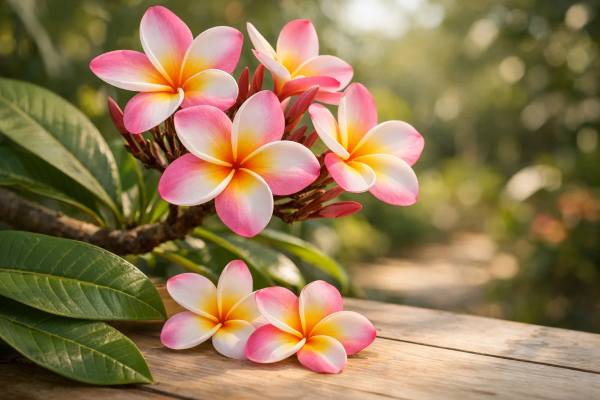
Frangipani (Plumeria rubra) is a tropical flowering tree widely recognized for its fragrant blossoms and ornamental beauty. Native to Central America but now cultivated across tropical and subtropical regions worldwide, the plant is especially valued in traditional medicine, perfumery, and ceremonial practices. While most people associate frangipani with its intoxicating scent and decorative role in gardens and leis, the plant also has a history of medicinal use in folk systems of healing. Various parts—including the flowers, bark, latex, and leaves—have been used traditionally to soothe skin conditions, support digestion, reduce inflammation, and promote relaxation.
Modern phytochemical research has revealed that Plumeria rubra contains a range of bioactive compounds such as iridoids, flavonoids, triterpenoids, and aromatic oils. These compounds help explain many of its traditional uses, including topical wound care, mild antimicrobial support, and calming aromatic effects. However, frangipani must be used with care: certain plant parts contain latex that may irritate skin or mucous membranes. Understanding its benefits, preparation methods, dosage considerations, and safety profile helps ensure that this beautiful tropical plant can be appreciated not only for its fragrance but also for its thoughtful medicinal potential.
Essential Insights
- Frangipani flowers and bark contain flavonoids and iridoids that may support skin health and mild anti-inflammatory activity.
- Traditional uses include topical preparations for minor wounds, soothing baths, and aromatic relaxation practices.
- Typical herbal infusion amounts range from about 1–2 g dried flowers per 200–250 mL hot water.
- The plant’s latex sap can irritate skin and eyes if used undiluted.
- Pregnant individuals, young children, and people with sensitive skin should avoid unsupervised medicinal use.
Table of Contents
- What is frangipani
- Key compounds and medicinal properties
- Health benefits and traditional uses
- How to use frangipani
- Dosage and preparation guidelines
- Side effects and who should avoid it
- What science says about frangipani
What is frangipani
Frangipani refers to a group of flowering trees in the genus Plumeria, with Plumeria rubra being one of the most widely cultivated and studied species. Known for its waxy five-petaled flowers and rich fragrance, the tree thrives in warm climates and is common in tropical gardens throughout Asia, the Pacific Islands, the Caribbean, and parts of Africa. Despite its ornamental reputation, the plant has also been used in traditional herbal practices for centuries.
The tree typically grows between 3 and 8 meters tall and produces thick, fleshy branches with elongated leaves. When cut or damaged, these branches release a milky latex sap characteristic of many plants in the Apocynaceae family. This latex is biologically active and partly responsible for the plant’s medicinal and toxic properties.
Different cultures have used frangipani in various ways. In Southeast Asia and the Pacific, flowers are infused into oils or baths for calming and skin-soothing effects. In parts of Central America, bark preparations have historically been used in folk remedies for digestive discomfort and mild inflammation. In traditional Ayurvedic and Southeast Asian herbal traditions, frangipani has sometimes been applied externally for wound care or skin irritation.
The flowers are the most commonly used medicinal part, largely because they contain aromatic compounds and beneficial phytochemicals without the stronger irritant properties found in the latex. Their sweet fragrance also makes them popular in cosmetic products such as lotions, soaps, and perfumes.
Although frangipani belongs to a family that includes several potent medicinal plants, it is generally regarded as a mild herbal agent rather than a powerful therapeutic remedy. Many herbalists therefore approach it primarily as a supportive botanical for skin care, relaxation, and gentle digestive support.
Some of the plant’s uses resemble those of other aromatic botanicals. For instance, soothing herbal flowers such as chamomile are often used in similar calming infusions and topical preparations, although the chemistry and evidence base differ.
Overall, frangipani represents a fascinating blend of ornamental beauty and modest medicinal potential. Understanding the plant’s botanical background and traditional uses provides a helpful foundation before exploring its compounds, benefits, and safe methods of use.
Key compounds and medicinal properties
The medicinal potential of frangipani largely comes from its diverse collection of phytochemicals. Researchers studying Plumeria rubra have identified multiple groups of compounds that contribute to the plant’s biological activity. While research is still developing, these compounds help explain why the plant has long been used in traditional herbal medicine.
One of the most notable groups of compounds found in frangipani is iridoids. These naturally occurring molecules are common in medicinal plants and are often associated with anti-inflammatory and antioxidant activity. In Plumeria rubra, iridoid compounds such as plumieride and related derivatives appear to contribute to the plant’s traditional use for soothing skin and supporting tissue repair.
Flavonoids represent another major class of compounds present in the plant. These antioxidants help neutralize free radicals and may support cellular protection against oxidative stress. Flavonoids are widely studied in botanical medicine because they often contribute to anti-inflammatory, antimicrobial, and protective effects within plant extracts.
Frangipani also contains triterpenoids, a group of compounds commonly found in medicinal herbs used for skin and wound care. Triterpenoids are known for their potential to support tissue regeneration and reduce irritation in topical applications. This may help explain why frangipani extracts sometimes appear in traditional ointments or herbal washes.
In addition to these compounds, the plant’s fragrant flowers contain aromatic volatile oils responsible for its characteristic scent. Although these aromatic compounds are most famous for their role in perfumery, they may also contribute mild antimicrobial and relaxing properties when used in diluted preparations.
The latex sap of frangipani contains a different set of compounds that can be irritating or toxic in high concentrations. This is why herbal preparations typically avoid direct use of raw latex and instead rely on safer parts such as flowers or carefully prepared bark extracts.
Some of frangipani’s aromatic properties resemble those of other fragrant plants used in traditional herbal practice. For example, calming floral herbs such as English lavender are valued for their aromatic oils that promote relaxation and skin comfort.
Although the exact medicinal mechanisms of frangipani are still being explored, its phytochemical profile suggests several possible properties:
- Mild anti-inflammatory activity
- Antioxidant support
- Gentle antimicrobial effects
- Skin-soothing potential
- Aromatic relaxation benefits
These properties align with the plant’s historical uses in skin care, calming baths, and traditional remedies. However, most evidence comes from laboratory studies rather than large human clinical trials. For this reason, frangipani is best viewed as a supportive herbal plant rather than a primary therapeutic medicine.
Understanding the plant’s compounds provides useful context for evaluating its potential benefits and practical applications in herbal preparations.
Health benefits and traditional uses
Frangipani has been used in traditional medicine across several tropical regions for generations. While many of these uses come from folk practices rather than modern clinical trials, they provide valuable insight into how the plant has historically supported health and well-being.
One of the most common uses of frangipani is in skin care. Traditional preparations often involve flower infusions or oils applied to the skin to help soothe irritation, dryness, or minor wounds. The presence of flavonoids and triterpenoids in the plant may contribute to this effect by supporting mild anti-inflammatory activity and helping maintain skin integrity.
In some herbal traditions, the bark and leaves have been used in preparations for digestive discomfort. These remedies were sometimes consumed as decoctions believed to stimulate digestion or relieve mild stomach upset. However, such uses require caution because parts of the plant contain compounds that may be irritating if improperly prepared.
Frangipani flowers are also used in calming herbal practices. Their fragrance is thought to promote relaxation and emotional comfort. For this reason, the blossoms are often included in aromatic baths, massage oils, or relaxation rituals.
Traditional health applications associated with frangipani include:
- Soothing minor skin irritation or dryness
- Supporting gentle wound cleansing
- Aromatic relaxation and stress reduction
- Traditional digestive support remedies
- Herbal baths used for overall body comfort
The plant’s antimicrobial properties have also attracted attention in laboratory research. Some studies suggest that frangipani extracts may inhibit the growth of certain bacteria and fungi, although these findings do not yet translate directly into standardized medical treatments.
Herbal traditions sometimes combine frangipani with other plants known for complementary effects. For example, calming aromatic herbs like lemon balm are frequently used in similar relaxation blends and herbal teas.
It is important to emphasize that traditional use does not automatically guarantee effectiveness or safety in every context. Many traditional remedies rely on specific preparation methods that control the plant’s potency and minimize irritation.
When used thoughtfully, frangipani’s gentle aromatic and skin-supportive properties make it a valuable botanical in herbal baths, cosmetic products, and mild infusions. Its most reliable benefits are likely to remain in these supportive and external uses rather than as a primary medicinal herb.
How to use frangipani
Frangipani can be used in several different forms depending on the intended purpose. Traditional herbal practices typically emphasize gentle preparations that capture the plant’s fragrance and mild phytochemical properties without exposing users to potentially irritating compounds found in the latex.
One of the simplest ways to use frangipani is through flower infusions. Dried or fresh blossoms can be steeped in hot water to produce a fragrant herbal tea. These infusions are usually mild and sometimes consumed for relaxation or digestive comfort.
Another popular method involves herbal oils. Frangipani flowers are often infused into carrier oils to produce fragrant skin oils used in massage or cosmetic preparations. The aromatic compounds dissolve well in oils, allowing the fragrance to remain stable over time.
Herbal baths represent another traditional application. Fresh flowers or dried petals can be added to bathwater, where their scent creates a calming atmosphere while lightly exposing the skin to the plant’s beneficial compounds.
Common frangipani preparation methods include:
- Flower infusions for mild herbal teas
- Oil infusions for skin care or massage
- Aromatic bath preparations
- Herbal compresses for skin soothing
- Cosmetic formulations such as lotions and soaps
Because the plant belongs to a family known for biologically active latex compounds, most herbalists avoid using raw sap directly. Instead, they rely on the flowers and carefully prepared plant parts.
Frangipani is sometimes blended with other botanicals that support skin health. For example, herbs such as calendula are widely used in similar topical preparations because of their soothing and skin-repairing properties.
When preparing herbal remedies at home, quality and cleanliness are essential. Only healthy plant material should be used, and preparations should be stored properly to prevent contamination.
Although frangipani can be used in several ways, the safest and most practical forms remain mild infusions, aromatic baths, and topical oil preparations. These methods allow people to enjoy the plant’s fragrance and gentle botanical benefits while minimizing the risk of irritation.
Dosage and preparation guidelines
Because frangipani is not a standardized medicinal herb, dosage recommendations rely mainly on traditional herbal practices and cautious preparation methods. The goal is usually to use small amounts that capture the plant’s aroma and mild phytochemical properties without creating irritation.
For herbal teas made from the flowers, a common starting point is about 1–2 grams of dried petals or a small handful of fresh blossoms steeped in 200–250 mL of hot water. The infusion is typically allowed to steep for about 5–10 minutes before being strained.
This tea may be consumed once or twice daily for short periods. Many herbalists recommend beginning with a weaker preparation and increasing gradually only if no irritation occurs.
For topical oil infusions, fresh or dried flowers are placed in a neutral carrier oil such as coconut or almond oil and allowed to steep for several weeks. The oil absorbs the fragrance and mild phytochemicals of the flowers and can then be used in small amounts for massage or skin care.
Bath preparations usually involve a larger quantity of flowers because the water dilutes the plant compounds significantly. A handful of blossoms added to warm bathwater can provide fragrance and mild skin exposure without concentrated dosing.
General herbal guidelines for frangipani use include:
- Start with mild preparations before increasing strength.
- Avoid ingesting raw latex or concentrated extracts.
- Limit internal use to short-term trials unless advised by a qualified practitioner.
- Use fresh, uncontaminated plant material.
It can also be helpful to compare dosage practices with other gentle herbal flowers. For example, mild calming infusions such as hibiscus are often prepared using similar gram-to-water ratios for teas.
Ultimately, frangipani works best as a light aromatic herb rather than a high-dose medicinal plant. Using moderate amounts and paying attention to individual sensitivity helps ensure that the plant’s pleasant fragrance and supportive properties can be enjoyed safely.
Side effects and who should avoid it
Although frangipani is widely appreciated for its fragrance and gentle herbal uses, it still requires careful handling. The plant contains biologically active compounds, and improper use may cause irritation or other unwanted effects.
One of the most important safety considerations involves the plant’s latex sap. When branches or leaves are cut, they release a milky latex that can irritate the skin, eyes, and mucous membranes. Direct contact with this sap may cause redness, itching, or burning sensations in sensitive individuals.
Because of this potential irritation, most herbal preparations avoid using raw latex and instead focus on flowers or carefully prepared extracts. Even with these parts of the plant, it is wise to perform a small skin test before applying topical products more broadly.
Possible side effects of frangipani may include:
- Skin irritation from latex exposure
- Mild digestive discomfort if strong preparations are consumed
- Allergic reactions in sensitive individuals
- Eye irritation if plant sap contacts the eyes
Certain groups should avoid medicinal use of frangipani without professional guidance. These include pregnant individuals, breastfeeding mothers, young children, and people with known plant allergies. Additionally, anyone with sensitive skin conditions should approach topical use cautiously.
Interactions with medications have not been well studied, but caution is advisable when combining herbal remedies with prescription drugs. Because frangipani is not commonly used in standardized medical preparations, reliable interaction data remain limited.
For those seeking botanical skin care options with a longer history of safety documentation, plants such as aloe vera are often considered more thoroughly studied alternatives.
The safest approach to frangipani is to treat it as a gentle aromatic plant rather than a potent medicinal herb. By using diluted preparations and avoiding direct exposure to latex, most people can enjoy its fragrance and mild herbal benefits without significant risk.
What science says about frangipani
Scientific interest in Plumeria rubra has grown steadily over the past two decades as researchers explore the plant’s chemical composition and potential pharmacological effects. Most studies focus on laboratory analyses of plant extracts rather than large human clinical trials, but the findings provide valuable insight into the plant’s biological activity.
Laboratory research has identified several compounds in frangipani with antioxidant properties. Antioxidants help neutralize free radicals that contribute to cellular stress and inflammation. Extracts from the flowers and bark have demonstrated measurable antioxidant activity in experimental models.
Researchers have also studied the plant’s antimicrobial potential. Certain extracts appear to inhibit the growth of bacteria and fungi in laboratory settings. While these results are promising, they do not necessarily translate into clinical treatments for infections. Much more research would be required to determine safe and effective therapeutic applications.
Another area of interest involves anti-inflammatory effects. Some phytochemicals in frangipani—particularly iridoids and triterpenoids—have shown activity in laboratory studies related to inflammatory pathways. These findings support traditional uses of the plant in skin care and topical preparations.
Current research highlights several potential biological activities:
- Antioxidant activity in plant extracts
- Mild antimicrobial properties
- Anti-inflammatory effects in laboratory models
- Potential wound-healing support in experimental settings
Despite these promising findings, clinical evidence in humans remains limited. Most available studies involve cell cultures or animal models rather than controlled human trials. As a result, frangipani is still considered a botanical with emerging evidence rather than a clinically validated medicinal herb.
For comparison, some herbs have undergone far more extensive human research. For example, anti-inflammatory botanicals such as boswellia have been evaluated in clinical studies investigating joint health and inflammatory conditions.
The current scientific consensus is that Plumeria rubra contains biologically active compounds worthy of further study. However, until more human trials are conducted, its most reliable uses remain those supported by traditional practice—namely aromatic applications, mild topical preparations, and cosmetic formulations.
Continued research may eventually clarify whether frangipani could play a larger role in evidence-based herbal medicine. For now, it remains best appreciated as a fragrant botanical with modest but intriguing medicinal potential.
References
- Phytochemistry and pharmacological activities of Plumeria species: A comprehensive review 2021 (Review)
- Antioxidant and antimicrobial activities of Plumeria rubra extracts 2021
- Pharmacological potential of iridoids from medicinal plants 2021 (Review)
- Natural products as sources of new anti-inflammatory agents 2021 (Review)
Disclaimer
This article is intended for educational purposes only and should not be considered medical advice. Frangipani (Plumeria rubra) is a traditional herbal plant with limited clinical research, and its medicinal use should be approached cautiously. Always consult a qualified healthcare professional before using herbal remedies, particularly if you are pregnant, breastfeeding, taking prescription medications, or managing a medical condition.
If you found this article helpful, consider sharing it with others on Facebook, X, or your preferred social platform.