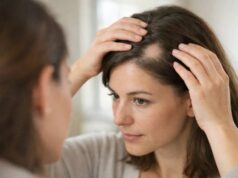
Stopping hormonal birth control can change more than your cycle. For some people, it also changes the hair cycle. A few weeks or months later, the shower drain looks fuller, the ponytail feels thinner, and everyday brushing becomes unsettling. In many cases, this is a temporary shedding pattern linked to shifting hormone signals rather than permanent hair loss. That distinction matters, because it often means the problem improves with time, trigger control, and smart hair care rather than panic or aggressive treatment.
The harder part is that not all shedding after stopping birth control has the same cause. Some people develop a short-lived telogen effluvium, which is a diffuse shedding event. Others discover that birth control had been suppressing symptoms of an underlying issue such as female pattern hair loss, polycystic ovary syndrome, low iron, or thyroid dysfunction. This article helps you sort through that difference, understand the usual timeline, and focus on what is most likely to help while you watch for signs that deserve medical follow-up.
Essential Insights
- Shedding after stopping birth control often begins about 2 to 3 months later and is commonly temporary.
- Recovery is usually gradual, with many people improving over 3 to 6 months after the trigger settles.
- Diffuse shedding is more reassuring than widening of the part, temple recession, or ongoing thinning beyond 6 months.
- Gentle hair care, adequate protein and iron intake, and early evaluation of persistent shedding are more useful than random supplements.
Table of Contents
- Why Shedding Can Happen After Stopping Birth Control
- When Shedding Starts and How Long It Lasts
- What Post-Birth Control Shedding Usually Looks Like
- What Actually Helps Hair Recover
- When Birth Control Was Masking Another Problem
- When to Seek Care and What Tests Matter
Why Shedding Can Happen After Stopping Birth Control
Hair follicles do not all grow at the same moment. Each follicle cycles through growth, transition, rest, and shedding, which is why a temporary hormonal shift can produce a delayed shedding event rather than immediate bald patches. If you want the background, the basic biology of the hair growth cycle explains why a trigger today can show up as shedding months later.
Combined hormonal birth control, such as the pill, patch, or ring, can change levels of estrogen, progestin, and androgen signaling. While you are taking it, those signals may keep more hairs in a growth-friendly environment or reduce the visible effect of androgens in people who are acne-prone or genetically sensitive to hormonal shifts. When you stop, that hormone environment changes again. In some people, more follicles shift into the resting phase at once. Later, those resting hairs shed, creating the impression that something sudden and severe is happening.
This is often described as telogen effluvium, a diffuse shedding pattern that can follow physical or hormonal stressors. It is similar in principle to shedding after childbirth, fever, major weight loss, illness, or surgery, though the intensity can vary widely. The important point is that the hair follicle is usually not destroyed. It has changed phase. That is why the process is often reversible, even when it feels dramatic.
Not every form of birth control behaves identically. Combined estrogen-progestin methods are the ones most often linked to a hormone-withdrawal style shed after discontinuation. Progestin-only methods add more nuance. Some progestins are more androgenic than others, and some users are simply more sensitive to them. In those cases, hair changes may reflect the method itself, the change after stopping it, or the revealing of an underlying tendency that had been partially hidden before.
That last point is easy to miss. Birth control can sometimes mask irregular periods, acne, excess facial hair, or androgen-related scalp thinning. Once it is stopped, the return of your natural hormonal pattern may make a preexisting issue easier to see. So while temporary shedding is common and often benign, the timing alone does not prove that birth control is the only story.
What helps most at the start is context. Ask whether the shedding is diffuse, when it began, whether there are other hormone-related symptoms, and whether there were additional triggers in the same three-month window, such as dieting, illness, stress, or low calorie intake. Very often, the answer is not a single cause but a stack of them.
When Shedding Starts and How Long It Lasts
The timing is one of the most useful clues. Hair shedding after stopping birth control usually does not begin the next day or even the next week. The classic pattern starts about 2 to 3 months after the hormonal change. That delay fits how telogen effluvium works: follicles are pushed into a resting phase first, then the resting hairs are shed later.
For many people, the first sign is not visible thinning but a change in volume of shed hair. You may notice more strands in the shower, on your pillow, in the brush, or wrapped around your fingers while washing. Some people describe shedding in handfuls, although the scalp may still look fairly normal at first. The visual change often lags behind the actual shedding.
In a straightforward, self-limited case, the heavy shedding phase tends to improve over 3 to 6 months once the trigger settles. Regrowth usually takes longer to appreciate because new hairs start short and fine. That means you can be biologically recovering before your density looks fully back to baseline. Many people notice tiny new hairs around the front hairline or part before the overall fullness returns.
A practical timeline often looks like this:
- Month 0: birth control is stopped.
- Months 2 to 3: shedding begins or becomes noticeable.
- Months 3 to 6: shedding may remain brisk, then gradually eases.
- Months 6 to 12: regrowth becomes easier to see, though the exact pace varies.
Several things can stretch or complicate that timeline. If you stopped birth control while also losing weight, recovering from illness, training hard, sleeping poorly, or eating too little protein, the follicles may get repeated signals to stay out of rhythm. If that happens, the shed can feel more prolonged than the textbook version. The same is true if your iron stores were already low or if you had a hidden pattern hair loss tendency.
One reason people become frightened is that recovery is rarely smooth. Hair loss can slow for a few weeks, then seem worse again, especially around washing days. That does not always mean the situation is worsening. Hair grows in waves, and your attention to it also fluctuates. It helps to judge trends over a month rather than a single shower.
The more concerning timeline is persistent or progressive thinning beyond six months, especially when the hair part keeps widening or the crown looks increasingly visible. At that point, the issue may no longer be a simple temporary shed. That is one reason it helps to understand the difference between temporary shedding and true hair loss patterns instead of assuming all extra strands mean the same thing.
What Post-Birth Control Shedding Usually Looks Like
The typical appearance of post-birth-control shedding is diffuse. In plain terms, that means hair comes out from all over the scalp rather than from one sharply defined spot. Most people notice an overall drop in fullness, a smaller-feeling ponytail, and more visible scalp under bright bathroom lighting, especially when the hair is wet or parted. The frontal hairline usually stays recognizable, even if it looks a little airier.
This pattern matters because it helps separate temporary shedding from other causes. A hormonally triggered telogen effluvium usually does not create smooth bald patches. It does not usually produce a very inflamed scalp. It does not generally snap hairs mid-shaft the way shaft damage or breakage does. The strands you lose often have a club-shaped white bulb at one end, which is a sign they completed the resting phase and shed from the root.
That said, appearance alone is not perfect. Some people have two processes at once. A temporary shed can happen on top of early female pattern hair loss, and the combined result can look more worrying. In that mixed picture, shedding is diffuse, but certain zones look disproportionately thinner. Common clues include:
- a widening center part
- more scalp show-through at the crown than at the back
- thinning at the temples or frontal corners
- miniaturized hairs of different diameters in the same area
- shedding that slows, but density does not rebound
Another confusing point is texture change. After stopping birth control, some people focus first on the hair itself feeling flatter, oilier, rougher, or less cooperative. That can make the hair seem thinner before the true density change is obvious. Shifts in sebum, curl pattern, or styling response do not prove damage, but they can amplify the impression of loss.
It also helps to watch the scalp, not just the strands. A healthy-looking scalp with increased diffuse shedding is more reassuring than a scalp with scale, burning, tenderness, intense itch, or obvious redness. Those symptoms point toward a different conversation, because inflammation, dermatitis, psoriasis, or contact reactions can worsen shedding and need separate treatment.
If you want a simple home rule, ask two questions. First, is the loss mostly extra strands, or is it obvious patterned thinning? Second, are short regrowing hairs appearing after the shed peaks? When the answer is “extra strands everywhere” plus “yes, short regrowth is showing up,” the pattern is much more compatible with a temporary event. When the answer is “my part keeps widening and nothing is filling in,” the threshold for getting a clinician involved should be lower.
What Actually Helps Hair Recover
The most helpful intervention is often the least glamorous: give the follicles time while reducing anything that makes recovery harder. Because post-birth-control shedding is usually a cycle problem rather than a follicle-destruction problem, the goal is to support regrowth and avoid piling on new triggers.
Start with the basics. Eat enough. Hair is not an essential organ, so underfueling shows up there quickly. Aim for regular meals with adequate protein instead of trying to “eat clean” so aggressively that calories and protein fall short. If you recently stopped birth control and also began dieting, fasting, or intense exercise, consider whether the body is getting mixed stress signals. Sleep, illness recovery, and stress control matter too, not because stress advice is magic, but because repeated physiological stress can keep shedding going.
Hair care should become boring in the best possible way:
- Wash the scalp as needed rather than stretching wash days until buildup and inflammation worsen.
- Detangle gently, especially on wet hair.
- Reduce high-heat styling and tight hairstyles.
- Avoid harsh chemical services until the shedding settles.
- Focus on scalp comfort and strand protection rather than frequent product switching.
Supplements are where many people lose time and money. Biotin is the usual impulse buy, but it is not a universal fix for this problem. Unless there is a true deficiency, random supplementation rarely changes the course of hormonally triggered shedding. Iron, vitamin D, zinc, folate, and B12 can matter in some individuals, but they are most useful when guided by symptoms, history, or testing rather than guesswork.
What about minoxidil? It can be helpful in selected cases, especially when shedding is prolonged, recovery is lagging, or there is a suspicion that female pattern hair loss is part of the picture. The challenge is that minoxidil can itself cause an early shedding phase before improvement, which can be emotionally difficult if you are already alarmed. That is why it helps to understand how minoxidil works for hair loss before starting it, rather than reaching for it reflexively.
It is also worth naming what does not reliably help: expensive scalp serums with vague claims, dramatic oiling routines, aggressive scalp scrubbing, and cycling through multiple hair-growth supplements at once. These approaches can irritate the scalp, waste money, or create false hope without changing the underlying biology.
A calmer framework works better. If the shedding pattern looks temporary, support the body, protect the hair fiber, document progress with monthly photos, and give the cycle time to reset. If the pattern looks mixed or prolonged, move earlier toward evaluation instead of trying harder versions of the same home routine.
When Birth Control Was Masking Another Problem
Sometimes the most accurate statement is not “stopping birth control caused my hair loss,” but “stopping birth control revealed what had been partially hidden.” This is especially relevant when hormonal contraception had been smoothing out acne, regulating bleeding, lowering androgen activity, or suppressing symptoms of polycystic ovary syndrome.
A combined pill can reduce ovarian androgen production and raise sex hormone binding globulin, which lowers the amount of free androgen that can affect hair follicles. For someone with a genetic tendency toward androgen-sensitive scalp thinning, that can temporarily soften the visible expression of the problem. After discontinuation, the underlying pattern may reappear. The person experiences this as a sudden new issue, but biologically it may be an unmasking rather than a brand-new disorder.
Clues that point beyond a simple temporary shed include:
- a history of irregular cycles before birth control
- worsening acne after stopping
- increased facial hair or jawline breakouts
- central part widening more than generalized shedding
- family history of female or male pattern hair loss
- thinning that persists beyond six months
Polycystic ovary syndrome is a common example. Birth control is often used to manage its reproductive and androgen-related symptoms, so stopping it can make those features easier to see again. If your hair loss is paired with irregular periods, acne, or signs of higher androgen activity, it makes sense to read the broader picture through a hormonal lens, not just a “post-pill shed” lens. In that setting, information on PCOS-related scalp thinning and androgen treatment options may be more relevant than generic shedding advice.
Another possibility is female pattern hair loss that was already developing quietly. Temporary shedding can make it appear more obvious because the existing miniaturized hairs provide less coverage once the overall density dips. This is why some people say, “The shedding stopped, but my hair never fully came back.” They may be describing a temporary telogen effluvium layered onto a chronic patterned process.
There are also nonhormonal conditions worth keeping in mind: low ferritin, thyroid disease, recent weight loss, low protein intake, and medication changes. The timing around stopping birth control can be so emotionally persuasive that people overlook a second trigger happening in the same season.
The main takeaway is that persistence changes the odds. When the story is purely temporary shedding, the trajectory is toward improvement. When the story is unmasked androgen-related thinning or another chronic driver, the trajectory is flatter or gradually worse. The sooner you recognize which direction you are in, the easier it is to choose the right next step.
When to Seek Care and What Tests Matter
You do not need a medical workup for every short-lived shed, but there are clear moments when it becomes worthwhile. The first is simple persistence. If heavy shedding or visible thinning continues beyond about six months, it is reasonable to stop treating it as a routine temporary adjustment and look for something else. The second is pattern. A widening part, crown thinning, or temple recession deserves more attention than diffuse shedding alone. The third is context. Irregular cycles, acne, hirsutism, fatigue, weight change, restricted eating, or recent illness can all make the evaluation more useful.
A clinician assessing this history will usually want a timeline. When did you stop birth control? When did shedding begin? What other triggers occurred two to three months before it started? What methods were you using before, and what symptoms appeared after stopping? Monthly scalp photos and a rough sense of how much the ponytail circumference has changed can be surprisingly helpful.
Common lab evaluation is often tailored rather than endless. Depending on the story, clinicians may consider:
- complete blood count
- ferritin and iron studies
- thyroid testing
- vitamin B12 or folate in selected cases
- vitamin D in some settings
- androgen-related labs when there are signs of hormonal imbalance
- prolactin or other endocrine tests if the history points that way
The goal is not to order every possible hair test. It is to find the drivers that are both plausible and treatable. This is where a targeted guide to hair-loss blood tests such as ferritin and thyroid labs becomes more useful than generalized advice online.
Seek care sooner, not later, if you have bald patches, scalp pain, burning, heavy scale, redness, pustules, or abrupt eyebrow or eyelash loss. Those features suggest a different diagnosis. The same applies if you become dizzy, short of breath, or profoundly fatigued, because the hair issue may be one visible sign of a broader health problem.
A final practical point: do not restart or switch hormonal contraception solely to chase hair recovery without considering your contraceptive needs, migraine history, clot risk, blood pressure, and the reason you stopped in the first place. Hair is important, but it should not be managed in isolation from the rest of your health. The best plan is usually the one that treats the hair problem accurately, not the one that reacts fastest to fear.
References
- Hormonal Contraceptives and Dermatology 2021 (Review)
- Contraception for Women with Polycystic Ovary Syndrome: Dealing with a Complex Condition 2022 (Review)
- Female-pattern hair loss: therapeutic update 2023 (Review)
- Hair Loss: Diagnosis and Treatment 2024 (Review)
- Use of 5% Topical Minoxidil Application for Telogen Effluvium: An Open‐Label Single‐Arm Clinical Trial 2025 (Clinical Trial)
Disclaimer
This article is for educational purposes only and is not a substitute for medical advice, diagnosis, or treatment. Hair shedding after stopping birth control is often temporary, but persistent thinning, patterned loss, scalp inflammation, or hormone-related symptoms may point to a different cause that needs professional evaluation. Seek care from a qualified clinician or dermatologist if the shedding is severe, lasts longer than expected, or is accompanied by other concerning symptoms.
If you found this article useful, please share it on Facebook, X, or another platform that fits your audience.