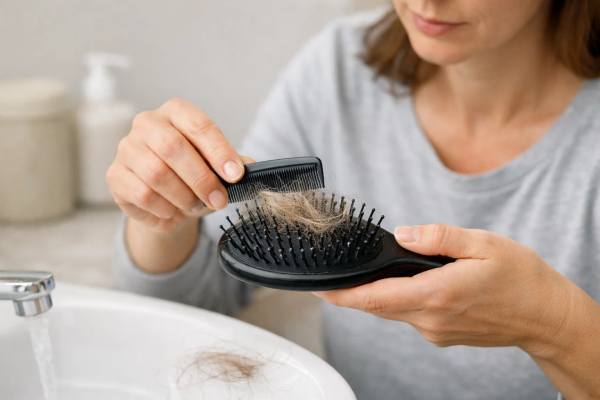
A hair brush looks harmless, but it works like a collector tray for everything that passes through your hair and across your scalp. Loose strands, oil, dead skin, styling product, dust, lint, and sweat can all settle between the bristles and cushion. When that buildup stays there, the brush does not just look dirty. It can make freshly washed hair feel flat sooner, leave residue along the hairline, add more friction during detangling, and make the brush less effective every time you use it.
That does not mean a dirty brush causes every scalp problem or directly leads to hair loss. It does mean brush hygiene plays a quiet but important role in how clean, comfortable, and manageable your hair feels. A sensible cleaning routine can help protect scalp comfort, reduce unnecessary tugging, and extend the life of the tool itself. The key is not cleaning every brush the same way. Frequency should change based on your scalp, your products, your hair texture, and the material of the brush.
Key Insights
- Regular brush cleaning helps reduce oil, product film, dust, and dead skin from being redistributed through clean hair.
- A cleaner brush usually detangles more smoothly, which can reduce friction, snagging, and avoidable breakage.
- Brush hygiene matters more when you use styling products often, have an oily scalp, or are dealing with dandruff, lice, or a scalp infection.
- Wooden and natural-bristle brushes need gentler cleaning because soaking can damage the base and loosen bristles.
- For most people, removing trapped hair every few uses and washing the brush every one to four weeks is a practical routine.
Table of Contents
- What Collects on a Hair Brush
- How Often to Clean Different Brushes
- The Right Way to Clean a Brush
- Why Brush Hygiene Matters for Scalp and Hair
- When to Clean More Often
- When to Replace a Brush
What Collects on a Hair Brush
Most people notice the obvious layer first: shed hair wrapped around the bristles. Under that layer, though, there is usually a second coating made of sebum, dead skin cells, dried styling product, sweat salts, lint from clothing or bedding, and fine dust from the environment. If you use dry shampoo, texture spray, leave-in cream, pomade, edge control, hairspray, or scalp oils, that coating tends to build faster and stick more stubbornly.
That gray or off-white fuzz you sometimes see at the base of a brush is not just dust. It is often a mix of fibers, dried residue, and scalp debris. Once it accumulates, the brush stops acting like a clean grooming tool and starts acting like a transfer surface. In other words, each stroke can move yesterday’s residue back onto today’s freshly washed hair.
Buildup is not the same in every brush. A vent brush may dry faster and trap less residue than a dense round brush. A cushioned paddle brush can hide debris deep around the base of the bristles. Boar bristle brushes are especially good at distributing oil, which is part of their appeal, but that also means they can collect oil and fine particles quickly if they are not cleaned often enough.
Hair texture matters too. Longer hair usually sheds more visibly into a brush simply because the strands are easier to see and wind around the bristles. Curly and coily hair may not shed less overall, but shed hairs can stay interwoven in the hair until detangling, which means more hair may come out during brushing sessions. If you are also managing product buildup in hair, your brush often becomes one of the main places that residue gathers.
It helps to think of brush buildup in three layers:
- Visible hair: wrapped strands that reduce brush performance
- Sticky film: oils, conditioners, serums, and stylers
- Fine debris: dust, lint, flakes, and dead skin
Once those layers build up, the brush can feel draggy, leave hair looking dull faster, and develop an unpleasant smell, especially in humid bathrooms or gym bags. None of this means you need to sanitize your personal brush like a medical instrument. It does mean your brush deserves the same routine attention you give pillowcases, towels, and makeup tools. A brush that touches your scalp and hair almost every day should not be treated as self-cleaning.
How Often to Clean Different Brushes
There is no single perfect schedule for everyone, which is why broad advice like “clean it once a month” can be too vague. A better approach is to match the cleaning frequency to your scalp oil level, styling habits, and brush type.
For most people, there are really two routines:
- Quick maintenance: remove trapped hair every two to three uses, or at least weekly
- Deeper cleaning: wash the brush on a repeating schedule based on how much residue it collects
A practical guide looks like this:
- Light product use, normal to dry scalp: every 2 to 4 weeks
- Oily scalp, frequent workouts, or regular styling product use: every 1 to 2 weeks
- Heavy edge control, hairspray, dry shampoo, or scalp oil use: weekly
- Round brushes used with blow-drying: weekly or every 1 to 2 weeks, because heat and product can create a stubborn film
- Natural-bristle or wooden brushes: clean gently every 2 to 3 weeks, with spot-cleaning in between
- Lice or active scalp infection concerns: clean after each use and do not share the brush
Your scalp can also guide you. If your roots start looking greasy unusually fast, your brush may be transferring oil back onto the hair shaft. If you see flakes collecting around the bristle base, smell old product on the brush, or notice that it leaves hair less smooth after styling, you are likely overdue.
The more sebum your scalp produces, the shorter the cleaning interval should be. The same is true if you use products designed to grip the hair, such as waxes, curl creams, volumizers, or dry shampoos. People following an oily scalp wash routine often focus on shampoo frequency but overlook the brush, even though the tool may be reapplying oil and residue between wash days.
It is also smart to separate brushes by function when possible. A styling round brush that sees heat protectant, mousse, and blow-dryer tension will need more frequent cleaning than a wide-tooth detangling tool used only in the shower. An edge brush used with gels may need cleaning every few days. A brush you keep in a handbag or gym bag may collect more lint and dirt than one stored in a clean drawer.
A helpful rule is this: clean the brush before it looks obviously dirty. Once residue is visible, the tool has usually been underperforming for a while. Staying slightly ahead of buildup makes each deep clean easier and protects the brush materials from needing aggressive scrubbing later.
The Right Way to Clean a Brush
Cleaning a hair brush well is less about fancy products and more about matching the method to the material. The safest routine starts with physical removal of hair, then washing away film, then drying thoroughly. A wet brush stored face-up in a humid bathroom is more likely to develop odor or hidden grime, so drying matters almost as much as washing.
Start with these basic steps for most synthetic brushes:
- Pull out trapped hair with your fingers, a tail comb, or a brush-cleaning tool.
- Fill a bowl or sink with warm water and a small amount of gentle shampoo or liquid soap.
- Swish the brush through the water and use a soft toothbrush or small cleaning brush to scrub between rows and around the base.
- Rinse well until the water runs clear.
- Shake out excess water and place the brush bristle-side down on a clean towel to dry.
For plastic paddle, vent, and detangling brushes, a short soak is usually fine if the base is fully synthetic and not electrical. For round brushes, pay extra attention to the inner barrel and the places where product bakes on during blow-drying. That residue often needs patient scrubbing rather than a longer soak.
For wooden brushes or natural-bristle brushes, skip soaking. Too much water can swell the wood, weaken glue, warp the cushion, and loosen bristles. Instead, dip a cloth or toothbrush into lightly soapy water, scrub the bristles and base carefully, then wipe away residue with a damp cloth. Let the brush dry with the bristles facing down or sideways, never trapped against a surface.
A few helpful technique notes:
- Use warm water, not very hot water, for routine cleaning of personal brushes.
- Do not saturate cushioned brushes longer than needed.
- Avoid harsh bleach cleaning for everyday personal use unless there is a specific infection-control reason.
- Do not put brushes away while damp.
- Remove loose hair regularly so deep cleans stay quick.
If your brush is used mainly for detangling, your cleaning routine should also support gentler grooming. That is especially true if you are already trying to reduce breakage while deciding between detangling wet versus dry. A clean brush glides more predictably and usually requires fewer repeated passes.
For special situations, the method changes slightly. If a brush has been used during a lice episode, follow hot-water guidance specific to that situation. If there is visible blood, drainage, or a fungal scalp infection concern, it is safer to clean the brush immediately and consider replacing it if thorough cleaning is doubtful. In shared settings such as salons, the standard must be much higher than it is for a personal brush used by one healthy person.
The best personal system is simple: remove hair often, wash on schedule, dry fully, and store in a clean place. Most people do not need complicated disinfecting steps every week. They just need consistency.
Why Brush Hygiene Matters for Scalp and Hair
A dirty brush does not usually create a scalp disorder by itself, but it can make a few common problems more noticeable. The biggest issue is redepositing residue onto the hair and scalp. If you have ever washed your hair only to find it looking limp, separated, or slightly waxy the next day, the brush may be part of the problem.
Brush hygiene matters for four main reasons.
- It affects how clean hair feels. Oil and product film can move from the brush back onto the roots and mid-lengths.
- It affects how the brush performs. A brush packed with shed hair and debris cannot grip, smooth, or detangle as evenly.
- It affects friction. Residue-coated bristles may drag more, especially through tangles or dry ends.
- It affects scalp comfort. A dirty brush can contribute to odor, irritation, and an unclean feel around the hairline or crown.
This is especially relevant if you already deal with flakes, oiliness, or sensitivity. A brush loaded with sebum and scale is not likely to help a calm scalp stay calm. That does not mean the brush is the primary cause of flaking. It means it can keep old debris in circulation. If you are trying to work out whether you have dandruff versus dry scalp, brush hygiene will not diagnose the issue, but it can remove one avoidable source of extra residue.
The second reason is mechanical. Brushing is a physical action, and physical actions are easier on hair when the tool is clean and intact. When bristles are caked with residue, bent out of place, or blocked by wrapped shed hair, the brush is more likely to snag. That is how a hygiene issue can become a damage issue. The result is usually not hair loss from the root. More often, it is breakage, frayed ends, or rough handling of already fragile hair.
This matters even more for:
- bleached or heat-styled hair
- fine hair that tangles easily
- textured hair that needs patient detangling
- hair extensions, toppers, or wigs
- sensitive hairlines and edges
There is also a social and practical side. Brushes that smell musty, look coated, or leave visible residue are often overdue for cleaning well before the user realizes it. In shared households, the habit of not sharing brushes is just as important as cleaning them. A personal brush is personal for a reason.
In short, brush hygiene is not about perfection or fear. It is about reducing needless buildup and needless friction. Clean tools tend to give cleaner-looking results, a more comfortable scalp, and gentler brushing overall.
When to Clean More Often
Some situations call for more than a casual monthly rinse. If your scalp environment or daily routine changes, your brush schedule should change with it.
The clearest example is heavy product use. Dry shampoo, texture sprays, waxes, pomades, curl custards, and edge gels cling to bristles quickly. Once they dry down, they form a tacky coating that collects lint and makes future residue harder to remove. If this sounds familiar, weekly cleaning is usually more realistic than monthly cleaning.
The second common trigger is increased scalp oil and sweat. Hot weather, frequent exercise, helmets, hats, or naturally oily roots all speed up buildup. A brush used after sweaty workouts can end up carrying a mix of sebum, salt, and environmental particles. In that setting, waiting too long to wash the brush often means stronger odor and faster root heaviness.
Then there are active scalp concerns. If you have dandruff, seborrheic dermatitis, scalp acne, folliculitis, or a very flaky scalp, cleaning the brush more often is sensible because visible scale and oil gather faster. It will not replace treatment, but it can make routine care cleaner and more comfortable. The same goes for hairlines prone to bumps or pimples, where occlusive residue around the edges can be especially annoying.
More careful hygiene is even more important during lice or fungal infection concerns. Brushes and combs should not be shared, and the cleaning method should follow infection-control advice rather than ordinary beauty routine habits. If your household is dealing with lice, use a separate tool for the affected person and follow guidance on hot-water cleaning and reinfestation prevention. This is one reason many people find a dedicated guide to head lice treatment and reinfestation prevention useful alongside ordinary brush care.
You should also step up cleaning frequency when:
- you are sick and using the brush while sweating or spending long periods in bed
- you use the same brush on both clean styling days and unwashed hair
- you brush out dry shampoo repeatedly between wash days
- you use the brush on extensions, toppers, or wigs with styling product buildup
- you keep the brush in a warm, humid space where it dries slowly
A good “clean it sooner” checklist is simple. Wash the brush before your normal schedule if it has any of these signs:
- visible gray fuzz at the base
- sticky or stiff-feeling bristles
- noticeable odor
- flakes collecting after one or two uses
- hair that looks dirtier after brushing
- tugging that was not there before
The goal is not to sterilize a personal brush every few days. The goal is to notice when your usual interval no longer fits your real life. Brush hygiene works best when it adapts to seasons, products, workouts, scalp changes, and health situations.
When to Replace a Brush
Some brushes do not need better cleaning. They need retirement. Even a well-washed brush can become a poor tool once the bristles, base, or cushion wear down. At that point, the issue is not cleanliness alone. It is performance and hair safety.
Replace a brush when the bristles are bent, ball tips are missing, the cushion is cracked, or the handle and base hold grime that no longer washes out. Broken tips matter because smooth rounded ends are designed to reduce scratching and snagging. Once those tips are gone, brushing can feel sharper on the scalp and rougher through the hair.
A brush may also need replacing if it still smells musty after proper cleaning, if mildew seems trapped inside the cushion, or if the base has split in a way that catches strands. Round brushes that have warped from repeated blow-drying can lose tension and start pulling unevenly. Natural-bristle brushes with obvious gaps or loosened clusters stop distributing oils evenly and can become hard to clean well.
A simple replacement checklist includes:
- bristles that scratch instead of glide
- missing protective tips
- a cracked or peeling cushion
- trapped residue that returns right after washing
- persistent odor
- warped barrel or loose handle
- visible rust on any metal vent or pin parts
How long a brush lasts depends on the material, frequency of use, and how well it is cleaned. A lightly used detangling brush may stay in good shape for years. A daily round brush exposed to heat, product, and frequent washing may wear out much faster.
It is also worth replacing the brush if it has become associated with ongoing snagging. People sometimes worry they are shedding excessively when the real problem is mechanical damage from an old tool. That is why it helps to understand the difference between hair breakage versus hair loss. A worn-out brush can worsen breakage, but it does not typically explain true root-level shedding on its own.
The best brush is not the most expensive one. It is the one that matches your hair type, stays clean without falling apart, and moves through the hair without unnecessary force. A clean, intact, well-matched brush supports better grooming. A dirty or damaged one quietly works against you every day.
References
- Scalp microbiome: a guide to better understanding scalp diseases and treatments 2024 (Review)
- Hairbrushes: A Guide for Dermatologists 2025 (Review)
- Treatment of Head Lice 2024 (Guidance)
- Healthy Habits: Hair and Scalp Hygiene 2024 (Guidance)
- Dermatophyte contamination of hair clippers and cleaning brushes in Copenhagen hair salons 2026 (Cross-sectional Study)
Disclaimer
This article is for educational purposes only and is not a diagnosis or a substitute for medical care. Hair brush hygiene can improve cleanliness, comfort, and grooming performance, but it does not replace treatment for dandruff, scalp infections, lice, significant itching, scalp pain, or unexplained hair loss. If you have persistent flaking, sores, pus-filled bumps, patchy hair loss, scalp tenderness, or symptoms that keep returning, seek evaluation from a qualified clinician or dermatologist.
If this guide helped you, consider sharing it on Facebook, X, or your preferred platform so someone else can clean up their hair routine too.