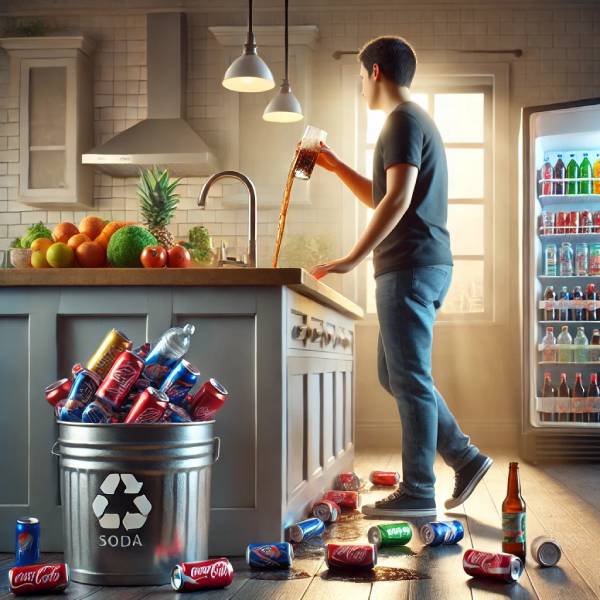
Soda addiction can look deceptively ordinary. A drink with lunch, another in the afternoon, one more to stay alert, and a large bottle in the evening can become so routine that the problem hides in plain sight. For many people, the pull is not just taste. It is the fast sugar, the caffeine, the habit loop, the comfort, and the small burst of energy or relief tied to certain times, moods, and places. Treatment works best when it respects that complexity. Recovery is rarely about a single rule like “just stop buying soda.” It usually requires understanding what the drink is doing physically and emotionally, reducing withdrawal symptoms, changing the environment, and building steadier replacements. A strong plan can improve energy, cravings, sleep, mood, dental health, weight control, and daily self-trust over time.
Table of Contents
- Assessment and early goals
- Withdrawal, cravings, and the first two weeks
- Changing the environment that keeps it going
- Therapy for habit loops and emotional triggers
- Nutrition, caffeine, and medical considerations
- Relapse prevention and long-term maintenance
- Family support and recovery at home
Assessment and early goals
Treatment for soda addiction starts with a practical assessment, not a lecture. The goal is to understand the pattern clearly enough to make change realistic. For one person, the main issue may be drinking several large sodas every day for caffeine and quick energy. For another, it may be constant sipping on sweetened beverages as a way to cope with stress, boredom, or emotional exhaustion. Someone else may rely on soda so heavily that stopping causes headaches, irritability, and a sharp drop in concentration. Those differences matter because the best recovery plan depends on what is driving the behavior.
A strong assessment usually asks a few direct questions. How much soda is being consumed each day or week? Is it regular soda, diet soda, energy-soda hybrids, or a mix? At what times is it hardest to resist? Is the person using it mainly for alertness, comfort, reward, appetite suppression, or emotional escape? Have there been attempts to quit before, and what caused the relapse? The answers help identify whether the problem is mostly about sugar, caffeine, habit, mood regulation, or all four together.
The assessment should also look at consequences. These may include:
- disrupted sleep
- afternoon crashes
- irritability without soda
- weight gain or trouble managing hunger
- reflux or stomach discomfort
- dental problems
- elevated blood sugar or prediabetes risk
- spending patterns linked to daily purchases
- shame, secrecy, or loss of self-control
A broader symptom picture may overlap with patterns described in this soda addiction overview, but treatment planning needs to stay focused on current function and risk. Someone drinking several caffeinated sodas a day may need a slower taper because of withdrawal. Someone relying on soda during work stress may need behavioral support as much as dietary support. Someone with diabetes, obesity, migraines, severe insomnia, or eating-disorder symptoms may need closer medical input from the start.
This is also the time to set early goals. For some people, the best first target is complete elimination. For others, especially those with heavy caffeine intake, a gradual reduction works better and leads to fewer failed attempts. Early goals should be concrete and time-bound. Instead of saying “drink less,” a plan might define how many sodas are allowed this week, what the replacement beverages will be, and what to do when cravings spike.
Good treatment begins by turning a vague struggle into a visible pattern. Once the pattern is visible, change becomes easier to plan and measure.
Withdrawal, cravings, and the first two weeks
The first phase of soda recovery is often harder than people expect, especially when the pattern includes both high sugar intake and regular caffeine exposure. That is one reason many people conclude too quickly that they “cannot do it.” In reality, the early discomfort is common and usually temporary. Treatment works better when it anticipates that phase rather than treating it as failure.
The first several days may bring caffeine withdrawal symptoms such as headache, fatigue, irritability, low mood, reduced concentration, and a strong sense that the body is moving through mud. At the same time, people who are used to frequent sweet drinks may notice cravings after meals, during stress, on car rides, or at the exact time of day when they usually open a can or bottle. Some also feel a drop in pleasure or motivation because soda had become a fast, reliable source of reward.
This early stage usually improves when the plan is structured. Many people do better with one of two approaches:
- a gradual taper, especially if caffeine intake is high
- a direct stop with planned symptom support if the person prefers a clear break
A taper often works by reducing serving size, reducing frequency, or switching one part of the intake to a lower-caffeine or non-caloric alternative before removing more. The method matters less than consistency. Sudden cuts can work, but they tend to be harder if the person has been drinking multiple caffeinated sodas daily for a long time.
During the first two weeks, treatment often focuses on:
- hydration, because people may be replacing soda with too little fluid overall
- regular meals, to reduce the urge to use sugar for quick energy
- caffeine planning, so withdrawal does not become overwhelming
- headache management
- sleep protection
- tracking cravings by time, mood, and setting
One common mistake is replacing soda with nothing. That leaves a large gap in taste, routine, and stimulation. Most people do better when a substitute is chosen in advance, such as sparkling water, unsweetened tea, diluted juice in limited amounts, flavored water without added sugar, or a controlled caffeine source that is easier to taper. Some people who mainly relied on soda for caffeine may also need to understand how caffeine itself can drive anxiety, sleep disruption, and dependence, similar to patterns described in caffeine-related habit cycles.
The first week is usually the most uncomfortable. The second week often feels more manageable, though cravings can still be sharp. What matters most is helping the person understand that early withdrawal and urge surges are part of the recovery process, not proof that the plan is wrong. When people expect the discomfort, they are less likely to romanticize soda as the only thing that makes them feel normal.
Changing the environment that keeps it going
Soda addiction is reinforced by environment more than many people realize. The refrigerator, the office vending machine, the gas station stop, the fast-food combo, the movie night habit, and the afternoon slump at a desk can all become tightly linked to drinking soda. If those cues stay untouched, recovery depends too heavily on willpower. A stronger treatment plan changes the environment so the behavior has fewer automatic pathways.
The first step is identifying where soda lives in daily life. That includes physical places, but also routines. Some people drink soda every time they drive. Others always pair it with lunch, video games, takeout, or a work break. Some keep “emergency” cans in the car, drawer, or bag. Once those patterns are clear, the goal is to add friction.
Useful environmental changes often include:
- removing soda from the home
- not keeping backup cans “just in case”
- changing the grocery route or shopping list
- avoiding convenience-store stops during the first weeks
- carrying a replacement drink before leaving home
- using a different cup, mug, or bottle to break the old sensory routine
- changing where lunch or breaks happen
- separating soda-linked activities from their usual cues
This part of treatment may sound simple, but it can be powerful because habit strength often depends on repetition in the same context. A person who always drinks soda at 3 p.m. in front of a screen may keep craving it there even if motivation is strong elsewhere. Changing the location, the beverage, and the timing can weaken that loop faster than relying on self-control alone.
Food environment matters too. Soda is often part of a broader pattern of highly rewarding, ultra-processed eating. If meals are irregular and snacks are heavily refined, the person may keep feeling drawn toward fast sugar hits all day. That does not mean treatment has to become rigid or punitive. It means the broader reward environment should support steadier energy instead of repeated spikes and crashes. For some people, this overlaps with patterns seen in sugary food dependence and recovery, where cravings are not isolated to one product.
The environment should also support convenience. If the only replacements are hard to prepare or easy to forget, soda often returns. Treatment works better when the healthier option is the easier option. That might mean prechilled flavored water, ready-to-go unsweetened tea, a measured coffee plan, or a pitcher of fruit-infused water already waiting in the fridge.
This section of treatment is not about perfection. It is about reducing the number of times a person has to fight the same battle every day. The fewer automatic soda cues that remain, the more energy is left for the deeper work of recovery.
Therapy for habit loops and emotional triggers
Not everyone with soda addiction needs formal psychotherapy, but many people benefit from it when the problem is tied to stress, reward seeking, emotional eating, or repeated failed attempts to change. Therapy can be especially helpful when soda is doing more than providing taste or caffeine. For some people, it is a comfort ritual, a reward after effort, a way to suppress difficult feelings, or a fast answer to mental fatigue.
Cognitive behavioral therapy is often useful because soda use is full of learned thought patterns and cue-response chains. A person may think, “I deserve this after a hard day,” “I cannot focus without it,” or “One large soda does not matter now that the day is already ruined.” CBT helps identify those thoughts and test whether they are true, helpful, or simply familiar. It also helps people build more effective responses before cravings become action.
Common distorted thoughts in soda recovery include:
- “I need something sweet to function.”
- “Diet starts tomorrow, so tonight does not count.”
- “If I already had one, I might as well keep going.”
- “Water will never satisfy me.”
- “My stress is too high to quit right now.”
Therapy also helps uncover emotional triggers. Many people reach for soda during:
- boredom
- frustration
- loneliness
- overstimulation
- driving stress
- work fatigue
- emotional flatness in the afternoon or evening
When those links are clear, treatment can build alternatives that actually fit the trigger. Someone drinking soda for stimulation may need a short walk, protein-rich snack, hydration, better sleep, or a more controlled caffeine plan. Someone using it for comfort may need a calming ritual that does not depend on sugar and caffeine. Someone using it to break through mental fatigue may need task pacing rather than another drink.
Acceptance and commitment therapy can also help when soda is part of a broader pattern of avoiding discomfort. Instead of trying to eliminate every craving instantly, ACT teaches people how to notice urges without obeying them and how to act according to values even when the body wants quick relief. Broader approaches are outlined in this guide to therapy options including CBT, ACT, DBT, and EMDR.
For some people, therapy also needs to address perfectionism. A single soda can turn into a full relapse because the person interprets it as total failure. Recovery is more stable when lapses are treated as information rather than proof of weakness. Therapy helps build that mindset and makes long-term change more durable than short bursts of strict control.
Nutrition, caffeine, and medical considerations
Soda recovery works best when nutrition and medical factors are addressed directly rather than treated as background issues. A person who cuts out soda but keeps skipping meals, sleeping poorly, and using sugar to rescue repeated energy crashes is much more likely to relapse. The body needs a more stable rhythm if cravings are going to weaken.
One of the biggest treatment questions is whether the person is mainly dependent on sweetness, caffeine, carbonation, routine, or the combination. If caffeine is a major driver, the plan may include a more controlled source such as measured coffee or tea for a short period, then gradual tapering if needed. If the person’s main problem is sugar and rapid energy swings, the focus may shift toward meals that contain protein, fiber, and more consistent carbohydrate intake.
Several medical issues can make soda reduction especially important. These include:
- prediabetes or diabetes
- obesity or weight-related health concerns
- reflux
- poor sleep
- migraines
- dental erosion or tooth decay
- high triglycerides
- frequent afternoon fatigue and concentration problems
People often underestimate the effect of sweet drinks on appetite and energy. Large soda intake can reinforce blood sugar swings, hunger rebound, and the habit of solving fatigue with fast sugar. In some people, that cycle overlaps with broader patterns of sugary beverage use and low mood, including concerns discussed in sugar-sweetened beverage and mood patterns. The treatment goal is not simply fewer calories. It is steadier physiology.
Substitution needs planning. Replacing regular soda with diet soda may help some people reduce sugar intake in the short term, but it does not always break the habit loop, and it may leave the person psychologically tied to the same cues, taste expectations, and routines. Replacing soda with water, unsweetened tea, or other low-sugar options often leads to a deeper reset, though some people benefit from a staged approach instead of an all-at-once switch.
Nutrition support can be especially helpful when soda has displaced meals or been used to blunt appetite. That pattern may show up in people under chronic stress, teenagers, shift workers, or people who do not have stable eating routines. When meals improve, cravings often soften because the body is no longer constantly looking for a fast rescue.
This is also the stage where people with headaches, diabetes medications, eating-disorder history, pregnancy, or major sleep problems may benefit from professional medical advice. Soda addiction is often treated behaviorally, but the safest and strongest recovery plans still take the body seriously.
Relapse prevention and long-term maintenance
Relapse prevention for soda addiction should be built around real life, not ideal conditions. Many people do well for a week or two, then drift back when stress rises, sleep drops, travel begins, or the weather gets hot and old habits feel easy again. That does not mean treatment failed. It usually means the recovery plan was not specific enough about high-risk moments.
A useful first step is identifying the pattern that most often leads back to soda. Common triggers include:
- afternoon energy crash
- fast-food meals
- driving or commuting
- work deadlines
- emotional conflict
- late-night screen time
- social events where soda is everywhere
- the thought that one drink is harmless after a good stretch
Once the pattern is visible, the person can plan for it instead of being surprised by it. Many people benefit from a simple written relapse plan that includes what to drink instead, what snack or meal support is needed, and who or what helps when cravings spike.
Long-term maintenance often works best when it includes:
- a default replacement beverage that is always available
- a clear caffeine plan rather than random energy chasing
- regular meals to reduce sugar crashes
- enough sleep to lower impulsive choices
- tracking of “slippery” thoughts such as “I earned this” or “just for today”
- a recovery response after a lapse that starts the same day
- periodic review of why quitting mattered in the first place
One important part of relapse prevention is identity. People do better when they stop thinking of themselves as someone who is “trying not to drink soda” and start thinking of themselves as someone who protects energy, sleep, and health in more deliberate ways. That shift takes time, but it is often what makes recovery feel stable rather than forced.
Lapses should be handled quickly and calmly. A relapse does not need to become a week-long slide. The person should ask: What happened before it? Was I tired, underfed, stressed, or overconfident? Did I stop preparing replacement drinks? Did I re-expose myself to an old routine? Those answers matter more than self-criticism.
Over time, long-term recovery often becomes easier because taste preferences and expectations change. What once felt normal may begin to feel excessively sweet or no longer worth the crash afterward. That shift is one of the rewards of staying with the process long enough for the body and brain to adapt.
Family support and recovery at home
Recovery from soda addiction is easier when the home environment supports the change instead of quietly undermining it. Family members, partners, roommates, and even coworkers can influence the outcome more than they may realize. This does not mean they have to police every drink. It means their habits, comments, and purchasing choices can either lower friction or raise it.
Support is most helpful when it is practical and calm. Loved ones can help by:
- not stocking large amounts of soda at home
- agreeing on shared grocery rules
- keeping replacement drinks visible and easy to reach
- avoiding teasing or “one won’t hurt” comments
- supporting meal regularity and better sleep
- noticing when stress or fatigue is making relapse more likely
What often does not help is shaming. Many people with soda addiction already feel embarrassed that something so ordinary feels so hard to control. Harsh comments can turn the problem into secrecy, which makes relapse easier. A more useful tone is curiosity and consistency: What usually makes it hardest? What helps most? What should we do if cravings are high this week?
Family support also matters because soda often sits inside larger household habits. If the whole home runs on convenience food, irregular meals, and constant caffeinated drinks, one person trying to change may feel they are swimming against the current. Treatment is often stronger when the home makes at least a few shared changes, even if not everyone is trying to quit entirely.
Children and teens may need extra care because they often model adult beverage habits. Adults who are recovering themselves may also be shaping what younger family members see as normal. That is one reason recovery at home is not only about individual restraint. It is also about changing the culture of the kitchen, the car, and the daily routine.
Long-term support should leave room for flexibility. Some people aim for complete abstinence from soda. Others eventually manage occasional use without returning to the old pattern. What matters most is whether the behavior remains controlled, honest, and consistent with health goals rather than slipping back into daily dependence.
Home recovery works best when it focuses on systems instead of constant decisions. A fridge that already holds easy alternatives, a shopping routine that bypasses soda aisles, and a family that understands why the change matters can reduce daily strain. Over time, that kind of support helps recovery feel less like a fight and more like a new normal.
References
- Caffeine Withdrawal 2025
- Substitution of sugar-sweetened beverages with non-caloric alternatives and weight change: A systematic review of randomized trials and meta-analysis 2024 (Systematic Review and Meta-Analysis)
- Sugar-sweetened beverage consumption and weight gain in children and adults: a systematic review and meta-analysis of prospective cohort studies and randomized controlled trials 2023 (Systematic Review and Meta-Analysis)
- Highly processed foods can be considered addictive substances based on established scientific criteria 2022
- Sugar-Sweetened Beverages and Risk of Type 2 Diabetes: A Systematic Review [Internet] 2024 (Systematic Review)
Disclaimer
This article is for educational purposes only and is not a substitute for medical advice, diagnosis, or treatment. Soda addiction can overlap with caffeine dependence, blood sugar problems, eating-pattern concerns, obesity, dental disease, headaches, sleep disruption, and mood symptoms that may need individualized care. Seek professional help promptly if soda use is tied to severe weight changes, diabetes concerns, significant eating restriction, persistent headaches, sleep loss, or worsening anxiety or depression. Treatment decisions should be made with a qualified clinician or registered dietitian who can assess the full picture safely.
If this article was helpful, please share it on Facebook, X, or another platform you trust so it can reach someone who may need practical support.