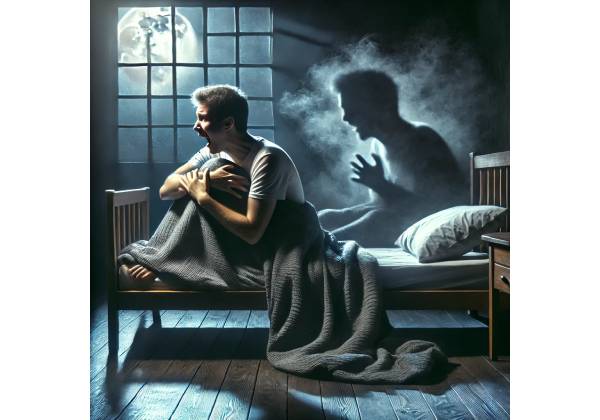
Nightmares are common, but nightmare disorder is different from an occasional disturbing dream. It involves repeated, vivid, upsetting dreams that interrupt sleep, leave a person distressed or alert on waking, and affect daytime functioning. For some people, the problem is tied to trauma or chronic stress. For others, nightmares appear alongside anxiety, depression, insomnia, medications, substance use, or another sleep disorder.
Treatment is not simply a matter of “thinking positive” before bed. Effective care usually combines careful assessment, targeted nightmare therapy, sleep stabilization, treatment of related mental health symptoms, and, in selected cases, medication. Recovery is realistic for many people, but the right plan depends on what is driving the nightmares, how often they occur, and how much they affect sleep, mood, safety, and daily life.
Table of Contents
- What Counts as Nightmare Disorder
- Assessment and When to Seek Help
- First-Line Therapy for Nightmares
- Medication Options and Cautions
- Sleep Routine and Nighttime Management
- Support for Trauma, Anxiety, and Comorbid Sleep Problems
- Recovery, Relapse Prevention, and Follow-Up
- Urgent Warning Signs and Safety Planning
What Counts as Nightmare Disorder
Nightmare disorder is usually considered when nightmares are repeated, distressing, well remembered, and disruptive enough to impair sleep or daytime functioning. The key issue is not whether a dream is frightening once in a while, but whether the pattern creates ongoing distress, avoidance of sleep, fatigue, mood symptoms, concentration problems, or fear of bedtime.
Nightmares often happen during rapid eye movement sleep, which is more common in the later part of the night. A person typically wakes up quickly oriented and alert, often able to describe the dream in detail. This differs from sleep terrors, where the person may scream, appear panicked, be hard to wake, and remember little or nothing afterward.
A clinician may look at several features:
- How often the nightmares occur
- Whether they involve trauma themes, repeated threats, or changing content
- Whether the person avoids sleep or delays bedtime because of fear
- How quickly they recover after waking
- Whether daytime mood, attention, relationships, work, or school are affected
- Whether there are safety issues, such as self-harm thoughts, sleepwalking, or dream enactment
Nightmare disorder can occur on its own, but it often overlaps with other conditions. Post-traumatic stress disorder is a major example, especially when dreams replay or echo traumatic events. Nightmares can also occur with depression, anxiety disorders, grief, substance withdrawal, chronic stress, and some medications. For readers trying to understand the broader stress connection, stress-related nightmares can be a useful related topic.
It is also important not to assume every frightening nighttime event is nightmare disorder. Waking abruptly with terror, chest tightness, and a racing heart may be a nocturnal panic attack. Moving, punching, kicking, or acting out a dream may suggest REM sleep behavior disorder, which needs medical evaluation because it can cause injury and may be associated with neurological conditions in some adults. Confusional arousals, sleepwalking, seizures, sleep apnea, alcohol effects, and certain medications can also mimic or worsen nightmares.
A practical way to think about the diagnosis is this: nightmare disorder is not defined by having a scary dream. It is defined by a recurring sleep-related problem that causes meaningful distress or impairment and is not better explained by another medical, psychiatric, medication-related, or substance-related cause.
Assessment and When to Seek Help
Professional assessment is worthwhile when nightmares are frequent, distressing, linked to trauma, causing sleep avoidance, or affecting daytime life. A good evaluation helps separate nightmare disorder from other sleep and mental health conditions, which matters because the treatment plan can change substantially.
A primary care clinician, sleep medicine specialist, psychiatrist, psychologist, or therapist may begin with a detailed history. They may ask when the nightmares started, how often they occur, what happens after waking, and whether there are triggers such as anniversaries, conflict, alcohol, cannabis, medication changes, illness, or major stress. They may also ask about depression, anxiety, panic, PTSD symptoms, grief, hallucinations, substance use, and thoughts of self-harm.
A sleep history is just as important. Chronic insomnia, irregular sleep timing, sleep deprivation, and untreated sleep apnea can make nightmares more intense or more memorable. Loud snoring, gasping, morning headaches, high blood pressure, or severe daytime sleepiness may point toward sleep apnea. Unusual movements during sleep, injuries, or a bed partner’s report that the person appears to act out dreams may require a sleep medicine assessment. If dream enactment is present, a clinician may consider REM sleep behavior disorder rather than ordinary nightmare disorder.
The assessment may include a sleep diary for one to two weeks. This can track bedtime, wake time, nightmare frequency, awakenings, naps, alcohol or substance use, medication timing, and next-day fatigue. A clinician may also use questionnaires for nightmare distress, PTSD, anxiety, depression, insomnia, or daytime sleepiness. These tools do not replace a clinical evaluation, but they can clarify patterns and measure progress.
Seek help sooner if nightmares began after a traumatic event, are accompanied by flashbacks or hypervigilance, or are part of a larger PTSD pattern. Trauma-related nightmares often improve when treatment addresses both sleep and trauma symptoms. A page on PTSD symptoms may help clarify when nightmares are one part of a broader trauma response.
Medication review is also essential. Some antidepressants, beta-blockers, dopaminergic medicines, withdrawal from alcohol or sedatives, and changes in sleep aids can affect dreams. The answer is not to stop medication abruptly. Instead, the prescribing clinician can weigh the benefits, risks, timing, dose, and possible alternatives.
Children and teens need a developmentally sensitive approach. Occasional nightmares are common in childhood, but persistent nightmares that lead to school problems, major sleep refusal, trauma symptoms, severe anxiety, or safety concerns deserve professional attention. Treatment may involve parents or caregivers, reassurance, routine changes, and child-adapted imagery work.
First-Line Therapy for Nightmares
The best-supported psychological treatment for recurring nightmares is imagery rehearsal therapy, often included within broader cognitive behavioral therapy for nightmares. The central idea is to change the learned nightmare pattern while awake, rather than waiting for the dream to happen again at night.
Imagery rehearsal therapy is usually structured, brief, and practical. A therapist helps the person choose a recurring nightmare or nightmare theme, write down a less distressing version, and mentally rehearse the new version during the day. The new dream does not have to be unrealistically cheerful. It only needs to shift the ending, reduce helplessness, change the threat, or give the dreamer a different role. For example, a person being chased might imagine finding a locked safe room, calling for help, turning the pursuer into a harmless figure, or leaving the scene entirely.
A typical approach may involve:
- Learning how nightmares can become conditioned and repeated.
- Choosing a nightmare to work with, often not the most overwhelming one at first.
- Rewriting the dream while awake in a way that feels safer or more tolerable.
- Rehearsing the new version for several minutes daily.
- Tracking nightmare frequency, distress, and sleep quality over time.
This process can sound simple, but it is not the same as dismissing the nightmare or forcing oneself to “just relax.” It is a targeted rescripting practice. For some people, it reduces frequency. For others, the dreams may become less intense, less repetitive, or easier to recover from after waking.
Other therapy approaches may also help. Exposure, relaxation, and rescripting therapy combines controlled exposure to nightmare themes with relaxation and changed endings. Cognitive behavioral therapy for nightmares may address beliefs about sleep, fear of dreams, avoidance of bedtime, and safety behaviors that accidentally keep the cycle going. When insomnia is also present, CBT-I for insomnia may be combined with nightmare-focused work.
Trauma-focused therapies can be important when nightmares are part of PTSD. Cognitive processing therapy, prolonged exposure, EMDR, and other trauma therapies may reduce trauma symptoms, although nightmares sometimes persist even after daytime PTSD symptoms improve. In that case, adding specific nightmare treatment can be helpful. People considering trauma processing can learn more about what EMDR involves, while still discussing personal fit with a qualified clinician.
Therapy should move at a tolerable pace. A person should not be pushed into detailed trauma material before they have enough stabilization, support, and consent. For some, starting with sleep stabilization and a less intense dream is safer than beginning with the most traumatic nightmare. For others, trauma therapy and nightmare treatment can proceed together.
The strongest therapy plans are collaborative. They respect the person’s history, culture, imagination, and comfort level. The goal is not to control every dream, but to reduce distress, restore sleep confidence, and help the brain stop treating bedtime as a threat.
Medication Options and Cautions
Medication may help some people with nightmare disorder, especially when nightmares are related to PTSD, severe hyperarousal, or another treatable mental health condition. It is usually considered when nightmares are frequent, therapy is not enough, therapy is not yet available, or symptoms are severe enough to require additional support.
Prazosin is one of the most discussed medications for trauma-related nightmares. It is an alpha-1 adrenergic blocker originally used for blood pressure, and it may reduce the noradrenergic “alarm” activity that contributes to trauma-related sleep disruption. Some guidelines and expert sources support its use for PTSD-associated nightmares, while research findings have not been uniformly positive across all groups. This means prazosin may be appropriate for some patients, but it is not a guaranteed solution and should be individualized.
Important medication considerations include:
- Prazosin can lower blood pressure and may cause dizziness, lightheadedness, or fainting, especially when standing.
- Dosing is usually started low and adjusted carefully by a clinician.
- Older adults, people taking blood pressure medicines, and people prone to falls need extra caution.
- Medication should be reviewed if nightmares started after a new drug, dose increase, or withdrawal.
- Sedatives may reduce arousal but can also worsen breathing, dependence risk, falls, or next-day impairment in some people.
Other medications may be used depending on the broader diagnosis. If depression, generalized anxiety, panic disorder, bipolar disorder, PTSD, or psychosis is present, treatment may focus on that condition rather than on nightmares alone. Antidepressants can help some underlying conditions, but they may also alter dream intensity in some people. Anyone considering a dose change should discuss timing, side effects, and tapering rather than stopping suddenly; abrupt discontinuation can cause significant symptoms for some medications. A related resource on antidepressant tapering safety may be useful background for that conversation.
Melatonin is sometimes discussed because of its role in sleep timing, but it is not a primary treatment for nightmare disorder. It may help if the person also has delayed sleep timing or circadian disruption, but it can also make dreams more vivid for some people. Over-the-counter sleep aids, alcohol, cannabis, and sedating supplements should be approached carefully. They may seem helpful short term, yet they can worsen sleep quality, breathing, next-day functioning, dependence risk, or dream intensity in some individuals.
Medication is most useful when the target is clear. “I want to sleep better” is understandable, but a clinician will usually narrow the target: nightmare frequency, nightmare distress, insomnia, panic awakenings, PTSD hyperarousal, depression, or sleep apnea-related awakenings. Different targets require different choices.
The safest approach is medication plus monitoring. Track nightmares, sleep quality, blood pressure symptoms, daytime sedation, mood changes, and any worsening of suicidal thoughts or agitation. If medication helps, the clinician can discuss how long to continue it and when to reassess. If it does not help, the plan should change rather than simply adding more sedating treatments.
Sleep Routine and Nighttime Management
Sleep routine changes rarely cure nightmare disorder by themselves, but they can reduce vulnerability and make therapy work better. The aim is to make sleep more predictable, reduce nighttime threat cues, and give the brain fewer reasons to wake in a highly activated state.
A consistent sleep-wake schedule is often the foundation. Irregular sleep, short sleep, and long catch-up sleep can fragment REM sleep and may make nightmares more intense. Bedtime does not need to be perfect, but the wake time should be reasonably stable most days. Morning light, daytime movement, and regular meals can also help anchor the body clock.
Evening routines should reduce arousal rather than become elaborate rituals. A practical wind-down might include dimmer lights, a warm shower, calm reading, stretching, or a brief relaxation practice. Screens are not automatically forbidden, but distressing content, conflict, doomscrolling, or work messages close to bed can keep the nervous system activated. For people whose sleep problems are tied to worry, sleep anxiety can become part of the cycle and may need direct attention.
After a nightmare, the first goal is orientation. Many people benefit from a short, repeated routine:
- Name where you are and what date or time it is.
- Turn on a low light if darkness increases fear.
- Place both feet on the floor and notice physical contact with the room.
- Slow the exhale rather than forcing deep breaths.
- Use a short phrase such as, “That was a dream; I am awake now.”
- Avoid replaying the full dream unless this is part of a planned therapy exercise.
Some people want to analyze the dream immediately. That can be useful in therapy, but in the middle of the night it often prolongs wakefulness. A better plan is to write a few words in a notebook, then return attention to safety cues and rest. If the dream needs to be discussed, save the fuller work for daytime.
The bedroom should feel safe but not become a place of constant checking. Keeping a light nearby, using a comforting object, adjusting room temperature, or using gentle background sound can help. Repeatedly scanning the room, checking locks many times, or sleeping only with the television on may bring short-term relief while reinforcing the idea that sleep is dangerous. A therapist can help reduce these behaviors gradually and compassionately.
Alcohol deserves special caution. It may make falling asleep easier at first, but it can fragment sleep later in the night and worsen vivid dreams, anxiety, and early-morning awakenings. Cannabis can also affect REM sleep and dream recall in complex ways, and withdrawal may bring intense dreams. Any substance used to manage nightmares should be discussed honestly with a clinician, without shame, because it may change the safest treatment plan.
Support for Trauma, Anxiety, and Comorbid Sleep Problems
Nightmare recovery is stronger when related conditions are treated rather than ignored. Many people with nightmare disorder are not dealing with “just dreams”; they are also dealing with hyperarousal, grief, anxiety, depression, chronic stress, pain, insomnia, or disrupted breathing during sleep.
PTSD-related nightmares often need a trauma-informed plan. That does not always mean starting with intensive trauma processing immediately. Some people first need stabilization, safer sleep routines, crisis planning, grounding skills, or help reducing alcohol or sedative use. Others are ready for trauma-focused therapy and benefit from addressing the memory network directly. The pace should be based on safety, consent, current functioning, and available support.
Anxiety can maintain nightmares in several ways. Worry may delay sleep, increase body tension, and create fear of losing control at night. Panic symptoms can make awakenings feel dangerous, especially when the person wakes with a racing heart or shortness of breath. If awakenings look more like abrupt panic episodes than dream recall, a resource on nocturnal panic attacks may help clarify what to discuss with a clinician.
Depression can also worsen sleep quality and dream distress. Nightmares may feel more hopeless or emotionally heavy when mood is low. In some people, nightmares and suicidal thinking occur together, especially with PTSD, severe depression, or substance use. This does not mean nightmares cause suicide by themselves, but it does mean clinicians should ask directly about safety when nightmares are intense or worsening.
Sleep apnea is frequently missed when the main complaint is nightmares. Repeated breathing interruptions can trigger awakenings from REM sleep, sometimes with fear, choking, or vivid dream fragments. Treating sleep apnea may reduce nightmare burden in some people and improve daytime fatigue and mood. Restless legs syndrome, periodic limb movements, chronic pain, reflux, and menopause-related night sweats can also fragment sleep and make nightmares feel more frequent.
Support from family or partners can be useful when it is specific. General reassurance such as “don’t worry about it” often falls flat. Better support may include helping keep a consistent evening routine, responding calmly after awakenings, avoiding pressure to describe the dream, and encouraging treatment without shame. Partners also provide important observations about snoring, gasping, movements, or dream enactment.
For children, support usually includes caregivers. A child may need help naming the nightmare, changing the imagined ending, using a predictable bedtime routine, and separating dream fear from real danger. However, repeated reassurance rituals can grow over time, so caregivers may need coaching on how to be warm without reinforcing avoidance.
Nightmare disorder is treatable, but treatment works best when the whole sleep and mental health picture is considered.
Recovery, Relapse Prevention, and Follow-Up
Recovery usually means fewer nightmares, less distress, better sleep confidence, and improved daytime functioning. It does not have to mean never having a bad dream again. Occasional nightmares can still happen during stress, illness, grief, trauma anniversaries, medication changes, or sleep deprivation.
Progress is often uneven. A person may have several better nights, then a difficult dream that feels discouraging. This does not necessarily mean treatment has failed. The more useful question is whether the overall pattern is improving: fewer nightmare nights, shorter recovery time after waking, less fear of bedtime, better daytime energy, and less avoidance.
Tracking can help, but it should not become obsessive. A simple weekly review is often enough:
- Number of nightmare nights
- Distress level after waking
- Time needed to feel settled
- Sleep schedule consistency
- Use of imagery rehearsal or coping skills
- Daytime functioning
- Any medication changes, alcohol use, or major stressors
If imagery rehearsal therapy is helping, the person may continue practicing the rewritten dream for a limited period, then reduce frequency once symptoms improve. If a new recurring nightmare appears, the same method can be applied again. Some people benefit from a written relapse plan that explains what to do if nightmares return for more than a week or two.
Follow-up matters when medication is part of treatment. A clinician may reassess whether the medication is still needed, whether side effects are present, and whether the dose remains appropriate. If symptoms are stable, some people may eventually discuss a careful reduction. Others may continue longer, especially if PTSD or severe hyperarousal remains active.
Relapse prevention also means protecting sleep during high-risk periods. Trauma anniversaries, court dates, family conflict, work stress, shift changes, travel, illness, and major life transitions can all disrupt sleep. Planning ahead may include scheduling therapy sessions, simplifying evenings, reducing alcohol, keeping wake time stable, and restarting imagery rehearsal before symptoms intensify.
Recovery is not only symptom reduction. It can also involve rebuilding trust in sleep. Many people with chronic nightmares begin to see bedtime as a place where their mind will attack them. Treatment gradually changes that relationship. The person learns that waking from a nightmare is distressing but manageable, that dreams can shift, and that sleep can become restorative again.
If progress stalls, the treatment plan should be reviewed rather than blamed on lack of effort. Common reasons include untreated insomnia, ongoing trauma exposure, substance use, sleep apnea, medication effects, unsafe home conditions, severe depression, or therapy that moved too quickly into distressing material. Adjusting the plan is part of good care.
Urgent Warning Signs and Safety Planning
Urgent help is needed when nightmares are linked with immediate safety concerns, loss of reality testing, risk of harm, or dangerous sleep behaviors. Most nightmares are not emergencies, but some situations should be taken seriously and addressed quickly.
Seek urgent medical or mental health evaluation if nightmares are accompanied by:
- Thoughts of suicide, self-harm, or feeling unable to stay safe
- Thoughts of harming someone else
- New hallucinations, paranoia, or severe confusion
- Manic symptoms such as very little sleep with extreme energy, impulsivity, or risky behavior
- Dream enactment that causes injury or could injure a bed partner
- Possible seizures, repeated unexplained nighttime injuries, or loss of awareness
- Severe alcohol, sedative, or drug withdrawal symptoms
- Nightmares after a head injury, especially with worsening headaches, confusion, weakness, or vomiting
A practical safety plan can be created before a crisis. It may include warning signs, grounding steps, people to contact, professional crisis resources, ways to reduce access to lethal means, and instructions for when to go to emergency care. People with severe depression, PTSD, psychosis, substance use disorder, or recent trauma may need a more formal plan with a clinician. For broader guidance, ER-level mental health or neurological symptoms can help clarify when urgent care is appropriate.
For dream enactment, safety planning is physical as well as emotional. A clinician may recommend moving sharp objects away from the bed, padding corners, lowering bed height, sleeping separately temporarily if a partner is at risk, and avoiding alcohol. These steps are not a substitute for evaluation, but they can reduce injury risk while the cause is being assessed.
For people who wake terrified, grounding should be simple and repeatable. Complex coping plans are hard to use at 3 a.m. A written card near the bed can say: “I am awake. I am in my room. The dream is over. Turn on the lamp. Feel the floor. Slow the exhale. Call support if I cannot settle.” This kind of cue can be especially useful when the nervous system is still reacting as if danger is present.
Supporters should respond calmly. Arguing about whether the dream was real, demanding details, or giving rushed reassurance can increase distress. A better response is brief orientation, a steady voice, and practical safety: “You’re awake. You’re in the bedroom. I’m here. Let’s turn on the light and breathe slowly.”
Nightmare disorder can be frightening, but it is not a personal failure and it is not untreatable. With the right assessment, targeted therapy, careful medication decisions when needed, and steady support, many people can reduce nightmares and recover a more secure relationship with sleep.
References
- Position paper for the treatment of nightmare disorder in adults: An American academy of sleep medicine position paper 2018 (Position Statement)
- Endorsement of: “Position paper for the treatment of nightmare disorder in adults: An American Academy of Sleep Medicine position paper” by the World Sleep Society 2025 (Position Statement)
- Psychosocial treatments for nightmares in adults and children: a systematic review 2023 (Systematic Review)
- Bad dream, nightmares and psychopathology: a systematic review 2024 (Systematic Review)
- An Expert Consensus Statement for Implementing Cognitive Behavioral Therapy for Nightmares in Adults 2025 (Expert Consensus Statement)
Disclaimer
This article is for general educational purposes only and is not a substitute for professional medical advice, diagnosis, or treatment. Nightmare disorder can overlap with PTSD, depression, medication effects, sleep apnea, neurological conditions, and safety concerns, so persistent or severe symptoms should be discussed with a qualified healthcare professional.
Please share this article on Facebook, X, or your preferred platform to help others learn about nightmare disorder treatment and recovery.