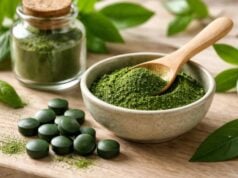
Capers are the small, unopened flower buds of Capparis spinosa, a hardy Mediterranean shrub whose intensely tangy, salty taste comes from curing in brine or salt. Because capers are used in small amounts, they are easy to overlook nutritionally—but they are unusually concentrated in certain plant compounds, especially flavonoids such as rutin and quercetin. This combination of culinary usefulness and dense phytochemistry is why capers show up both in traditional medicine discussions and in modern research on metabolism, inflammation, and liver markers.
In everyday life, capers are primarily a food: they brighten sauces, fish, salads, and vegetables. In clinical studies, however, caper fruit or extracts are sometimes used more deliberately, with measured doses over several weeks. The most important practical point is balance. Capers may offer modest metabolic and antioxidant advantages, yet they are also sodium-dense due to curing. Choosing the right form, portion, and frequency—especially if you have blood pressure, kidney, or medication considerations—helps you enjoy capers for what they are: a small ingredient that can make a meaningful difference when used thoughtfully.
Key Takeaways for Caper
- Capers are rich in quercetin and related flavonoids that support antioxidant and anti-inflammatory activity.
- Because most capers are cured in brine or salt, sodium load is the main dietary drawback for frequent use.
- Typical culinary range: 1–3 teaspoons drained capers daily, or up to 1 tablespoon when sodium is not a concern.
- Avoid medicinal-dose caper extracts during pregnancy and breastfeeding unless a clinician advises otherwise.
- People with sodium-restricted diets, significant kidney disease, or warfarin therapy should use capers cautiously and consistently.
Table of Contents
- What is caper and whats in it
- Caper health benefits and outcomes
- Does caper help metabolism
- How to use capers in food
- How much caper per day
- Side effects and who should avoid
- What the research actually says
What is caper and whats in it
A “caper” is most commonly the unopened flower bud of Capparis spinosa. Buds are harvested before blooming, then cured—usually in dry salt or brine—and often finished with vinegar. This curing step is not cosmetic; it is what transforms raw buds (which can taste harsh) into the familiar sharp, savory caper flavor. You may also see caper berries, which are the plant’s mature fruit (usually cured and served with the stem attached). They are milder and more juicy than buds, with a different texture and a larger serving size.
Capers stand out for their phytochemical density. Key groups include:
- Flavonoids (rutin and quercetin): Capers are among the most concentrated food sources of quercetin by weight. Interestingly, curing appears to shift some rutin toward quercetin, which helps explain why pickled capers can test higher in quercetin than raw buds. If you want a deeper primer on how quercetin is used, typical research doses, and who should be cautious, see quercetin dosing and interaction basics.
- Glucosinolates and their breakdown products: Capers contain sulfur-rich compounds (including glucocapparin and related glucosinolates). When these break down, they form pungent isothiocyanates—the same broad chemical family that gives mustard and certain cruciferous vegetables their bite. This sulfur chemistry is a big part of the “briny heat” capers bring to sauces.
- Alkaloids and spermidine-related compounds: Reviews of the caper plant describe a range of nitrogen-containing compounds, including stachydrine and spermidine derivatives, which may contribute to some of caper’s traditional use themes (inflammation support, metabolic support), though human evidence is still emerging.
- Micronutrients and practical nutrients: Capers are low-calorie and used in small amounts, so they are not a major vitamin or mineral driver for most people. Still, they can contribute vitamin K and small amounts of minerals depending on serving size.
- Sodium from curing: Nutritionally, sodium is the most “real-world” lever. Capers are often eaten by the teaspoon, yet curing can make even small servings matter if you are sodium-sensitive.
Finally, capers are graded by size. Smaller buds (often sold as “nonpareil” or similar) tend to be firmer and more aromatic, while larger buds can be softer and more vegetal. This matters because most people are not looking for “more caper,” they are looking for the right intensity—so size choice helps you use less while getting the flavor you want.
Caper health benefits and outcomes
Capers are best thought of as a functional food ingredient, not a stand-alone treatment. Their potential benefits mainly come from two lanes: (1) concentrated plant compounds (especially flavonoids and sulfur compounds) and (2) the way capers can help people build satisfying, lower-sugar, flavor-forward meals.
1) Antioxidant and inflammation support (realistic expectations)
Caper buds and fruits contain a broad mix of polyphenols, including quercetin, rutin, and related compounds that show antioxidant behavior in laboratory testing. In practical terms, that does not guarantee a dramatic “you will feel it” effect. The more realistic outcome is that capers can contribute to an overall dietary pattern that supports healthy inflammatory signaling—especially when they help you rely less on sugar-heavy sauces or ultra-processed condiments.
2) Liver and lipid markers (modest changes in some trials)
Human trials summarized in research reviews suggest caper fruit interventions may modestly improve certain blood markers in specific groups (such as people with metabolic syndrome, fatty liver risk, or type 2 diabetes). When benefits appear, they often show up as small shifts in liver enzymes, HDL cholesterol, triglycerides, fasting glucose, or weight over a period of weeks—not as a rapid transformation. Importantly, these findings are based on a limited number of studies, often with small sample sizes and variable preparations (pickled fruit, oxymel-style preparations, capsules, and differing doses).
3) Blood sugar support as an “adjunct,” not a replacement
Several clinical studies and traditional use discussions focus on caper fruit or extracts for glucose management. The key word is adjunct. If you already use lifestyle measures and medication appropriately, a caper extract might offer an additional nudge for some people. But if you are looking for a stronger evidence base for blood sugar and lipid changes, many clinicians consider tools like berberine evidence for blood sugar and lipids more consistently supported than caper, while still requiring medical supervision for interactions and tolerability.
4) Appetite, satisfaction, and dietary adherence
One of caper’s most underrated advantages is behavioral: its sharp flavor makes simple foods—fish, eggs, roasted vegetables, legumes—feel complete. That can reduce the urge for heavy sauces, excess cheese, or sweet dressings. Over months, this kind of “small swap” can matter more than any single compound.
The main caveat is sodium. For people prone to fluid retention or blood pressure sensitivity, adding capers daily can backfire unless you manage portion size and preparation. Benefits are most likely when capers are used strategically—small, bright accents—within a broader pattern that is already aligned with your health goals.
Does caper help metabolism
“Metabolism” is a broad label, so it helps to break the question into the outcomes people usually mean: blood sugar regulation, lipid balance, body weight trends, and overall cardiometabolic risk. Caper research touches all of these, but the strength of evidence varies, and the form of caper matters a great deal.
Blood sugar regulation
The most direct human evidence involves caper fruit extracts used over several weeks in people with type 2 diabetes or related metabolic concerns. In these settings, caper interventions have been associated with reductions in fasting glucose and HbA1c in some trials—again, typically as modest shifts rather than dramatic improvements. A practical interpretation is that caper may support glucose control through multiple small mechanisms: polyphenols that influence oxidative stress and inflammation, and potential effects on digestion-related enzymes and post-meal glucose handling. That said, this area needs more large, well-standardized studies to clarify who benefits most and what dose and form are optimal.
Lipid profile and liver-adjacent markers
Some controlled trials report improvements in triglycerides or HDL cholesterol, and systematic reviews summarize small improvements in liver enzymes in some participants. These findings make sense in a metabolic context because liver fat handling, insulin resistance, and lipid patterns tend to move together. Still, these results are not consistent across every study, and differences in caper preparation (capsules vs pickled fruit, dose, and duration) likely explain some of the variability.
Body weight and appetite
Caper is not a weight-loss agent in the way people sometimes hope a “superfood” will be. If weight changes occur, they are generally small and may reflect improved meal patterns rather than a direct fat-burning effect. The most dependable “weight mechanism” is probably culinary: capers add punch to meals with minimal calories, which can help you enjoy simpler plates and reduce the need for high-calorie add-ons.
A key tradeoff: sodium and metabolic goals
If you are using capers frequently in the hope of better cardiometabolic markers, sodium becomes the limiting factor. High sodium intake can worsen blood pressure and fluid retention in susceptible people, which is a meaningful part of metabolic risk. This does not mean you must avoid capers—it means you should treat them like a concentrated condiment.
A practical, evidence-aligned approach
- Use culinary capers as a small daily accent if sodium is not a concern.
- If you have diabetes and want to try a caper extract, treat it like a time-limited experiment (often 8–12 weeks), track glucose carefully, and coordinate with your clinician if you use glucose-lowering medication.
- Do not assume “more capers” equals “better metabolism.” Dose, form, and context are the real drivers.
In short, caper may support metabolic markers for some people, but it works best as part of an overall plan—not as the plan.
How to use capers in food
Capers are at their best when you treat them as a precision ingredient: small amounts, well placed, with just enough heat and fat to round off their sharp edges. Most people either underuse capers (so they taste like random salt) or overuse them (so they dominate the dish). A few practical techniques make capers easier to enjoy and easier to fit into health goals.
Choose the right form
- Brined capers (jarred): Convenient, ready to use, but often very salty.
- Salt-packed capers: Intensely flavored and often firmer, but they need rinsing and sometimes soaking.
- Caper berries: Milder, larger, and more snack-like; best as a garnish or part of an antipasto plate.
Reduce harshness and sodium without losing flavor
- Rinse first. A quick rinse under cool water removes surface brine and makes the flavor cleaner.
- For salt-packed capers, soak 5–15 minutes. Soaking in water (or even briefly in milk) softens the sharpness and reduces salt.
- Add capers late when you want brightness. Stir them into sauces near the end so they stay vivid.
- Cook capers when you want roundness. Brief sautéing in a little fat mellows the bite and turns capers more nutty and savory.
Reliable pairing patterns
- With fish and seafood: Capers shine with salmon, white fish, sardines, and shellfish—especially with lemon and herbs.
- With eggs: Add to omelets, egg salads, or shakshuka-style dishes for punch.
- With vegetables: Roasted cauliflower, green beans, asparagus, and zucchini all take capers well.
- With legumes: Chickpeas and lentils benefit from caper brightness, especially in salads.
A simple “Mediterranean-style caper sauce” template
Combine drained capers with lemon zest, lemon juice, parsley, and a spoon of olive oil, then spoon over fish, beans, or roasted vegetables. If olive oil is a regular part of your routine and you want to match dose to goals, see olive oil dosing and heart benefits.
Common mistakes to avoid
- Using capers without acid (they can taste only salty).
- Adding capers plus olives plus anchovies without adjusting salt elsewhere.
- Assuming “capers are healthy” means “no portion awareness.” Capers are a condiment; they work best when they replace other high-sodium or high-sugar flavor boosters rather than stacking on top of them.
When you use capers this way—rinsed, measured, and paired with the right base—they become an easy tool for making healthier meals genuinely satisfying.
How much caper per day
Caper dosing depends on whether you mean culinary capers (buds or berries as food) or caper extracts used in a more supplement-like way. These are not interchangeable, and the “right” amount is mostly determined by sodium tolerance, metabolic goals, and medication context.
Culinary capers (buds in brine or salt)
For most adults, a practical range is:
- 1–3 teaspoons drained capers per day for frequent use (for example, in salads, sauces, or vegetable dishes)
- Up to 1 tablespoon on days when capers are a main flavor driver, provided sodium is not a concern
Because capers are cured, it is wise to think in “capers per meal” rather than “capers per day.” If you use capers at lunch, you may not want other salty accents (olives, cured meats, salty cheese) in the same meal. Rinsing capers also helps keep the effective sodium dose lower without sacrificing the caper experience.
Caper berries
Caper berries are larger and usually eaten in smaller counts rather than spoonfuls. Many people do well with 1–5 berries as a garnish or snack-like addition, depending on size and saltiness.
Caper extracts and clinical-style dosing
Human trials vary widely in preparation, but a commonly cited extract approach in diabetes-focused research involves caper fruit extract around 400 mg taken three times daily (about 1,200 mg per day) for roughly 8 weeks. Other studies use different preparations, including syrup-like formulations and dietary use of pickled caper fruit. Because products differ, capsule labels can be misleading unless they specify extract ratio and standardization.
If you choose an extract:
- Start lower than the target dose for the first week to assess tolerance (stomach upset is a common limiting factor with many plant extracts).
- Track the outcome you care about (fasting glucose, post-meal glucose, triglycerides, or liver enzymes under clinician care).
- Use a defined trial window (often 8–12 weeks), then reassess rather than staying on autopilot.
Timing tips
- Culinary capers fit naturally with meals, especially those containing fats and proteins.
- Extracts in trials are often taken with meals and sometimes divided across the day.
When “less is more”
If you have blood pressure sensitivity, kidney concerns, or fluid retention, a smaller caper dose used occasionally can be a better health decision than daily capers. In those cases, think of capers as a “high-impact seasoning” rather than a daily supplement stand-in.
The most sustainable caper plan is the one that respects sodium and fits your routine: small, consistent amounts you tolerate well beat sporadic high-dose use.
Side effects and who should avoid
Capers are widely eaten as food, but the safety picture changes when intake becomes frequent, portions become large, or you use concentrated extracts. Most issues are not mysterious—they follow from curing (salt), individual sensitivity, and medication context.
Common side effects and tolerability issues
- Sodium-related effects: Because capers are cured, frequent use can contribute to higher sodium intake. In sodium-sensitive people, that may mean fluid retention, higher blood pressure readings, or “puffiness,” especially when capers are combined with other salty foods.
- Digestive irritation: The vinegar, salt, and pungent sulfur compounds that make capers exciting can also irritate sensitive stomachs. People with reflux may notice symptoms if capers are used heavily or late in the day.
- Allergy or sensitivity reactions: True allergy to capers is uncommon but possible. More often, people experience nonspecific sensitivity (itchy mouth, rash, or digestive discomfort) that improves when they stop the food.
- Headache triggers: Any highly seasoned, pickled, or fermented food can act as a trigger for some individuals, especially those prone to migraines. This is highly personal and dose-dependent.
Medication and condition considerations
- Diabetes medications: If you use glucose-lowering medication, adding a caper extract could increase the risk of low blood sugar in some individuals. This is especially relevant if you are also making other lifestyle changes at the same time.
- Warfarin and vitamin K consistency: Capers can contribute vitamin K. For people on warfarin, the key issue is not “never eat capers,” but “keep intake consistent and communicate changes.” If you want a refresher on why vitamin K consistency matters, see vitamin K and anticoagulant safety.
- Kidney disease and sodium restriction: If you are on a sodium-restricted plan for kidney disease, heart failure, or severe hypertension, capers should be treated like other salty condiments—small, occasional use at most, or avoided depending on your clinician’s guidance.
Pregnancy and breastfeeding
Food amounts used occasionally in meals are generally treated differently than medicinal doses. However, because concentrated extract safety data are limited and capers have a history of traditional “medicinal” uses in some regions, it is prudent to avoid caper extracts during pregnancy and breastfeeding unless a clinician recommends them.
Who should be most cautious or avoid medicinal-dose caper products
- People with sodium-restricted diets (advanced hypertension, heart failure, significant kidney disease)
- Anyone on warfarin who cannot keep vitamin K intake stable
- Pregnant or breastfeeding individuals considering extracts
- People with frequent reflux, severe IBS-type sensitivity to pickled foods, or a history of migraine triggers from cured foods
For most people, capers are safest when they stay what they are in the kitchen: a small, bright condiment used with intention rather than a daily high-dose habit.
What the research actually says
Caper research is promising in places, but it is easy to overread—mainly because “caper” is not one standardized intervention. Studies may use pickled caper fruit, dried extracts in capsules, syrup-like preparations, or different parts of the plant (buds, fruits, leaves). Each has a different chemical profile and a different dose reality.
What looks most consistent
- High phytochemical content: Multiple reviews agree that Capparis spinosa contains meaningful levels of flavonoids (notably rutin and quercetin) and sulfur-rich glucosinolates, alongside other compounds that plausibly support antioxidant and anti-inflammatory activity.
- Modest cardiometabolic marker changes in some human trials: Systematic reviews that pull together small randomized trials suggest caper fruit interventions can shift certain markers (such as liver enzymes, HDL cholesterol, or weight) in some groups over a period of weeks. These effects are typically modest and not universal.
What remains uncertain
- Dose-response clarity: We do not yet have strong evidence showing exactly how much caper (or which extract standardization) is needed to reliably produce a specific clinical outcome across diverse populations.
- Generalizability: Many trials are region-specific and involve particular preparations (for example, traditional pickled caper fruit patterns). Results may not translate cleanly to different products sold elsewhere.
- Long-term outcomes: Most studies are relatively short (often weeks to a few months). That is enough to detect changes in glucose or lipid markers, but not enough to make confident claims about long-term disease prevention.
A useful way to interpret the evidence
Think of capers as offering two kinds of value:
- Nutritional and phytochemical value per gram: Capers are unusually dense in certain plant compounds. Because servings are small, the absolute dose varies, but the concentration is noteworthy.
- Diet pattern leverage: Capers can make healthy foods taste restaurant-level with minimal calories. That can improve adherence, which is often the real driver of better lab results over time.
How to make research practical
- If you want the benefits suggested by trials, you generally need either (a) a consistent dietary pattern that includes capers regularly in measured amounts, or (b) a clearly labeled extract taken for a defined window, with outcomes tracked.
- If you are sodium-sensitive, the “healthiest caper” may be the one you use less often, rinsed well, and paired with lower-sodium meals.
The strongest conclusion today is careful and useful: capers can be a smart, flavor-forward addition to a health-conscious diet, and extracts may offer modest metabolic support for some people. What the evidence does not justify is treating capers as a cure, or assuming that increasing dose indefinitely will increase benefit.
References
- Effect of caper fruit (Capparis spinosa L.) consumption on liver enzymes, lipid profile, fasting plasma glucose, and weight loss. A systematic review and a preliminary meta-analysis of randomized controlled trials 2023 (Systematic Review and Meta-Analysis)
- Caper (Capparis spinosa L.): An Updated Review on Its Phytochemistry, Nutritional Value, Traditional Uses, and Therapeutic Potential 2022 (Review)
- The Current State of Knowledge about the Biological Activity of Different Parts of Capers 2023 (Review)
- Capparis L. (Capparaceae): A Scoping Review of Phytochemistry, Ethnopharmacology and Pharmacological Activities 2025 (Scoping Review)
- Capparis spinosa L. (Caper) fruit extract in treatment of type 2 diabetic patients: a randomized double-blind placebo-controlled clinical trial 2013 (RCT)
Disclaimer
This article is for educational purposes only and does not provide medical advice, diagnosis, or treatment. Foods and herbal extracts can affect blood pressure, blood sugar, and medication response, and they may cause allergic or digestive reactions in some people. Because capers are typically cured in salt or brine, they may not be appropriate for individuals on sodium-restricted diets, and concentrated caper extracts should not be used during pregnancy or breastfeeding unless a qualified clinician recommends them. If you have diabetes, kidney disease, heart failure, uncontrolled hypertension, or you take prescription medications (especially anticoagulants or glucose-lowering drugs), consult a licensed clinician before using caper extracts or making major dietary changes. Seek medical care promptly for severe allergic symptoms, persistent or worsening gastrointestinal symptoms, or signs of uncontrolled blood sugar.
If you found this guide helpful, please share it on Facebook, X (formerly Twitter), or any platform where you discuss food and wellness.