Cardoon (Cynara cardunculus) is a close cousin of globe artichoke and, in many modern references, part of the same species complex. It is prized in two worlds at once: as a Mediterranean food plant with thick, celery-like stalks, and as a source of bitter leaf compounds used in traditional digestion formulas. That “food plus bitter tonic” identity is what makes cardoon especially interesting.
In wellness settings, cardoon is most often discussed for digestive comfort (especially fullness, bloating, and sluggish appetite), support for healthy bile flow, and its potential to influence cholesterol and liver-related markers. Much of what people call “cardoon benefits” overlaps with artichoke leaf research because the plants share key compounds such as caffeoylquinic acids, flavonoids, and a distinctive bitter sesquiterpene lactone profile.
At the same time, cardoon is not a one-size-fits-all herb. If you have gallbladder disease, bile-duct obstruction, or strong allergies to the daisy family, caution matters. This guide clarifies what cardoon contains, how it is used in food and supplements, sensible dosing ranges, and the safety rules that protect you from common mistakes.
Core points to know first
- May ease post-meal fullness and bloating when used consistently for 2–4 weeks.
- Bitter leaf compounds may support bile flow and digestive comfort in some people.
- Typical adult dosing ranges from 3–6 g/day as tea or 400–1320 mg/day as extract (product-dependent).
- Avoid if you have bile-duct obstruction or painful gallstones unless a clinician approves.
- Avoid during pregnancy and breastfeeding, and use extra caution with ragweed-family allergies.
Table of Contents
- What is cardoon and what is in it?
- Cardoon benefits you can expect
- How cardoon works in the body
- How to use cardoon in daily life
- How much cardoon per day?
- Side effects, interactions, and who should avoid
- What the evidence actually says
What is cardoon and what is in it?
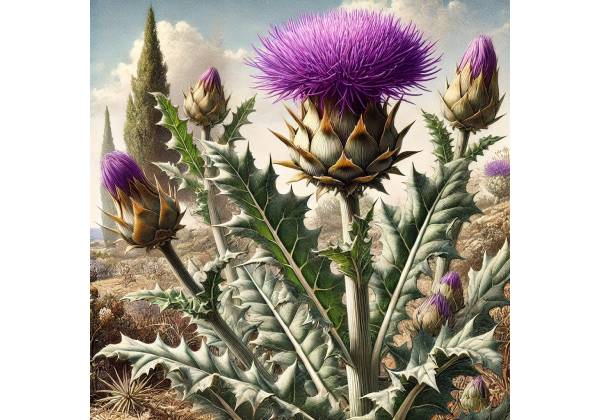
Cardoon is a tall, thistle-like plant native to the Mediterranean region, with deeply lobed leaves and violet-purple flowers. In traditional kitchens, the edible part is often the blanched stalk (the thick leaf rib), which becomes tender and mild when cooked. In herbal practice, the emphasis shifts to the leaf, because that is where many of the bitter and polyphenol-rich compounds concentrate.
It helps to know the naming landscape. Cynara cardunculus is sometimes discussed as:
- Cardoon (often the wild or cultivated stalk vegetable)
- Globe artichoke (a domesticated form selected for large edible flower buds)
- Artichoke leaf preparations (commonly used in supplements and traditional digestive products)
This overlap is why you may see cardoon benefits described similarly to artichoke leaf benefits. If you want a deeper primer on the shared Cynara family profile, artichoke leaf benefits and uses provides a helpful baseline.
Key ingridients and active compounds
Cardoon’s most discussed bioactive groups include:
- Caffeoylquinic acids (CQAs): This family includes chlorogenic acid and related compounds. They are associated with antioxidant activity and may influence lipid metabolism and glucose handling in indirect ways.
- Flavonoids (especially luteolin derivatives): Flavonoids contribute to the plant’s polyphenol profile and are studied for anti-inflammatory and vascular effects.
- Sesquiterpene lactones (bitter principles): These are part of what makes cardoon leaf taste sharply bitter. Bitter compounds are traditionally linked to digestive “tonic” effects—salivation, appetite priming, and bile-related comfort.
- Inulin and other fibers (food form): When eaten as a vegetable, cardoon contributes fiber that can support regularity and satiety. This is not the same as taking an extract, but it matters for practical outcomes.
- Minerals and plant sterols (food context): These are secondary to the polyphenols but can complement a heart-healthy dietary pattern.
Why the form matters more than people expect
A cardoon stalk dish, a cardoon leaf tea, and a standardized leaf extract are not interchangeable. They differ in:
- Dose (food servings versus concentrated extracts)
- Bitter intensity (stalk is mild; leaf is bitter)
- Target outcomes (dietary fiber support versus functional dyspepsia support)
The most useful way to approach cardoon is to decide whether you are seeking a culinary vegetable, a digestive bitter, or a standardized supplement, and then choose the form that matches that goal.
Cardoon benefits you can expect
Cardoon’s benefits are best described as digestive-first, with secondary interest in cardiometabolic and liver-related markers. Most people who do well with cardoon notice changes that are practical and body-sensation based—less heaviness after meals, steadier appetite, and fewer “stuck” digestion days—rather than dramatic, immediate effects.
1) Digestive comfort and meal tolerance
Cardoon leaf has a long tradition as a bitter digestive. In modern terms, it is most often used for:
- A sensation of fullness soon after eating
- Bloating and gas that worsens after rich or fatty meals
- A “sluggish” feeling in the upper abdomen
- Mild, intermittent nausea-like discomfort linked to slow digestion
A realistic expectation is gradual improvement over 2–4 weeks when used consistently. Many people do not notice much from single, sporadic doses because functional dyspepsia patterns fluctuate naturally.
If your symptoms are mostly lower-gut cramping and gas rather than upper-abdominal fullness, you might do better starting with a gentler carminative strategy such as peppermint for digestive comfort, and then reassessing whether a bitter leaf extract is necessary.
2) Support for bile-related digestion
Cardoon is often chosen when people feel worse after fatty foods. That pattern can reflect many things—meal size, reflux, gallbladder function, or bile flow dynamics. Traditionally, bitter Cynara leaves are used to support bile-related digestive comfort, which may translate into improved tolerance of meals that would otherwise feel heavy.
Important nuance: “bile support” does not mean it is safe for everyone with gallbladder issues. If you have known gallstones or biliary obstruction, this is one of the scenarios where professional guidance matters most.
3) Cholesterol and metabolic markers
Cardoon and artichoke leaf extracts are widely discussed for lipid support. In research settings, the effects—when present—tend to be modest and more noticeable in people with suboptimal baseline cholesterol values. Think of this as “supporting a broader plan” rather than replacing diet, exercise, or prescribed therapy.
4) Liver enzyme support and oxidative stress balance
Interest in Cynara extracts for liver markers is growing, especially in lifestyle-related liver stress patterns. The most reasonable framing is that cardoon may support liver-related lab markers in some settings, but it is not a stand-alone treatment for fatty liver disease, hepatitis, or alcohol-related liver injury.
Overall, cardoon is best viewed as a targeted tool for digestion and a potentially supportive addition for cardiometabolic goals—most useful when chosen for the right symptom pattern and used with clear safety boundaries.
How cardoon works in the body
Cardoon’s actions come from a combination of bitter signaling, polyphenol chemistry, and gut–liver coordination. The plant does not “do one thing.” Instead, it nudges several systems that influence how you feel after meals and how the body handles fats.
Bitter signaling and digestive reflexes
Bitters work partly through a simple but powerful pathway: bitter taste receptors in the mouth and upper gut can trigger reflexes that support digestion. This may include:
- Increased salivation and early digestive readiness
- A shift toward more coordinated digestive secretions
- A subjective sense of “digestive activation,” especially after heavy meals
Cardoon leaf’s bitterness is one reason it is used as a tea or extract rather than as a casual food ingredient.
Bile flow and fat handling
Cardoon is closely associated with bile-related comfort. Bile is necessary for emulsifying fats, and it also plays roles in signaling that influence gut motility and microbiome balance. When people say Cynara plants “support bile,” what they often mean in practical terms is:
- Less meal-related heaviness
- Better tolerance for moderate fat intake
- Fewer nausea-like sensations after rich foods
However, bile-related effects cut both ways. If bile outflow is physically blocked, stimulating bile dynamics can worsen pain. That is why gallbladder and bile-duct conditions sit high on the caution list.
Polyphenols, lipids, and oxidative stress
Caffeoylquinic acids and flavonoids help explain why Cynara extracts are explored for lipid and liver markers. These compounds are studied for:
- Influencing oxidative stress pathways involved in vascular health
- Modulating inflammatory signaling that links metabolism and liver function
- Affecting enzymes involved in lipid synthesis and transport in indirect ways
In everyday life, this can translate into modest improvements in lab markers for some people, especially when paired with dietary changes.
Gut comfort through motility and sensitivity
Functional dyspepsia is not only about “too little stomach acid” or “poor digestion.” It often involves altered motility, impaired gastric accommodation (the stomach’s ability to relax after eating), and heightened gut sensitivity. Cardoon’s multi-pathway profile is one reason it appears in digestive formulas: it may support comfort without acting as a sedative or a simple antispasmodic.
Why response varies so much
Cardoon tends to work best when the symptom pattern matches its strengths:
- Post-meal fullness, bloating, or heaviness
- Fatty-food intolerance without red-flag symptoms
- Mild dyspepsia patterns that come and go
If your main issue is reflux with burning, severe abdominal pain, or alarm symptoms, the mechanism picture changes and cardoon may not be the right choice.
How to use cardoon in daily life
Cardoon can be used as a food, a traditional tea, or a standardized supplement. The best choice depends on your goal: general nutrition, digestive comfort, or a more targeted therapeutic-style trial.
1) Culinary cardoon (stalk vegetable)
When used as food, cardoon is typically prepared by blanching the stalks (often by wrapping or hilling to reduce bitterness), then trimming and cooking. Common approaches include:
- Braising or stewing with lemon, olive oil, and herbs
- Adding to gratins or soups for a mild, artichoke-like flavor
- Pairing with beans or grains for a fiber-forward meal
Food use is most relevant for dietary fiber, overall plant diversity, and meal satisfaction. It is less likely to deliver a concentrated “digestive bitter” effect unless you eat a lot of leaf material, which most people do not.
2) Cardoon flower traditions (rennet)
In parts of the Iberian Peninsula, cardoon flower enzymes are used to curdle milk in traditional cheeses. This is a cultural and culinary use rather than a modern supplement strategy, but it highlights how versatile Cynara plants are. If you encounter “cardoon rennet,” think food craft—not digestive medicine.
3) Leaf tea (traditional bitter)
Cardoon leaf tea is bitter and is usually taken in small amounts:
- Often before meals when appetite is low or digestion feels slow
- Or after meals when fullness and bloating are the main complaints
Because bitterness is strong, people often do better with a smaller cup taken consistently than with a large, hard-to-finish infusion.
4) Standardized extracts (most common supplement form)
For therapeutic-style use, standardized leaf extracts are the most practical option because they:
- Provide a measurable dose
- Reduce guessing compared with loose-leaf teas
- Allow consistent daily intake for a defined trial period
A sensible trial structure looks like this:
- Choose one product and commit to 2–4 weeks.
- Take it with meals or shortly before meals, depending on the label.
- Track a few simple signals: fullness after meals (0–10), bloating frequency, and tolerance of moderate-fat meals.
- Stop if symptoms worsen or if you develop concerning pain under the right rib cage, severe nausea, or allergic symptoms.
If your main reason for trying cardoon is liver-related support, consider it part of a larger plan that includes diet, weight management (if relevant), and well-characterized liver-support herbs when appropriate, such as milk thistle for liver support strategies.
How much cardoon per day?
Cardoon dosing depends on the plant part (leaf versus stalk) and the preparation (tea, powder, extract). For health-oriented use, most dosing guidance is based on Cynara leaf preparations because that is where traditional and supplement practice concentrate.
Typical adult ranges (leaf-based preparations)
These ranges reflect common traditional and standardized leaf product patterns:
- Herbal tea (dried leaf): about 3–6 g per day total, often split into 2–4 servings depending on how strong the infusion is.
- Powdered leaf: about 600–1500 mg per day, divided across the day.
- Dry leaf extracts (varies by extraction): commonly 400–1320 mg per day total for many standardized water extracts, but some preparations use different drug-to-extract ratios and higher daily totals.
- Soft extracts: often dosed around 1800 mg per day total for certain traditional-style preparations.
Because extracts differ, the safest practical rule is: follow the label dose for your specific product and avoid combining multiple Cynara products at once.
Timing: when to take it
- For fullness and bloating: with meals or shortly after meals can be most intuitive.
- For appetite priming and digestive readiness: 10–20 minutes before meals is commonly used with bitter herbs.
- If you are sensitive to bitterness or prone to nausea, start with with-meal dosing to reduce the chance of discomfort.
How long to try it
Cardoon is not usually a “one dose” herb. A practical approach is:
- 2–4 weeks for a first trial
- Continue longer only if it is clearly helping and you are tolerating it well
- Take breaks if you plan extended use, so you can confirm benefits persist rather than becoming background noise
Adjusting dose safely
Start low, then increase only if needed:
- Begin at the low end of the label range for 3–4 days.
- Increase to the standard dose if no side effects occur.
- Do not push beyond label guidance to “force results.”
If your goal is better regularity through plant fiber rather than bitter leaf effects, it may be more effective to focus on fiber strategies with clearer dosing norms, such as psyllium for stool regularity and gut comfort, while using culinary cardoon as a vegetable for variety.
Side effects, interactions, and who should avoid
Cardoon is often well tolerated when used within typical adult dosing ranges, but it has clear contraindications and a few side effects that are worth taking seriously—especially because many people try it specifically for bile-related digestion patterns.
Common side effects
Most side effects are digestive and usually dose-related:
- Mild nausea or stomach upset
- Heartburn sensations in sensitive individuals
- Loose stools or mild diarrhea
- Abdominal discomfort, especially if taken on an empty stomach at high dose
If these occur, the safest first step is to reduce the dose or take it with meals. If symptoms persist, discontinue.
Who should avoid cardoon
Avoid cardoon leaf supplements (and seek clinician guidance) if you have:
- Bile-duct obstruction or suspected obstruction
- Painful gallstones or recurrent right-upper abdominal pain after fatty meals
- Known allergy to Asteraceae (daisy family), especially if you react to ragweed, chamomile, marigold, or related plants
- Pregnancy or breastfeeding, because safety data are not adequate for confident use
Children and adolescents should generally avoid supplement-style dosing unless a qualified clinician specifically recommends it.
Medication and condition cautions
Direct interaction evidence in humans is limited, so use conservative safety logic:
- If you take multiple medications metabolized through the liver and you are sensitive to supplements, start low and monitor for unexpected symptoms.
- If you are on lipid-lowering therapy, do not treat cardoon as a substitute. Consider it a supportive option only, and monitor labs through standard medical care.
- If you have significant reflux disease, bitterness can aggravate symptoms in some people. Trial carefully and stop if heartburn worsens.
Red flags that should stop the experiment
Stop cardoon products and seek medical evaluation if you develop:
- Severe or persistent upper abdominal pain, especially under the right rib cage
- Fever, vomiting, or jaundice-like symptoms
- Signs of allergic reaction (hives, swelling, wheezing)
- Persistent diarrhea or dehydration symptoms
Quality and labeling tips that reduce risk
Choose products that clearly state:
- Plant part (leaf) and extract type
- A realistic dose range and intended use (digestive comfort, not “detox” hype)
- Sensible duration guidance
Avoid products that encourage long-term daily use without breaks, or that combine many stimulating “detox” ingredients, which can make side effects harder to interpret.
What the evidence actually says
Cardoon is a good example of a plant where the evidence is meaningful but easy to misunderstand if you do not separate traditional indications, standardized leaf extract research, and food use. The strongest modern data largely comes from studies on Cynara leaf preparations (often labeled as artichoke leaf extract), which overlap heavily with cardoon’s phytochemistry.
Digestive evidence: best fit for functional dyspepsia patterns
Evidence is most consistent for symptom clusters that look like functional dyspepsia:
- Post-meal fullness and early satiety
- Bloating and upper-abdominal discomfort
- Nausea-like sensations without a structural cause
In these scenarios, Cynara leaf preparations appear to help some people, especially when taken consistently for several weeks. The benefit is typically moderate, and not everyone responds. That variability is common in gut–brain interaction disorders and is one reason symptom tracking matters.
Lipid and cardiovascular markers: modest, supportive effects
When studies show improvements in cholesterol-related markers, the effects are usually modest and more noticeable when baseline values are elevated. The most reasonable interpretation is that Cynara extracts can complement lifestyle changes in certain adults, not replace them. If your goal is cardiovascular risk reduction, the “big levers” remain diet quality, weight management (if relevant), sleep, physical activity, and appropriate medical therapy.
Liver enzymes: signals, not a stand-alone treatment
Systematic reviews of randomized trials suggest potential improvements in liver enzyme markers in some contexts. Still, liver health is complex: enzyme shifts do not always mean “healing,” and serious liver conditions require medical diagnosis and monitoring. Cardoon is best positioned as an adjunct—if used at all—within a clinician-guided plan.
Safety evidence: clear contraindications, generally mild adverse effects
Regulatory-style monographs and safety reviews generally describe adverse effects as gastrointestinal or allergic in nature and emphasize avoidance during pregnancy and breastfeeding. They also highlight the gallbladder and bile-duct cautions. Practically, that means the safety profile is acceptable for many adults, but only when you apply the “who should avoid it” rules and avoid high-dose experimentation.
A practical bottom line
Cardoon leaf preparations are most evidence-aligned when:
- Your symptoms match functional dyspepsia or meal-related fullness patterns.
- You choose a standardized product and use it for a defined trial window (2–4 weeks).
- You respect contraindications, especially gallbladder and bile-duct issues.
If you approach cardoon with that structure, it can be a useful, well-bounded tool. If you approach it as a daily “detox,” the risk-benefit balance tends to worsen quickly.
References
- Addendum to Assessment report on Cynara cardunculus L. (syn. C. scolymus L.), folium 2025 (Regulatory Assessment)
- Effects of Artichoke Supplementation on Liver Enzymes: A Systematic Review and Meta-Analysis of Randomized Controlled Trials 2022 (Systematic Review and Meta-Analysis)
- A Randomized, Double-Blind, Placebo-Controlled Clinical Trial on the Effect of a Dietary Supplement Containing Dry Artichoke and Bergamot Extracts on Metabolic and Vascular Risk Factors in Individuals with Suboptimal Cholesterol Levels 2024 (RCT)
- Exploring the Cardiovascular Potential of Artichoke—A Comprehensive Review 2025 (Review)
- European Union herbal monograph on Cynara cardunculus L. (syn. Cynara scolymus L.), folium 2018 (Monograph)
Disclaimer
This article is for educational purposes only and does not provide medical advice, diagnosis, or treatment. Herbal products can vary by species, plant part, and extraction method, and these differences can change both effects and safety. Do not use cardoon supplements if you have bile-duct obstruction, severe gallbladder symptoms, or a known allergy to daisy-family plants. Safety during pregnancy and breastfeeding has not been established, so use is not recommended. If you take prescription medicines, have chronic digestive symptoms, or have abnormal liver tests, consult a qualified healthcare professional before using cardoon. Stop use and seek medical care promptly if you develop severe abdominal pain, persistent vomiting, jaundice, signs of allergic reaction, or significant worsening of symptoms.
If this guide was helpful, consider sharing it on Facebook, X (formerly Twitter), or any platform you prefer so others can make safer, better-informed decisions.