Celosia (Celosia argentea) is best known as a striking ornamental plant, but many cultures also value it as a leafy vegetable and a traditional herbal remedy. In parts of West Africa and Asia, the tender leaves and shoots are cooked much like spinach. In East Asian herbal traditions, the dried seeds (often called “celosia seed”) have been used for generations—especially in formulas aimed at eye comfort and “heat” patterns associated with redness or irritation.
From a modern wellness lens, celosia is interesting for two reasons. First, it can be a nutrient-dense food when eaten as a cooked green, supplying fiber and a spectrum of micronutrients. Second, it contains plant compounds—such as betalain pigments, polyphenols, and triterpenoid saponins—that may support the body’s antioxidant defenses and healthy inflammatory balance. That said, most of the strongest research is preclinical, and product quality varies widely, so practical use should focus on safe, food-first strategies and realistic expectations.
Quick Overview
- May support antioxidant and inflammatory balance when used as a cooked leafy green or standardized extract.
- Avoid high-dose seed preparations during pregnancy and breastfeeding unless supervised by a qualified clinician.
- Typical ranges: 6–12 g/day dried seeds as tea/decoction, or 250–500 mg/day extract (standardization varies).
- Avoid if you have a known amaranth-family allergy or you are using blood sugar or blood pressure medications without guidance.
Table of Contents
- What is celosia?
- Key compounds and nutrients
- Celosia health benefits
- How to use celosia
- How much celosia per day?
- Side effects and interactions
- What the evidence says
What is celosia?
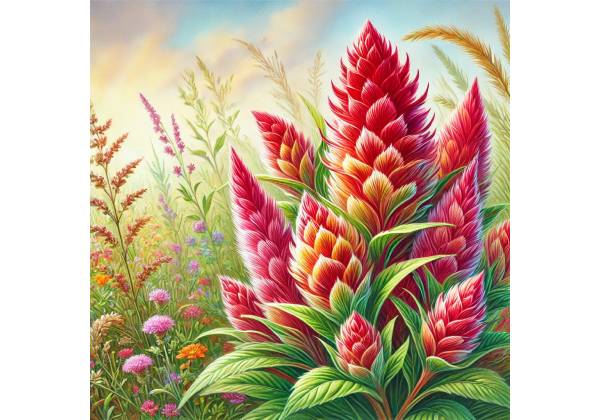
Celosia (Celosia argentea) belongs to the Amaranthaceae family—the same broad plant family that includes several edible “pseudo-spinach” greens. Depending on where you live, you may hear it called silver cockscomb, plumed cockscomb, quail grass, or “Lagos spinach” (a common name for the leafy-vegetable use in West Africa). The plant typically grows as an annual with upright stems and eye-catching, feathery flower spikes in vivid red, pink, yellow, or orange.
Celosia has two distinct “identity roles,” and it helps to separate them:
- Food plant (leaves and young shoots): The leaves are tender when young and are usually cooked. Cooking softens the texture, reduces bitterness, and improves digestibility. As with other leafy greens, the nutrition you get depends on soil quality, harvest age, and cooking method.
- Herbal plant (seeds and sometimes aerial parts): Traditional systems often focus on the dried seeds. In Chinese and Korean traditions, “celosia seed” is typically used in formulas rather than taken alone, and it is most commonly discussed for eye-related comfort and “liver heat” patterns. In other folk traditions, the plant has been used for digestive upset, inflammation, and topical applications, although these uses are less standardized.
From a practical perspective, most people encounter celosia in one of three ways: as a garden ornamental, as a leafy vegetable sold in specialty markets, or as an herbal ingredient (often the seed) in traditional preparations. These forms are not interchangeable. A serving of cooked leaves is a food. A seed decoction or a concentrated extract behaves more like a supplement, with higher exposure to specific bioactives.
If you enjoy exploring nutrient-dense greens, celosia can fit into the same culinary niche as amaranth-style leafy vegetables, where the goal is steady, diet-level support rather than quick “medicinal” effects.
Key compounds and nutrients
Celosia’s potential benefits come from a blend of basic nutrition and specialized plant chemistry. The exact profile depends on the plant part (leaf vs seed), variety, growing conditions, and processing. Still, several categories show up consistently in discussions of celosia’s functional properties.
Pigments and antioxidants (betalains and polyphenols)
Many celosia varieties are rich in betalains—water-soluble pigments that can appear red-purple (betacyanins) or yellow-orange (betaxanthins). Betalains are best known for antioxidant behavior, meaning they can help neutralize reactive molecules that contribute to oxidative stress. In real life, “antioxidant support” is most meaningful when it is paired with a nutrient-dense diet, adequate sleep, and good metabolic health—celosia is a contributor, not a standalone solution.
Celosia also contains polyphenols (including flavonoids and phenolic acids). These compounds are often discussed for supporting healthy inflammatory signaling and vascular function. Polyphenols tend to be sensitive to heat and storage, so gentle cooking and fresh use can matter.
Saponins and other bioactives (especially in seeds)
Celosia seeds are frequently described as a source of triterpenoid saponins. Saponins are “soap-like” compounds that can influence lipid metabolism, bile-related pathways, and inflammatory signaling in laboratory models. They are one reason seed preparations are treated more like herbal medicine than everyday food.
Seeds may also contain fatty acids, small peptides, and other secondary metabolites that vary widely by cultivar and region. This variability is part of why quality control matters: two products labeled “celosia seed” may not behave the same.
Nutrition as a leafy vegetable
When eaten as a cooked green, celosia contributes:
- Fiber for digestive regularity and healthier post-meal blood sugar response
- Minerals that support daily physiology (levels depend heavily on soil and growing method)
- Vitamins and phytonutrients commonly found in leafy greens
A useful mental model is: leaves = food-first nutrition; seeds/extracts = targeted phytochemistry. If your goal is general wellness, the leaf form is usually the simplest and lowest-risk starting point. If your goal is a traditional, targeted use (for example, an eye-focused formula), then standardized sourcing and clinician guidance matter more.
Celosia health benefits
Celosia is often described online as a “multi-purpose medicinal plant,” but a grounded view separates plausible benefits from proven outcomes. In many cases, what looks like a “celosia benefit” is really a blend of (1) leafy-green nutrition and (2) bioactive compounds that show promise in preclinical research.
1) Antioxidant support and cellular resilience
As a colorful plant with betalains and polyphenols, celosia is commonly used in research exploring antioxidant capacity. In practical terms, antioxidant-rich foods may support healthier aging and recovery by reducing oxidative burden—especially when your baseline diet is low in plant diversity. If you already eat a variety of fruits and vegetables, celosia may be a helpful addition, but not a dramatic change by itself.
2) Support for inflammatory balance
Traditional uses and lab studies often frame celosia as “cooling” or soothing. Modern language would describe this as potential support for inflammatory signaling. This is one reason people pair celosia with other soothing plants or use it during temporary periods of irritation (for example, seasonal discomfort).
3) Eye comfort and vision-focused traditional use
Celosia seed has a long-standing association with eye comfort in East Asian traditions—typically for symptoms like redness, dryness, or blurred vision in traditional pattern language. It is important to keep expectations realistic: these are traditional indications and do not replace evidence-based care for eye disease. If you have persistent vision changes, eye pain, light sensitivity, or sudden floaters, that is a medical issue—not an herbal one.
4) Metabolic and liver-related interest
Some modern research interest focuses on saponin-rich seed fractions and metabolic pathways (lipids, oxidative stress, and liver enzyme patterns in models). This is not the same as proving celosia treats fatty liver disease or high cholesterol in humans. Still, it suggests a plausible “metabolic support” angle that might be explored further.
5) Nutrition-driven benefits when used as food
If you eat celosia leaves as a vegetable, benefits are similar to other nutrient-dense greens:
- Better fiber intake and satiety
- More micronutrient diversity
- A stronger plant-phytonutrient pattern overall
If you want a comparable “greens strategy” benchmark, consider how people use kale for antioxidant and anti-inflammatory support: consistent dietary exposure tends to matter more than short bursts of high-dose supplements.
The most realistic, evidence-aligned approach is to treat celosia as a supportive tool—especially as a food—rather than a primary treatment for specific conditions.
How to use celosia
How you use celosia should match your goal, your risk tolerance, and the form you can source reliably. Below are practical options, from lowest to highest intensity.
1) Cooked leaves (food-first option)
This is the simplest and typically safest approach.
- How to prepare: Rinse thoroughly, chop, and sauté or simmer like spinach. Many people cook it with onion, garlic, tomatoes, or broth to soften texture and mellow any grassy bitterness.
- Why cooking helps: Cooking improves palatability and often reduces compounds that can irritate sensitive digestion in some people.
- How to use: Add to stews, lentils, egg dishes, soups, or grain bowls.
If you are new to celosia as a vegetable, start with a smaller serving and see how your digestion responds, especially if you are sensitive to high-fiber foods.
2) Leaf infusion (mild tea)
A leaf tea is typically gentler than a seed decoction and can be used as a “light” way to explore tolerance.
- Preparation: Pour hot water over dried leaf material, steep, then strain.
- Taste: Mildly grassy and slightly earthy.
Because leaf products are not standardized, treat tea as a culinary beverage rather than a precise-dose supplement.
3) Seed decoction (traditional-style use)
Traditional herbal practice often uses seeds as a decoction rather than a quick steep.
- Preparation: Simmer seeds in water for a longer period, then strain.
- Typical use: Often combined with other herbs in formulas rather than used alone.
Seed preparations are more likely to cause GI upset in sensitive people, and they may interact more strongly with medications because they can deliver higher levels of certain bioactives.
4) Powder or capsule extracts
Commercial products may use leaf or seed extracts, sometimes marketed for antioxidant or “eye support” purposes.
- Quality matters: Look for clear labeling that specifies plant part (leaf vs seed), extraction ratio, and testing for identity and contaminants.
- Start low: With any new extract, begin at the lowest labeled dose for several days before increasing.
5) Topical use (special case)
Some traditions apply plant preparations to skin for comfort. If you try topical use, do a patch test first and avoid broken skin unless guided by a clinician.
A practical rule: If your goal is general wellness, choose food use. If your goal is traditional targeted use, choose clinician-guided herbal use with verified sourcing.
How much celosia per day?
Celosia dosing depends heavily on the form you choose. Unlike vitamins with established RDAs, celosia does not have a single universally accepted “daily dose.” The goal is to use a range that matches real-world practice while staying conservative for safety.
1) As a cooked leafy vegetable
For most people, the most practical “dose” is a serving size:
- Typical serving: about 1/2 to 1 cup cooked leaves (or roughly 1–2 cups raw leaves before cooking)
- Frequency: 2–4 times per week is a realistic, food-based cadence
If you are increasing leafy greens broadly, it can help to track your total fiber intake and fluid intake to prevent bloating.
2) Leaf tea (infusion)
Because strength varies, keep the approach simple:
- Typical range: 1–2 cups per day
- Timing: often between meals or in the evening if you prefer a lighter beverage
If you notice nausea, cramping, or loose stools, reduce strength or frequency.
3) Seed decoction (traditional-style range)
For people using celosia seeds in a traditional context:
- Common traditional range: 6–12 g/day dried seeds, prepared as a decoction
- Timing: usually divided into 1–2 servings
Because this is a higher-intensity use, it is best reserved for short-term, goal-specific use rather than indefinite daily intake—unless you are working with a qualified practitioner.
4) Extracts and capsules
Extracts vary the most. If the product is not standardized, dosing precision is limited.
- Typical conservative range: 250–500 mg/day extract
- Duration: consider a 2–4 week trial, then reassess
If you are taking celosia for a specific outcome (for example, eye comfort), pair it with measurable habits: screen breaks, hydration, lighting changes, and clinical evaluation when appropriate.
Variables that change the “right” amount
- Your baseline diet: If you already eat many greens, you may need less to notice a difference.
- Medication use: Blood pressure and blood sugar medications can change the safety margin.
- Gut sensitivity: High-fiber greens can cause bloating in some people at first.
- Life stage: Pregnancy, breastfeeding, and childhood call for extra caution with concentrated forms.
If your goal is daily mineral support, it may help to compare celosia’s “greens strategy” with basic targets such as meeting magnesium needs through diet—a reminder that steady intake patterns usually matter more than one standout ingredient.
Side effects and interactions
Celosia is generally well tolerated as a cooked vegetable for most healthy adults, but concentrated seed or extract forms deserve more caution. Safety is mostly about dose, product quality, and your personal risk factors.
Common side effects (more likely with supplements than food)
- Digestive upset: nausea, cramping, loose stools, or increased gas—especially with seed decoctions or higher-dose extracts
- Headache or “wired” feeling: uncommon, but possible with concentrated products depending on formulation
- Allergic reactions: rare, but possible—especially if you have known sensitivities to plants in the amaranth family
If you experience hives, swelling, wheezing, or throat tightness, stop immediately and seek urgent care.
Medication interactions to consider
Because celosia seed and extracts may influence metabolic pathways, use caution if you take:
- Blood sugar–lowering medications: risk of additive effects (hypoglycemia symptoms such as shakiness, sweating, confusion)
- Blood pressure medications: risk of additive blood pressure lowering (lightheadedness, dizziness)
- Anticoagulants or antiplatelet drugs: there is not enough definitive data to predict interaction direction; the conservative choice is clinician review before use
Who should avoid celosia supplements (or use only with supervision)
- Pregnant or breastfeeding individuals: avoid high-dose seed preparations and concentrated extracts unless supervised
- Children: food use is typically fine, but avoid adult-dose extracts without pediatric guidance
- People with chronic liver or kidney disease: not because celosia is “known dangerous,” but because concentrated botanicals add uncertainty and may complicate monitoring
- Those preparing for surgery: consider stopping non-essential herbal supplements 1–2 weeks before procedures, unless your surgical team advises otherwise
Quality and identity issues
A major safety issue in herbal use is misidentification and adulteration, especially with seed products sold in bulk. Choose products with clear identity testing and reputable sourcing, and avoid unlabeled “seed powders” with no plant-part confirmation.
Finally, remember that “safe as food” does not automatically mean “safe at high dose.” A cooked bowl of greens and a concentrated seed extract can behave very differently in the body.
What the evidence says
Celosia occupies an interesting space: it has long-standing traditional use and a growing body of modern lab research, but it is not yet supported by a large base of high-quality human clinical trials for specific medical outcomes. Understanding that gap helps you use celosia wisely.
Where the evidence is stronger
- Phytochemistry and identification: Researchers have mapped many celosia compounds (especially pigments and seed saponins) and developed methods to distinguish true celosia seed from related adulterants. This matters because the same “common name” can refer to different species or seed sources in the marketplace.
- Mechanistic plausibility: Antioxidant pigments (betalains) and saponins have plausible pathways that align with traditional themes like “cooling,” soothing irritation, and supporting metabolic balance.
- Food value: Using the leaves as a leafy vegetable fits well with broad nutrition science: higher vegetable intake is consistently associated with better long-term health markers, even when a single plant is not singled out as “medicinal.”
Where the evidence is limited
- Human outcomes for eye health: Traditional use points to eye comfort, but modern clinical evidence for celosia alone is not robust. Eye symptoms also have many causes (dry eye, allergies, screen strain, infection, glaucoma), so relying on a single herb can delay appropriate care.
- Metabolic and liver claims: Several studies explore saponin-rich fractions in models, but animal or cell findings do not automatically translate to humans. Dose scaling, extract standardization, and long-term safety all need stronger data.
- Standardization and dosing: Products vary by plant part, extraction method, and cultivar. Without consistent standardization, it is hard to compare results across studies or to define an evidence-based dose.
How to apply the evidence in real life
- Start with food use if your goal is general wellness. It is easier to dose, safer, and fits a long-term health pattern.
- Treat supplements as short trials, not permanent routines—unless a clinician is monitoring your response.
- Choose measurable goals (sleep quality, digestive comfort, screen fatigue habits) and reassess after a defined period.
- Use comparison herbs carefully: Some people compare celosia’s liver-support folklore to herbs like milk thistle for liver support, but the evidence base and standardization landscape differ. Comparisons should be used to calibrate expectations, not to assume equal effectiveness.
In short, celosia is promising—especially as a nutrient-rich leafy vegetable and a traditional seed-based ingredient—but it should be used as supportive care, not as a substitute for diagnosis or treatment.
References
- Celosia argentea: Towards a Sustainable Betalain Source-A Critical Review and Future Prospects 2025 (Review). ([PubMed][1])
- Development of an HPTLC-MS Method for the Differentiation of Celosiae Semen: Celosia argentea Versus C. cristata 2025. ([PubMed][2])
- Precise identification of Celosia argentea seed and its five adulterants by multiple morphological and chemical means 2022. ([PubMed][3])
- Bioreactor Systems to Mass-Produce the Undervalued Crop, Celosia argentea, With High Nutrient Impact 2025. ([PubMed][4])
- Lipidomics reveals the lipid-lowering and hepatoprotective effects of Celosia Semen on high-fat diet-induced NAFLD mice 2025. ([PubMed][5])
Disclaimer
This article is for educational purposes only and does not provide medical advice, diagnosis, or treatment. Herbal products and edible plants can affect people differently based on health conditions, medications, allergies, and life stage. If you are pregnant, breastfeeding, managing a chronic condition, preparing for surgery, or taking prescription medications (especially for blood sugar, blood pressure, or blood thinning), consult a qualified healthcare professional before using celosia in concentrated forms such as seed decoctions, powders, or extracts. Seek urgent medical care for severe allergic reactions or sudden changes in vision.
If you found this guide helpful, consider sharing it with a friend or community group on Facebook, X (formerly Twitter), or your preferred platform to help others make safer, more informed choices.