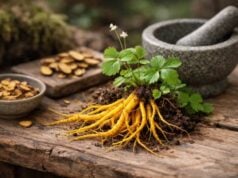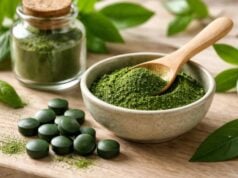
Cerasee (Momordica charantia) is a famously bitter climbing vine used both as a food plant and as a traditional herbal tea—especially across the Caribbean and parts of Central and South America. Many people also know it as bitter melon or bitter gourd, names that hint at its defining feature: an intense bitterness linked to a distinctive mix of plant compounds that influence digestion, glucose handling, and inflammatory signaling. In traditional practice, cerasee tea is taken for “cooling” and cleansing routines, digestive upset, skin flare-ups, and, most notably, blood sugar support.
Modern research suggests cerasee can affect glucose and lipid markers in some people, but results depend heavily on the plant part used (leaf versus fruit), the preparation (tea versus standardized extract), and the dose. It is also an herb where “more” is not automatically better. Concentrated products can cause low blood sugar, stomach irritation, and avoidable risk in pregnancy, children, and people with certain blood conditions. This guide explains what cerasee contains, what it may help with, how to use it in real life, and how to do so safely.
Top Highlights
- May modestly improve fasting and post-meal glucose markers in some adults when used consistently.
- Traditional tea use may support digestion and short-term “cooling” comfort, but effects vary.
- Typical intake: 1–2 cups of cerasee tea daily made from 1.5–3 g dried herb, or follow standardized extract labels.
- Can cause hypoglycemia, especially when combined with diabetes medications or taken on an empty stomach.
- Avoid if pregnant, breastfeeding, giving to children, or living with G6PD deficiency or active gastrointestinal ulcers.
Table of Contents
- What is cerasee and what is in it?
- Cerasee health benefits and medicinal properties
- Does cerasee help blood sugar?
- How to use cerasee
- How much cerasee per day?
- Side effects, interactions, and who should avoid
- What the evidence actually says
What is cerasee and what is in it?
Cerasee is the common herbal name for Momordica charantia, a vine in the Cucurbitaceae (gourd) family. The plant produces a warty green fruit that becomes orange as it ripens, along with thin stems and deeply lobed leaves that are often dried for tea. In many Caribbean traditions, “cerasee” refers specifically to the leaf and vine tea, while “bitter melon” often refers to the fruit used as food. This matters because the leaf, fruit, and seed do not contain identical levels of the same compounds, and research results vary depending on which part was studied.
Key bioactive compound groups
Cerasee’s most discussed actives fall into a few categories:
- Cucurbitane-type triterpenoids and saponins (often described under names like momordicosides and related compounds): These are linked to bitter taste and are studied for metabolic and anti-inflammatory signaling.
- Charantin (a mixture of steroidal saponins): Frequently cited as a glucose-related constituent, though real-world effects depend on preparation and dose.
- Peptides and proteins (sometimes discussed as insulin-like or bioactive proteins in the fruit): These are part of why some extracts are studied for glucose handling, but they are not reliably delivered by every tea.
- Phenolic compounds and flavonoids: Contribute antioxidant activity and may support vascular and inflammatory balance, but their impact depends on overall diet and consistency.
- Fiber and bitter principles: In food forms (especially fruit), fiber and bitterness can influence appetite, digestion, and post-meal glucose curves.
Why bitterness matters
The bitterness of cerasee is not just a taste quirk. Bitter compounds can trigger digestive reflexes—salivation, stomach secretions, and bile flow—in some people. That is one reason cerasee is traditionally taken before meals or as a “reset” tea. The same bitterness, however, can also irritate sensitive stomachs, especially if the tea is strong or taken without food.
Different forms you may see
Cerasee is sold and used in several forms, each with different practical implications:
- Dried leaf and vine tea (the most traditional “cerasee” use)
- Fresh fruit as food (often cooked to soften bitterness)
- Juice (more concentrated and easier to overdo)
- Capsules and standardized extracts (most variable in strength and safety)
A helpful way to think about cerasee is as a plant with two personalities: a traditional bitter tea for routines and comfort, and a clinically interesting botanical with metabolic effects that become more pronounced—and more risky—as products become more concentrated.
Cerasee health benefits and medicinal properties
Cerasee is often described as a “cleanser,” but its most realistic benefits are easier to understand when translated into modern goals: metabolic support, digestive comfort, and skin-related routines. The key is keeping expectations grounded. Cerasee can support certain patterns; it is not a stand-alone treatment for chronic disease.
1) Metabolic support beyond blood sugar
While blood sugar is the headline, cerasee is also studied for broader metabolic markers. Some preparations appear to influence:
- post-meal glucose handling (how quickly glucose rises after eating)
- triglycerides and total cholesterol in certain populations
- appetite patterns, partly through bitterness and satiety cues
A practical benefit many people report is behavioral: cerasee tea can replace sweet drinks, reduce late-night snacking, and create a consistent ritual that supports healthier choices. Those “indirect” effects can be meaningful even when lab changes are modest.
2) Digestive comfort and bowel regularity
Traditional use often centers on digestion—especially after heavy foods. Small, moderate-strength cups may support:
- reduced sense of heaviness after meals
- improved appetite clarity (less grazing, more defined meal times)
- mild support for regularity when paired with hydration and fiber
However, strong tea can cause cramping or loose stools in sensitive people. Cerasee is not a gentle herb for everyone, and “cleansing” effects are often simply irritation at an excessive dose.
3) Skin and “heat” flare routines
Cerasee is commonly used for skin issues such as breakouts, itchiness, or heat rash, usually as a tea taken internally or as a cooled wash. The best way to frame this is as supportive self-care rather than a proven dermatologic therapy. If your skin issue is driven by allergy, infection, or autoimmune disease, you will likely need targeted medical care.
For topical soothing approaches that are generally gentler on irritated skin, many people pair routines with simple, low-irritant botanicals such as aloe vera skin support rather than relying on a strongly bitter wash alone.
4) Antimicrobial and inflammation-related activity
Laboratory studies show antimicrobial and anti-inflammatory potential for Momordica charantia compounds. In daily life, the most realistic translation is that cerasee may support the body’s stress response and inflammatory balance when used consistently and conservatively. It should not be treated as an internal antibiotic or a replacement for prescribed therapy.
Who tends to benefit most
Cerasee is most likely to feel helpful for adults who:
- are working on metabolic habits and want a bitter tea ritual
- tolerate bitter plants well and do not have reflux or ulcers
- can use it consistently without escalating dose
If you want the potential benefits with fewer downsides, the guiding principle is simple: keep it modest, keep it consistent, and treat strong reactions as a signal to reduce—not a sign to push harder.
Does cerasee help blood sugar?
Cerasee is widely used for blood sugar support, and research suggests it can improve certain glucose markers for some people. The most honest answer is “sometimes, modestly,” with outcomes shaped by the product and by your baseline health.
What improvements can look like
When cerasee helps, the changes are often seen as:
- lower fasting glucose over weeks
- smaller post-meal spikes
- mild improvements in HbA1c in some studies
- occasional shifts in cholesterol markers, depending on the trial
In daily life, people may notice steadier energy after meals or fewer cravings for sweets. These are meaningful outcomes, but they are not guaranteed—and they do not replace core strategies such as balanced meals, activity, and sleep.
How it may work
Several mechanisms are proposed, and more than one may be relevant:
- Improved glucose uptake in tissues: Some compounds appear to influence pathways involved in moving glucose into cells.
- Effects on insulin signaling and secretion: Certain extracts are studied for insulin-like activity or enhanced insulin response.
- Reduced intestinal glucose absorption: Bitters and certain plant compounds may slow absorption after meals.
- Appetite and food-choice effects: Bitter tea routines often reduce sugary beverages and snacking, indirectly improving glycemic control.
Why tea results can differ from capsules
Cerasee tea (leaf and vine) is traditional, but it is not standardized. Tea strength varies with:
- how much herb you use
- steeping time
- whether you simmer (stronger) or simply steep
- whether you drink it on an empty stomach
Capsules and extracts may deliver higher, more consistent doses—but that also increases the chance of side effects and interactions.
A practical way to try it safely
If you want to test cerasee for blood sugar support, treat it like a measured experiment:
- Choose one form (tea or a standardized product), not several at once.
- Start low and keep the dose stable for 10–14 days.
- Track relevant markers (fasting glucose, post-meal readings if you monitor, symptoms of low blood sugar).
- If you take diabetes medications, involve your clinician early—especially if readings begin to run lower than usual.
Some people compare cerasee with stronger, more standardized supplement options for glucose and lipids. If you are weighing strategies, berberine for glucose and cholesterol goals can help you understand how a more “drug-like” botanical differs from a traditional tea routine.
The key point: cerasee may support blood sugar for some adults, but it belongs in an overall plan—and it requires extra caution if you are already using glucose-lowering medication.
How to use cerasee
Cerasee can be used as tea, food, juice, capsules, or topical wash. The right choice depends on your goal and your tolerance for bitterness. For most people, the safest starting point is a moderate-strength tea taken with attention to timing and symptoms.
1) Cerasee tea (traditional use)
A basic tea method using dried herb:
- Add dried cerasee (leaf and vine) to hot water.
- Steep 10–15 minutes for a moderate cup.
- Strain and drink warm.
A stronger method is to simmer for 5–10 minutes, but this increases bitterness and the chance of stomach upset. If your goal is routine support rather than a strong physiological effect, steeping is usually enough.
Tips to improve tolerability without turning it into a sugary drink:
- add a squeeze of lemon
- drink after food instead of before
- keep the tea modestly strong and consistent rather than extremely strong and sporadic
2) Using the fruit as food
If you use Momordica charantia as a vegetable, it is often cooked to soften bitterness. Food use tends to be gentler than juice or capsules because the dose is naturally limited and paired with fiber and other nutrients.
Common culinary strategies include:
- blanching slices briefly, then sautéing
- pairing with eggs, tofu, or legumes
- using sour or aromatic ingredients (tomato, garlic, ginger) to balance bitterness
3) Juice and concentrated preparations
Juice is the easiest way to take “too much.” It delivers a concentrated bitter dose and can cause nausea, cramping, or low blood sugar in susceptible people. If you choose juice, smaller amounts are typically more sustainable than large shots.
Capsules and extracts vary widely. Choose products that clearly state the plant part and extract ratio, and avoid stacking multiple bitter melon-style products at once.
4) Topical wash for skin routines
Some people cool the tea and use it as a wash for heat rash or mild itchiness. If you try this:
- test on a small patch of skin first
- avoid broken skin
- stop if irritation increases
If your skin is already inflamed, consider alternating with gentler, low-irritant options such as aloe vera for soothing support rather than relying on a strongly bitter wash alone.
5) When to take it
Timing can change both benefits and side effects:
- For metabolic routines, taking it with meals may reduce stomach irritation and reduce low-blood-sugar risk.
- For digestive “bitters” effects, some people prefer a small cup before meals, but this is not ideal if you are sensitive or prone to hypoglycemia.
The safest pattern is simple: choose one form, start small, keep it consistent, and adjust based on how your body responds rather than on how intense the bitterness feels.
How much cerasee per day?
Cerasee dosing is not one-size-fits-all because products vary and the plant can produce noticeable effects at relatively small amounts. A good strategy is to treat cerasee as a short-to-medium routine rather than a “forever” daily supplement, unless you have clinician guidance and clear monitoring.
Cerasee tea dosing (leaf and vine)
A common, conservative adult range is:
- 1.5–3 g dried cerasee per cup (often around 1–2 teaspoons of loosely packed dried herb)
- 1 cup daily to start, then up to 2 cups daily if well tolerated
If using fresh herb:
- start with a small handful of chopped leaves and tender vine tips per cup
- keep steep time moderate (10–15 minutes) before deciding you need it stronger
If you feel lightheaded, shaky, unusually sweaty, or “wired” after tea, treat that as a sign to reduce dose or take it with food.
Food dosing (fruit)
As a vegetable, the fruit is often eaten in meal-sized portions. Because bitterness naturally limits intake, food use is usually easier to tolerate than juice. If your goal is metabolic support with lower risk, food use can be a reasonable option—especially when it replaces refined carbohydrates in a meal.
Capsules and extracts
Supplement doses vary so widely that the label matters more than a generic recommendation. In many trials, daily doses fall somewhere between:
- 500–2,000 mg per day of an extract or powder, often split into two doses with meals
If you choose capsules:
- start at the lowest labeled dose for at least 7–14 days
- do not combine with other glucose-lowering botanicals initially
- monitor glucose if you have diabetes or prediabetes
Duration and cycling
For many people, cerasee fits best as a time-limited routine:
- try 2–6 weeks, then reassess
- consider taking breaks rather than escalating dose long-term
- track outcomes you can actually measure (fasting glucose trend, cravings, weight trend, digestive tolerance)
How to make dosing more tolerable
If cerasee causes cramping or loose stools, first adjust the basics:
- reduce strength (less herb or shorter steep time)
- take with food
- split the dose (half cup twice daily)
- ensure adequate hydration
If your goal is better post-meal control, remember that bitter tea is only one lever. Simple fiber routines can have comparable or stronger effects for many people; psyllium dosing guidance is one example of how structured fiber strategies are often built.
The safest dose is the smallest dose that supports your goal without causing symptoms—and for cerasee, that is often lower than people expect.
Side effects, interactions, and who should avoid
Cerasee is a “strong” herb in the sense that it can produce noticeable physiological effects. Side effects are not rare when the tea is very concentrated or when supplements are layered on top of diabetes medications. Safety improves dramatically when the dose is modest and the user profile is appropriate.
Common side effects
The most typical issues are gastrointestinal and glucose-related:
- nausea, stomach cramping, or diarrhea (especially with strong tea or juice)
- reflux flare-ups in sensitive individuals
- headache or dizziness in some users
- symptoms of low blood sugar: shakiness, sweating, irritability, hunger, or confusion
Topical use may cause irritation or rash, especially if applied to broken skin.
Medication interactions
Cerasee is most likely to interact with:
- Diabetes medications and insulin: additive glucose-lowering effects can increase hypoglycemia risk.
- Drugs affected by major changes in meal size or timing: if cerasee changes appetite, your usual dosing assumptions may shift.
- Anticoagulants and antiplatelet therapy: evidence is less consistent, but conservative caution is reasonable with concentrated supplements.
If you take glucose-lowering medication, do not start a high-dose supplement without a plan to monitor and adjust with a clinician.
Who should avoid cerasee
Avoid cerasee tea and supplements (or use only with professional guidance) if you are:
- Pregnant or trying to conceive: traditional cautions exist due to potential uterine effects, and safety data for high intake are limited.
- Breastfeeding: avoid concentrated use unless advised by a clinician.
- Giving it to children: children are more vulnerable to hypoglycemia from strong bitter preparations.
- Living with G6PD deficiency: certain seed constituents are associated with hemolysis risk in susceptible individuals, and avoiding seed-based preparations is prudent.
- Managing active ulcers, severe gastritis, or uncontrolled GERD: cerasee can aggravate irritation.
- Preparing for surgery: concentrated botanicals that affect glucose control should be disclosed and often paused beforehand.
Special caution with seeds and very concentrated products
Seeds and certain concentrated extracts can carry different risk profiles than leaf tea. If you do not know the plant part used, treat the product as higher risk and start conservatively—or choose a clearly labeled alternative.
What to do if side effects appear
- If symptoms suggest hypoglycemia, stop the herb, eat or drink a fast-acting carbohydrate if needed, and check your glucose if you monitor.
- If GI symptoms are mild, reduce strength and take with food.
- If symptoms are severe (confusion, fainting, black stools, vomiting blood), seek urgent medical care.
A simple safety mindset helps: cerasee is not a “more is better” herb. It is best used with clear boundaries, especially when blood sugar is part of the goal.
What the evidence actually says
Research on Momordica charantia is extensive, but conclusions are not always straightforward. The plant is used globally, products are highly variable, and many studies are relatively small. Interpreting the evidence well means paying attention to what was actually tested: leaf tea, fruit powder, standardized extract, or a specific bioactive fraction.
What looks most promising
- Glycemic markers in type 2 diabetes and prediabetes: Several randomized trials and meta-analyses report improvements in fasting glucose, post-meal glucose, and sometimes HbA1c. These effects tend to be modest, and they are not consistently reproduced across all studies.
- Some lipid changes in certain populations: Some analyses suggest total cholesterol may decrease, while triglycerides and LDL changes are less consistent.
- Short-term safety in adults: Trials commonly report acceptable tolerance in adults over weeks to a few months, but this does not automatically translate to long-term safety at higher doses.
Why findings conflict
A few practical reasons explain the mixed outcomes:
- Different plant parts are used. Leaf tea traditions do not always match fruit-extract trial designs.
- Dose and preparation vary widely. A mild tea is not comparable to a multi-gram capsule dose.
- Study durations are often short. HbA1c and cardiometabolic outcomes benefit from longer trials.
- Baseline health matters. People with higher starting glucose often have more room for change.
- Product standardization is inconsistent. Two “bitter melon” supplements can be chemically different even if labels look similar.
How to use the evidence to make decisions
A reasonable, evidence-aligned approach is to treat cerasee as an adjunct with a built-in feedback loop:
- Choose one form and define one goal (for example, post-meal glucose or cravings).
- Use a conservative dose for 2–6 weeks.
- Track outcomes (glucose readings, waist trend, appetite pattern, side effects).
- Decide whether benefits outweigh downsides before continuing.
If you cannot measure outcomes or you find yourself escalating dose to “feel it,” that is usually a sign the routine is not well matched to you.
What the evidence does not support
- Cerasee is not a substitute for diabetes medication when medication is indicated.
- It should not be treated as a detoxifier that must be taken in high strength to “work.”
- It is not a safe DIY remedy for children or pregnancy-related use.
Overall, the research supports cautious optimism: Momordica charantia can modestly support metabolic goals for some adults, but product choice, dose discipline, and safety screening are essential. The most helpful mindset is to treat cerasee as a structured experiment, not a miracle cure.
References
- Effects of Momordica charantia L. supplementation on glycemic control and lipid profile in type 2 diabetes mellitus patients: A systematic review and meta-analysis of randomized controlled trials – PMC 2024 (Systematic Review)
- The metabolic effect of Momordica charantia cannot be determined based on the available clinical evidence: a systematic review and meta-analysis of randomized clinical trials – PMC 2024 (Systematic Review)
- Momordica charantia (bitter melon) efficacy and safety on glucose metabolism in Korean prediabetes participants: a 12-week, randomized clinical study – PMC 2022 (RCT)
- Momordica charantia L.—Diabetes-Related Bioactivities, Quality Control, and Safety Considerations – PMC 2022 (Review)
Disclaimer
This article is for educational purposes only and does not provide medical advice, diagnosis, or treatment. Cerasee (Momordica charantia) can lower blood sugar and may cause side effects or interact with medications, especially when used in concentrated supplements, strong teas, or juices. If you are pregnant or breastfeeding, have diabetes, take glucose-lowering medications or insulin, have G6PD deficiency, have a gastrointestinal condition such as ulcers or uncontrolled reflux, or are preparing for surgery, consult a qualified healthcare professional before using cerasee. Seek urgent medical care for severe allergic reactions, fainting, confusion, black stools, vomiting blood, or symptoms of severe hypoglycemia.
If you found this guide helpful, please share it on Facebook, X (formerly Twitter), or any platform you prefer so others can learn how to use cerasee safely and responsibly.