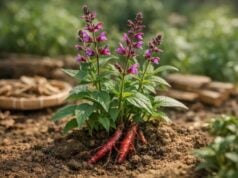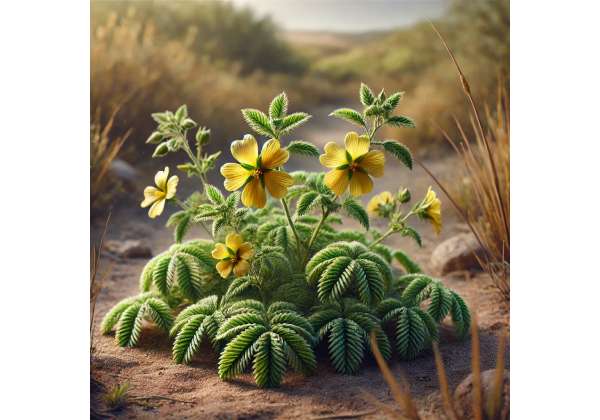
Damiana (Turnera diffusa) is a fragrant shrub native to parts of Mexico, Central America, and the Caribbean, traditionally used as a gentle nervous-system tonic and sexual wellness herb. Today, you’ll find it most often as a tea, capsule, tincture, or blended extract marketed for libido, mood support, and everyday vitality. Its reputation comes from a mix of historical use and modern interest in its plant compounds—especially flavonoids and aromatic constituents that may influence relaxation, stress response, and circulation.
Still, damiana is not a “quick fix.” People who benefit most tend to be those whose low desire or low energy is tied to stress, poor sleep, or mental fatigue rather than a clearly medical cause. Like many herbs, damiana’s effects depend on the dose, the preparation (tea vs extract), and individual sensitivity. If you’re considering it, the most important questions are practical: what form to use, how much to take, how long to try it, and who should avoid it.
Quick Overview
- May support sexual desire and arousal when stress and mental tension are contributing factors
- Often used as a gentle mood and relaxation aid, especially in the evening
- Start low; common daily range is 1–6 g dried leaf (tea) or 400–900 mg extract (capsules), depending on strength
- Avoid during pregnancy or breastfeeding, and use caution with diabetes medicines due to possible blood-sugar effects
Table of Contents
- What is damiana?
- Key ingredients and how they work
- Does damiana help with libido and mood?
- Common uses and ways to take it
- How much damiana per day?
- Side effects, interactions, and who should avoid it
- What the research really shows
What is damiana?
Damiana is the common name for Turnera diffusa, a small, woody shrub with aromatic leaves and small yellow flowers. In traditional herbal systems across Mexico and parts of Central America, damiana was used in ways that map closely to modern wellness goals: to support sexual vitality, calm the nerves, aid digestion, and improve overall “tone” (a historical word for resilience and stamina).
Most damiana products use the leaves (and sometimes the aerial parts). That matters, because leaves tend to contain the volatile aromatic compounds that give damiana its distinctive smell and taste—slightly bitter, warm, and herbal—along with polyphenols (plant antioxidants) that can behave differently depending on how they’re extracted.
A helpful way to think about damiana is as a “bridge herb” between mood and libido. For many people, sexual desire drops when the mind is overloaded: worry, poor sleep, chronic stress, or low confidence can flatten arousal even when hormones are normal. Damiana’s traditional niche is exactly that gray zone—when you’re not clinically ill, but you don’t feel like yourself.
You’ll also see damiana discussed alongside other traditional aphrodisiac plants. The overlap can be confusing, because “aphrodisiac” is a broad label that includes very different mechanisms: some herbs are stimulating, some are calming, some support circulation, and some mainly improve mood. If you want a comparison point, damiana is often framed as more “nervine” (calming and centering) than strongly energizing options like muira puama for sexual vitality.
Finally, remember the quality issue: damiana is sold as loose leaf, powders, standardized extracts, and proprietary formulas. The same herb name can represent very different chemistry. For consistent effects, preparation and dosing matter as much as the plant itself.
Key ingredients and how they work
Damiana’s effects are usually explained through its mix of polyphenols and aromatic compounds. While the exact profile varies by growing conditions and extraction method, these groups show up repeatedly in damiana research and traditional herbal analysis:
Flavonoids and related polyphenols
Flavonoids are a large family of plant compounds commonly associated with antioxidant and anti-inflammatory actions. Damiana is known for flavonoid derivatives that may influence how the body responds to stress signals and inflammation. A practical detail: flavonoids extract well into hot water and alcohol, but alcohol tinctures often pull a broader spectrum, including more of the aromatic constituents.
Some damiana flavonoids are chemically similar to compounds found in calming herbs. For example, apigenin-type flavonoids are also discussed in chamomile’s active compounds, which helps explain why people sometimes experience damiana as “settling” rather than purely stimulating.
Volatile oils and aromatic constituents
Damiana leaves contain fragrant components that contribute to its traditional use as a nervous-system tonic. Aromatic compounds often have subtle effects: they can influence sensory pathways (smell and taste), smooth muscle tone, and subjective relaxation. This is one reason some people prefer tea or tincture—forms that preserve the aroma—over highly processed powders.
Tannins and bitters
The slightly bitter edge in damiana tea is not just a flavor note; bitter herbs often support digestion by promoting saliva and digestive secretions. If you’re using damiana for bloating or a “stuck” feeling after meals, that bitter profile may be part of why it’s chosen.
Why preparation changes the experience
Two people can both be “taking damiana” and have totally different results because:
- Tea emphasizes water-soluble compounds and the sensory ritual (warmth, aroma, relaxation).
- Tinctures can deliver a stronger dose quickly and pull more aromatic compounds.
- Capsules may be convenient, but the feel can be “flatter” if the aromatic fraction is reduced or if the powder is older and less fragrant.
If you’re sensitive to stimulants, that variation matters. Some users experience damiana as calming, while others feel mildly energized—often depending on dose, timing, and whether the product is a strong extract or a gentle leaf preparation.
Does damiana help with libido and mood?
Damiana is most commonly taken for libido support, but the “why” behind that goal matters. In real life, low desire often has multiple inputs: stress, relationship strain, poor body image, sleep deprivation, hormonal shifts, medication side effects, and underlying medical conditions. Damiana is best understood as a supportive tool—more likely to help when mood and stress are central to the problem.
Libido and arousal support
People typically reach for damiana in two scenarios:
- Low desire with mental overload: When stress and distraction dominate, arousal can feel inaccessible. Damiana’s traditional role as a calming tonic may help reduce mental “noise,” which can indirectly support desire.
- Low arousal with sluggish circulation: Some damiana explanations focus on relaxation and blood-flow support. For certain people, easing tension and supporting a sense of warmth and responsiveness can improve arousal quality.
If your primary goal is libido, it helps to compare damiana’s style with other popular options. For example, maca for libido and fertility is often used more as a daily vitality and endocrine-supporting adaptogen-like supplement, while damiana is frequently taken for its immediate calming and sensual “tone.”
Mood, stress, and mental fatigue
Many users describe damiana as gently uplifting or “brightening,” especially as tea in the late afternoon or evening. This effect is usually subtle—more like taking the edge off tension than producing a strong mood shift. If you’re looking for a dramatic antidepressant effect, damiana is unlikely to match that expectation, and it should not replace clinically appropriate care.
A realistic benefit to aim for is improved “readiness”: less tightness in the body, fewer stress spikes, and a smoother transition into rest. For some, that shift alone improves libido because it restores the conditions that desire needs: safety, time, and a calmer nervous system.
Digestive comfort as a secondary benefit
Damiana is also used as a mild digestive bitter. When digestion is off—bloating, heaviness, low appetite—energy and mood can dip. A small cup of bitter herbal tea after meals can be surprisingly helpful for some people, and damiana sometimes fits that role.
In short, damiana may help, but it’s rarely a single-variable solution. The best outcomes usually come when the herb is paired with the basics: sleep, stress management, reduced alcohol, and realistic expectations about what an herb can do.
Common uses and ways to take it
Damiana is available in several forms, and choosing the right one is often the difference between “I felt nothing” and “this actually helped.” Below are the most common options and when each tends to fit best.
1) Tea (infusion)
Tea is the traditional entry point and often the most forgiving. It also creates a built-in calming ritual—warmth, aroma, a few minutes to pause—which matters if your goal includes stress reduction.
How to make it (practical and consistent):
- Use 1–2 teaspoons of dried damiana leaf (roughly 1–2 g).
- Pour hot (not boiling) water over it.
- Steep 10–15 minutes covered (to keep aromatic compounds from escaping).
- Strain and drink slowly.
Taste tips: damiana can be bitter. Many people blend it with aromatic herbs for comfort. A common pairing is peppermint for digestive comfort, especially if you’re using the tea after meals.
2) Capsules or tablets
Capsules are convenient and easier to dose consistently, especially for people who want a daily routine. They’re a good choice if you dislike herbal bitterness or want to avoid alcohol-based tinctures. The drawback is variability: “damiana leaf powder” can be weak if it’s old or poorly stored, and extracts can range from mild to very concentrated.
3) Tincture (alcohol extract)
Tinctures can feel stronger per dose and are easy to adjust drop by drop. They’re often preferred for situational use—taking a dose 30–60 minutes before intimacy, or in the evening for relaxation.
If you’re avoiding alcohol (health reasons, medication interactions, personal preference), look for a glycerite or a low-alcohol extract and confirm what’s actually in the bottle.
4) Smoking or vaping dried leaf
Some traditions include smoking damiana for immediate calming effects. From a health perspective, inhaling combusted plant material has obvious downsides (airway irritation, exposure to combustion byproducts). If your interest is nervous-system support, tea or tincture is usually a safer path.
5) Blends and “libido formulas”
Many products include damiana in multi-ingredient blends. That can be helpful when the formula is thoughtfully designed (for example: stress support + circulation + mood). But it also makes it hard to know what is doing what, and it increases the chance of interactions.
If you’re new to the herb, starting with a simple single-ingredient product makes it easier to assess your personal response.
How much damiana per day?
Damiana dosing is not as standardized as a prescription medicine, so the most useful approach is: start low, choose a form that matches your goal, and give it a fair trial window. Below are practical ranges commonly used in traditional and modern supplement practice, adjusted for real-world decision-making.
Typical ranges by form
- Tea (dried leaf): 1–2 g per cup, 1–3 cups daily (about 1–6 g/day total).
- Capsules (leaf powder): often 500–1,500 mg/day split into 1–3 doses.
- Standardized extracts (capsules/tablets): commonly 400–900 mg/day, depending on extract strength.
- Tincture (typical strengths): often 2–4 mL, 1–3 times daily (product strength varies widely).
Because products differ, use the label to determine whether you’re taking leaf powder or a concentrated extract. “500 mg” can mean very different things depending on that detail.
Timing: when to take it
- For relaxation and mood: late afternoon or evening is common, especially as tea.
- For libido support: many people try a dose 30–60 minutes before intimacy, or take it daily for several weeks to see whether baseline desire improves.
- For digestion: a small cup of tea after meals can be a practical use case.
If you’re prone to insomnia or feel stimulated by herbs, avoid taking damiana late at night until you know how you respond.
How long to try it
Damiana is usually not a one-dose story. A reasonable trial looks like:
- Acute trial (3–7 days): check for tolerance, side effects, and whether you feel any calming or mood shift.
- Full trial (4–8 weeks): assess libido, stress resilience, and general wellbeing.
- Breaks: many people cycle herbs—e.g., 6–8 weeks on, 1–2 weeks off—to reassess whether it’s still needed.
Combining damiana with other supplements
If stress is the main driver of low desire, some people combine damiana with gentle calming supports. If you do this, keep it simple and avoid stacking multiple sedating products at once. A minimalist pairing might involve something like L-theanine for calm focus and sleep—but it’s still wise to add one ingredient at a time so you can clearly track what helps and what doesn’t.
If you’re taking medication, or if your symptoms are significant (persistent low mood, sexual pain, or sudden loss of libido), treat damiana as a supplement—not a substitute for evaluation.
Side effects, interactions, and who should avoid it
Damiana is often described as “gentle,” but gentle does not mean risk-free—especially when extracts are concentrated or when someone is taking medications.
Common side effects
Most side effects, when they happen, are dose-related and may include:
- Stomach upset, nausea, or loose stools (more likely with strong tea or higher doses)
- Headache or lightheadedness
- Restlessness or insomnia in sensitive users (especially if taken late)
- Allergic reactions (rare, but possible with any plant)
If you feel overstimulated, reduce the dose, take it earlier in the day, or switch from extract to tea.
Potential interactions
Because damiana may influence enzymes involved in drug metabolism and may have mild effects on the nervous system and glucose regulation, caution is reasonable in these areas:
- Diabetes medications: damiana is sometimes used traditionally in metabolic contexts. If it lowers blood sugar for you, combining it with glucose-lowering drugs could increase the risk of hypoglycemia. Monitor closely if you try it.
- Sedatives and sleep medications: damiana may add to sedation in some people, especially when combined with alcohol, antihistamines, or other calming herbs.
- Antidepressants and psychiatric medications: the main concern here is not that damiana is strongly serotonergic, but that combining multiple psychoactive substances makes responses harder to predict. If you’re using mood-related prescriptions, discuss herbal additions with a clinician. A well-known example of an herb with meaningful medication interactions is Saint John’s wort and antidepressant support; damiana is usually considered milder, but the principle is the same—interactions can be clinically important.
Who should avoid damiana
Avoid damiana (or use only with professional guidance) if you are:
- Pregnant or breastfeeding
- Under 18
- Managing bipolar disorder, severe anxiety, or a history of substance sensitivity (because “uplifting” herbs can feel destabilizing for some)
- Taking diabetes medications or insulin without the ability to monitor glucose carefully
- Preparing for surgery (stop well in advance, especially if glucose regulation is a concern)
Safety notes on product choice
- Prefer brands that provide batch testing for contaminants (heavy metals, microbes).
- Be cautious with “proprietary libido blends” that include many stimulants; side effects can come from the blend rather than damiana itself.
- If you have liver or kidney disease, treat concentrated extracts with extra caution and ask your clinician before using them.
If you experience rash, trouble breathing, severe dizziness, chest symptoms, or significant mood changes, stop the product and seek medical care.
What the research really shows
Damiana sits in a familiar place in herbal medicine: strong traditional reputation, intriguing lab findings, and a thinner layer of high-quality human evidence than most people expect. Understanding what that means helps you use it wisely.
Where evidence is strongest (and where it isn’t)
Research on Turnera species (including Turnera diffusa) includes studies on antioxidant activity, metabolic signaling, and nervous-system effects. These areas support plausible mechanisms—why damiana might influence stress, mood, or energy. But plausibility is not the same as proof in people.
- Lab and animal studies: useful for identifying pathways (for example, effects on oxidative stress markers or metabolic receptors), but not enough to predict real-world outcomes like libido or mood improvement.
- Human data: exists, but is often small, observational, or includes damiana as one ingredient among many. That makes it harder to draw clean conclusions.
What this means for libido claims
Libido is a complex endpoint. Even when a study finds improvement, it may reflect better sleep, less stress, improved relationship factors, placebo response, or changes in confidence as much as direct pharmacology.
A practical takeaway is to treat damiana as a “supportive condition-setter” rather than a direct hormone replacement or a guaranteed sexual enhancer. If your low desire is primarily due to pain, relationship rupture, untreated depression, hormonal transition, or medication side effects, damiana alone is unlikely to solve the root issue.
How to evaluate a damiana product like a clinician would
If you want to take an evidence-informed approach, use these checkpoints:
- Single ingredient first: easier to evaluate your response and avoid unnecessary interactions.
- Know the form: leaf tea, leaf powder, and standardized extract are not interchangeable.
- Dose discipline: pick a clear dose, track it, and give it 4–8 weeks before judging libido outcomes.
- Track meaningful metrics: sleep quality, stress level, sexual thoughts, arousal quality, and overall satisfaction—not just “did it work.”
- Stop rules: if you see unwanted anxiety, insomnia, mood swings, or glucose issues, stop and reassess.
Bottom line
Damiana may be worth trying for adults who want gentle support for stress-related low desire or mild mood tension—especially when used as a tea or moderate-dose extract and paired with lifestyle basics. The research supports promise and plausibility, but it does not justify exaggerated claims. Used thoughtfully, it can be one tool in a bigger picture plan for wellbeing and sexual health.
References
- Bioactivity of the Genus Turnera: A Review of the Last 10 Years 2023 (Review)
- Antiphotoaging Effects of Damiana (Turnera diffusa) Leaves Extract via Regulation AP-1 and Nrf2/ARE Signaling Pathways 2022
- Damiana (Turnera diffusa) Reduces Adipocyte Cell Differentiation and Ameliorates Myocyte Glucose Uptake 2025
- Damiana for the treatment of female sexual interest/arousal disorder (FSIAD) – Results of a multicentre non-interventional study 2021
- Neurobehavioral and toxicological effects of an aqueous extract of Turnera diffusa Willd (Turneraceae) in mice 2019
Disclaimer
This article is for educational purposes only and does not provide medical advice, diagnosis, or treatment. Herbal supplements can affect people differently and may interact with medications or medical conditions. If you are pregnant, breastfeeding, managing a health condition (including diabetes), taking prescription medicines, or preparing for surgery, talk with a qualified healthcare professional before using damiana. Seek medical care promptly for severe reactions, significant mood changes, or symptoms of low blood sugar.
If you found this guide helpful, consider sharing it on Facebook, X (formerly Twitter), or your favorite platform so others can make more informed decisions about herbal supplements.