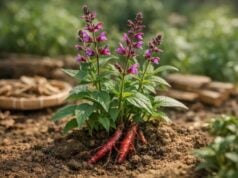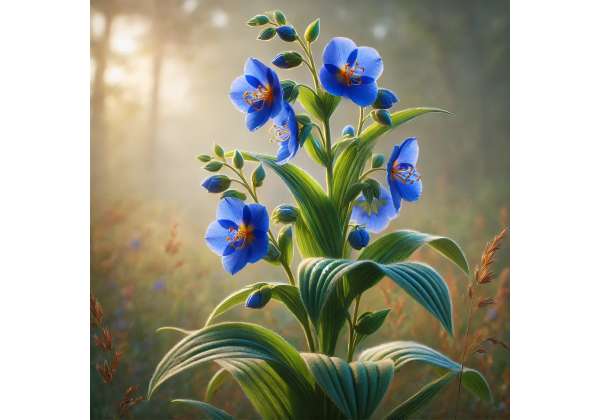
Dayflower is the common name for several Commelina species—tender, moisture-loving plants with bright blue flowers that open for a short time and then fade, giving the genus its “day” reputation. In traditional herbal systems across parts of Asia, Africa, and the Americas, different dayflowers have been used as gentle remedies for heat-related discomforts such as sore throat, mild feverish feelings, and urinary irritation. They are also known as soft, soothing greens in some food cultures, where the young shoots and leaves are cooked like other wild vegetables.
What makes dayflower interesting is its dual identity as both food and folk medicine. Its aerial parts contain flavonoids, phenolic acids, and other plant compounds linked with antioxidant and inflammation-modulating activity. In practical terms, people most often reach for dayflower as a mild tea, a fresh or cooked edible green, or a simple topical poultice for irritated skin. Still, “Commelina spp.” matters: species differ in chemistry and traditional preparation, and modern clinical research is limited. Used thoughtfully, dayflower is best viewed as a supportive botanical with a strong safety-first approach.
Essential Insights for Dayflower
- Dayflower tea is traditionally used for mild urinary discomfort and heat-like symptoms such as sore throat.
- For tea, use 2–4 g dried aerial parts per day (or 10–20 g fresh), divided into 1–2 servings.
- Avoid ingesting plants harvested from roadsides or treated lawns due to contamination risk.
- Avoid medicinal use if pregnant or breastfeeding, or if you have severe kidney disease unless supervised.
Table of Contents
- What is dayflower and what parts are used
- Key ingredients and medicinal properties
- What does dayflower help with
- Skin and wound uses
- How to use dayflower safely
- How much dayflower per day
- Safety, interactions, and who should avoid it
What is dayflower and what parts are used
“Dayflower” usually refers to species in the genus Commelina (family Commelinaceae). Depending on where you live, the name may point to plants such as Asiatic dayflower (Commelina communis), spreading dayflower (Commelina diffusa), or Benghal dayflower (Commelina benghalensis), among others. This matters because traditional uses, taste, and concentration of bioactive compounds can differ by species, growing conditions, and harvest time.
In the wild, Commelina plants are often recognized by their succulent, jointed stems; smooth, lance-shaped leaves; and small flowers with vivid blue petals. Many have a watery sap and thrive in damp soil, garden edges, and shaded lawns. Because they can grow where people spray herbicides or where soils collect heavy metals, the most important “identification skill” is not just botanical—it is choosing a clean harvest environment.
Parts commonly used
- Aerial parts (above-ground plant): Leaves and tender stems are the most common choice for teas, decoctions, and cooked greens.
- Whole plant: Some traditions use the whole plant (minus roots) for stronger infusions or topical washes.
- Flowers: Primarily used as a visual garnish or for natural pigment in certain cultures; less common for medicinal dosing.
Why it is used in traditional medicine
Across different regions, dayflower is often described as cooling and moistening—language that typically maps to soothing irritated tissues and supporting fluid balance. This is why folk use frequently centers on:
- mild urinary irritation and water retention
- sore throat and heat-related discomfort
- skin redness, swelling, and minor wounds
A practical note on species confusion
Dayflower can be confused with other “spiderwort-like” plants. If you are not confident in identification, avoid wild harvesting for ingestion. For most people, the safest path is to use a reputable dried herb product labeled with the species name, plant part, and country of origin.
Key ingredients and medicinal properties
Dayflower’s medicinal reputation comes from a mix of nutrients (as a tender green) and bioactive plant compounds that influence how the body responds to irritation, oxidative stress, and microbial pressure. Most chemical studies focus on specific species, but the major themes overlap across the genus.
Flavonoids and phenolic acids
Many Commelina species contain flavonoids such as quercetin-type and luteolin-type compounds, along with phenolic acids. These molecules are commonly associated with:
- Antioxidant activity: helping neutralize reactive compounds produced during stress and inflammation
- Inflammation modulation: influencing pathways that signal redness, swelling, and discomfort
- Barrier support: supporting tissue resilience, which can matter for skin and mucous membranes
In plain language, these compounds help explain why dayflower is often used for “irritated” states—whether that irritation is in the throat, urinary tract, or skin.
Polysaccharides and other water-soluble compounds
Water-based preparations (tea and decoction) pull out not only polyphenols but also water-soluble components that may contribute to a soothing, demulcent-like feel. While dayflower is not classically categorized like marshmallow root, people often describe its infusions as gentle and “soft” on the system.
Organic acids, minerals, and food-like value
Some Commelina species used as edible wild plants have been analyzed for sugars, organic acids (including oxalic acid in certain species), tocopherols, and other nutritional components. This is one reason dayflower is sometimes framed as a “functional food” rather than a purely medicinal herb. If you are using dayflower as a green, the benefits you notice may come as much from replacing ultra-processed foods with plant-rich meals as from any specific phytochemical action.
Core medicinal properties described in practice
When you put tradition and chemistry together, dayflower is best described as having:
- Soothing and cooling effects for mild heat-like discomfort
- Gentle diuretic tendencies (supporting urine flow and fluid balance)
- Mild antimicrobial support (based mostly on lab studies, not definitive clinical proof)
- Topical calming activity when used as a fresh poultice or wash
Because evidence is stronger for some properties than others, it helps to treat these as “supportive possibilities” rather than guaranteed outcomes.
What does dayflower help with
People usually search for dayflower because they have heard it can help with inflammation, urinary concerns, or “heat” symptoms such as sore throat. The most responsible way to think about benefits is to match the herb’s traditional niche—mild, short-term discomforts—with realistic expectations.
Mild urinary discomfort and water retention
In several traditions, dayflower is used to promote urination and ease mild swelling. This does not mean it treats urinary tract infections on its own, but it may support comfort when paired with hydration and appropriate care. A gentle tea can be used as a short-term supportive measure when symptoms are mild and you are monitoring carefully.
If your goal is specifically urinary support, you may also want to compare dayflower’s gentle approach with more targeted urinary botanicals such as traditional uva ursi urinary support, which is typically considered stronger and requires tighter safety boundaries.
Sore throat, mouth discomfort, and “heat” sensations
Dayflower is sometimes used as a cooling tea or rinse for throat discomfort. The experience is usually subtle: warmth from the liquid, mild soothing from plant compounds, and hydration. For many people, the practical value is as a comforting routine:
- warm infusion 1–2 times daily
- salt-water gargle as needed (separately)
- rest and hydration
If you have high fever, trouble swallowing, severe pain, or symptoms lasting more than a few days, use dayflower only as comfort care while you seek medical evaluation.
Inflammation-related discomfort
Laboratory research on Commelina extracts supports the idea that some species influence inflammatory signaling. In day-to-day herbal use, this often translates to using dayflower for:
- mild aches and soreness linked with irritation
- “hot” skin flares that feel inflamed
- recovery support when you want a gentle plant tea
A key point: these effects, if they occur, are usually modest and slow. Dayflower is not a replacement for medical treatment of inflammatory disease.
Metabolic support claims
Some older and newer preclinical studies explore effects such as alpha-glucosidase inhibition (a mechanism linked to post-meal blood sugar response) and other metabolic outcomes. This is still early-stage for practical decision-making. If you have diabetes or take glucose-lowering medication, do not experiment with concentrated extracts without clinical guidance.
Skin and wound uses
Topical dayflower use is one of the most intuitive and widely reported applications: fresh plant material is easy to mash, naturally moist, and often used as a quick, cooling compress. This works best for minor, uncomplicated issues—not for deep wounds or infected skin.
Common topical use cases
People typically apply dayflower externally for:
- minor redness and irritation
- swelling from mild bumps or friction
- insect bites that itch or feel hot
- small scrapes where you want a soothing, protective layer
The practical goal is comfort: cooling sensation, gentle moisture, and a light plant-based barrier.
How to make a simple dayflower poultice
- Rinse fresh leaves and tender stems thoroughly.
- Pat dry and crush or finely chop until juicy.
- Apply to clean skin using clean hands or a sterile gauze layer.
- Leave on 10–20 minutes, then rinse and reassess.
- Repeat up to 2–3 times daily for one to two days.
If your skin is very sensitive, test a small patch first. Natural does not guarantee non-irritating.
When dayflower is not the right choice
Avoid poultices for:
- deep puncture wounds
- burns with blistering
- spreading redness, warmth, pus, or increasing pain
- rashes with hives or facial swelling
- any wound in an immunocompromised person unless supervised
Plants can carry microbes. Applying a fresh poultice to broken skin is a traditional practice, but it comes with hygiene requirements.
Comparing dayflower to other topical herbs
Dayflower is often used like a quick “first-aid green,” similar in spirit to plantain leaf for topical soothing. The best choice is the one you can identify accurately, harvest safely, and use hygienically—without irritating your skin.
How to use dayflower safely
Dayflower can be used as food, tea, or topical support. The safest approach is to start with the gentlest form that fits your goal, then adjust based on tolerance.
1) As a cooked green
In regions where dayflower is eaten, young shoots and leaves are cooked briefly—steamed, stir-fried, or added to soups. Cooking can improve palatability and may reduce irritation from certain naturally occurring compounds.
Practical tips:
- Choose young growth for tenderness.
- Wash thoroughly and cook rather than eating large quantities raw.
- Treat it like spinach: a side green, not a main staple.
2) As an infusion (tea)
A basic tea is the most common “gentle medicinal” format.
- Add dried aerial parts to hot water, cover, and steep 10–15 minutes.
- Drink warm, usually 1–2 times daily for short periods.
Taste is mild and grassy. Many people combine it with other gentle herbs, but if you are testing tolerance, use dayflower alone at first.
3) As a stronger decoction
If someone is using dayflower in a more traditional medicinal style, they may simmer the plant rather than steep it.
- Simmer on low heat 10–20 minutes, then strain.
- This pulls more water-soluble compounds and can taste stronger.
Because a decoction is more concentrated, it is also where dosage discipline matters most.
4) As a rinse or compress
A cooled infusion can be used as:
- a skin rinse for irritation
- a compress for swelling
- a mouth rinse for mild oral discomfort (do not swallow large amounts if you are uncertain about tolerance)
Quality and sourcing matters more than most people think
Dayflower’s biggest real-world risk is not the plant itself—it is what the plant may carry:
- pesticide residues from treated lawns and gardens
- pollution from roadside soil
- microbes from stagnant water environments
If you cannot confidently control the source, use a properly labeled dried herb product rather than wild harvesting.
How much dayflower per day
Because “dayflower” can mean multiple Commelina species and multiple preparation styles, dosage is best presented as a conservative range with built-in safety margins. If you are using a commercial product, follow the label first, then compare it to the ranges below.
Tea from dried aerial parts
- Typical daily amount: 2–4 g dried aerial parts total per day
- How to split it: 1–2 servings daily
- How to prepare: steep 10–15 minutes, covered
- Best timing: after meals for gentle comfort, or earlier in the day if you are sensitive to increased urination
- Duration: 3–10 days, then pause and reassess
If you are using dayflower for urinary comfort, do not use it to “push through” significant symptoms. Treat the herb as support while you monitor for warning signs such as fever, back pain, blood in urine, or worsening pain.
Tea from fresh plant material
Fresh plants contain a lot of water, so the gram amounts are higher.
- Typical daily amount: 10–20 g fresh aerial parts per day
- Preparation: chop and steep, or simmer briefly if you prefer a stronger extraction
- Duration: short-term use is preferred
Decoction (stronger extraction)
A conservative approach:
- 5–10 g fresh plant simmered in water, once daily, for short periods
If you find yourself increasing the dose to chase an effect, that is usually a sign that dayflower is not the right tool for the job.
Topical use
- Poultice: 10–20 minutes, up to 2–3 times daily for one to two days
- Wash or compress: apply cooled infusion as needed, keeping hygiene strict
How diuretic context changes your timing
If dayflower increases urination for you, treat it like other gentle diuretic herbs: take it earlier in the day, hydrate consistently, and avoid combining it with multiple diuretics unless advised. For context on diuretic-style herbs and precautions, see dandelion uses and safety considerations.
Safety, interactions, and who should avoid it
Dayflower is often described as gentle, especially when used as a cooked green or mild tea. Still, safe use depends on four factors: correct identification, clean sourcing, reasonable dosing, and attention to special populations.
Possible side effects
Most side effects—when they occur—tend to be mild:
- stomach upset or nausea (more likely with strong decoctions)
- increased urination (which can be inconvenient or dehydrating if you do not drink fluids)
- skin irritation from fresh poultices in sensitive individuals
- headache or lightheadedness if you are prone to low blood pressure and combine it with dehydration
Stop use if you develop rash, hives, wheezing, facial swelling, or rapidly worsening symptoms.
Who should avoid dayflower medicinal use
Use extra caution or avoid medicinal dosing if you are:
- Pregnant or breastfeeding: avoid medicinal-level teas and concentrated preparations due to limited safety data across species.
- Living with kidney disease: diuretic-style herbs may not be appropriate without supervision.
- Taking prescription diuretics or lithium: combining diuretic effects can alter fluid and electrolyte balance.
- Managing diabetes with medication: concentrated extracts may, in theory, influence post-meal glucose response; this is not a reason to panic, but it is a reason to avoid experimenting with strong extracts.
- Allergy-prone or dermatitis-prone: patch test topical use first.
Interactions to think about
Dayflower is not known for a long list of well-proven drug interactions, but sensible risk management still applies:
- Avoid stacking dayflower with multiple diuretic herbs and diuretic medications without clinician input.
- If you are on anticoagulants, immune-suppressing therapy, or complex medication regimens, treat any new herb as a potential variable and introduce it cautiously.
What the evidence actually says
Most modern research on Commelina species is preclinical—cell studies, animal studies, and chemical profiling. These studies support plausible anti-inflammatory, antioxidant, and antimicrobial activity in specific extracts, but they do not automatically translate into strong clinical outcomes for everyday problems. That does not make dayflower useless; it simply reframes it as a low-intensity option best used for:
- short-term, mild discomfort
- supportive routines alongside hydration, rest, and appropriate care
- topical comfort for minor skin irritation when hygiene is excellent
If you want stronger, evidence-backed treatment for infections, inflammatory disease, or metabolic conditions, dayflower should not be your primary strategy.
References
- The genus Commelina: Focus on distribution, morphology, traditional medicinal uses, phytochemistry, and Ethno-pharmacological activities: An updated literature review 2024 (Review). ([PMC][1])
- Treatment with Commelina communis Extract Exerts Anti-inflammatory Effects in Murine Macrophages via Modulation of the Nuclear Factor-κB Pathway 2022 (Preclinical Study). ([PMC][2])
- Chemical Composition and Biological Activity of Commelina erecta: An Edible Wild Plant Consumed in Brazil 2023 (Original Research). ([PMC][3])
- Antibacterial Components and Modes of the Methanol-Phase Extract from Commelina communis Linn 2023 (Original Research). ([MDPI][4])
Disclaimer
This article is for educational purposes only and does not provide medical advice, diagnosis, or treatment. Herbs can cause side effects and allergic reactions, and they may interact with medications or medical conditions. If you are pregnant, breastfeeding, have kidney disease, take diuretics or lithium, manage diabetes with medication, or have significant or persistent symptoms (such as fever, severe pain, blood in urine, spreading skin redness, or signs of infection), consult a qualified healthcare professional before using dayflower medicinally. For urgent symptoms—such as trouble breathing, facial swelling, severe rash, or severe worsening pain—seek emergency medical care.
If this guide helped you, consider sharing it on Facebook, X (formerly Twitter), or your preferred platform so others can learn safer, more informed ways to use herbs.